Did you know…
Where does the name of the "Marston" metal matting used to build airstrips in the Pacific come from?
Short answer
From the town of Marston, North Carolina, next to the Camp Mackall airfield, where the material was first used. There, a 914 by 46 m (3,000 by 150 ft) runway was built with the matting in eleven days. Considered a success, it was later used extensively in the Pacific.

A nickname from North Carolina
The popular name comes from Marston, North Carolina, a town near the Camp Mackall airfield, where the material was first used. In that area, a 914 by 46 m (3,000 by 150 ft) runway was built with the matting in eleven days. Its first practical use occurred during the Carolina Maneuvers, a series of US Army exercises held in November 1941.
From the laboratory to the runway
The development of landing mats in the United States began in December 1939 at Langley Field. The design directive for what would become the Marston mat was officially assigned to the Army Corps of Engineers on 11 December 1939. In May 1940 responsibility for development passed to the Engineer Board at Fort Belvoir. The first versions, tested during the summer of 1940, were made of solid, unperforated ribbed steel. In the winter of 1940-1941 the design was modified with the characteristic punched holes of the production version.
On the islands of the Pacific
Once approved, the Marston mat was used extensively in the Pacific theater of operations. On the islands, the matting was normally covered with crushed, compacted coral or with earth, to form a level surface. A small team of engineers could create a 200 ft wide by 5,000 ft long runway in two days.
More questions
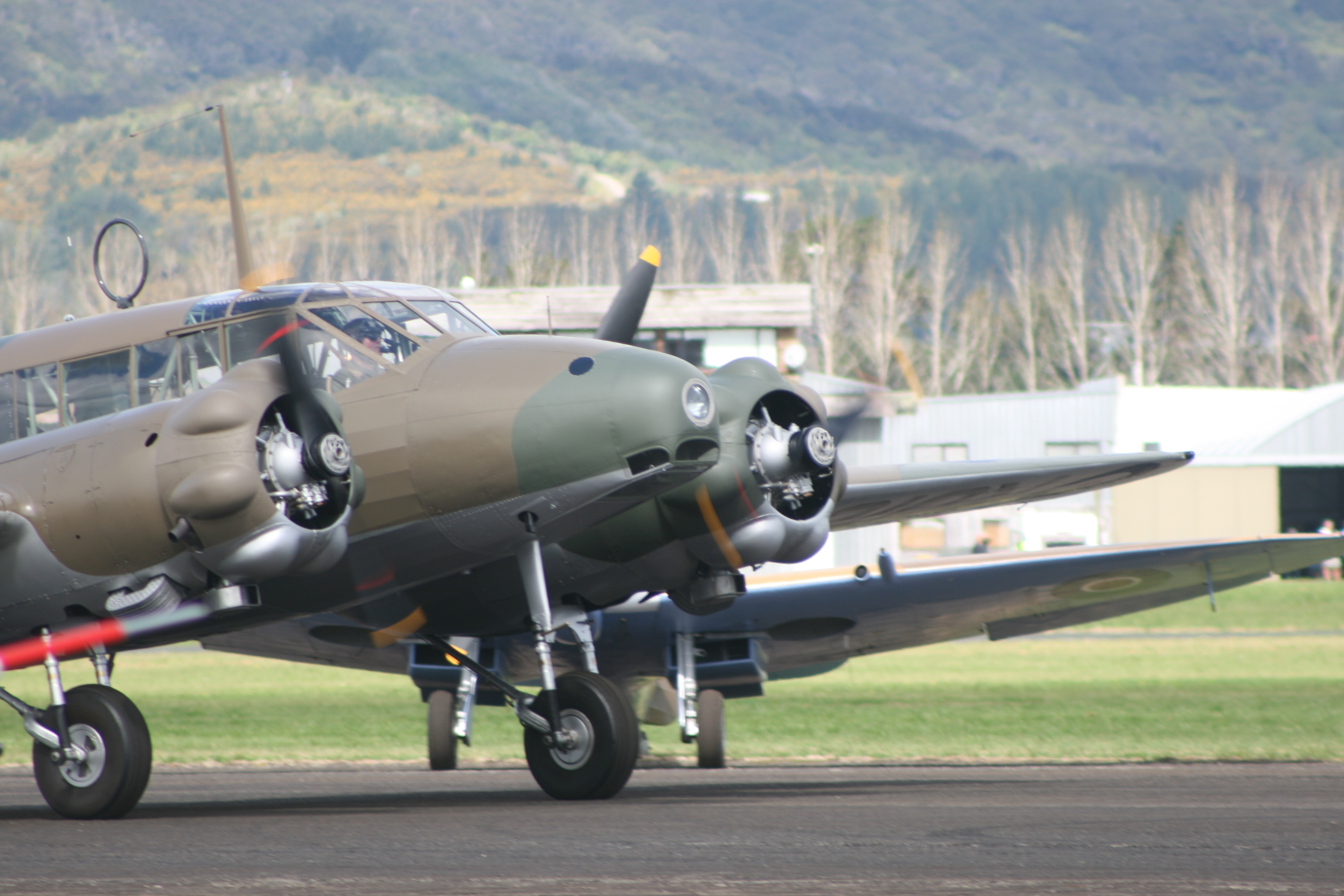
L-Bit (CC BY SA), vía commons Military aviation
How many Anson Mk I were built?
6,688 or 6,742 Avro Anson Mk I were built, according to different sources; History of War, which gives the second figure, places 3,935 at Woodford and the… more…
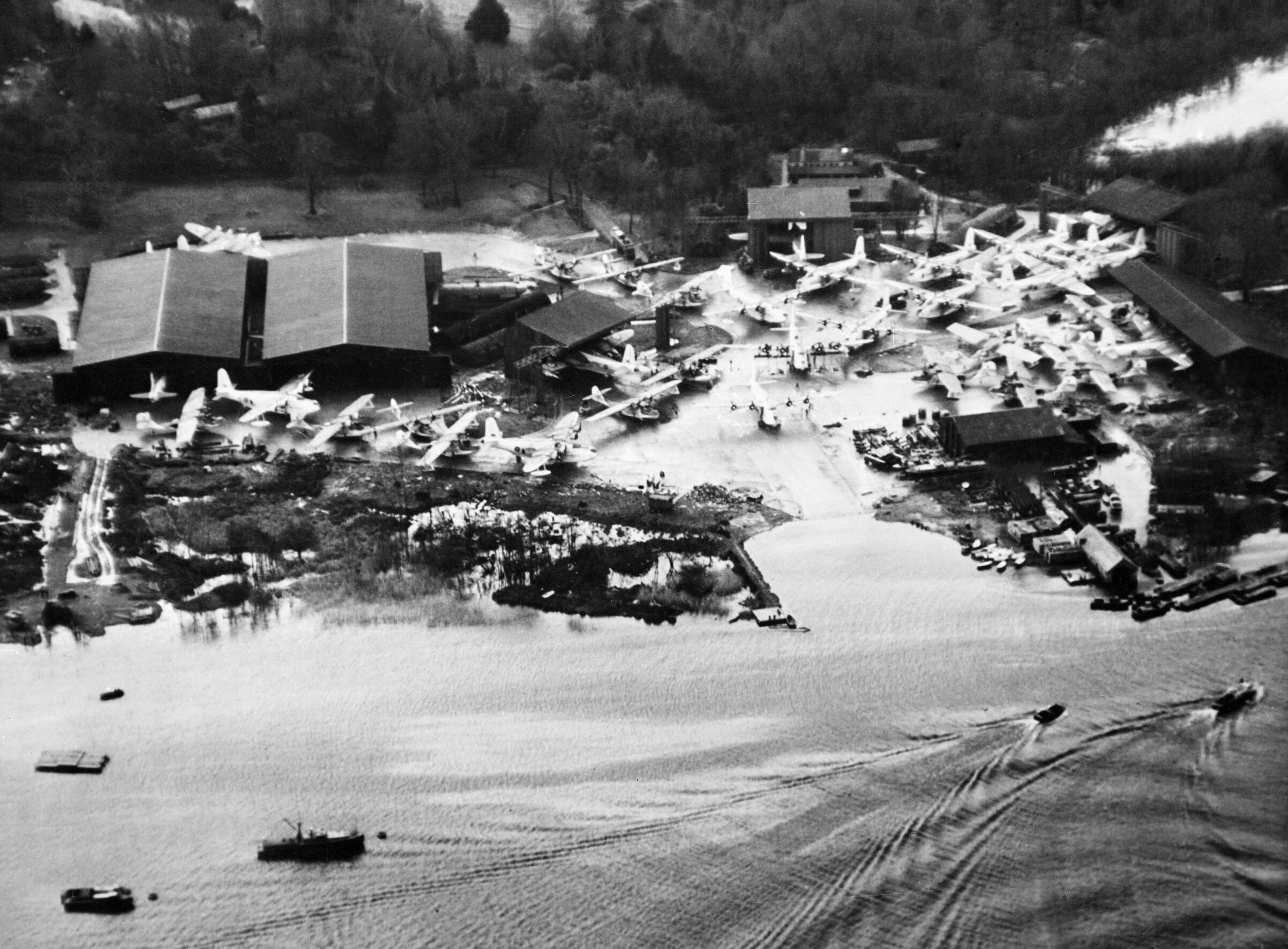
Military aviation
Which flying boats rescued the crew of the Kensington Court in 1939?
They were two RAF Sunderland flying boats: according to uboat.net, an aircraft of Squadron 228 and L5802 of Squadron 204 landed on the water next to the… more…
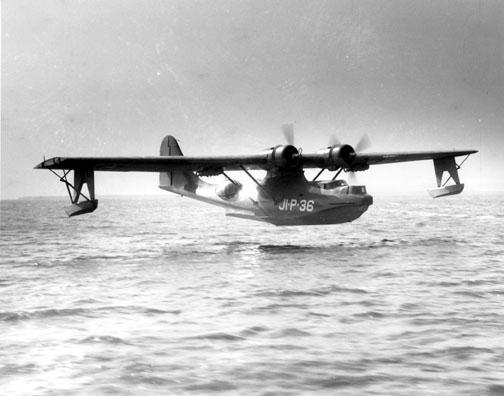
Military aviation
How long did Catalina convoy escort flights to the USSR last?
Many of the Catalina flights protecting convoys to the Soviet Union lasted between 15 and 20 hours and ended at Gryaznaya Bay (Murmansk) or at Arkhangelsk… more…
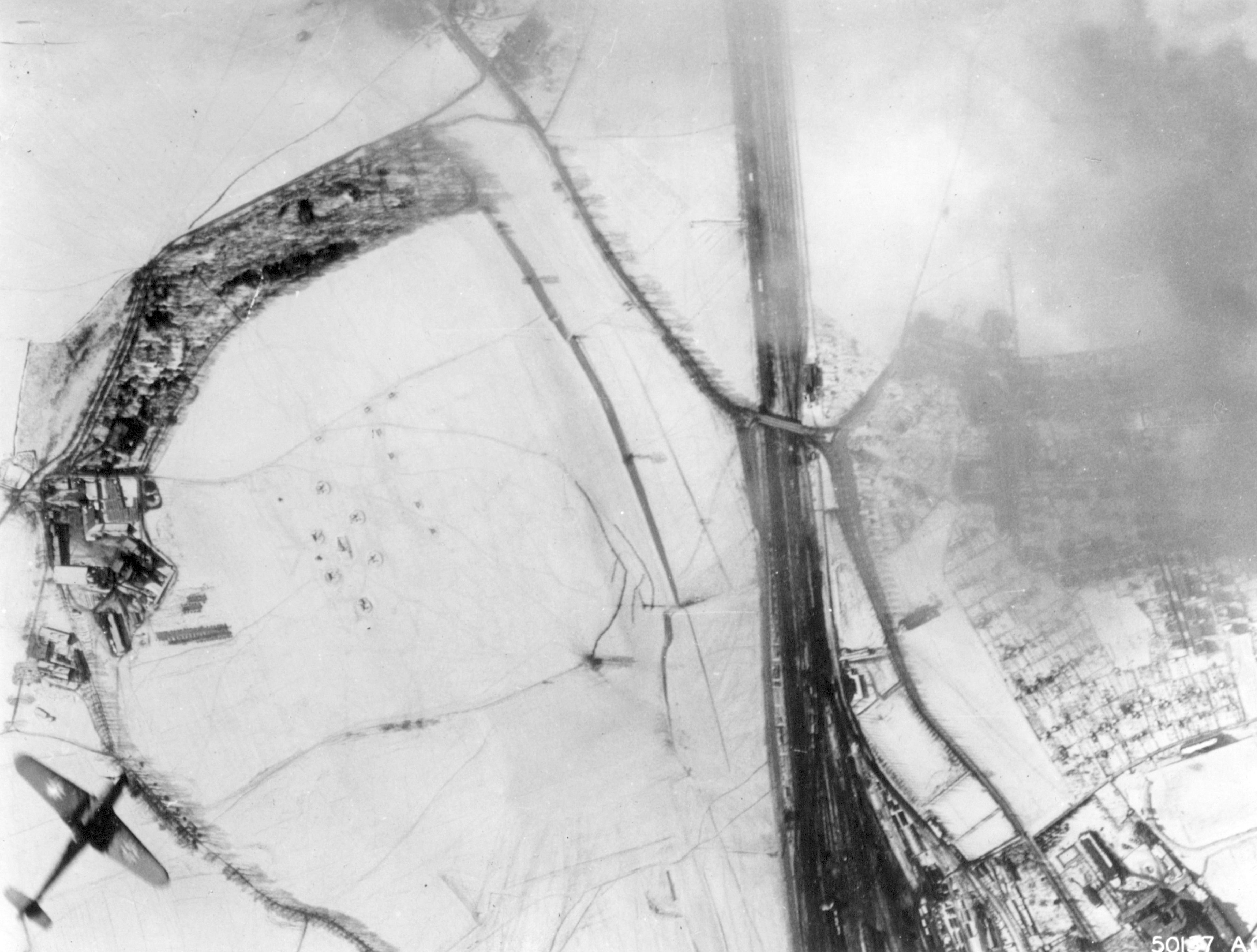
Military aviation
How many aircraft did the Axis lose in Crusader?
Around 332 aircraft destroyed and around 228 abandoned in the operation's tally, which took place between 18 November and 30 December 1941. According to their… more…
Military aviation
How many victories did No. 604 Squadron, the RAF night-fighter squadron, claim?
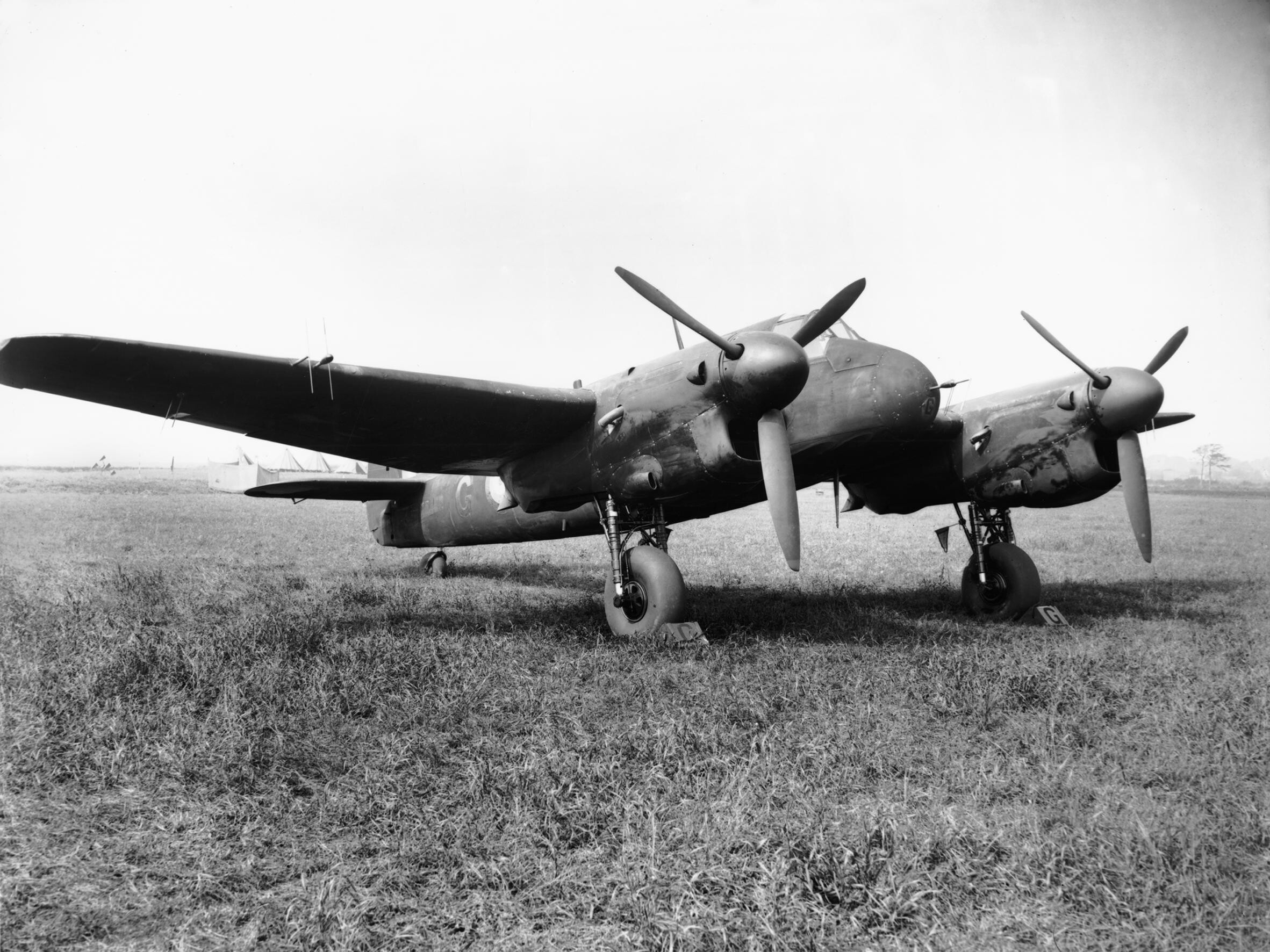
Around 127 aerial victories over the course of the war, 41 of them since May 1944. No. 604 (County of Middlesex) Squadron RAF spent most of the Second World… more…
Military aviation
Why did the "Torch" P-40Fs carry a flag on the fuselage?
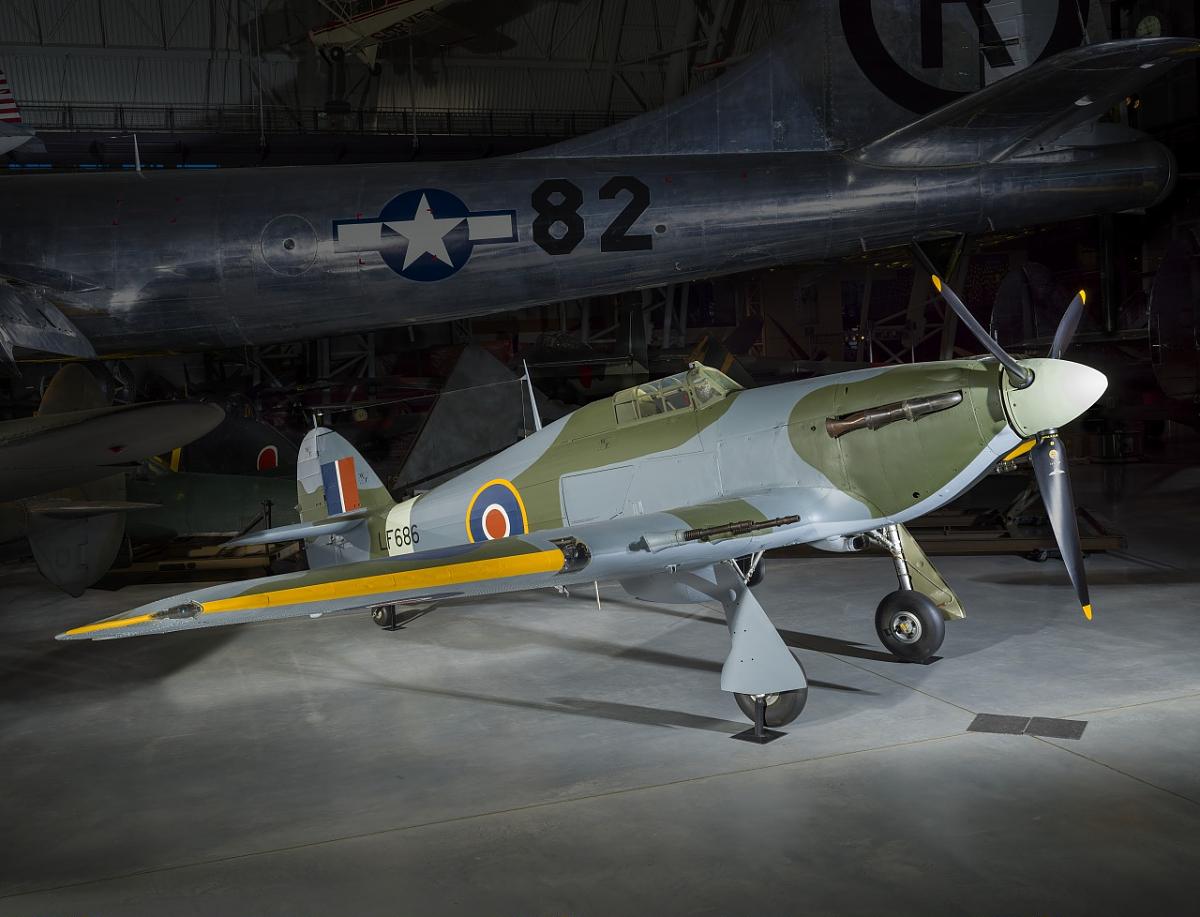
To deter Vichy French forces from shooting them down: aircraft with yellow-outlined roundels sometimes had an American flag added in front of the roundel. The… more…


