Did you know…
What nickname did Pappy Boyington's squadron have, and where did "Pappy" come from?
Short answer
Boyington's squadron was VMF-214, nicknamed the "Black Sheep Squadron." Its pilots had earlier called themselves "Boyington's Bastards," a name public information officer Jack DeChant rejected and replaced with "Black Sheep." "Pappy" came from "Gramps," since at 31 he was a decade older than his Marines.

A squadron built from leftover pilots
Boyington and Major Stan Bailey were given permission to gather pilots without an assignment into one squadron. In September 1943 Boyington became commanding officer of Marine Fighter Squadron 214 (VMF-214), known by its nickname "Black Sheep Squadron."
From "Boyington's Bastards" to "Black Sheep"
The pilots first called themselves "Boyington's Bastards," because they had all been "orphans" without a squadron to belong to and lacked reliable aircraft and mechanics. The squadron presented the label to Captain Jack DeChant, the Marine Corps's public information officer, who rejected it because civilian newspapers would refuse to print it. DeChant proposed an alternative with essentially the same meaning: "Black Sheep." Although they dropped "Boyington's Bastards," the unit kept the heraldic symbol associated with illegitimacy, the black bar of bastardy crossing its coat of arms.
From "Gramps" to "Pappy"
Boyington received the nickname "Gramps" because, at 31, he was a decade older than most of the Marines serving under him. The name "Gramps" turned into "Pappy" in a variation of "The Whiffenpoof Song" whose new lyrics were written by Paul "Moon" Mullen, one of his pilots, and that version was picked up by war correspondents.
More questions
L-Bit (CC BY SA), vía commons Military aviation
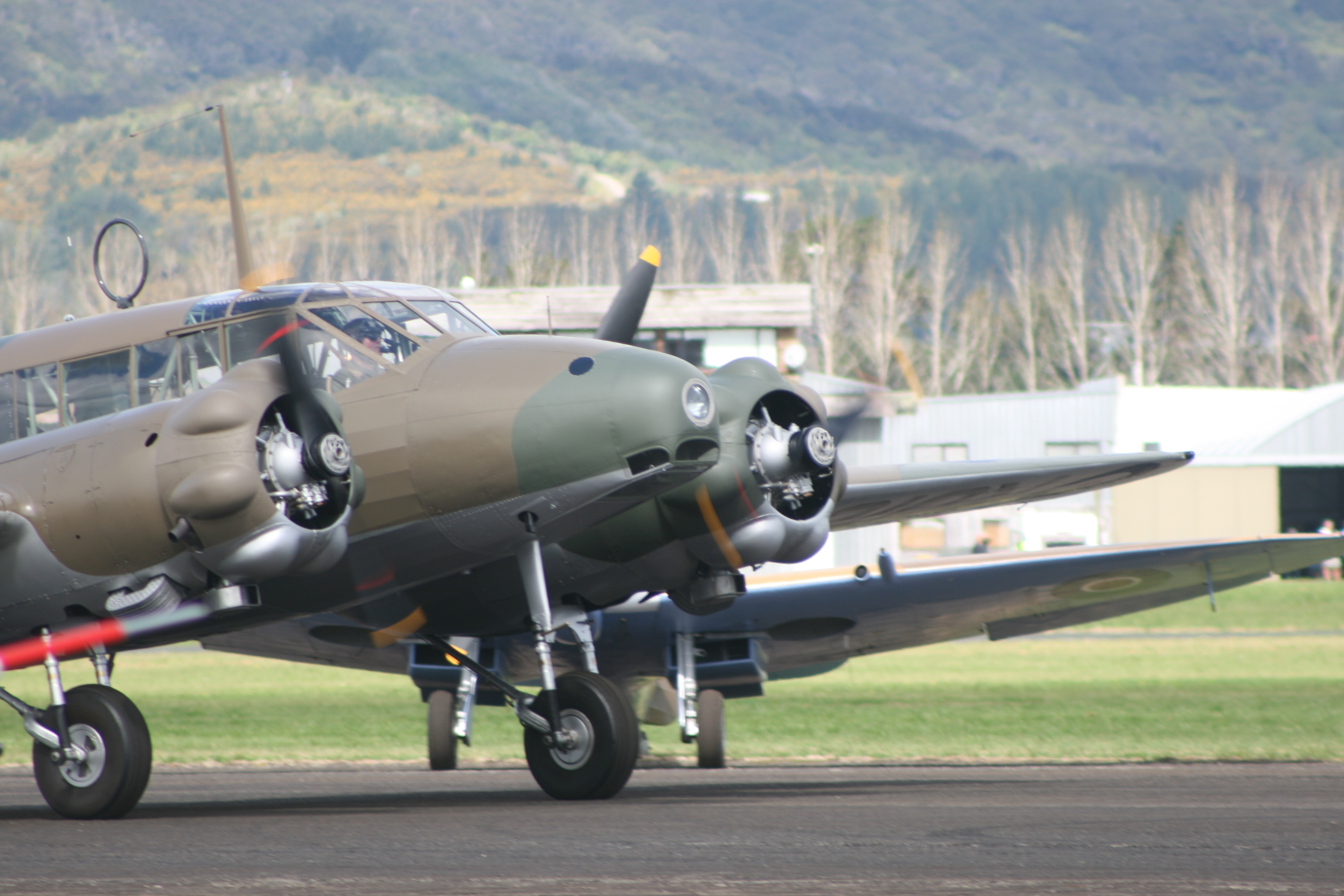
How many Anson Mk I were built?
6,688 or 6,742 Avro Anson Mk I were built, according to different sources; History of War, which gives the second figure, places 3,935 at Woodford and the… more…
Military aviation
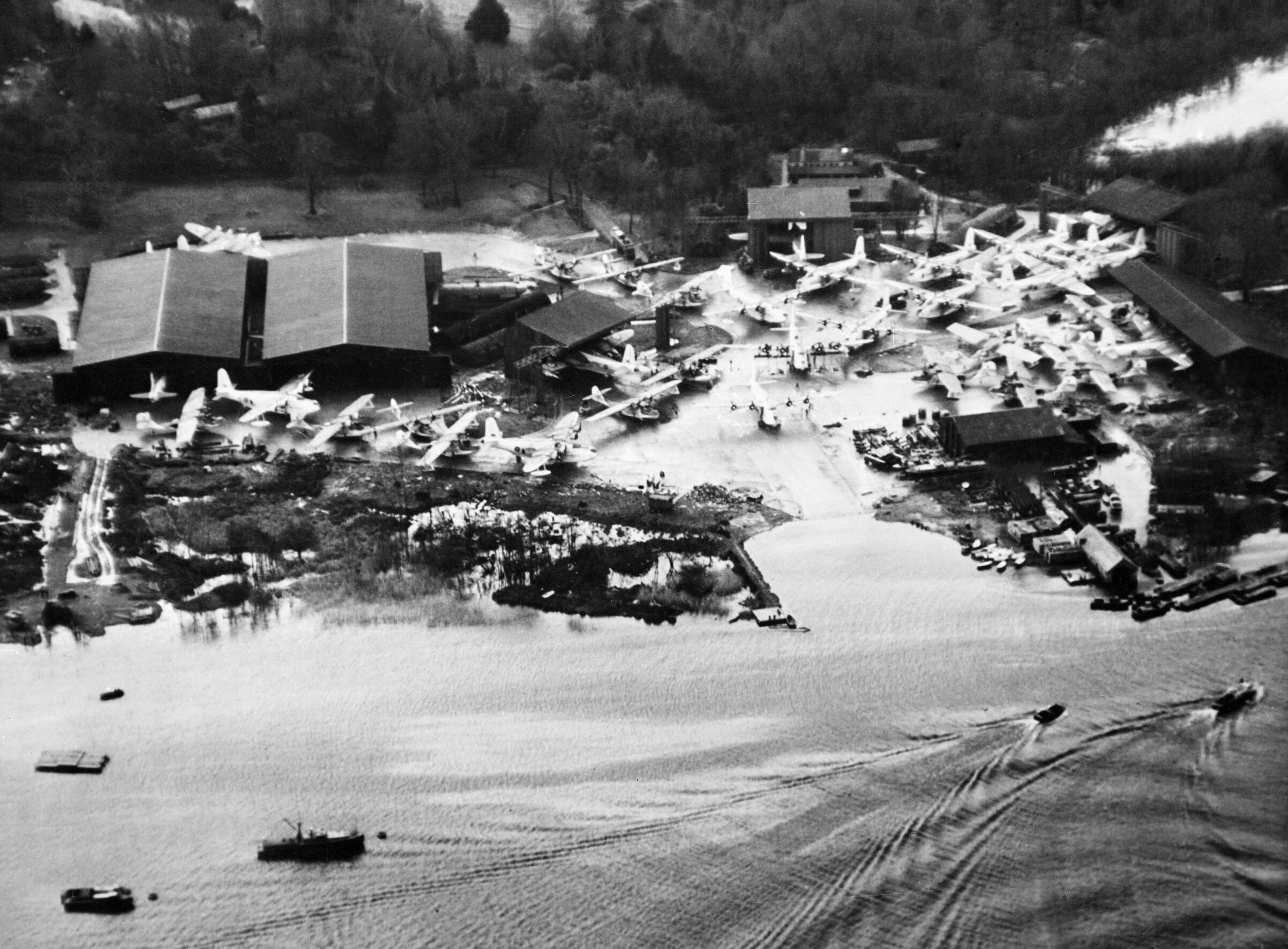
Which flying boats rescued the crew of the Kensington Court in 1939?
They were two RAF Sunderland flying boats: according to uboat.net, an aircraft of Squadron 228 and L5802 of Squadron 204 landed on the water next to the… more…
Military aviation
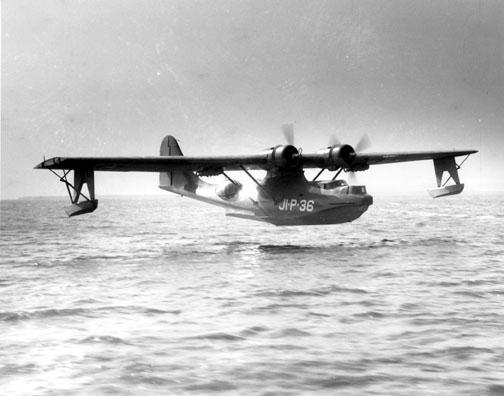
How long did Catalina convoy escort flights to the USSR last?
Many of the Catalina flights protecting convoys to the Soviet Union lasted between 15 and 20 hours and ended at Gryaznaya Bay (Murmansk) or at Arkhangelsk… more…
Military aviation
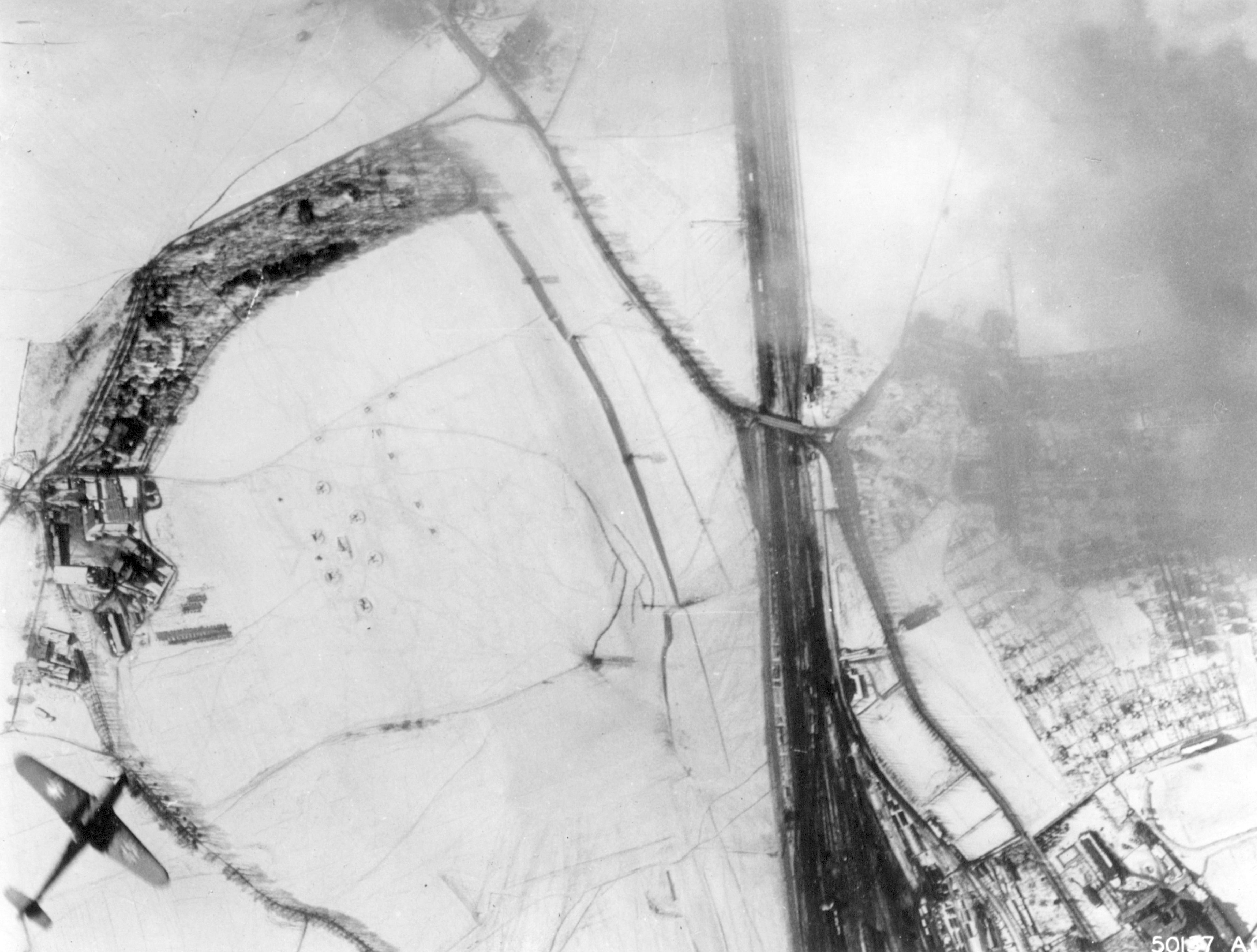
How many aircraft did the Axis lose in Crusader?
Around 332 aircraft destroyed and around 228 abandoned in the operation's tally, which took place between 18 November and 30 December 1941. According to their… more…
Military aviation
How many victories did No. 604 Squadron, the RAF night-fighter squadron, claim?
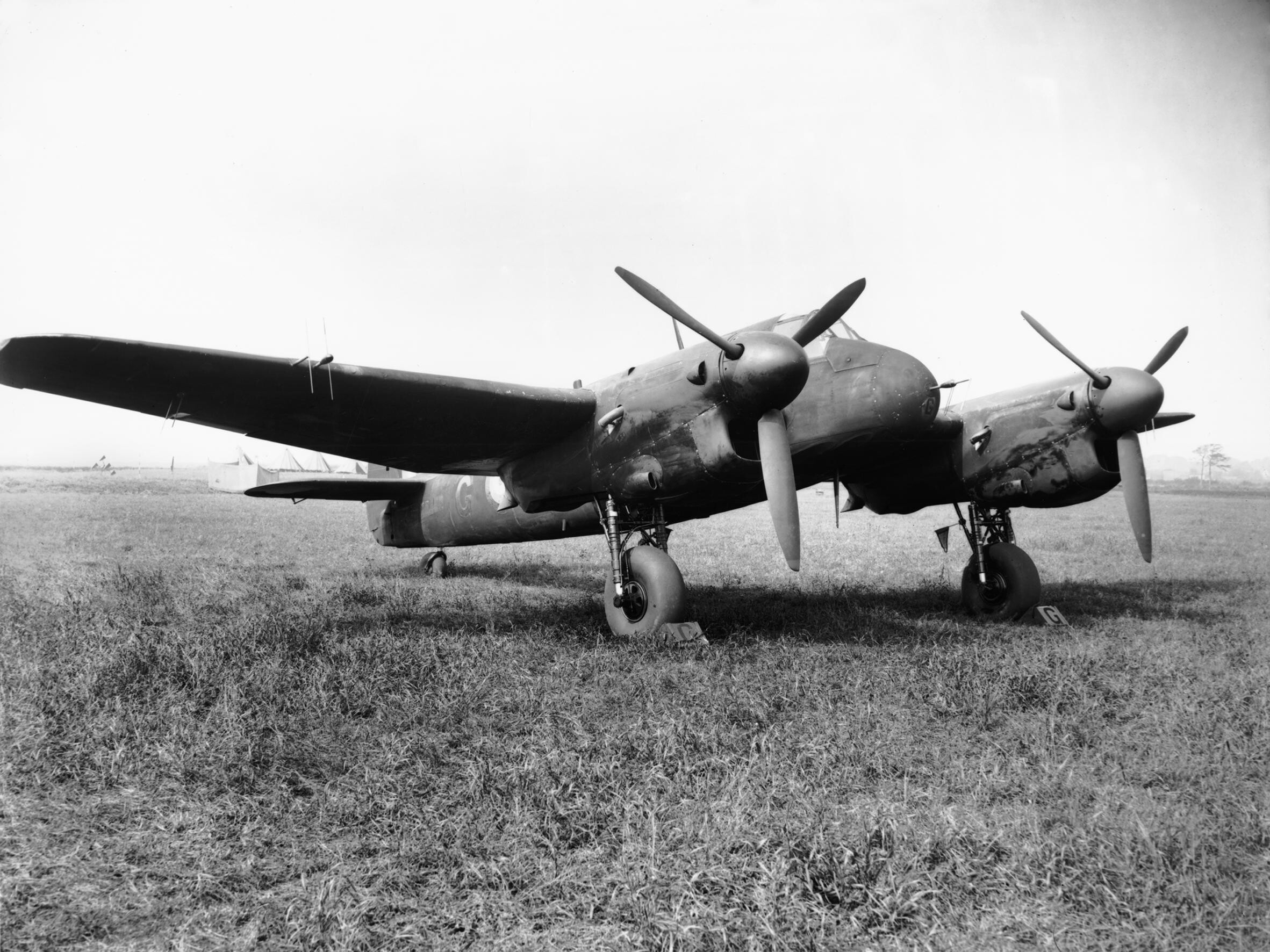
Around 127 aerial victories over the course of the war, 41 of them since May 1944. No. 604 (County of Middlesex) Squadron RAF spent most of the Second World… more…
Military aviation
Why did the "Torch" P-40Fs carry a flag on the fuselage?
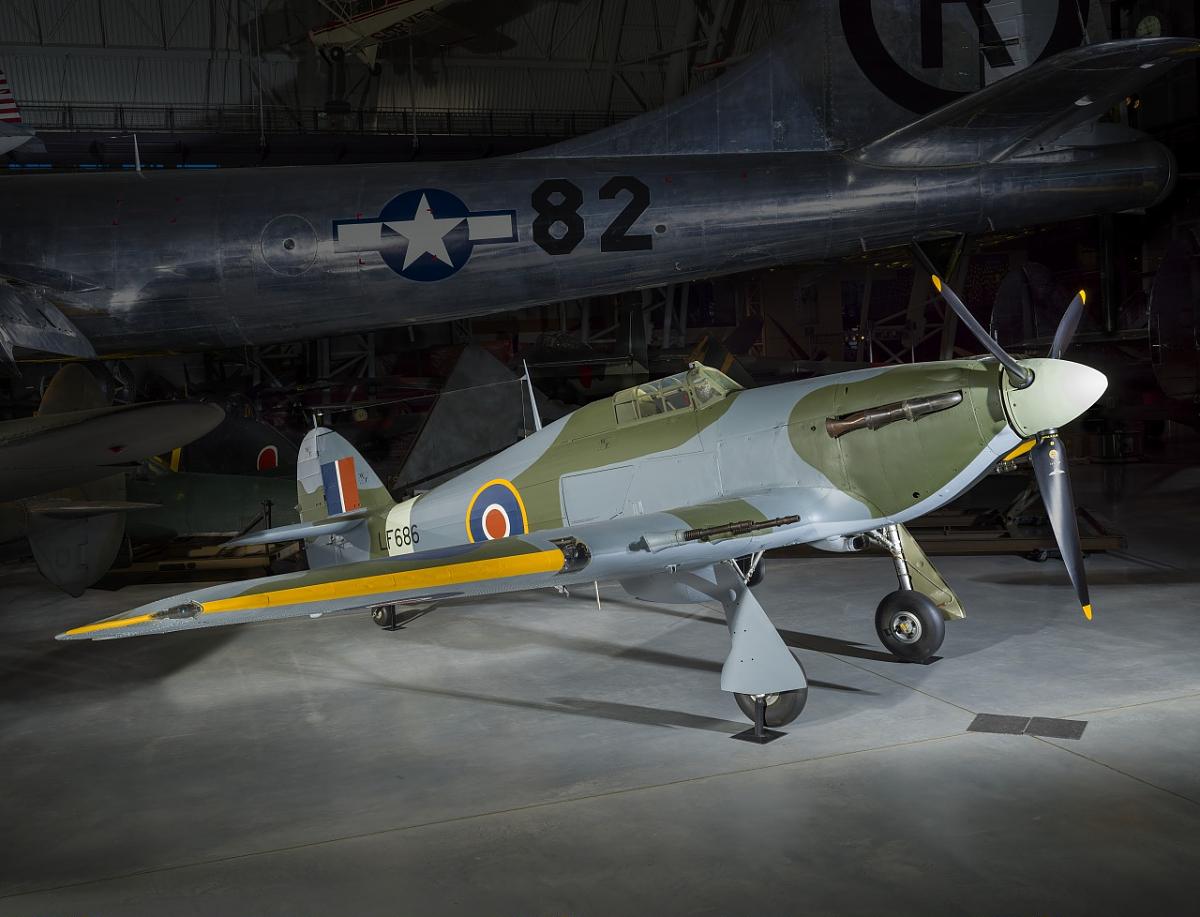
To deter Vichy French forces from shooting them down: aircraft with yellow-outlined roundels sometimes had an American flag added in front of the roundel. The… more…


