Did you know…
What did the Marines change on their Corsairs to operate from land bases?
Short answer
The Corsair's long nose severely restricted visibility, especially with the aircraft on the ground. The changes focused on the cockpit: the seat was raised 7 inches (180 mm), a new canopy was fitted, and the tailwheel strut was lengthened by 6 inches (152.4 mm). This let the pilot see better over the nose.

The problem with the long nose
The F4U's long nose severely restricted visibility, especially with the aircraft on the ground. It also limited forward vision during the critical landing approach: on short final, the end of the runway disappeared entirely from the pilot's field of view.
The changes to the cockpit
The pilot's seat was raised 7 inches (180 mm). That modification was combined with a new canopy and a 6-inch (152.4 mm) lengthening of the tailwheel strut. Together, these changes allowed the pilot to see better over the long nose.
The Corsair at Henderson Field
VMF-124 was formed on September 2, 1942, at Camp Kearney, San Diego, California. It was the first Marine squadron to fly the Vought F4U Corsair during World War II. It was declared fully operational on December 28, 1942, even though its pilots had logged an average of only 25 hours in the aircraft. A dozen of the unit's F4U-1s, under the command of Major William E. Gise, reached Henderson Field — codenamed "Cactus" — on February 12. The squadron landed on Guadalcanal on the morning of February 12, 1943, led by its commander, Major William Gise. It flew its first mission before lunch that same day: twelve F4Us escorted a PBY Catalina on a 230-mile mission to pick up two pilots shot down at Sandfly Bay, Vella Lavella.
More questions
L-Bit (CC BY SA), vía commons Military aviation
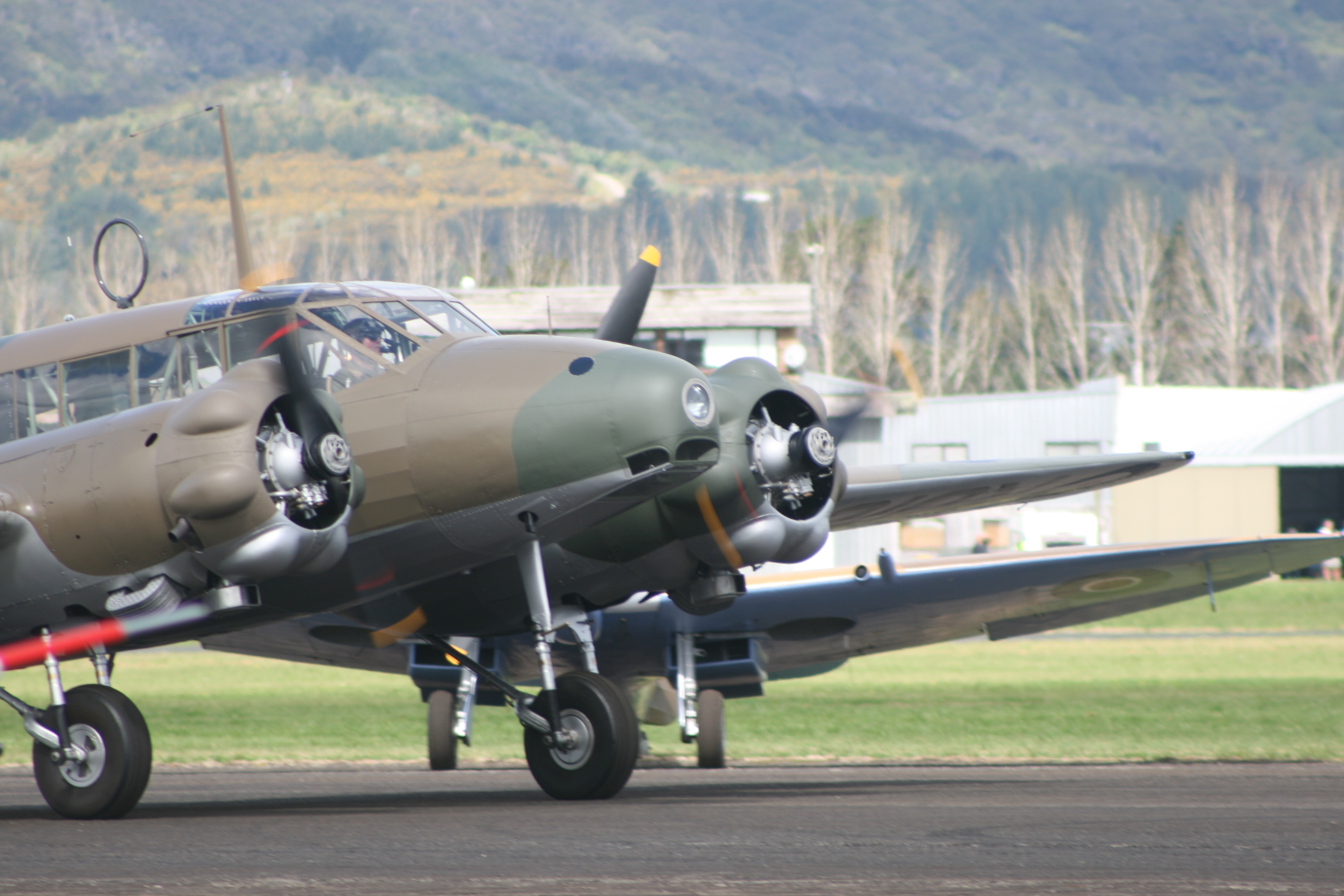
How many Anson Mk I were built?
6,688 or 6,742 Avro Anson Mk I were built, according to different sources; History of War, which gives the second figure, places 3,935 at Woodford and the… more…
Military aviation
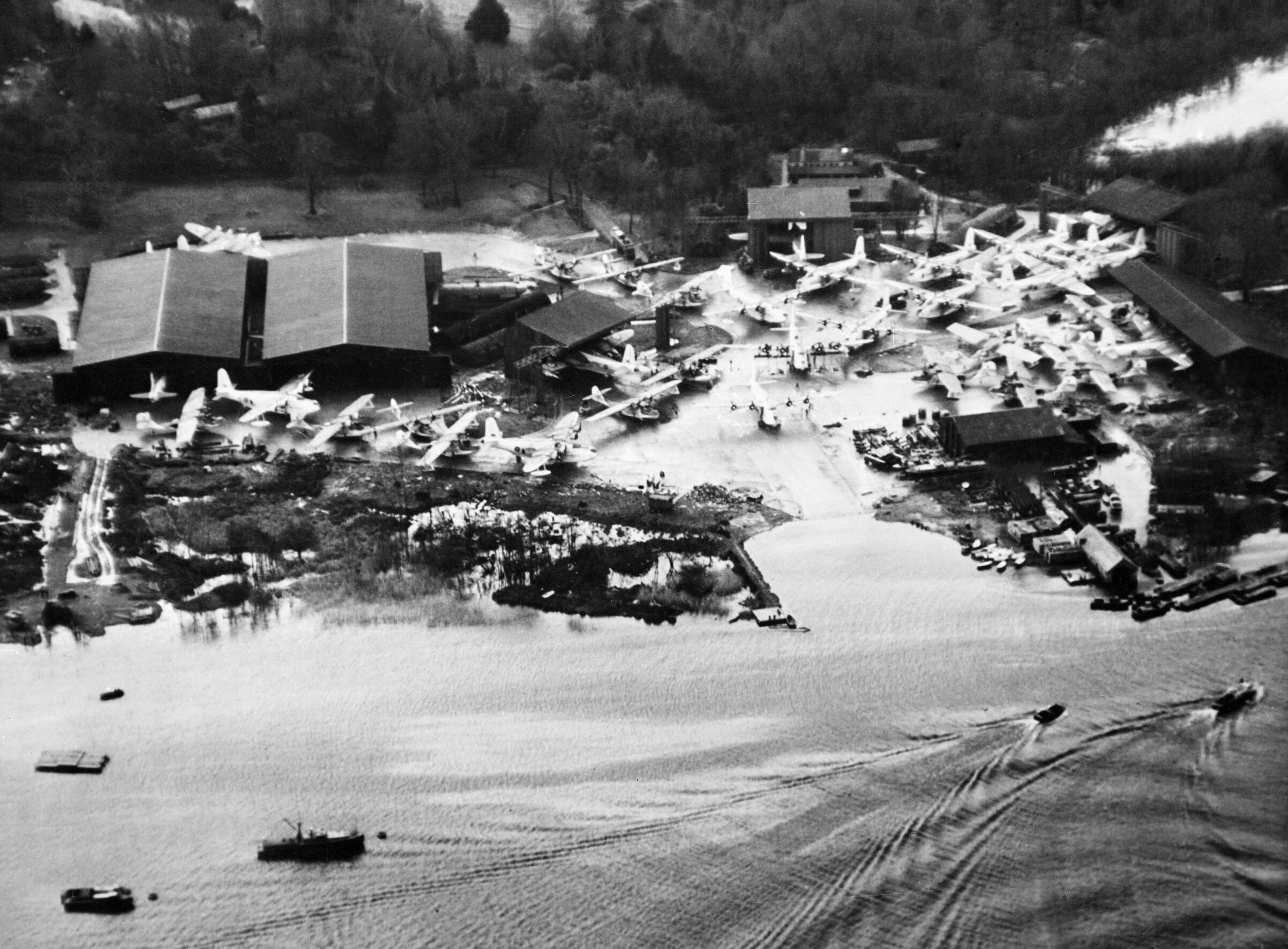
Which flying boats rescued the crew of the Kensington Court in 1939?
They were two RAF Sunderland flying boats: according to uboat.net, an aircraft of Squadron 228 and L5802 of Squadron 204 landed on the water next to the… more…
Military aviation
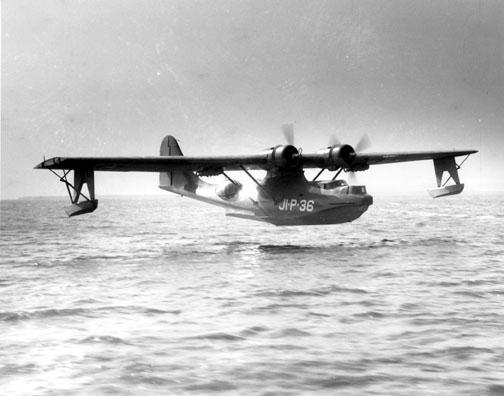
How long did Catalina convoy escort flights to the USSR last?
Many of the Catalina flights protecting convoys to the Soviet Union lasted between 15 and 20 hours and ended at Gryaznaya Bay (Murmansk) or at Arkhangelsk… more…
Military aviation
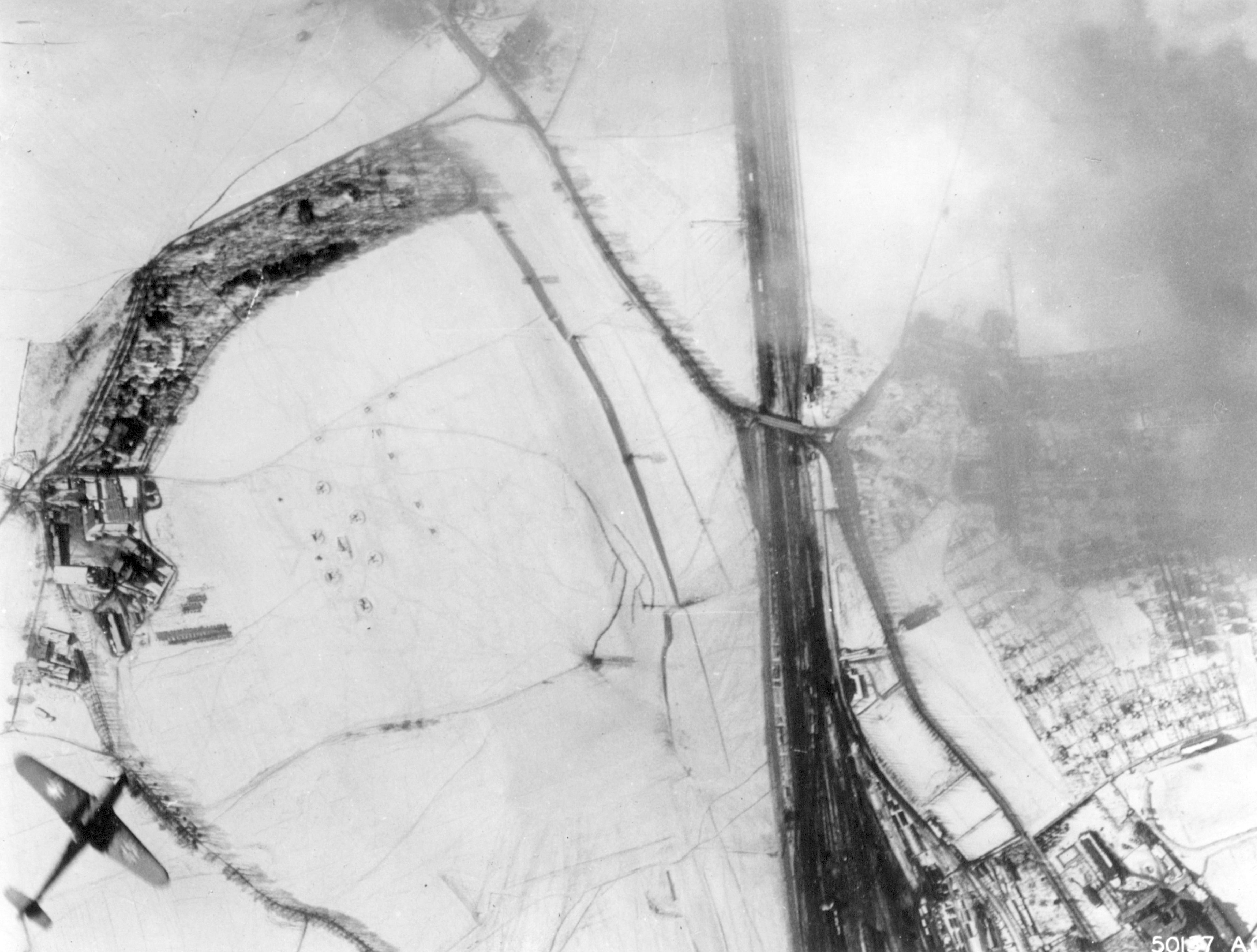
How many aircraft did the Axis lose in Crusader?
Around 332 aircraft destroyed and around 228 abandoned in the operation's tally, which took place between 18 November and 30 December 1941. According to their… more…
Military aviation
How many victories did No. 604 Squadron, the RAF night-fighter squadron, claim?
Around 127 aerial victories over the course of the war, 41 of them since May 1944. No. 604 (County of Middlesex) Squadron RAF spent most of the Second World… more…
Military aviation
Why did the "Torch" P-40Fs carry a flag on the fuselage?
To deter Vichy French forces from shooting them down: aircraft with yellow-outlined roundels sometimes had an American flag added in front of the roundel. The… more…


