Did you know…
What did Specification B.14/46, which gave rise to the V bombers, call for?
Short answer
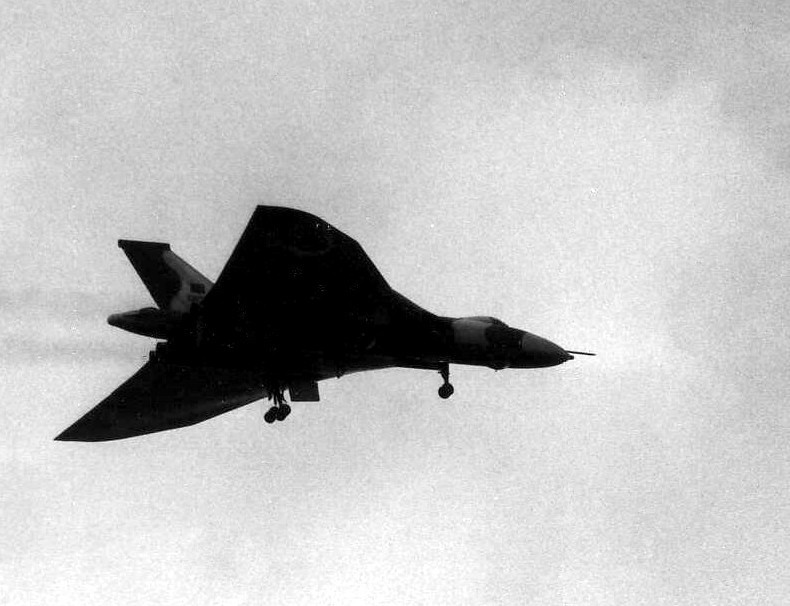
There's a mistake in the premise: the Vulcan did not come from B.14/46, but from Specification B.35/46 of January 1947, which called for carrying a 10,000 lb (4,500 kg) bomb 1,500 nautical miles (2,800 km). The less demanding B.14/46 was for the Short Sperrin, a hedge in case the more radical designs failed.
Specification B.35/46
In January 1947 the British Ministry of Supply circulated Specification B.35/46 to industry, responding to Air Staff Operational Requirement OR.229: a medium-range land-based bomber capable of carrying a 10,000 lb (4,500 kg) bomb to a target 1,500 nautical miles (2,800 km) away from a base that could be located anywhere in the world. It called for a cruising speed of 500 knots (930 km/h) at altitudes between 35,000 and 50,000 ft (11,000 and 15,000 m), and a maximum take-off weight not exceeding 100,000 lb (45,000 kg). As an alternative, the aircraft had to be able to carry 20,000 lb (9,100 kg) of conventional bombs.
Six companies submitted proposals, including Avro, whose Type 698 would eventually become the Vulcan. A parallel requirement, OR.230, called for a long-range bomber with a 2,000 nautical mile radius of action, but that was deemed too demanding.
What B.14/46 was
B.14/46 was a less ambitious specification. As insurance in case the radical designs failed, Short Brothers received a contract for the SA.4 prototype under that specification. The SA.4, later named Sperrin, ultimately proved unnecessary.
And the Valiant
In April 1948 Vickers received authorization to proceed with its Type 660, which did not fully meet the requirements of B.35/46 but had a more conventional design and could be ready sooner. That aircraft entered service as the Valiant. Together with the Vulcan and the Victor, it formed the family known as the V bombers.
The first prototype flew on 30 August 1952, and the RAF received its first Vulcan B.1 in September 1956.
More questions
L-Bit (CC BY SA), vía commons Military aviation
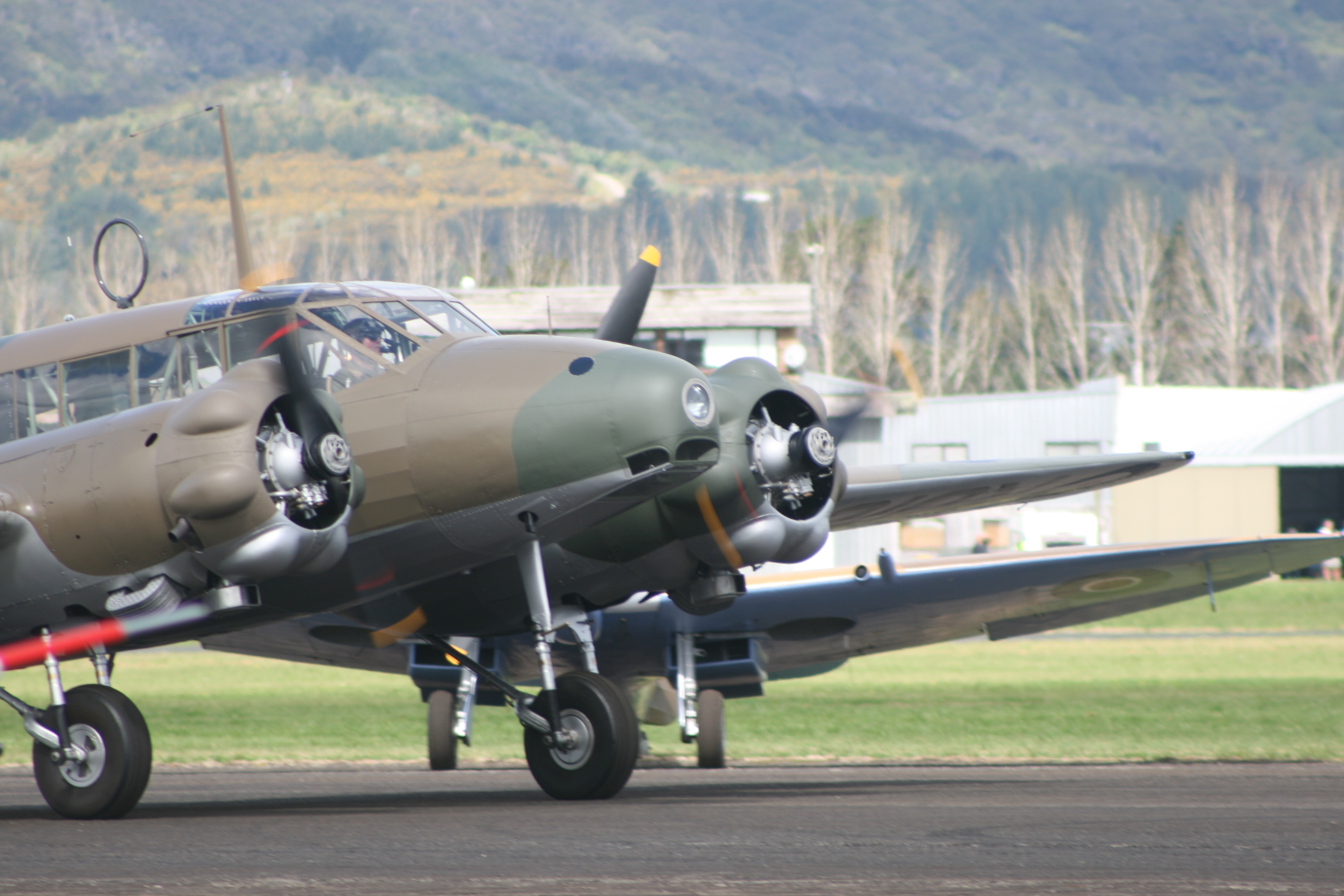
How many Anson Mk I were built?
6,688 or 6,742 Avro Anson Mk I were built, according to different sources; History of War, which gives the second figure, places 3,935 at Woodford and the… more…
Military aviation
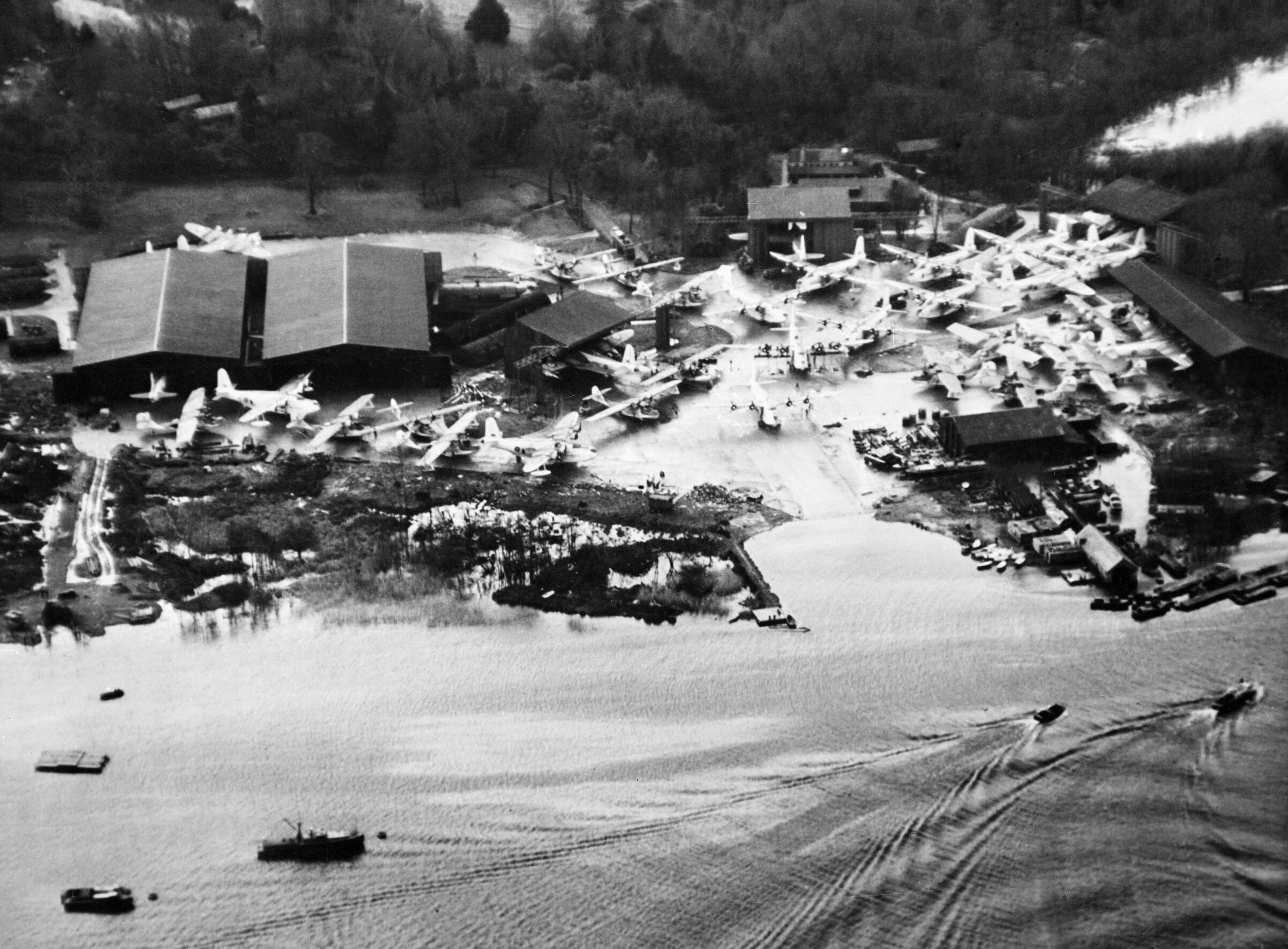
Which flying boats rescued the crew of the Kensington Court in 1939?
They were two RAF Sunderland flying boats: according to uboat.net, an aircraft of Squadron 228 and L5802 of Squadron 204 landed on the water next to the… more…
Military aviation
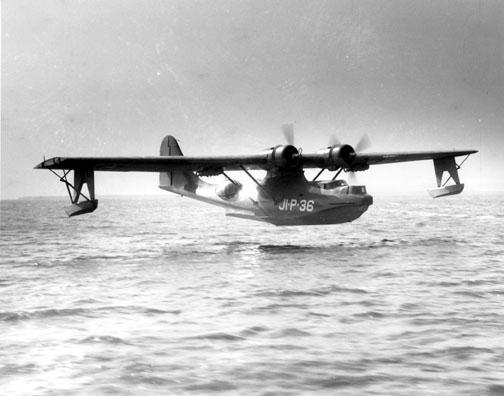
How long did Catalina convoy escort flights to the USSR last?
Many of the Catalina flights protecting convoys to the Soviet Union lasted between 15 and 20 hours and ended at Gryaznaya Bay (Murmansk) or at Arkhangelsk… more…
Military aviation
How many aircraft did the Axis lose in Crusader?
Around 332 aircraft destroyed and around 228 abandoned in the operation's tally, which took place between 18 November and 30 December 1941. According to their… more…
Military aviation
How many victories did No. 604 Squadron, the RAF night-fighter squadron, claim?
Around 127 aerial victories over the course of the war, 41 of them since May 1944. No. 604 (County of Middlesex) Squadron RAF spent most of the Second World… more…
Military aviation
Why did the "Torch" P-40Fs carry a flag on the fuselage?
To deter Vichy French forces from shooting them down: aircraft with yellow-outlined roundels sometimes had an American flag added in front of the roundel. The… more…


