Did you know…
What did Birkigt invent for the SPAD S.VII besides the engine?
Short answer
A synchronisation gear: when the SPAD S.VII entered service in September 1916, it was armed with a single Vickers synchronised by a new mechanism Birkigt provided for his engine. It appears in the patent "Mechanism for synchronizing machine-gun fire", dated 31 May 1917.

A gear for firing between the blades
The SPAD S.VII was designed around Marc Birkigt's Hispano-Suiza engine, and when the new fighter entered service in September 1916, it arrived armed with a single Vickers machine gun synchronised by a new gear that Birkigt provided for use with that engine. The weapon, a .303 (7.7 mm) Vickers, was mounted above the engine, synchronised to fire through the arc of the propeller.
How it worked
The firing impulses were transmitted to the weapon by torsion, by means of an oscillating shaft that rotated a quarter turn, alternately in one direction and the other. That solution was mechanically more efficient than the back-and-forth motion of a push rod and allowed higher speeds. The mechanism was recorded in a patent in Marc Birkigt's name titled "Mechanism for synchronizing machine-gun fire", dated 31 May 1917. Its text refers to mechanisms for synchronising, by the action of an engine, the firing of machine guns mounted on an aeroplane or similar, in particular those automatically operated by the recoil of the gun.
The engine and its pilots
The Hispano-Suiza 8a of 150 hp, a 90° V8, introduced the innovative concept of light-alloy cylinder blocks. That engine powered the SPAD S.VII of the Stork squadron ace Georges Guynemer. The first aircraft delivered to a front-line unit was the S.112, flown by Lieutenant Sauvage of N.65, followed by the S.113, assigned to Guynemer of N.3. Francesco Baracca, Italy's leading ace, was delighted with the new model, and his personal aircraft is preserved in Italy.
More questions
L-Bit (CC BY SA), vía commons Military aviation
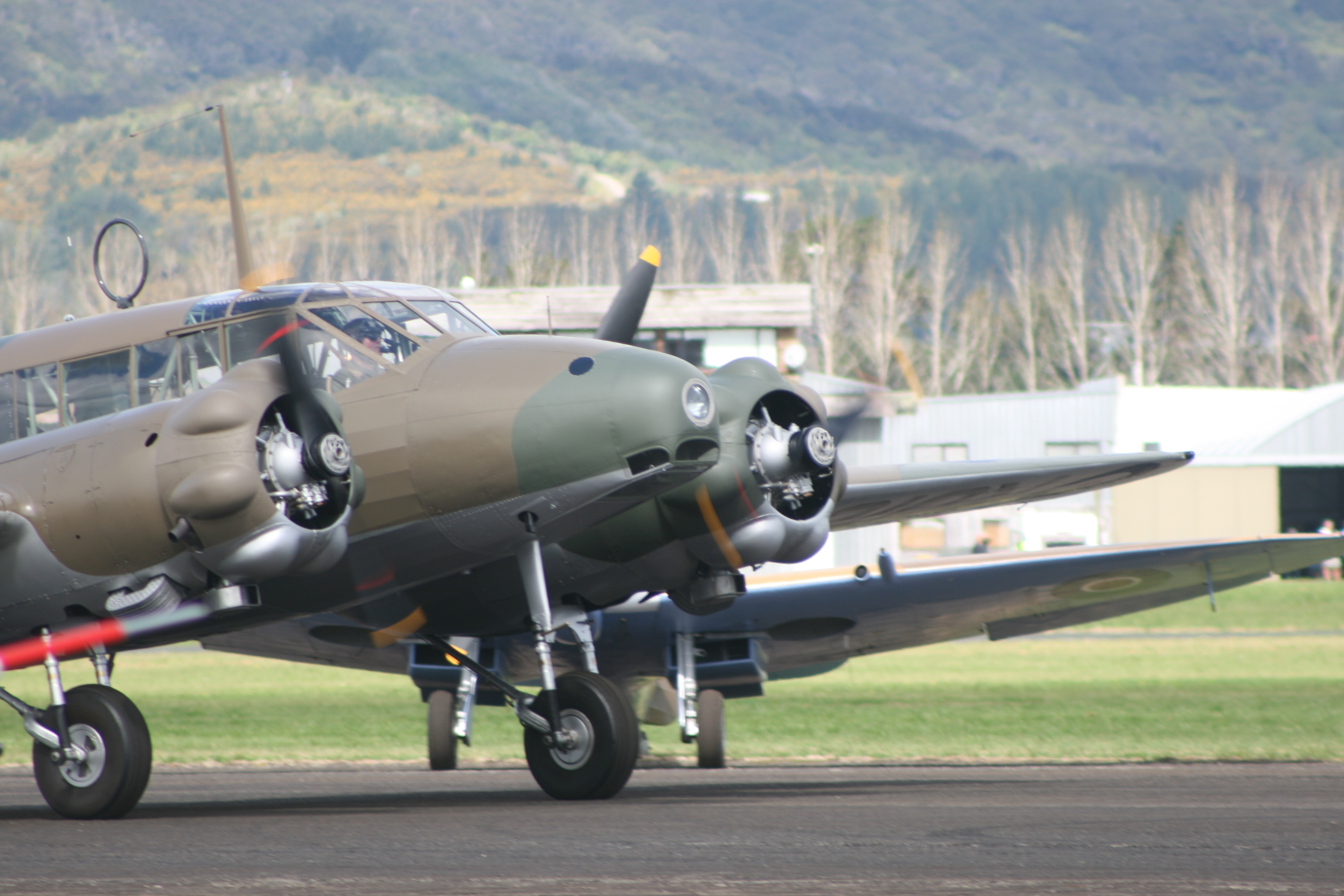
How many Anson Mk I were built?
6,688 or 6,742 Avro Anson Mk I were built, according to different sources; History of War, which gives the second figure, places 3,935 at Woodford and the… more…
Military aviation
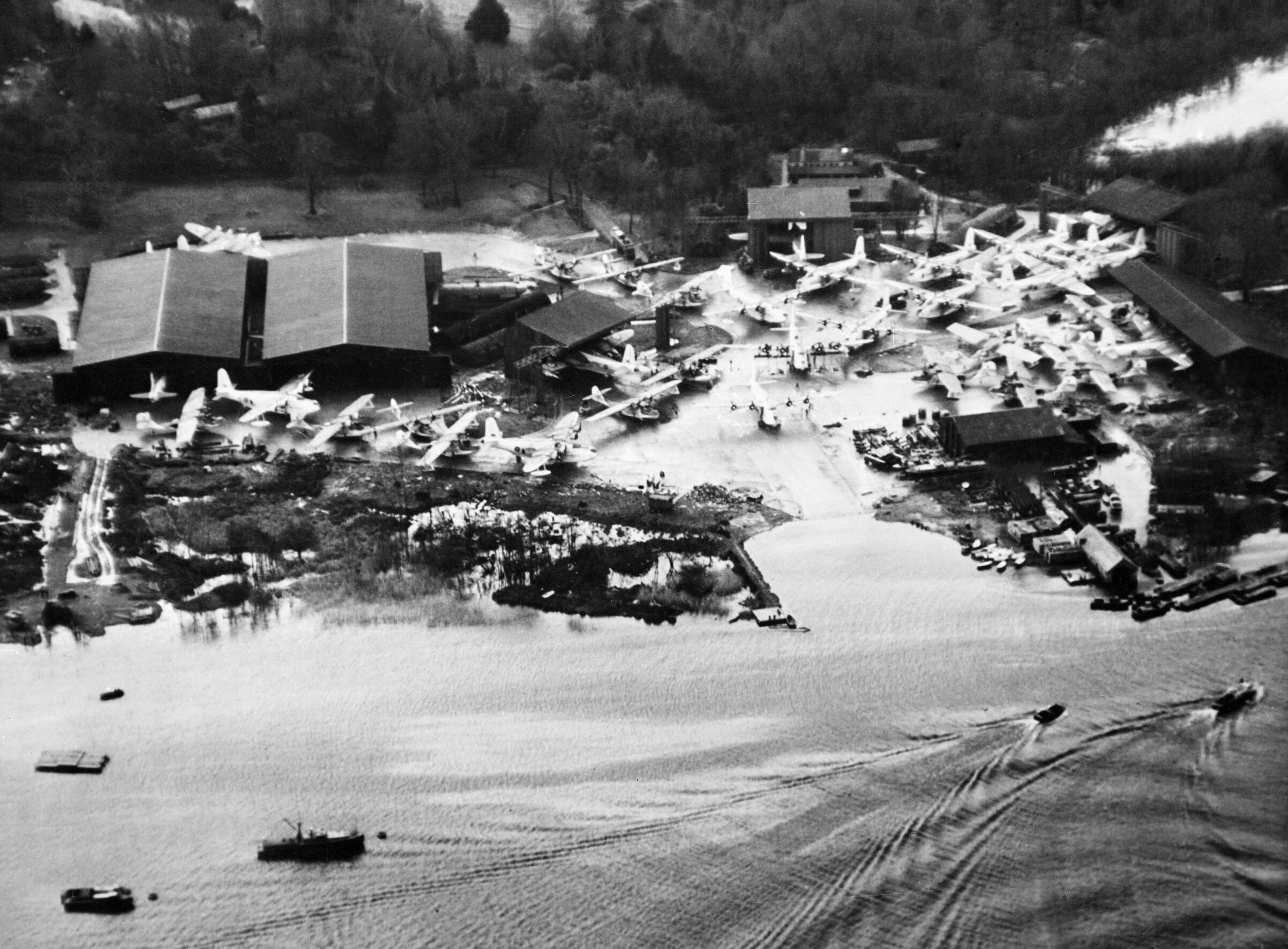
Which flying boats rescued the crew of the Kensington Court in 1939?
They were two RAF Sunderland flying boats: according to uboat.net, an aircraft of Squadron 228 and L5802 of Squadron 204 landed on the water next to the… more…
Military aviation
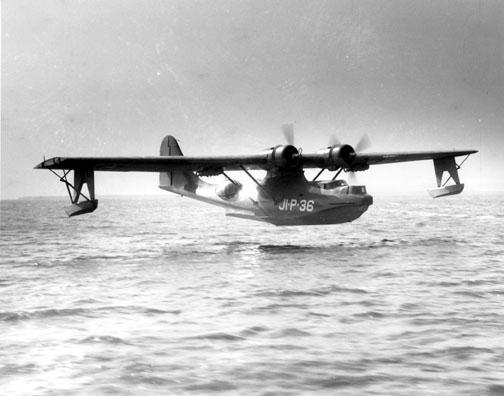
How long did Catalina convoy escort flights to the USSR last?
Many of the Catalina flights protecting convoys to the Soviet Union lasted between 15 and 20 hours and ended at Gryaznaya Bay (Murmansk) or at Arkhangelsk… more…
Military aviation
How many aircraft did the Axis lose in Crusader?
Around 332 aircraft destroyed and around 228 abandoned in the operation's tally, which took place between 18 November and 30 December 1941. According to their… more…
Military aviation
How many victories did No. 604 Squadron, the RAF night-fighter squadron, claim?
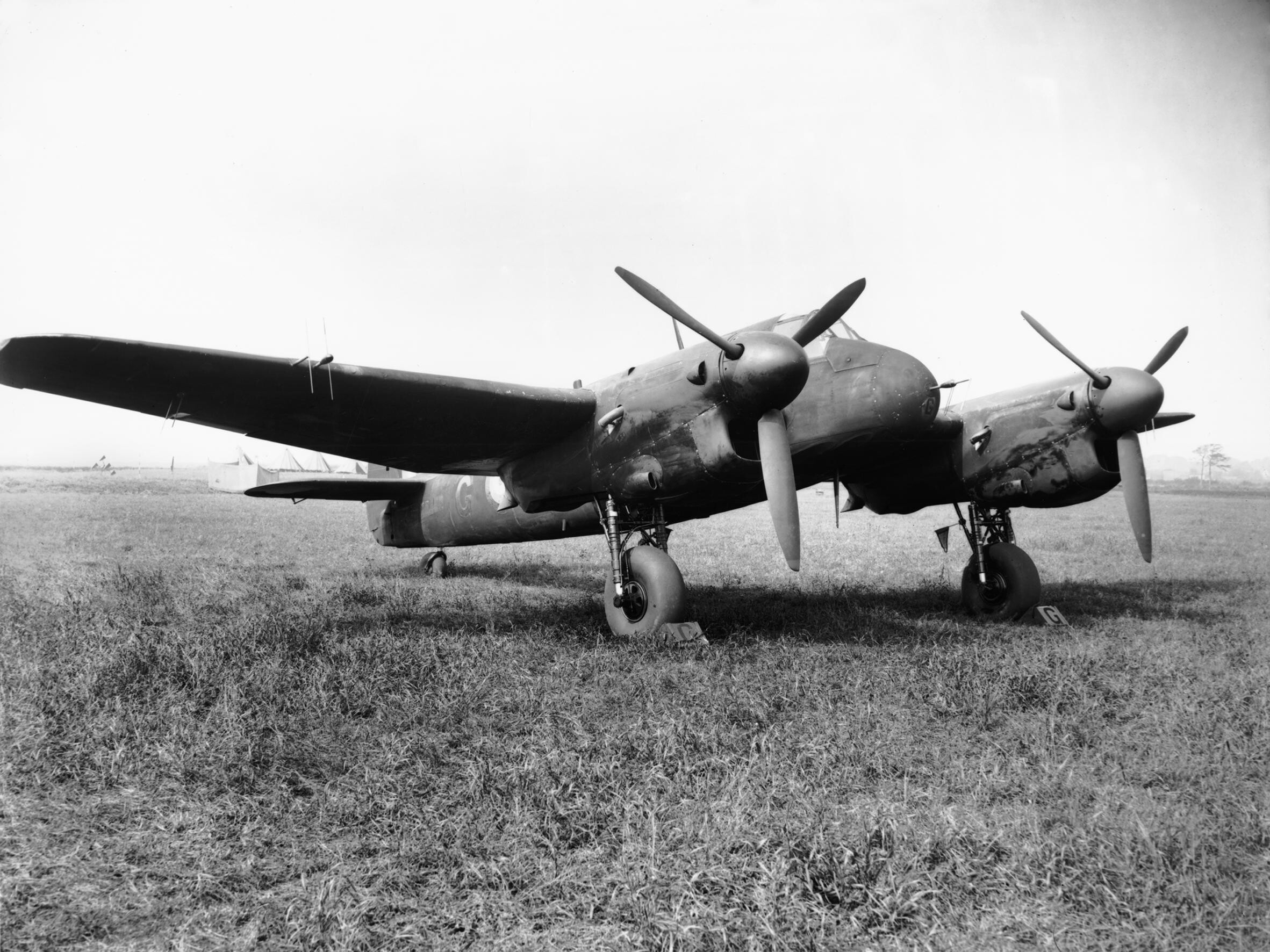
Around 127 aerial victories over the course of the war, 41 of them since May 1944. No. 604 (County of Middlesex) Squadron RAF spent most of the Second World… more…
Military aviation
Why did the "Torch" P-40Fs carry a flag on the fuselage?
To deter Vichy French forces from shooting them down: aircraft with yellow-outlined roundels sometimes had an American flag added in front of the roundel. The… more…


