Did you know…
What is the waning moon?
Short answer
A waning moon is one that shows less lit surface each night: the stretch of the cycle running from full moon to new moon. In the eight-phase sequence NASA uses, it covers three stages: waning gibbous, last quarter and waning crescent. The full cycle, from new moon to new moon, lasts 29.5 days.

Waning means losing light, not changing shape
The Moon doesn't emit its own light: the Sun always illuminates exactly half of its surface, and what changes over the course of the month is how much of that lit half faces Earth. As the orbit brings the daylit face closer to our point of view, the bright area grows and we call it a waxing moon. When the Moon begins turning back toward the Sun's direction, that bright area seems to shrink: that's the waning phase. Nothing actually darkens on the satellite; only our perspective changes.
Three phases with their own names
NASA divides the cycle into eight phases: new moon, waxing crescent, first quarter, waxing gibbous, full moon, waning gibbous, last quarter and waning crescent. The last three are the waning ones. In waning gibbous, more than half the disk is lit, but already less than at full moon; at last quarter exactly half is visible; in waning crescent only a sliver of light remains, growing thinner until it disappears at new moon. The full cycle, from new moon to new moon, lasts 29.5 days, while the Moon takes 27.3 days to orbit Earth once.
How to tell it apart with the naked eye
Two practical clues. The first is timing: the waning Moon rises later and later each night and is mostly visible in the second half of the night and early morning, while the waxing Moon dominates the evening sky. The second is the orientation of the lit arc, which in the northern hemisphere points one way during waxing and the other during waning, and which reverses if observed from the southern hemisphere. That reversal is why mnemonic rules learned in Spain don't work in Chile.
More questions
Moon and Mars
How does neil armstrong look like?
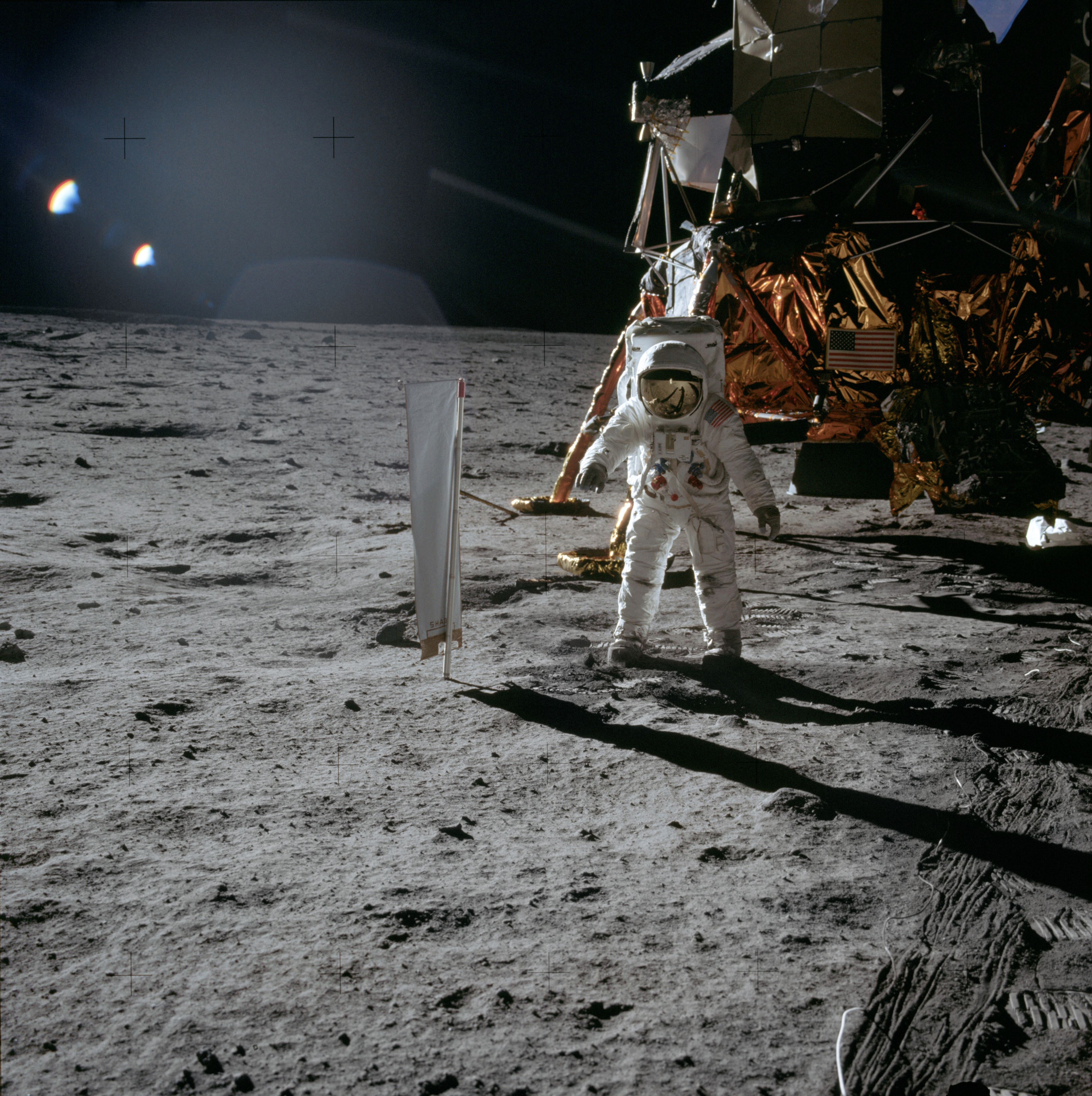
The face most people picture is not his: the gold-visored astronaut in the famous Apollo 11 photograph is Buzz Aldrin, shot by Armstrong. Armstrong himself is… more…

Richard Dorrell (CC BY SA), vía commons Moon and Mars
How does the moon affect the tides?
By pulling unevenly on it. Tidal forces vary inversely as the cube of the distance, so the near side of the Earth is tugged harder than the far side: one… more…
Moon and Mars
Why does neil armstrong have a hollywood star?
Strictly he does not have a star. Armstrong, Aldrin and Collins share four circular monuments resembling the Moon, one at each corner of Hollywood and Vine… more…
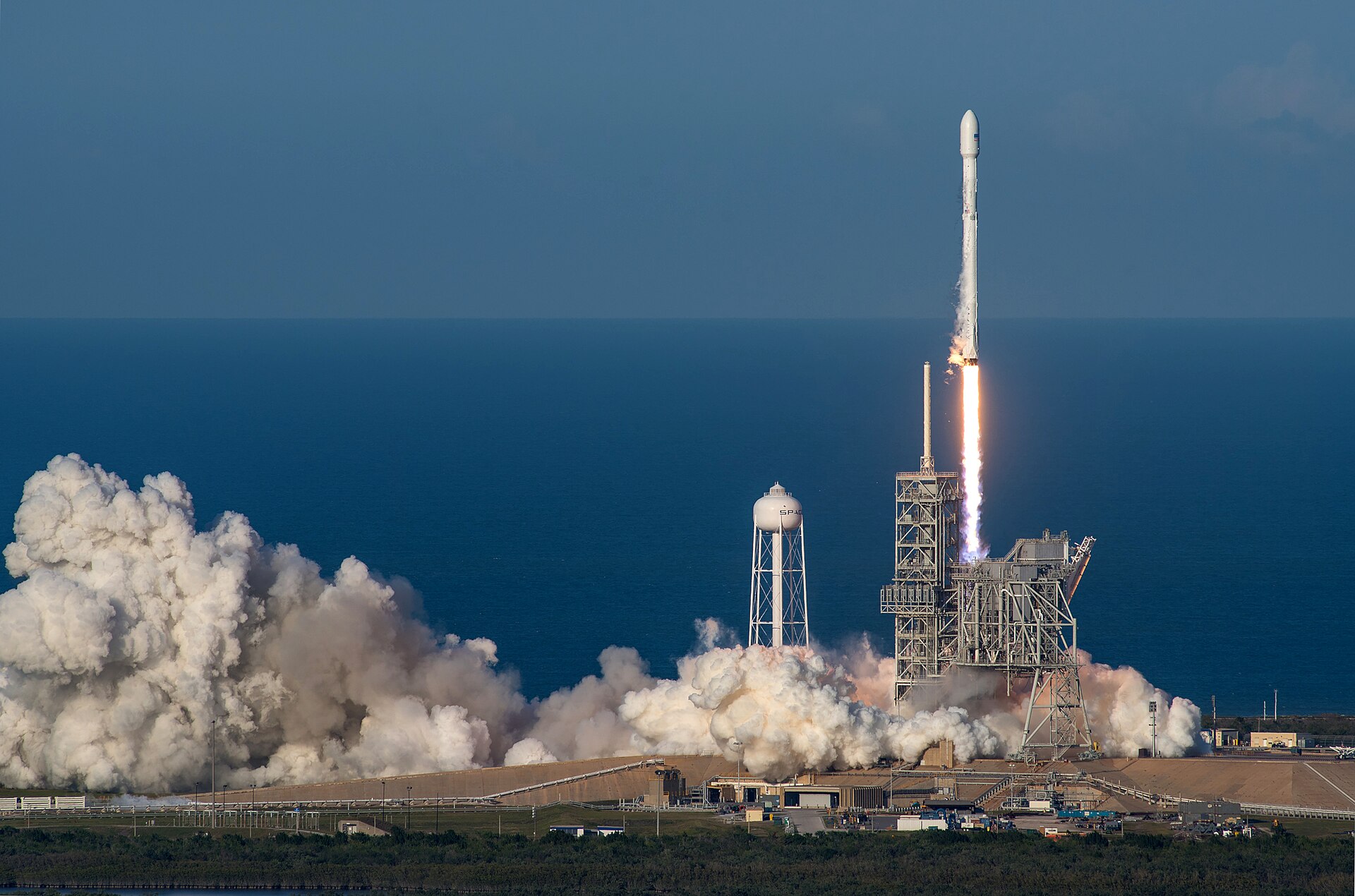
Foto: SpaceX (CC0) Moon and Mars
Why did falcon 9 hit the moon?
Because a spent upper stage on a lunar trajectory has no mission and no way to steer. A Falcon 9 upper stage from the January 2025 Firefly Blue Ghost 1 launch… more…
Moon and Mars
How much apollo 11 cost?
NASA never published a price for Apollo 11 on its own; what is documented is the program. The United States spent $25.8 billion on Project Apollo between 1960… more…
Moon and Mars
How much time neil armstrong spent on moon?
Armstrong and Aldrin spent 21 hours, 36 minutes on the Moon's surface, almost all of it inside the lunar module Eagle. Armstrong stepped onto the surface… more…

