Did you know…
Why did many veteran pilots prefer the Corsair's six machine guns over cannons?
Short answer
Because of ammunition and rate of fire. Aviators preferred the six .50 in (12.7 mm) machine guns because they offered more advantages than cannons in ammunition supply and rate of fire, though cannons proved effective in ground attack. Each cannon could only carry 200 rounds of 20 mm ammunition, versus 400 rounds per machine gun.

The F4U-1C, the cannon version
The prototype F4U-1C, BuNo 50277, appeared in August 1943 and was based on an F4U-1. Intended for both ground attack and fighter missions, it was similar to the F4U-1D, but its six machine guns were replaced with four 20 millimeter cannons. 200 examples of this variant were built between July and November 1944, all based on the F4U-1D. The version entered combat in 1945, notably during the Okinawa campaign.
Ammunition and rate of fire
Aviators preferred the standard armament of six .50 in (12.7 mm) machine guns because it offered greater advantages than cannons in ammunition supply and rate of fire, although the cannons proved effective in ground attack. Only 200 rounds of 20 mm ammunition could be carried per cannon, compared to 400 rounds per machine gun. Only 200 F4U-1Cs were purchased and the F4U-4 kept the six-.50 configuration, mainly due to persistent reliability problems with the original Hispano-Suiza cannon.
The case for the cannon
Commander J. P. Monroe stated that a 20 mm cannon was equivalent to three .50 machine guns in firing effectiveness. At 500 yards, the 20 mm could penetrate 0.75 inches of armor, while the .50 only reached 0.43. By that same reasoning, the 20 mm was lethal enough to get much more out of those 200 rounds than the .50 did from its 400.
More questions
L-Bit (CC BY SA), vía commons Military aviation
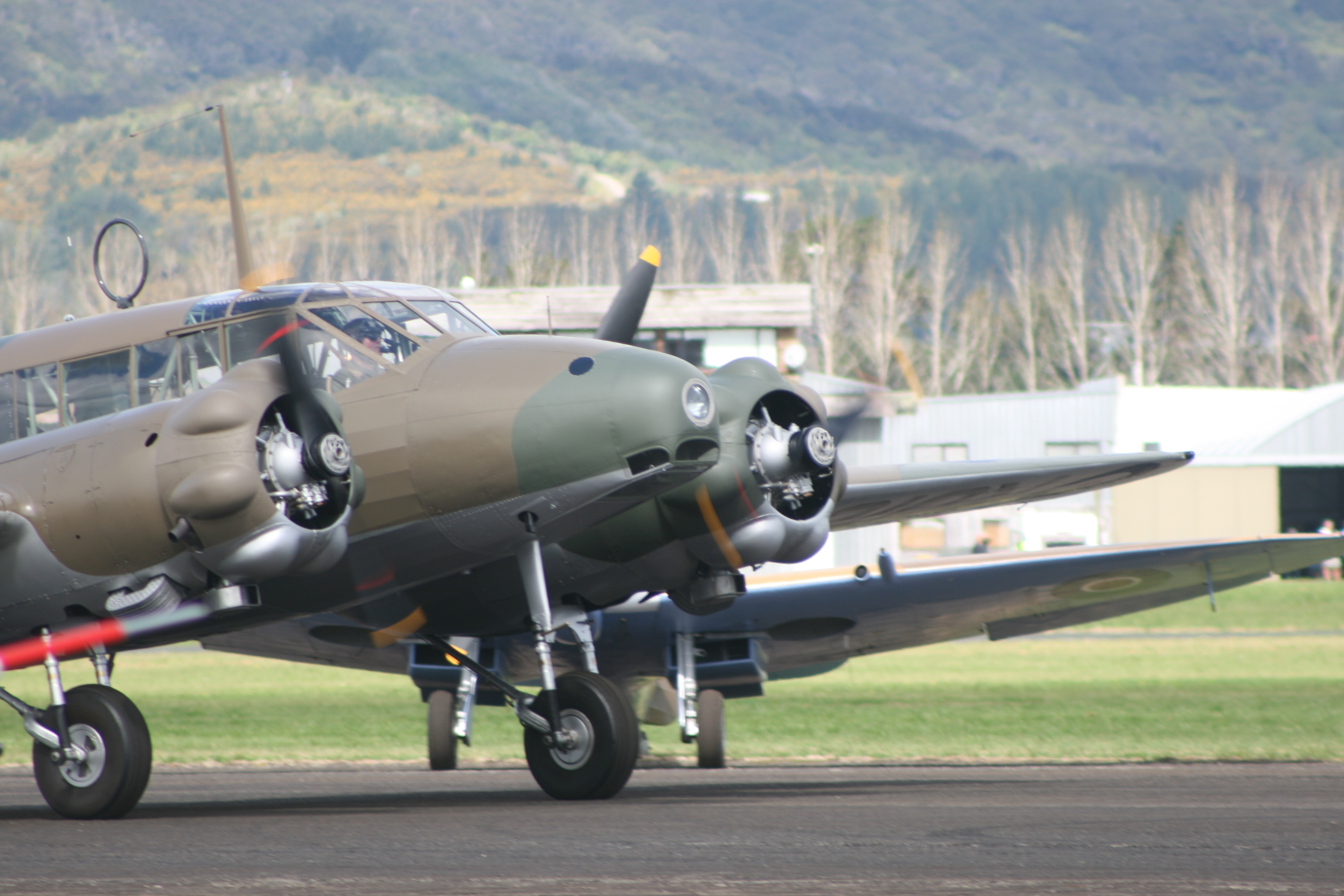
How many Anson Mk I were built?
6,688 or 6,742 Avro Anson Mk I were built, according to different sources; History of War, which gives the second figure, places 3,935 at Woodford and the… more…
Military aviation
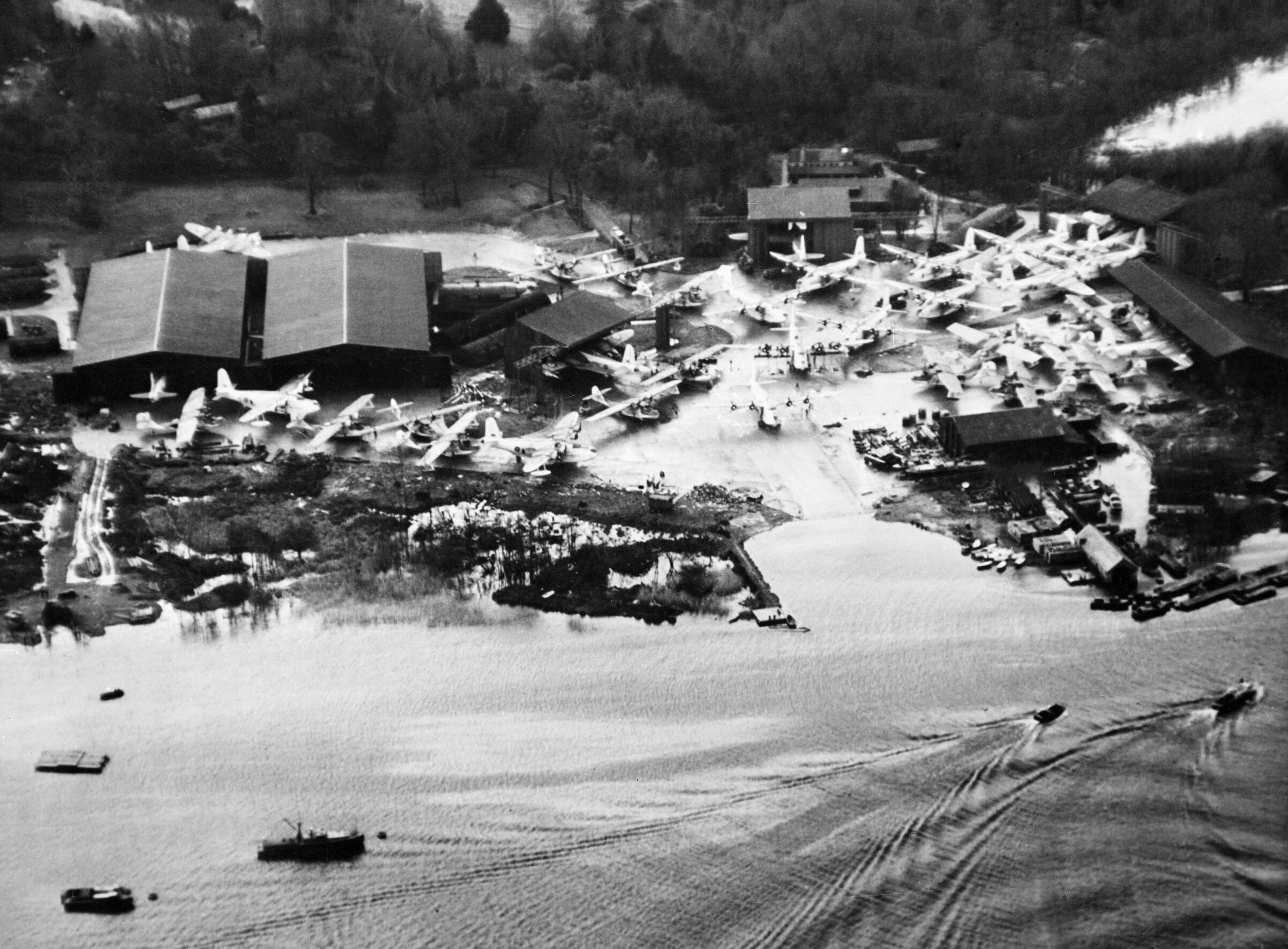
Which flying boats rescued the crew of the Kensington Court in 1939?
They were two RAF Sunderland flying boats: according to uboat.net, an aircraft of Squadron 228 and L5802 of Squadron 204 landed on the water next to the… more…
Military aviation
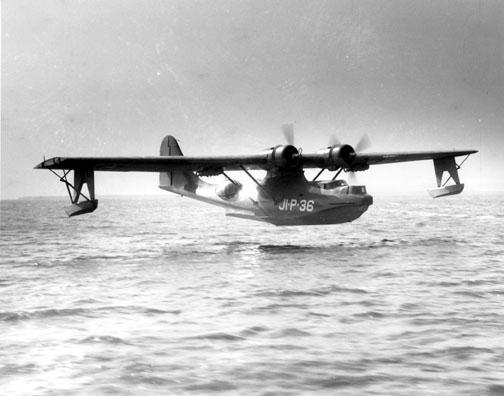
How long did Catalina convoy escort flights to the USSR last?
Many of the Catalina flights protecting convoys to the Soviet Union lasted between 15 and 20 hours and ended at Gryaznaya Bay (Murmansk) or at Arkhangelsk… more…
Military aviation
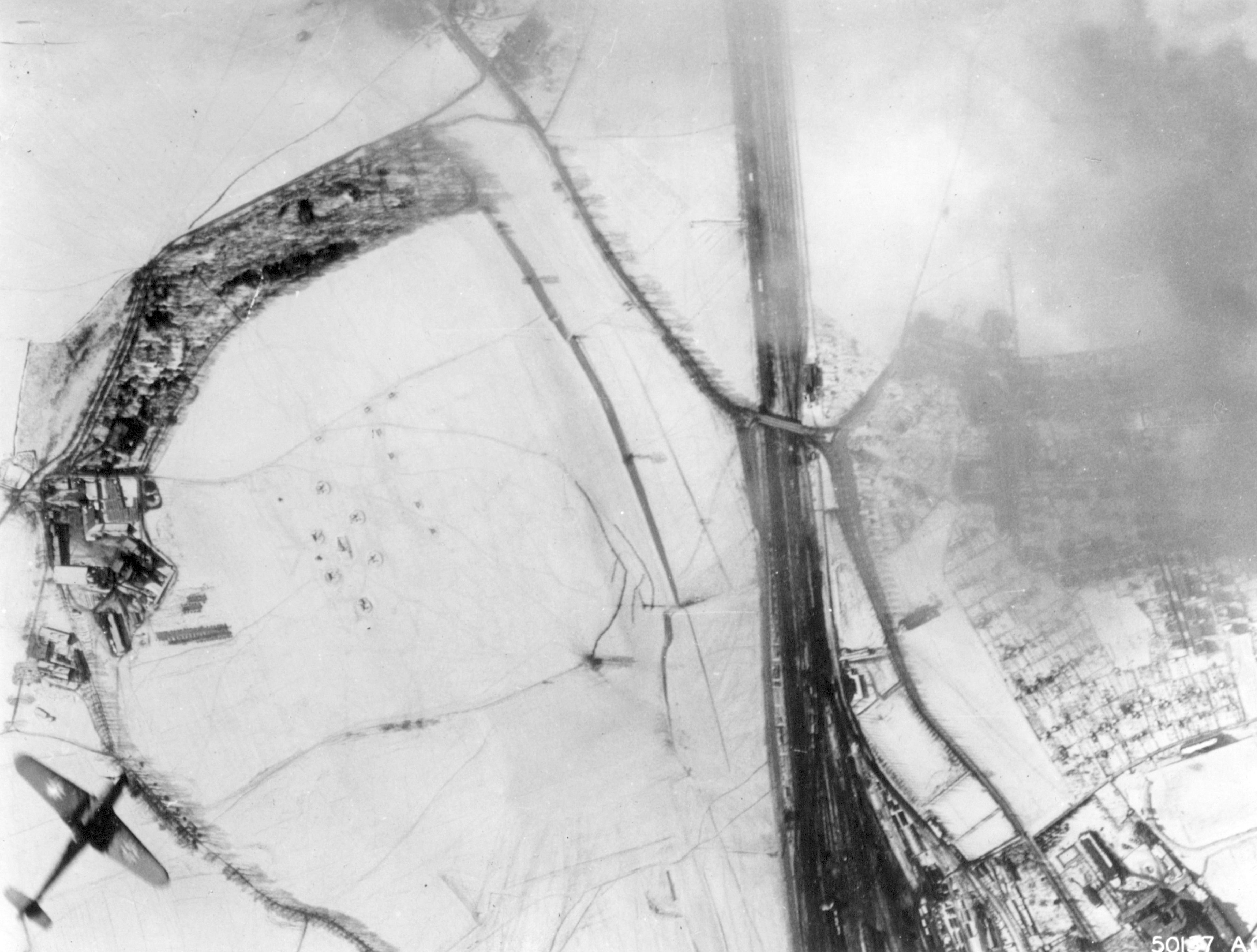
How many aircraft did the Axis lose in Crusader?
Around 332 aircraft destroyed and around 228 abandoned in the operation's tally, which took place between 18 November and 30 December 1941. According to their… more…
Military aviation
How many victories did No. 604 Squadron, the RAF night-fighter squadron, claim?
Around 127 aerial victories over the course of the war, 41 of them since May 1944. No. 604 (County of Middlesex) Squadron RAF spent most of the Second World… more…
Military aviation
Why did the "Torch" P-40Fs carry a flag on the fuselage?
To deter Vichy French forces from shooting them down: aircraft with yellow-outlined roundels sometimes had an American flag added in front of the roundel. The… more…


