Did you know…
Was the C-69 Constellation transport faster than a Zero fighter?
Short answer
Yes. The C-69, the Constellation's military transport version, reached a top speed higher than that of the Japanese fighter Mitsubishi A6M Zero: over 600 km/h, with a cruising speed of 550 km/h and a service ceiling of 24,000 feet (7,300 m). The remarkable part is that this was a four-engine aircraft designed to carry passengers.

A Requisitioned Airliner
The Constellation was born as a long-range commercial aircraft ordered by TWA and Pan American, but after the attack on Pearl Harbor the US government took over Lockheed's production lines. The L-049 model was renamed C-69 and assigned to transporting personnel and materiel for the Army Air Forces. The prototype, painted olive green and gray but carrying the civilian registration NX25600, left the workshop in December 1942 and flew for the first time on January 9, 1943.
Faster Than the Zero
Sources agree that the C-69 could reach a top speed higher than that of the Mitsubishi A6M Zero, the carrier-based fighter that symbolized Japanese aviation in the Pacific. The Spanish-language encyclopedia gives the exact figures: a top speed of over 600 km/h, a cruising speed of 550 km/h (340 miles per hour, as it was measured at the time), and a service ceiling of 24,000 feet, about 7,300 m. For a four-engine passenger aircraft with a pressurized cabin, this was an exceptional performance, the result of a wing very similar to that of the P-38 Lightning fighter, though on a larger scale, and of the Wright R-3350 Duplex-Cyclone engines.
Speed Is Not Combat
The comparison does not mean the C-69 could be a match for a fighter: the Zero was far more agile and was armed, while Lockheed's transport carried no weapons. What the figure shows is just how far ahead of its time the Constellation's design was. Its engines, moreover, caused plenty of problems: after the crash of an XB-29 that also used the R-3350, every aircraft with that engine was grounded until the investigation concluded. By the end of the war only 22 C-69s had been built.
More questions
L-Bit (CC BY SA), vía commons Military aviation
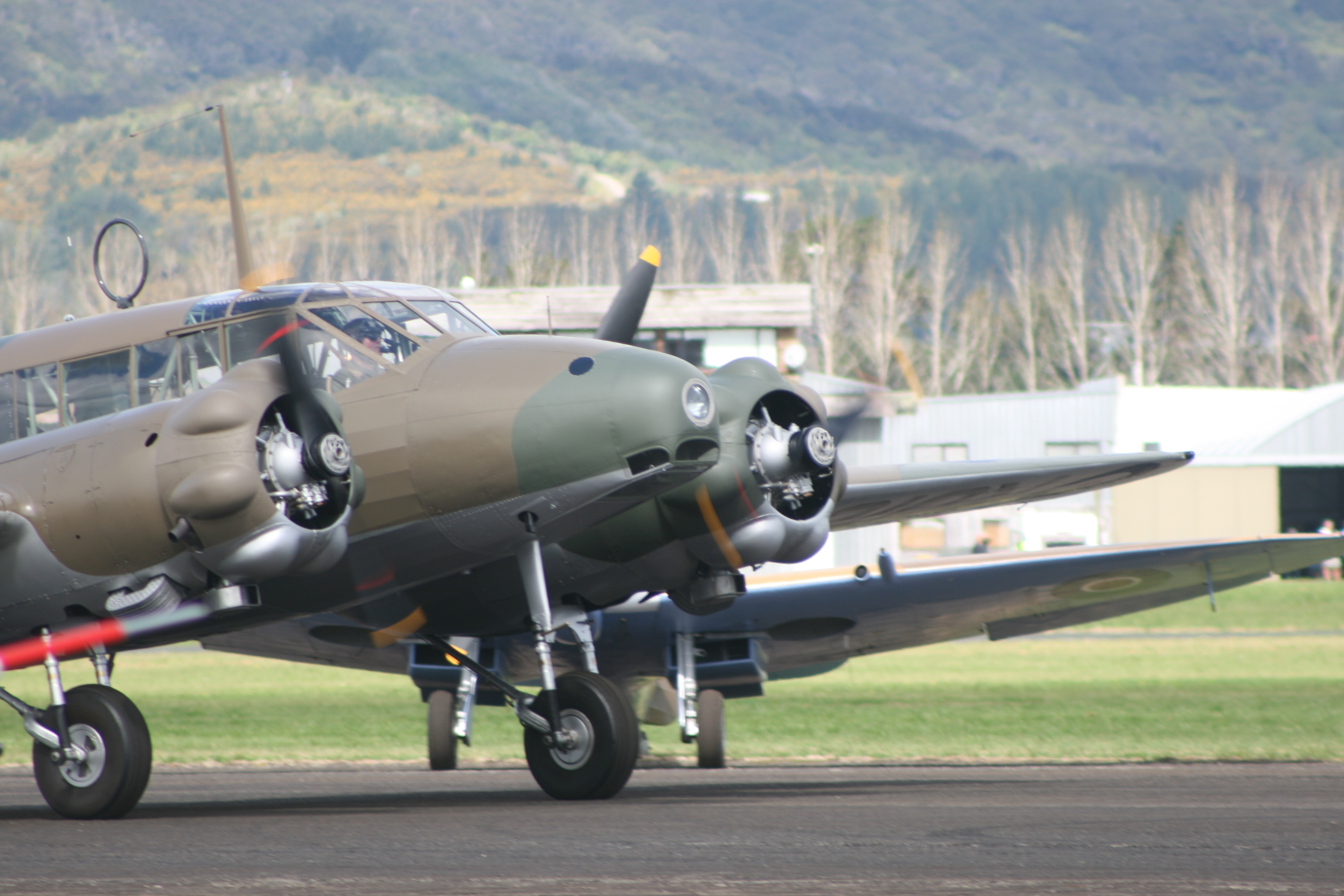
How many Anson Mk I were built?
6,688 or 6,742 Avro Anson Mk I were built, according to different sources; History of War, which gives the second figure, places 3,935 at Woodford and the… more…
Military aviation
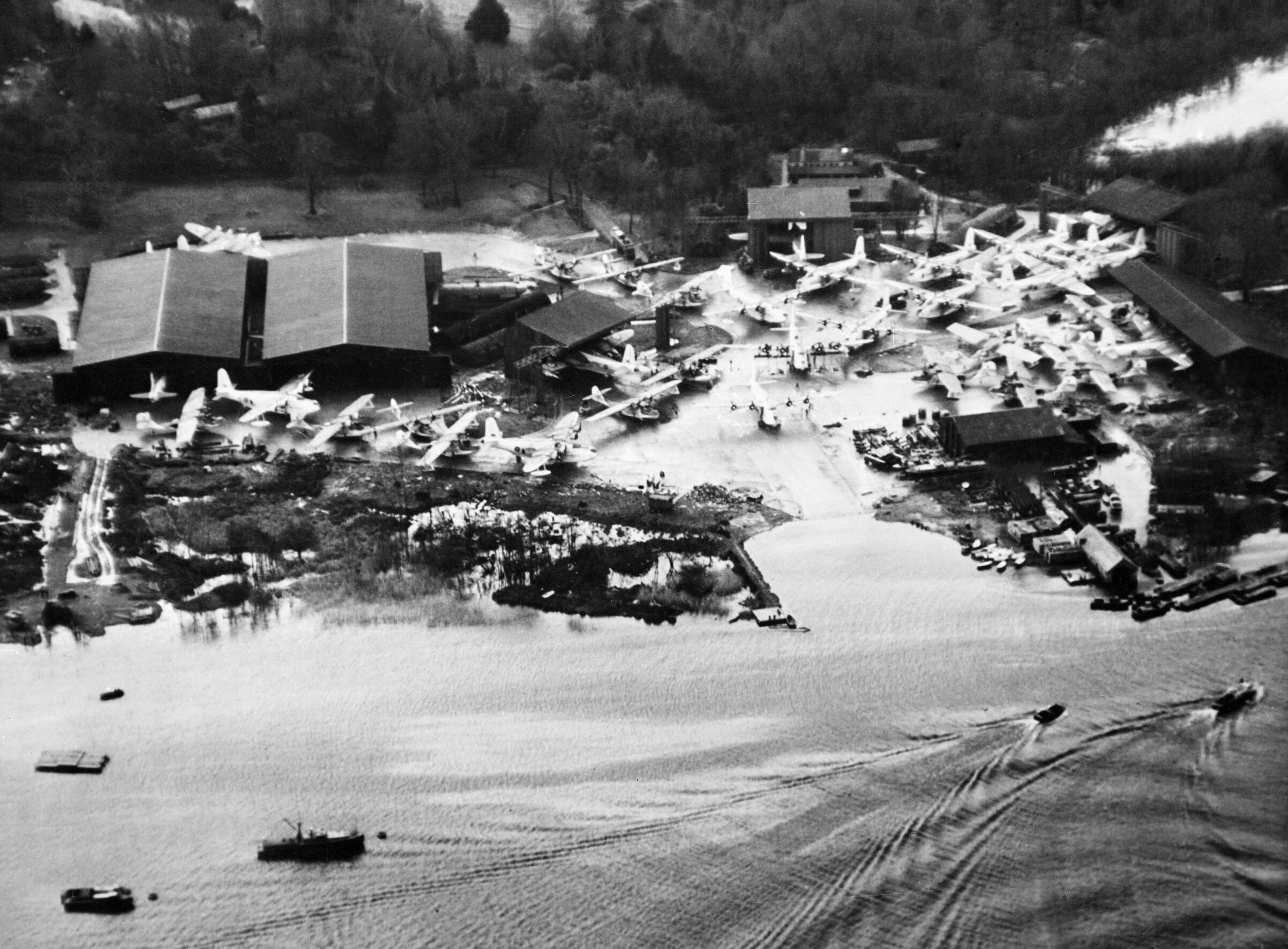
Which flying boats rescued the crew of the Kensington Court in 1939?
They were two RAF Sunderland flying boats: according to uboat.net, an aircraft of Squadron 228 and L5802 of Squadron 204 landed on the water next to the… more…
Military aviation
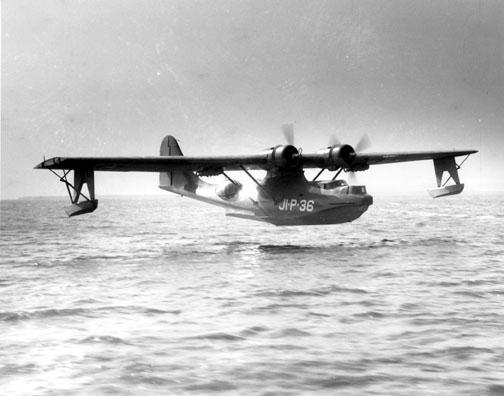
How long did Catalina convoy escort flights to the USSR last?
Many of the Catalina flights protecting convoys to the Soviet Union lasted between 15 and 20 hours and ended at Gryaznaya Bay (Murmansk) or at Arkhangelsk… more…
Military aviation
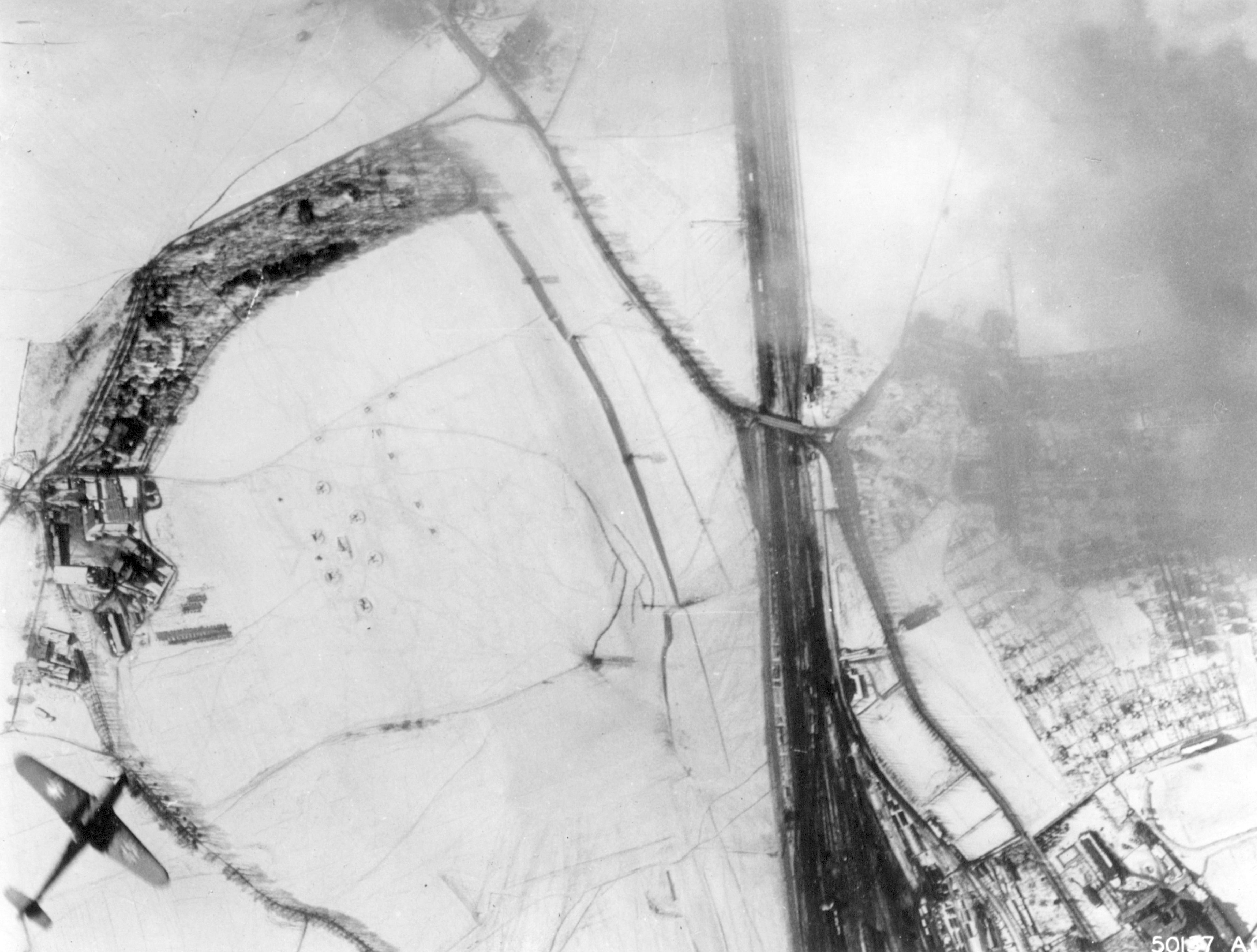
How many aircraft did the Axis lose in Crusader?
Around 332 aircraft destroyed and around 228 abandoned in the operation's tally, which took place between 18 November and 30 December 1941. According to their… more…
Military aviation
How many victories did No. 604 Squadron, the RAF night-fighter squadron, claim?
Around 127 aerial victories over the course of the war, 41 of them since May 1944. No. 604 (County of Middlesex) Squadron RAF spent most of the Second World… more…
Military aviation
Why did the "Torch" P-40Fs carry a flag on the fuselage?
To deter Vichy French forces from shooting them down: aircraft with yellow-outlined roundels sometimes had an American flag added in front of the roundel. The… more…


