Did you know…
Which Vought aircraft was born from a cancelled fighter and was the first in its class to exceed 320 km/h?
Short answer
The SBU Corsair, whose design grew out of the two-seat F3U-1 fighter abandoned when the Navy decided not to acquire more two-seat fighters. It was the first aircraft of its type, a scout bomber, to fly at more than 200 mph, with a top speed of 205 mph (330 km/h) at 8,900 ft.

A fighter the Navy didn't want
The XF3U was the prototype of a two-seat biplane fighter, built entirely of metal by the Vought Aircraft Company of Dallas, Texas, for the US Navy. The Navy lost interest in two-seat fighters, so only one XF3U prototype was built. That aircraft reached 208 mph (334 km/h). The XF3U later evolved into a dive bomber and became the XSBU prototype of the SBU-1 Corsair. In fact, it was redesignated XSBU, meaning "scout bomber."
The first scout bomber above 200 mph
The SBU's design was based on the two-seat F3U-1 fighter, abandoned when the Navy decided not to acquire more two-seat fighters. The Corsair was the first aircraft of its category, the scout bomber, to fly at more than 200 mph. Its top speed was 178 kn (205 mph, 330 km/h) at 8,900 ft (2,700 m).
Enclosed cockpit and NACA cowling
The aircraft had an enclosed cockpit and fixed landing gear, powered by an air-cooled Pratt & Whitney R-1535 radial engine similar to the F3U-1's. It also featured a controllable-pitch propeller and a new NACA cowling with adjustable trailing-edge gills. The SBU-1 completed flight testing in 1934 and entered production under a contract awarded in January 1935. The last SBU Corsairs were withdrawn from active service in 1941, reassigned as trainers.
More questions
L-Bit (CC BY SA), vía commons Military aviation
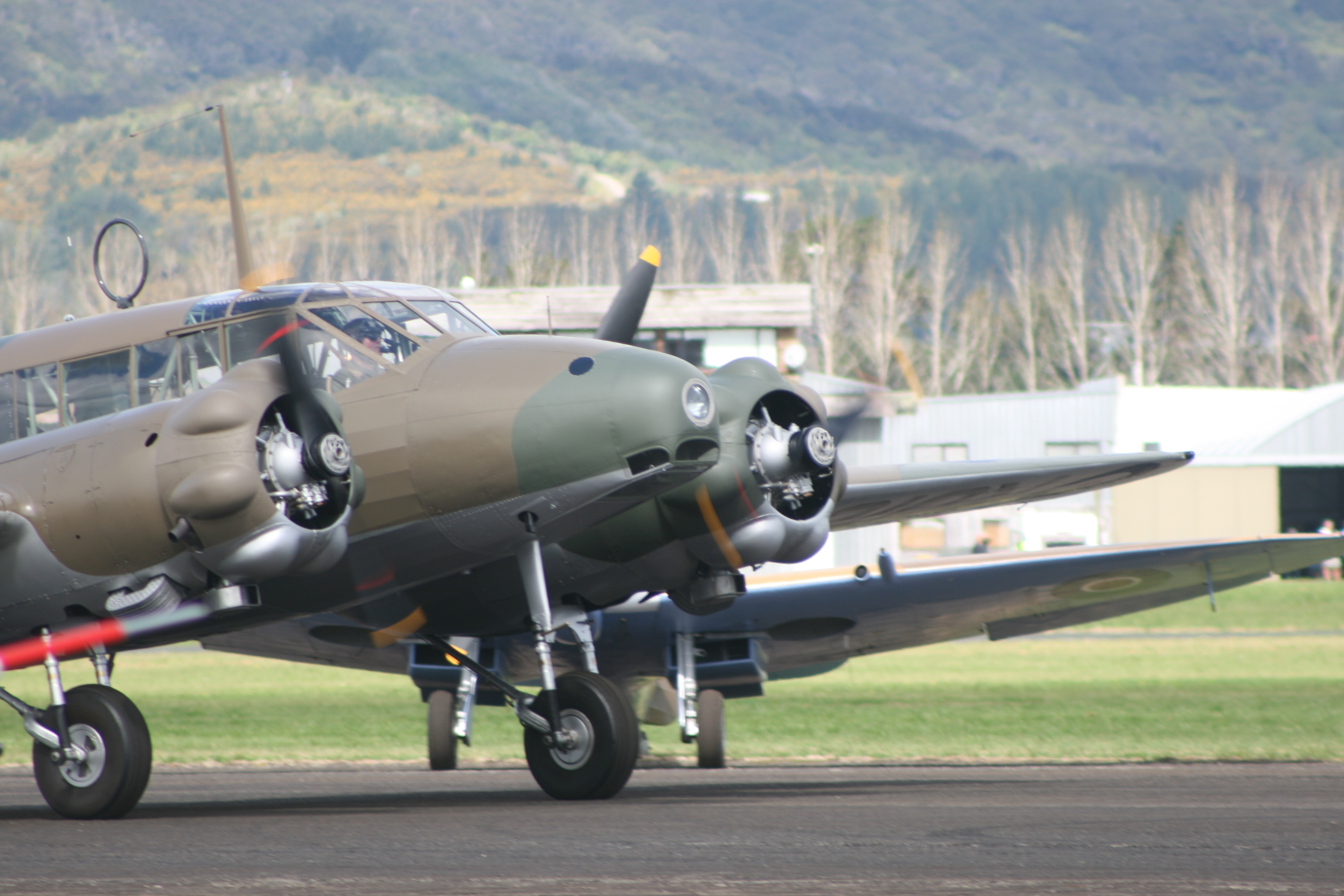
How many Anson Mk I were built?
6,688 or 6,742 Avro Anson Mk I were built, according to different sources; History of War, which gives the second figure, places 3,935 at Woodford and the… more…
Military aviation
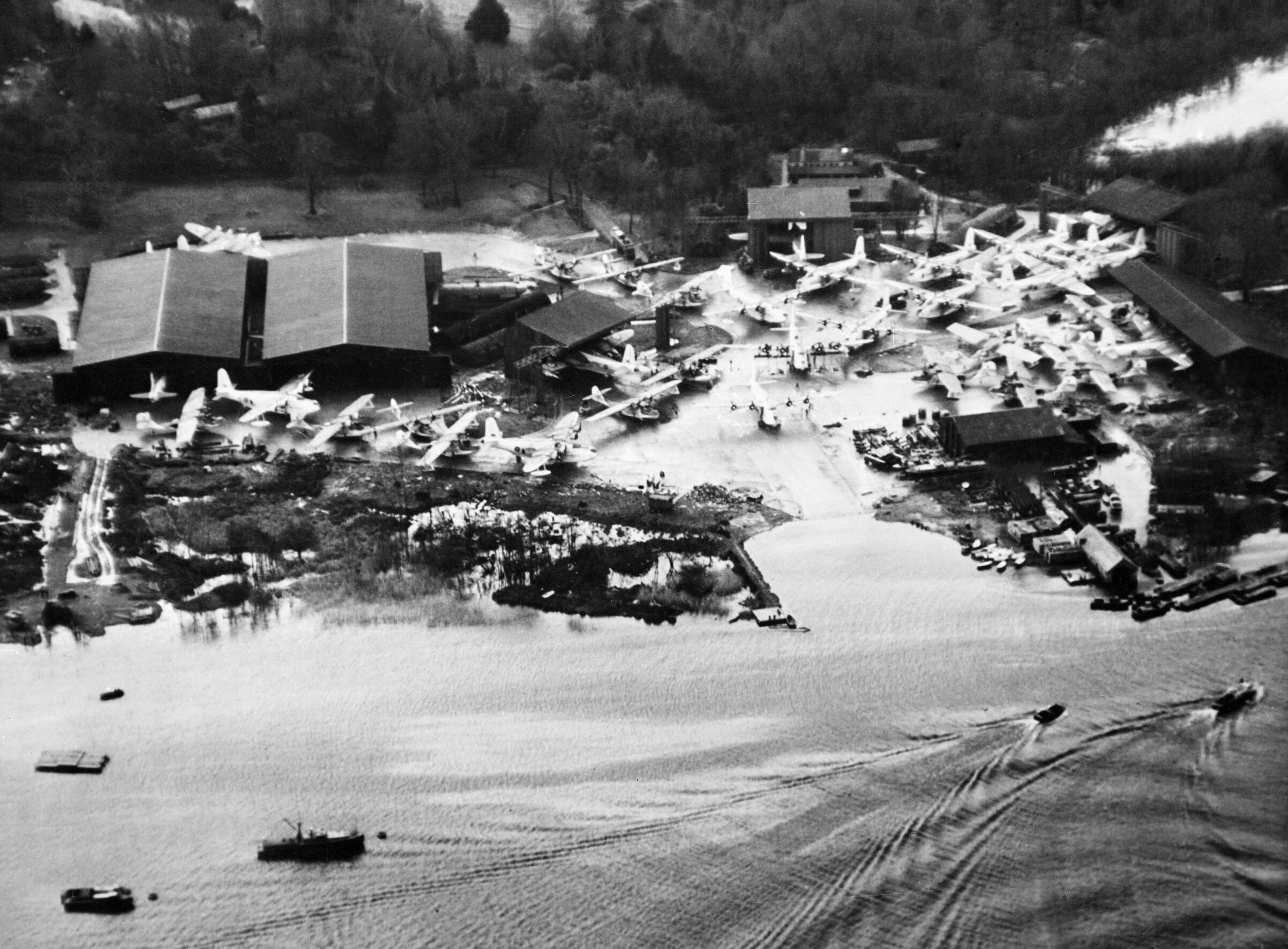
Which flying boats rescued the crew of the Kensington Court in 1939?
They were two RAF Sunderland flying boats: according to uboat.net, an aircraft of Squadron 228 and L5802 of Squadron 204 landed on the water next to the… more…
Military aviation
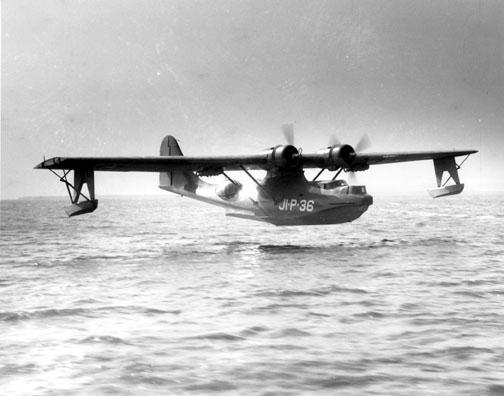
How long did Catalina convoy escort flights to the USSR last?
Many of the Catalina flights protecting convoys to the Soviet Union lasted between 15 and 20 hours and ended at Gryaznaya Bay (Murmansk) or at Arkhangelsk… more…
Military aviation
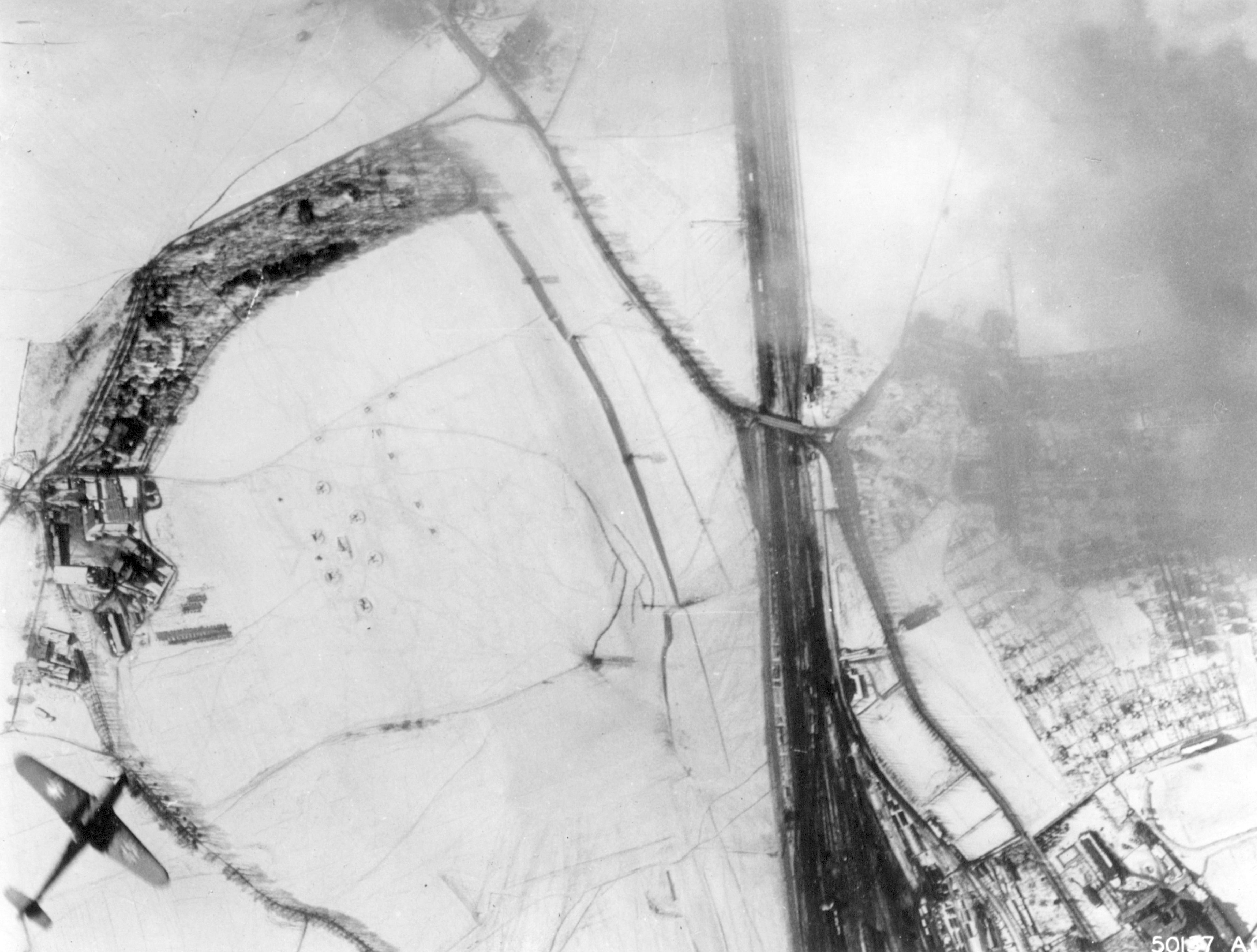
How many aircraft did the Axis lose in Crusader?
Around 332 aircraft destroyed and around 228 abandoned in the operation's tally, which took place between 18 November and 30 December 1941. According to their… more…
Military aviation
How many victories did No. 604 Squadron, the RAF night-fighter squadron, claim?
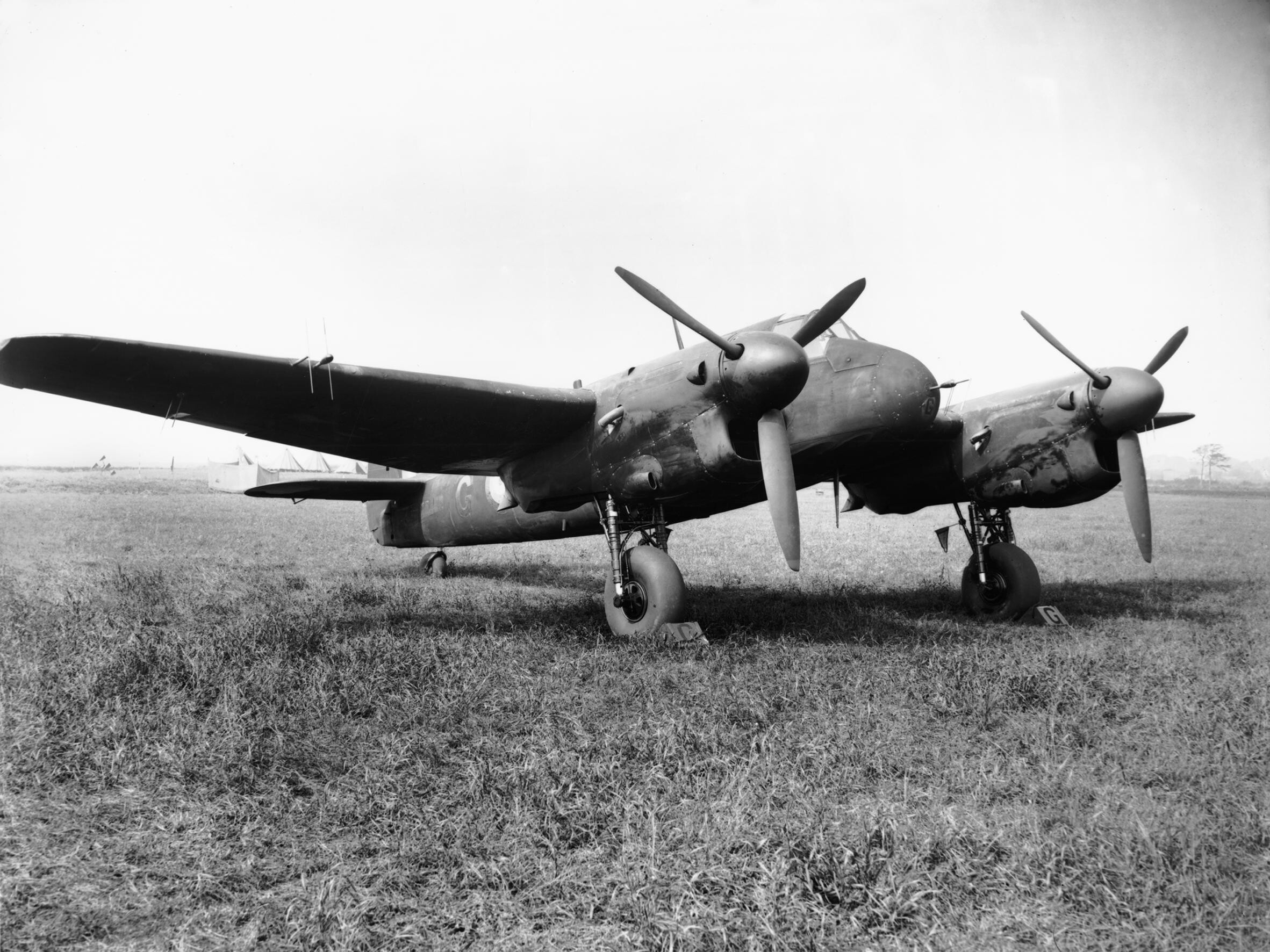
Around 127 aerial victories over the course of the war, 41 of them since May 1944. No. 604 (County of Middlesex) Squadron RAF spent most of the Second World… more…
Military aviation
Why did the "Torch" P-40Fs carry a flag on the fuselage?
To deter Vichy French forces from shooting them down: aircraft with yellow-outlined roundels sometimes had an American flag added in front of the roundel. The… more…


