Did you know…
How much do fighter jets cost?
Short answer
A state-of-the-art fighter jet costs between $70 and $120 million per unit at the factory: the F-35A runs around $80-85 million, the Rafale or Eurofighter about €90-110 million, and the Gripen E somewhat less. With weapons, spare parts, simulators, and training, an export contract usually doubles that figure per aircraft (2025 figure).

The price of a fighter jet is a slippery figure because there are at least three ways to count it. The "flyaway price" is the aircraft with engine and avionics as it leaves the factory; program cost additionally spreads development costs across all units produced; and a contract price includes weapons, spare parts, support, and training over years. Comparing figures of different types is the most common mistake.
Reference unit prices
The F-35A, the most-produced fighter in the West, has run around $80-85 million per unit in recent production lots, with the B and C versions priced above $100 million. The Rafale and Eurofighter Typhoon run between €90 and €110 million; the Swedish Gripen E is somewhat cheaper, and the F-16 Block 70, a heavily modernized 1970s design, costs around $60-70 million. Russia and China publish little data, but the Su-35 has sold in contracts implying $80-100 million per aircraft (2025 figure).
Why a contract costs double
When a country buys fighter jets it usually does so as a package: missiles, guided bombs, helmets, simulators, spare engines, tools, training courses, and sometimes infrastructure work. That's why export deals land at $150-250 million per aircraft. Sales approved by the US State Department are announced using the package's maximum value, which inflates the headline figure even further.
The cost you don't see
The purchase is only part of the real expense. An F-35's flight hour costs over $30,000, and a Eurofighter's is comparable; over 30 or 40 years, maintenance and upgrades cost double the price of the aircraft itself. That's why defense ministries increasingly talk about life-cycle cost rather than just purchase price.
More questions
L-Bit (CC BY SA), vía commons Military aviation
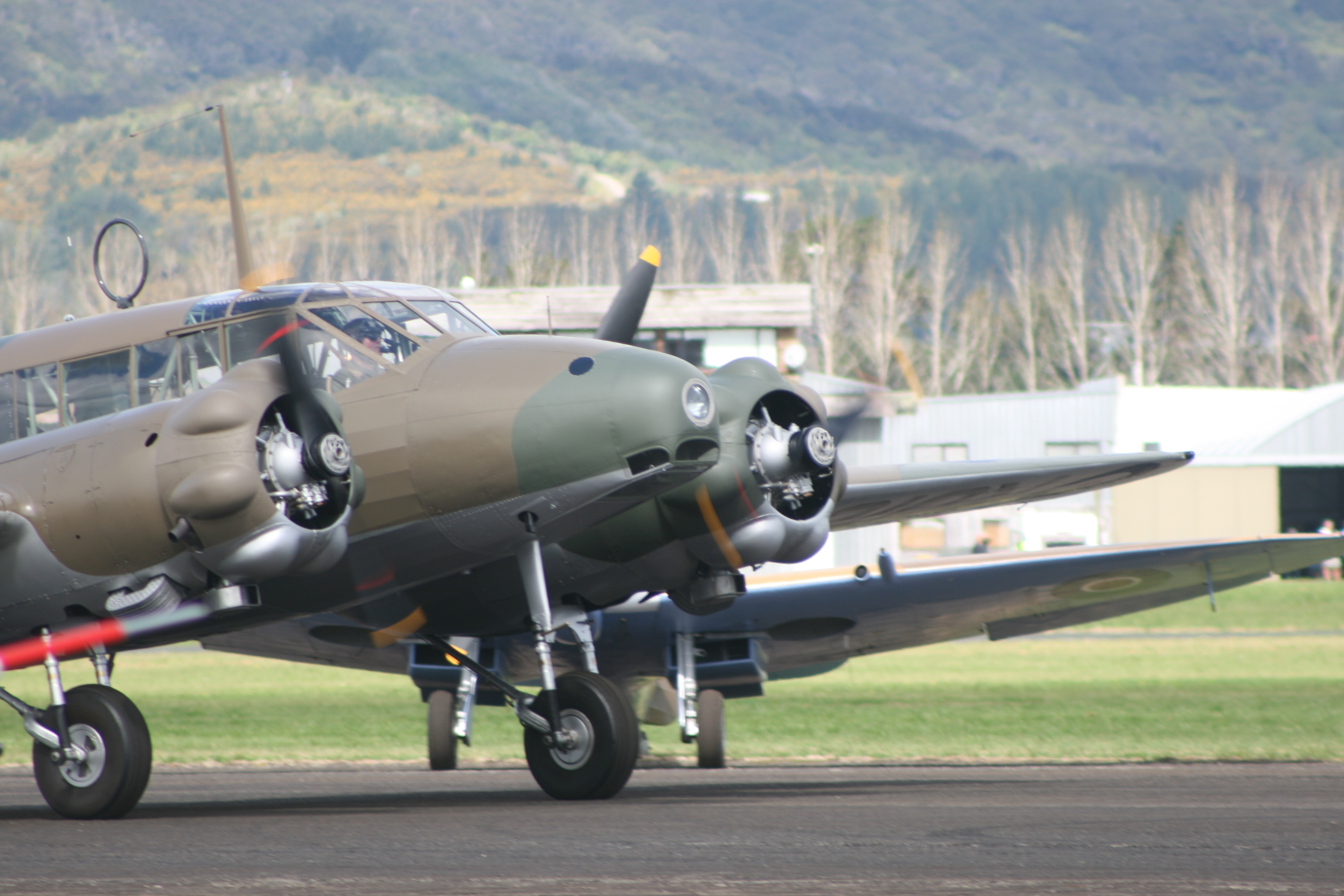
How many Anson Mk I were built?
6,688 or 6,742 Avro Anson Mk I were built, according to different sources; History of War, which gives the second figure, places 3,935 at Woodford and the… more…
Military aviation
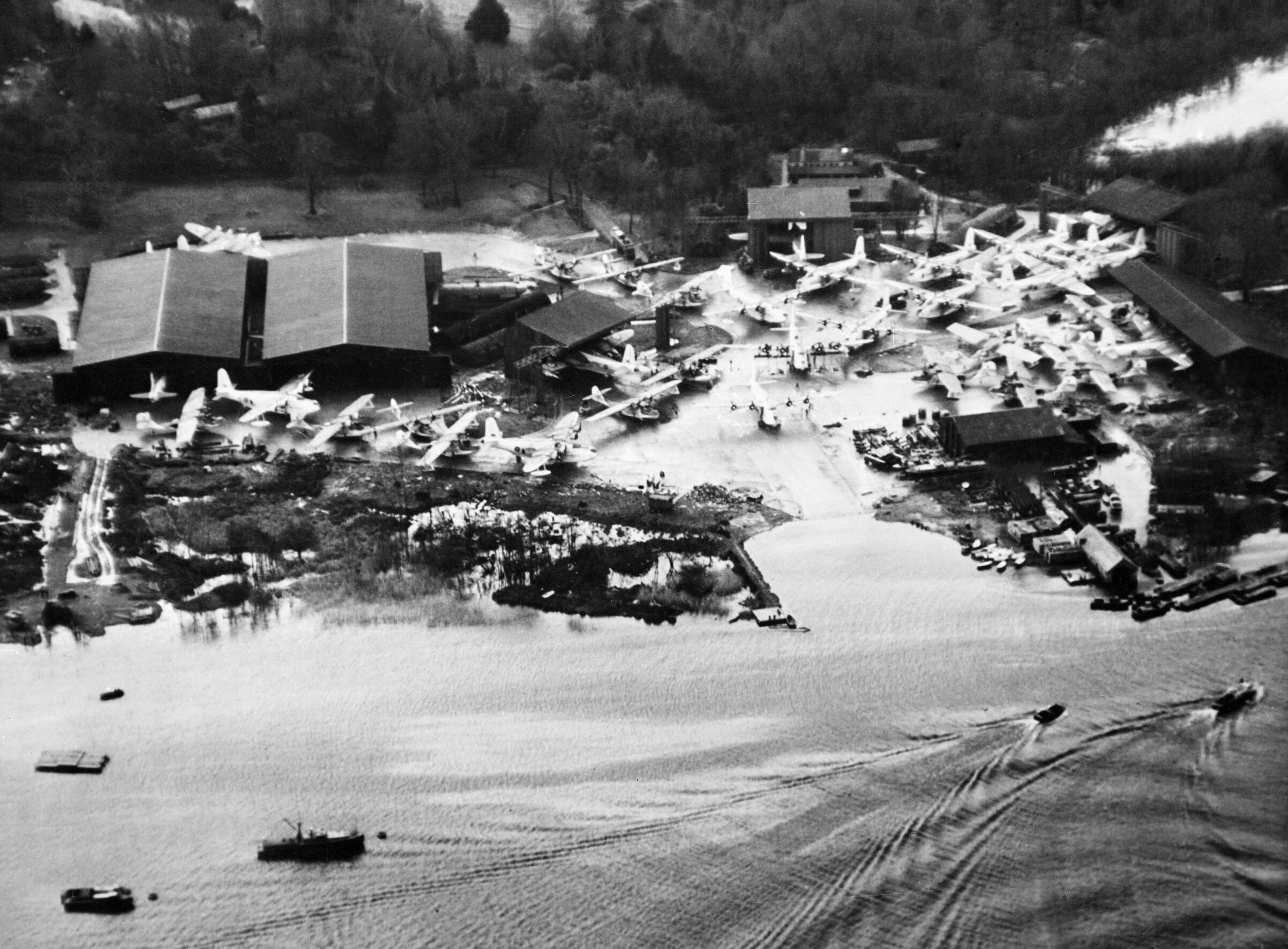
Which flying boats rescued the crew of the Kensington Court in 1939?
They were two RAF Sunderland flying boats: according to uboat.net, an aircraft of Squadron 228 and L5802 of Squadron 204 landed on the water next to the… more…
Military aviation
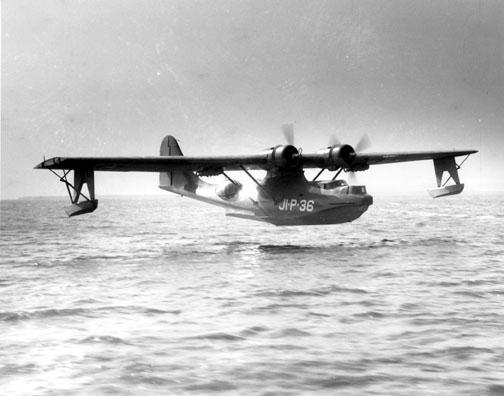
How long did Catalina convoy escort flights to the USSR last?
Many of the Catalina flights protecting convoys to the Soviet Union lasted between 15 and 20 hours and ended at Gryaznaya Bay (Murmansk) or at Arkhangelsk… more…
Military aviation
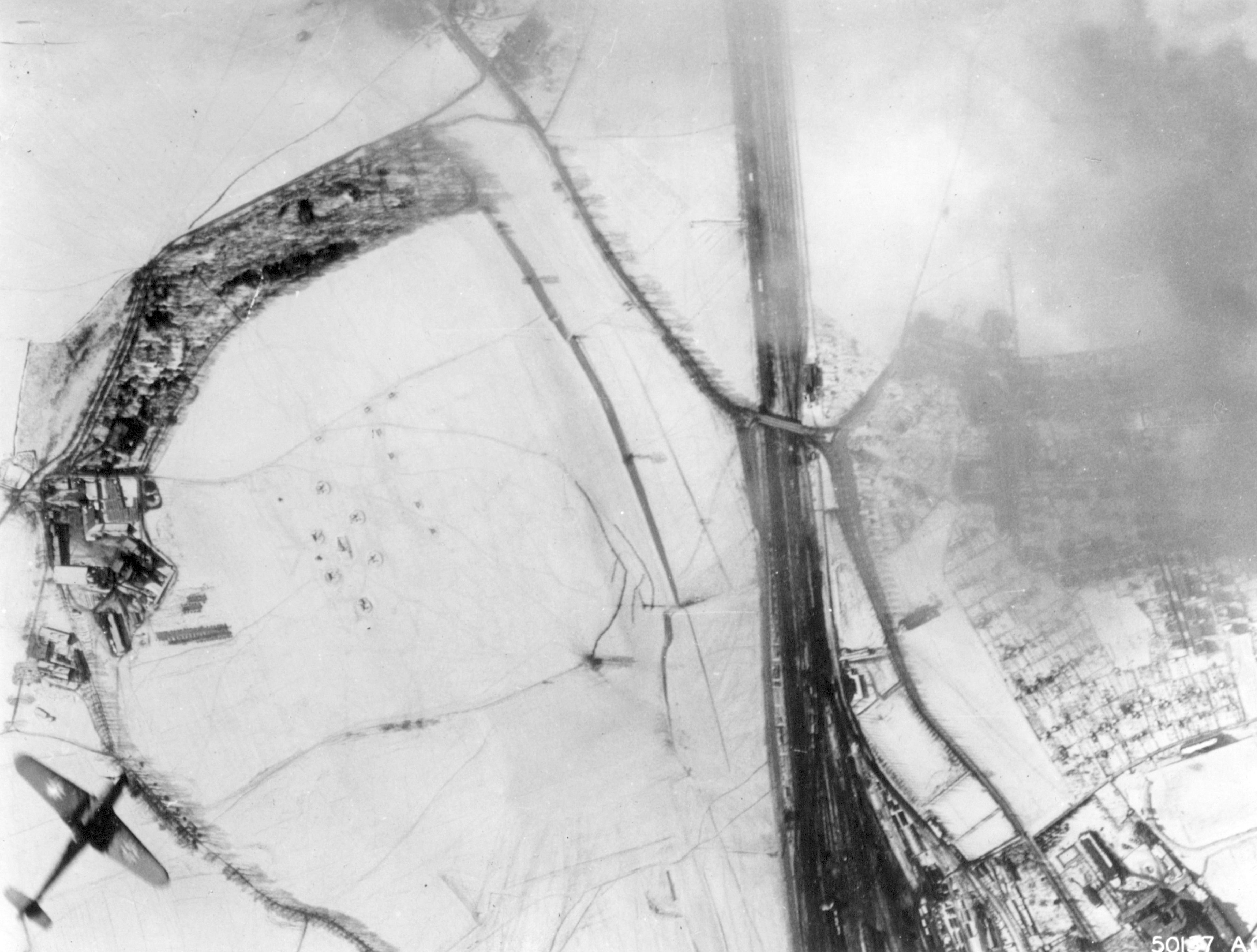
How many aircraft did the Axis lose in Crusader?
Around 332 aircraft destroyed and around 228 abandoned in the operation's tally, which took place between 18 November and 30 December 1941. According to their… more…
Military aviation
How many victories did No. 604 Squadron, the RAF night-fighter squadron, claim?
Around 127 aerial victories over the course of the war, 41 of them since May 1944. No. 604 (County of Middlesex) Squadron RAF spent most of the Second World… more…
Military aviation
Why did the "Torch" P-40Fs carry a flag on the fuselage?
To deter Vichy French forces from shooting them down: aircraft with yellow-outlined roundels sometimes had an American flag added in front of the roundel. The… more…


