Did you know…
When was the autopilot invented?
Short answer
The first autopilot was developed in 1912 by Elmer Sperry's company: a gyroscopic stabilizer that kept the aircraft level. His son Lawrence Sperry demonstrated it publicly in June 1914, at a Paris air safety contest, taking his hands off the controls of a Curtiss flying boat while a mechanic walked out onto the wing.

The Sperrys' gyroscope
Elmer Sperry had made his fortune with gyroscopic compasses for ships, and in 1912 his company adapted the idea to aircraft: a set of gyroscopes that detected deviations in pitch and roll and corrected them through servos driven by compressed air, connected to the controls. The device weighed about 18 kg (40 lb). His twenty-one-year-old son Lawrence took charge of testing and perfecting it. On 18 June 1914, at the Concours de la Sécurité en Aéroplane held along the Seine in Bezons, near Paris, Lawrence flew over the jury in a Curtiss C-2 flying boat with his hands raised while his mechanic, Emil Cachin, walked out onto the wing; the aircraft held level flight and corrected the imbalance on its own. He won first prize, worth 50,000 francs, and the "gyroscopic stabilizer" was recorded as the first working autopilot.
From stabilizer to hands-free flight
World War I and the 1920s expanded the use of gyroscopic instruments —artificial horizon, turn indicator, directional gyro— and on top of them Sperry Gyroscope built complete autopilots. In 1933 Wiley Post flew solo around the world in the Lockheed Vega Winnie Mae with an experimental Sperry unit that let him rest during long legs; in the second half of the 1930s three-axis models entered service on American bombers and transports, and during the war its ability to hold a steady course over the target was combined with the Norden bombsight. The next step was linking the autopilot to radio navigation aids: in September 1947 a US Air Force Douglas C-54 crossed the Atlantic from Newfoundland to England taking off, navigating and landing fully automatically, with the crew only observing.
Automatic landing and the digital era
In commercial aviation the milestone was landing with no visibility. Britain's BLEU (Blind Landing Experimental Unit) developed the autoland system first used with passengers by BEA's Hawker Siddeley Trident in 1965, and it received Category III certification in 1968. Concorde, the 747 and later generations added redundant autopilots capable of guiding the aircraft all the way to the runway. With the Airbus A320's fly-by-wire controls in 1988, the autopilot stopped being a bolt-on device and became just another function of the flight control computers, integrated with the flight management system that today can fly entire routes from shortly after takeoff.
More questions
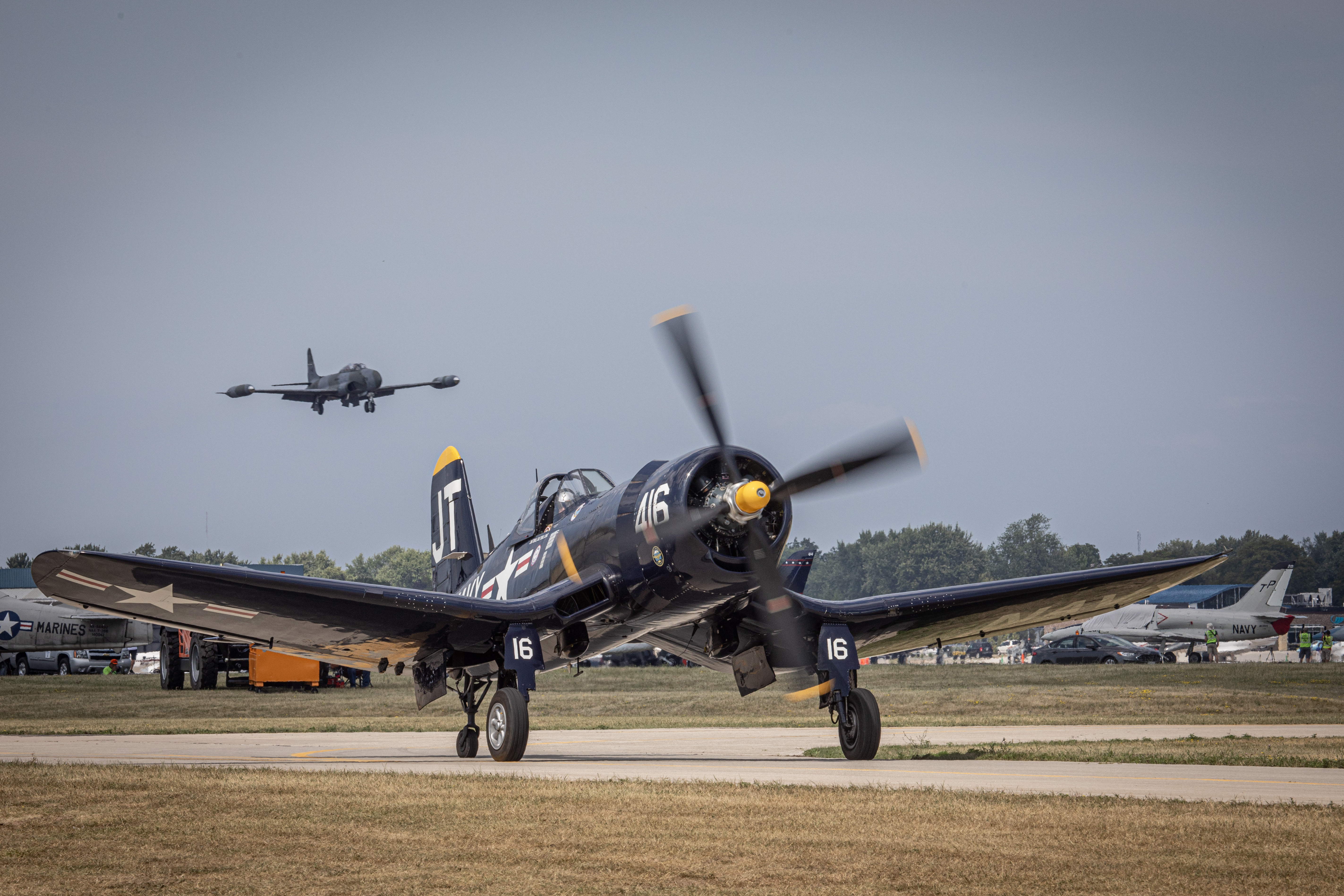
Physics of flight
Why can't a Corsair pilot apply full power when going around after a failed carrier landing?
Because at low speed and high power the Corsair would drop its left wing suddenly and with almost no warning, due to propeller torque. If the throttle was… more…
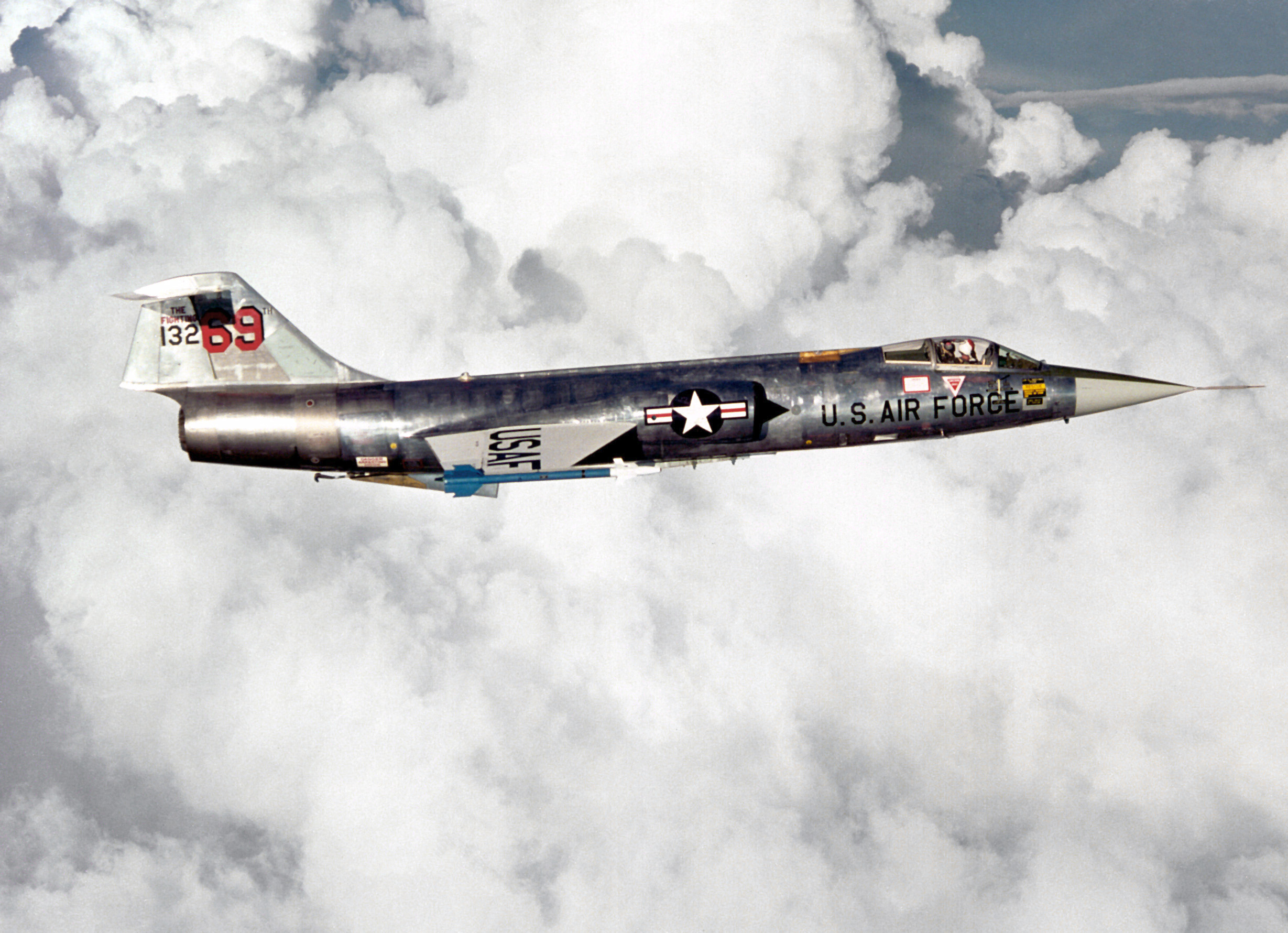
Physics of flight
What did the phrase "banking with intent to turn" mean among F-104 pilots?
It was a joke among Canadian F-104 pilots: banking the aircraft "with intent to turn" referred to its poor low-speed turning. Its sustained turn capability… more…
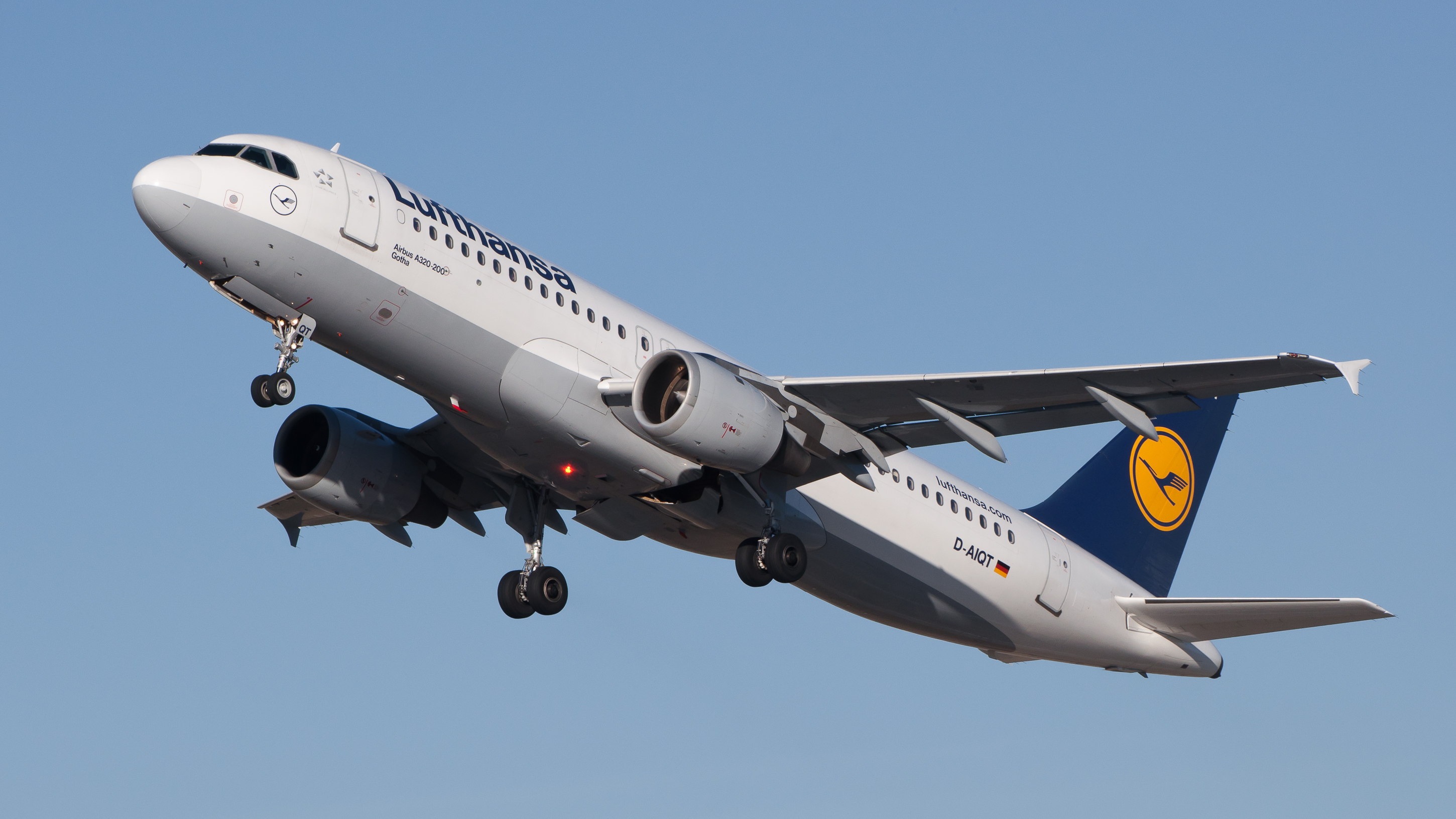
Julian Herzog (Website) (CC BY), vía commons Physics of flight
What is "flight envelope protection," which the A320 pioneered?
A set of limits embedded in the flight control software: it calculates the flight envelope, adds a safety margin, and blocks pilot inputs that would take the… more…
Julian Herzog (Website) (CC BY), vía commons Physics of flight
What is the A320's SHARP package for?
SHARP (SHort AiRfield Package) improves takeoff and landing performance on short runways and is designed to increase low-speed lift. It combines aerodynamic… more…
Physics of flight
What flaw sank Vought's all-metal V-141 fighter?
It wasn't a single flaw: tests showed the V-141 still flew poorly, was prone to spinning, and also suffered tail flutter, which is why it was rejected. It… more…
Physics of flight
What wind tunnel did NACA use to study the Corsair, and how big was it?
The full-scale 30- by 60-Foot Tunnel at the Langley Research Center, in Hampton, Virginia. NACA dedicated the facility on 27 May 1931 and used it to test the… more…


