Did you know…
What wind tunnel did NACA use to study the Corsair, and how big was it?
Short answer
The full-scale 30- by 60-Foot Tunnel at the Langley Research Center, in Hampton, Virginia. NACA dedicated the facility on 27 May 1931 and used it to test the Vought F4U-1 Corsair. It was a subsonic tunnel capable of testing real aircraft at flight speeds.

A full-scale tunnel
On 27 May 1931 the National Advisory Committee for Aeronautics dedicated its new "full-scale" wind tunnel. The so-called 30- by 60-Foot Tunnel was located at the Langley Research Center, in Hampton, Virginia, and it was NASA's oldest operating wind tunnel until it closed in October 1995. It was a subsonic tunnel originally conceived for the static testing of full-scale models and of real aircraft at operational flight speeds. By 1931 the facility was complete.
The Corsair in the test chamber
The Vought F4U-1 Corsair was among the many aircraft tested in Langley's "30 by 60." Images survive of the F4U-1 mounted for testing in that full-scale 30×60 tunnel. The facility helped engineers and scientists improve all the high-performance machines the United States used in the war, including the P-51 Mustang and the F4U Corsair.
The "drag cleanup" technique
In 1938 the tunnel's engineers devised a new technique they called "drag cleanup": they subjected an aircraft, such as the Corsair itself, to modifications aimed at improving its performance. Soon after, a long procession of military aircraft was sent to Langley for drag cleanup testing.
More questions
Physics of flight
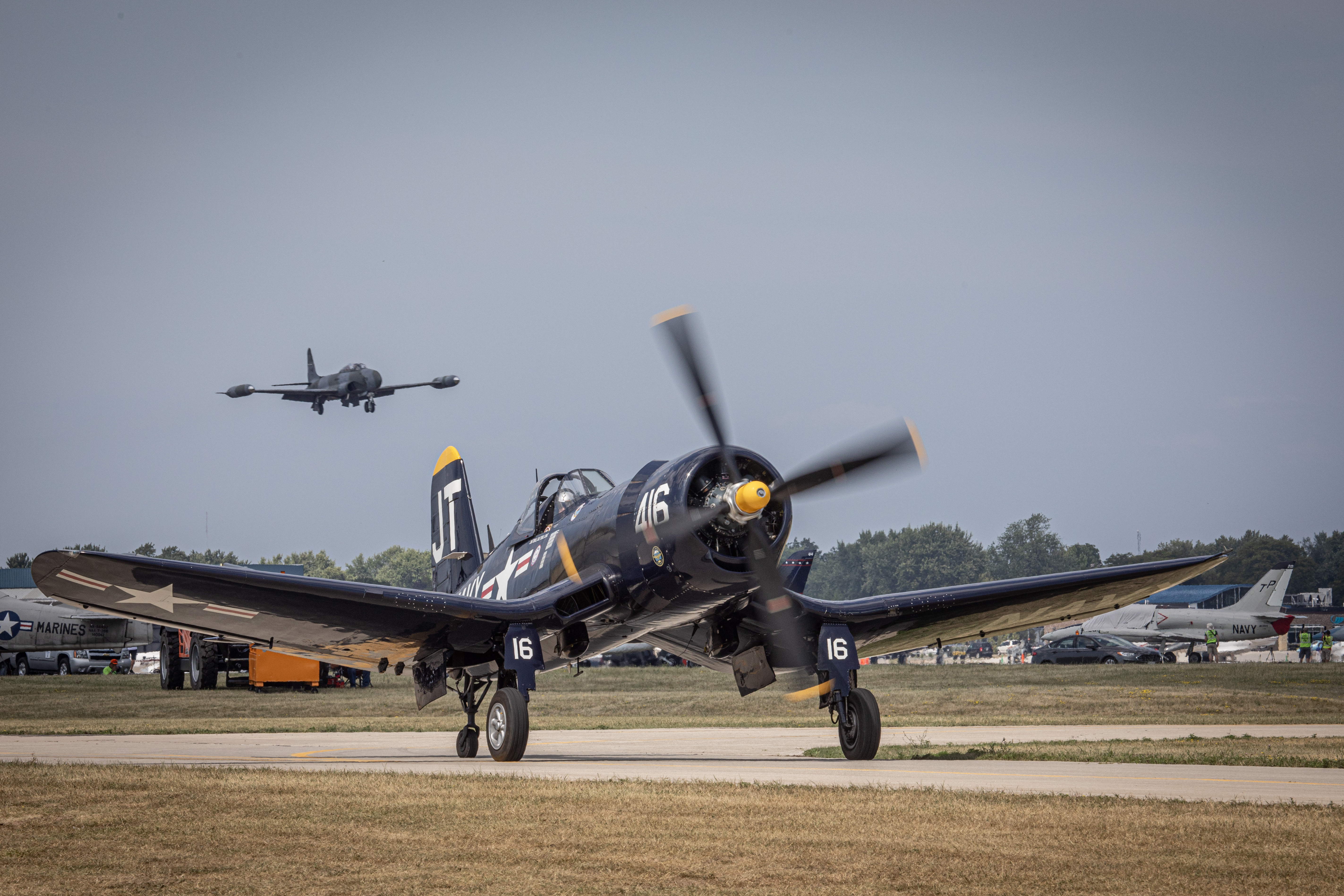
Why can't a Corsair pilot apply full power when going around after a failed carrier landing?
Because at low speed and high power the Corsair would drop its left wing suddenly and with almost no warning, due to propeller torque. If the throttle was… more…
Physics of flight
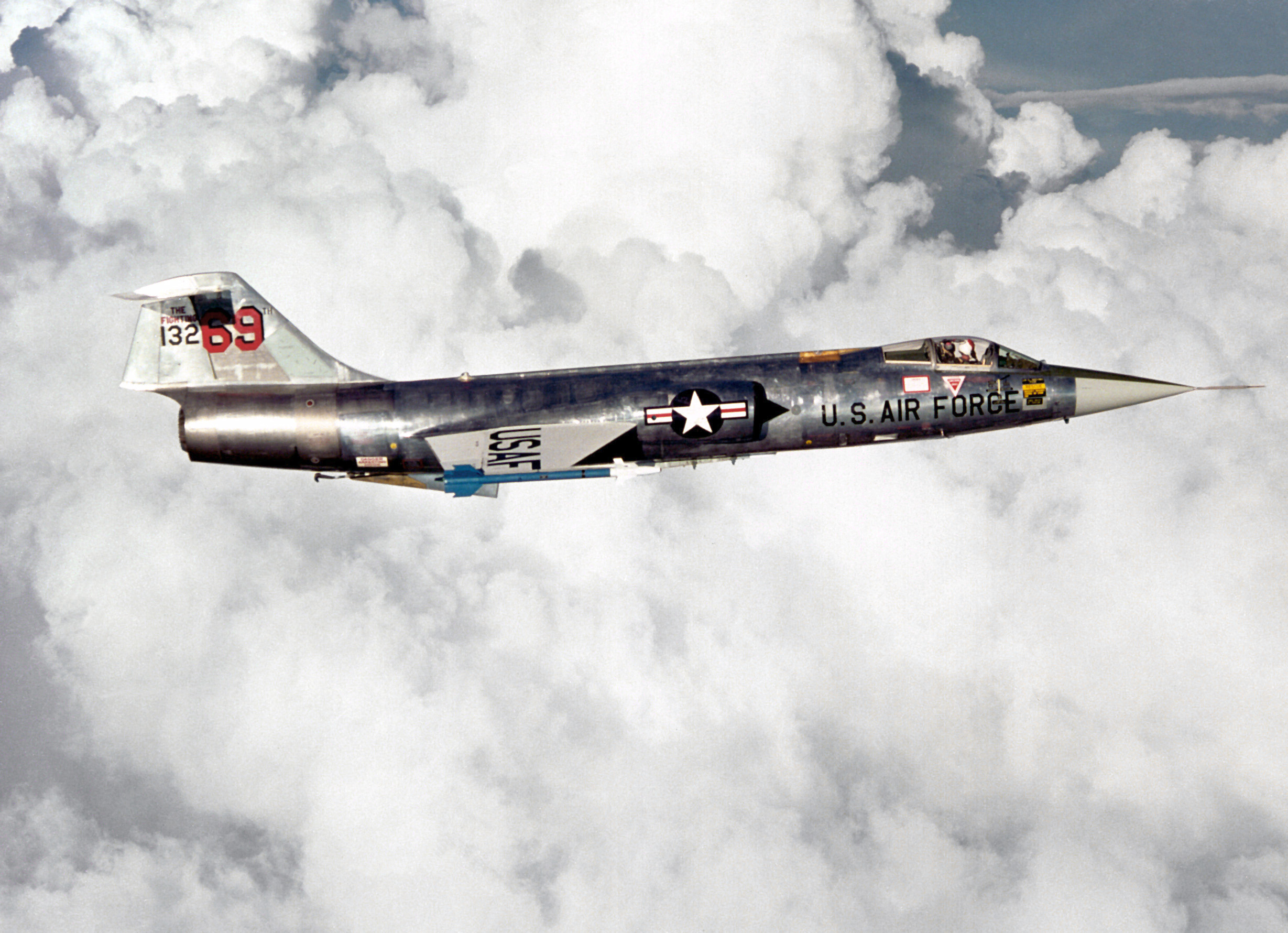
What did the phrase "banking with intent to turn" mean among F-104 pilots?
It was a joke among Canadian F-104 pilots: banking the aircraft "with intent to turn" referred to its poor low-speed turning. Its sustained turn capability… more…
Julian Herzog (Website) (CC BY), vía commons Physics of flight
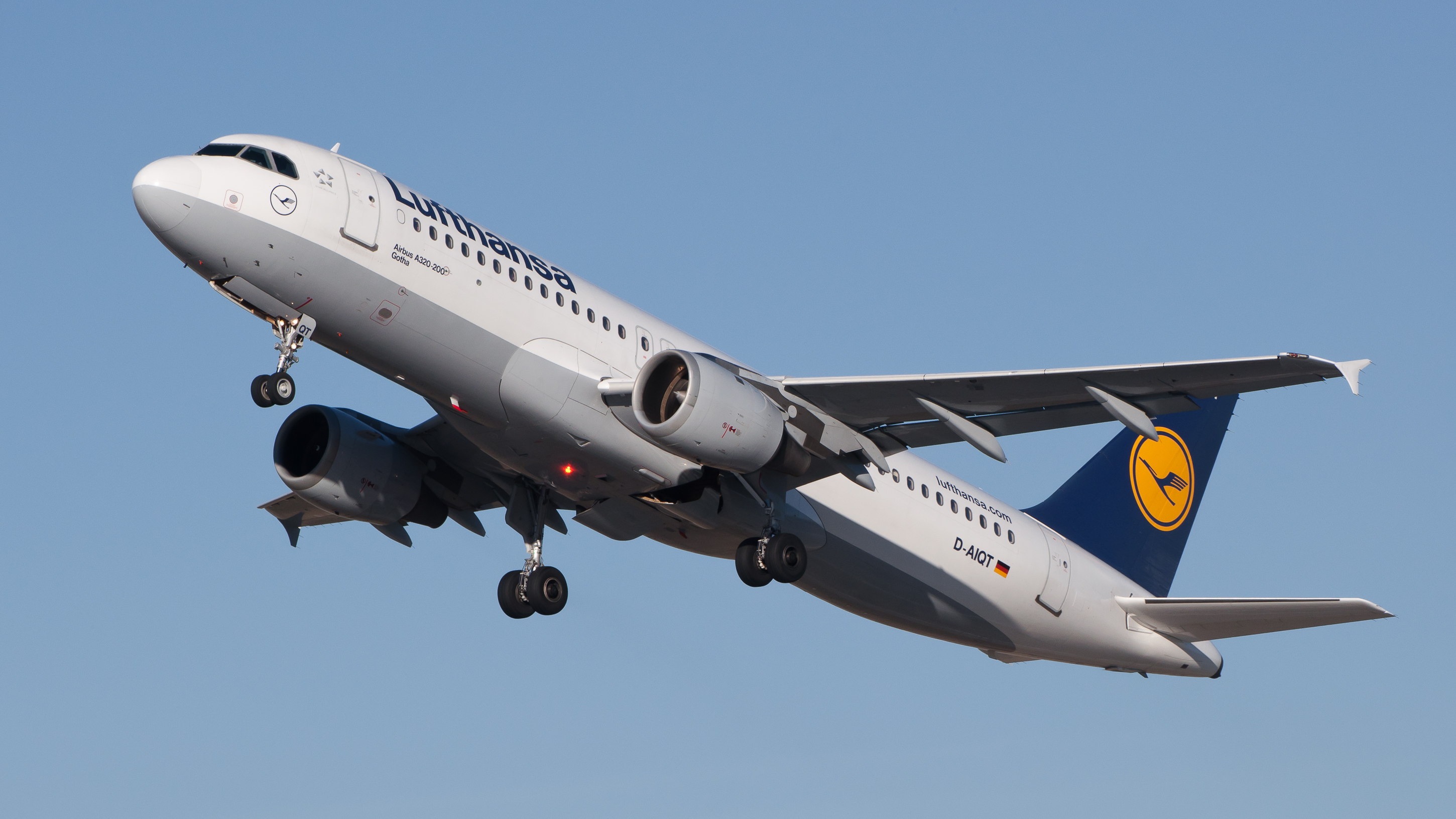
What is "flight envelope protection," which the A320 pioneered?
A set of limits embedded in the flight control software: it calculates the flight envelope, adds a safety margin, and blocks pilot inputs that would take the… more…
Julian Herzog (Website) (CC BY), vía commons Physics of flight
What is the A320's SHARP package for?
SHARP (SHort AiRfield Package) improves takeoff and landing performance on short runways and is designed to increase low-speed lift. It combines aerodynamic… more…
Physics of flight
What flaw sank Vought's all-metal V-141 fighter?
It wasn't a single flaw: tests showed the V-141 still flew poorly, was prone to spinning, and also suffered tail flutter, which is why it was rejected. It… more…
Physics of flight
What type of flap helped a World War II fighter turn best?
The slotted flap, the NACA type fitted to the F4U Corsair, with a dedicated 20° maneuver setting usable at 200 knots indicated or less. With it the fighter… more…

