Did you know…
Why were pure turbojets ruled out for the C-101?
Short answer
Due to cost and fuel consumption: CASA soon ruled out the pure turbojets from General Electric and Rolls-Royce. Turbofans' efficiency and savings were well known, and the choice fell on the Garrett TFE-731-2, with a high bypass ratio (2.82:1) and modular construction that eases maintenance.

Two families in contention
When defining the C-101's powerplant, the pure turbojets offered by General Electric and Rolls-Royce were soon dropped, for two reasons: cost and fuel consumption. In favor of the turbofan was an argument well known throughout the industry at the time, its efficiency and fuel savings. In CASA's trainer, the TFE731 was the favorite from an early stage of development.
Why the Garrett
The final choice fell on the Garrett engine. What weighed in its favor were the assurances the manufacturer offered regarding the fitting of its powerplant to the Aviojet, along with other factors. One of these was the company's prior experience: CASA knew the good results of Garrett engines, because the TPE-331 powered the C-212 Aviocar.
A civilian engine in uniform
The Garrett TFE-731-2 turbofan has a high bypass ratio, 2.82:1, and a carefully designed modular construction that eases maintenance. It was originally a commercial engine that had been redeveloped for military use. Among engines in its category it offered relatively favorable performance and a high level of fuel economy.
More questions

Colin Cooke Photo (CC BY SA), vía commons Aviation history
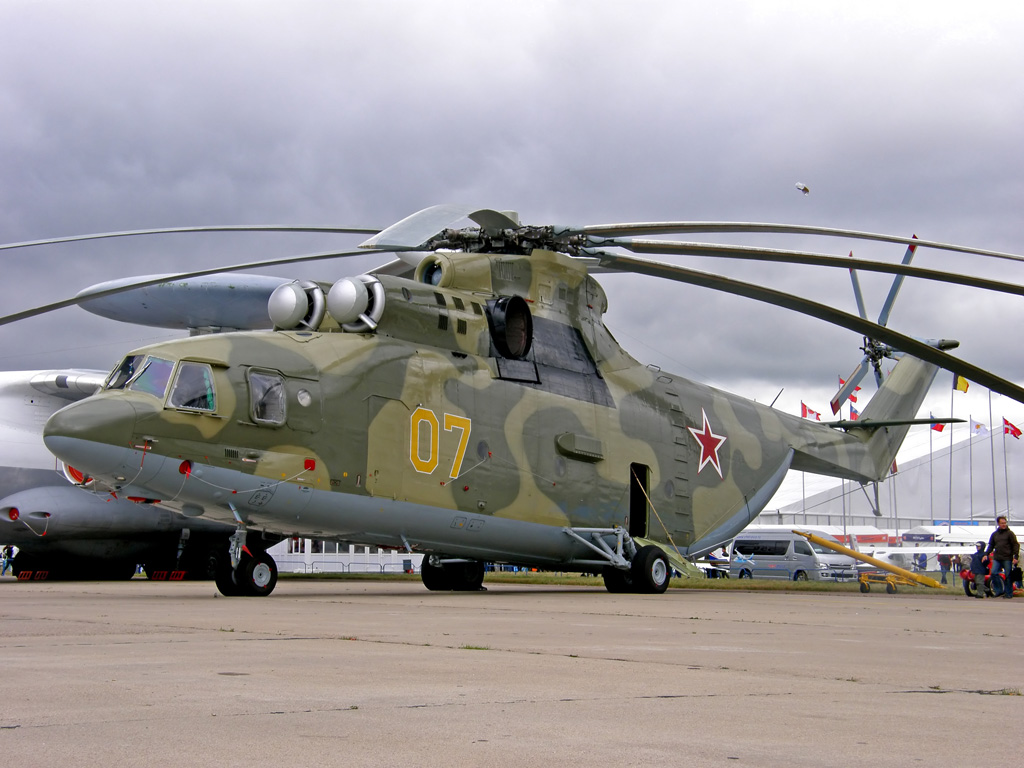
What was the An-26's bubble window for?
The An-26's bulged windows were observation windows, part of its military equipment alongside folding canvas seats for paratroopers, an overhead hoist and… more…
Dmitry Terekhov from Odintsovo, Russian Federation (CC BY SA), vía commons Aviation history
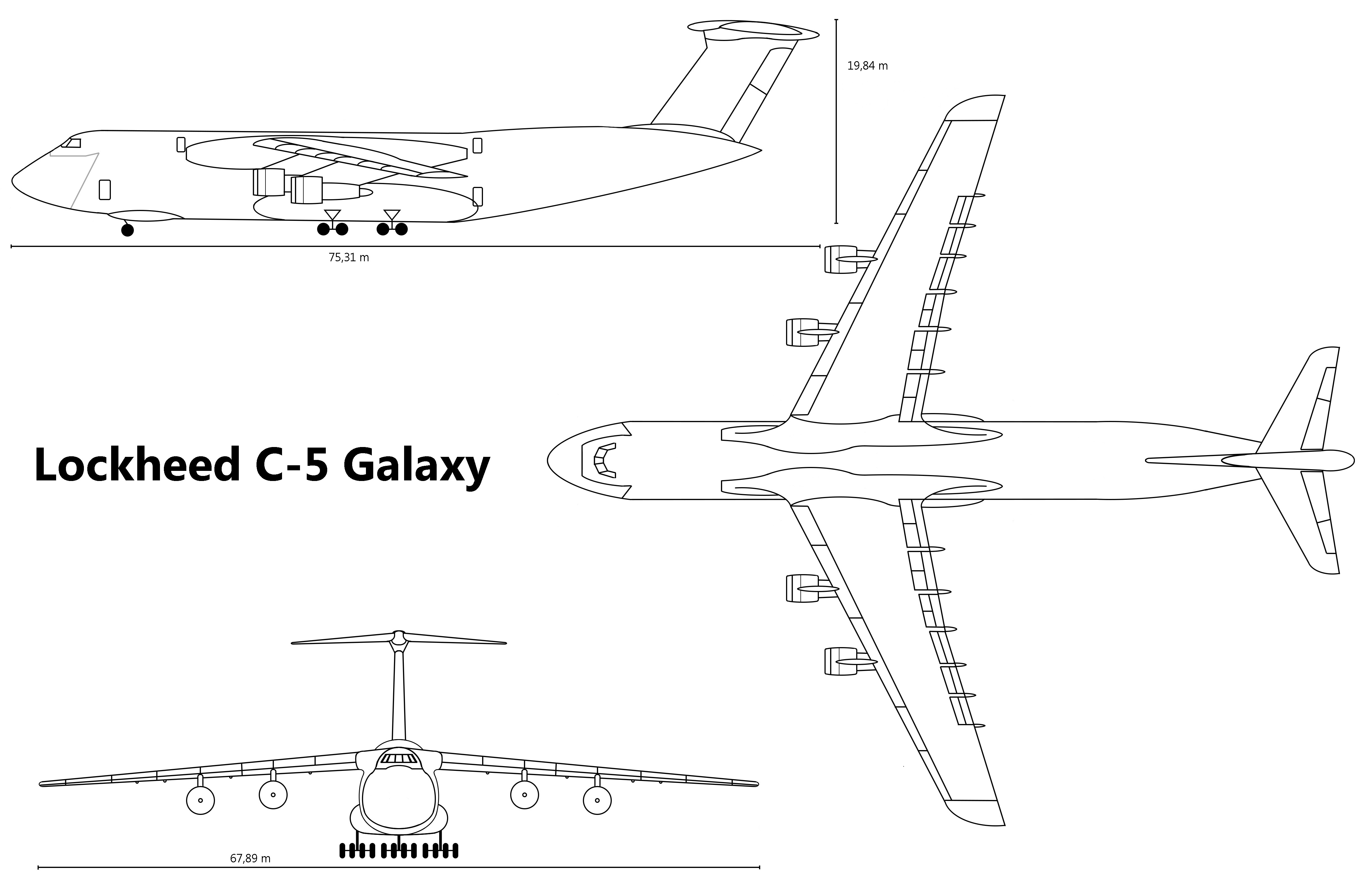
At what altitude could the An-32 operate?
The An-32's service ceiling is 9,500 m (31,200 ft). More striking is its hot-and-high performance: it has outstanding takeoff characteristics at temperatures… more…
Saggittarius A (CC BY SA), vía commons Aviation history
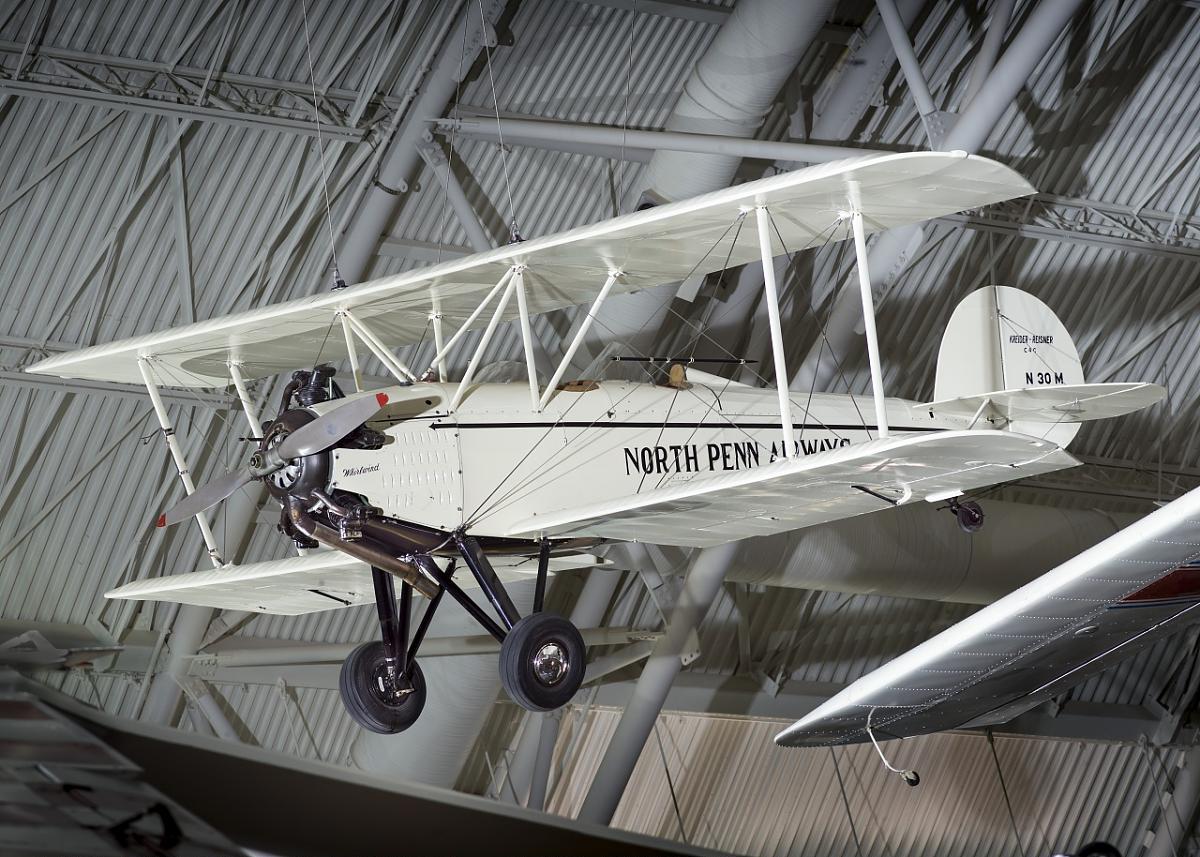
Which Western aircraft was the An-40 compared to?
The Lockheed C-5 Galaxy. The An-124, called An-40 in the West during its development, broadly resembled the American strategic transport, though with… more…
Aviation history
What is the An-72's landing gear like?
Four independent single-wheel main legs that retract inward into sizeable fairings. Combined with high-flotation tyres, that sturdy gear lets the aircraft… more…

Aviation history
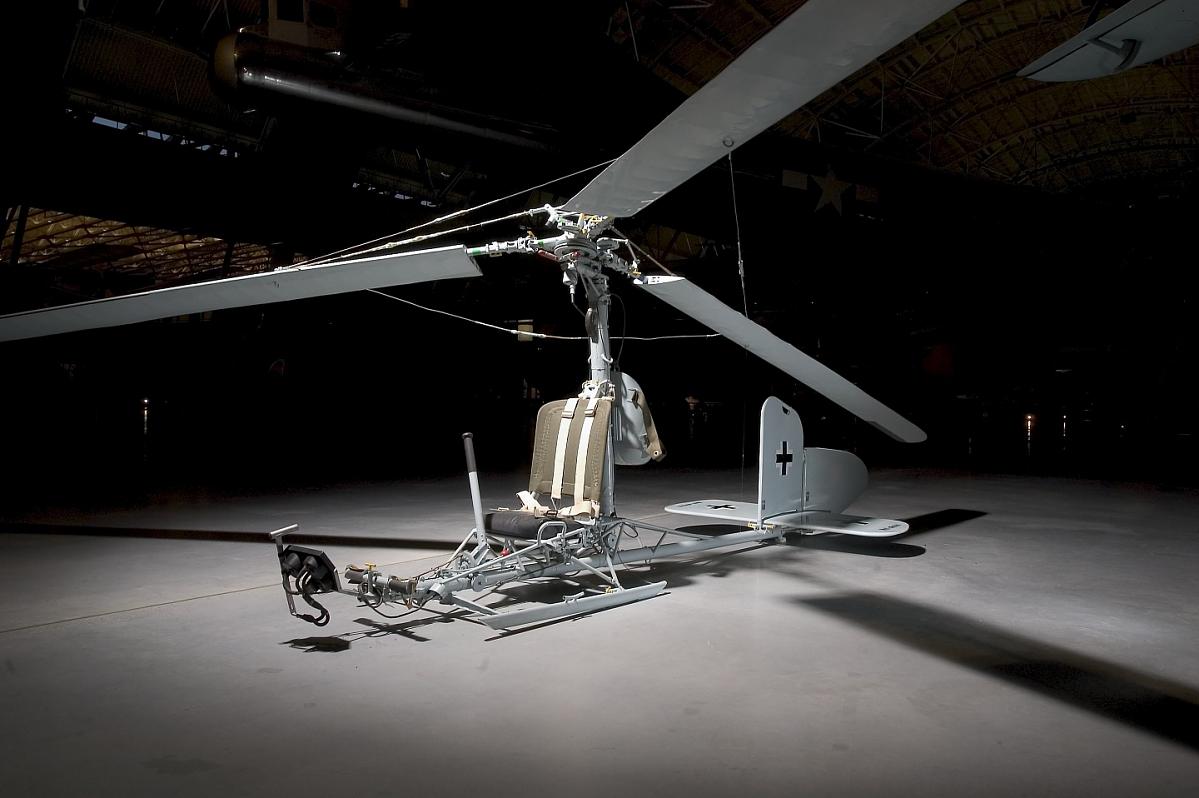
Which fighter replaced the Arado Ar 65E?
The Heinkel He 51: from 1935 it replaced the Arado Ar 65 as a front-line fighter. The He 51 had been designed to replace the Ar 65 and served alongside the… more…
Aviation history
How many float-equipped Ar 66s were built?
Ten: ten production Ar 66B floatplanes were built, in addition to the Ar 66b prototype, the program's second prototype, completed as a floatplane. The main… more…


