Did you know…
Why was the D.III's radiator moved to the right side?
Short answer
The Teves und Braun radiator at the center of the upper wing scalded the pilot if punctured. From D.III number 290 onward it was moved to the right, and earlier aircraft got the same change as a field modification. D.III aircraft sent to Palestine used two wing radiators because of the hotter climate.

The radiator at the center of the upper wing
Early Albatros D.III aircraft repeated the solution used on the last D.II: a Teves und Braun radiator shaped like a wing section and mounted at the center of the upper wing, a position where it tended to scald the pilot when punctured. On the D.II, that wing-section radiator had been moved to the center section of the upper wing on late-production examples. There too it proved troublesome, since a leak or combat damage could scald the pilot's face.
From "ear" radiators to the upper wing
The family's lineage came from a different cooling arrangement: in November 1916 Idflieg banned Windhoff side-mounted radiators on operational aircraft, because they sat lower than the engine crankcase they cooled, and a hit on either one could drain the cooling system. The D.II had been designed by Albatros engineers Robert Thelen, Schubert, and Gnädig in response to pilot complaints about the D.I's poor upward visibility. The solution adopted at the time was to move the upper wing 36 cm (14 in) closer to the fuselage and stagger it slightly forward.
The move to the right
Starting with D.III serial number 290, the radiator was moved to the right, and aircraft already built received the same relocation as a field modification. D.III aircraft deployed to Palestine carried two wing radiators to cope with the hotter climate.
More questions
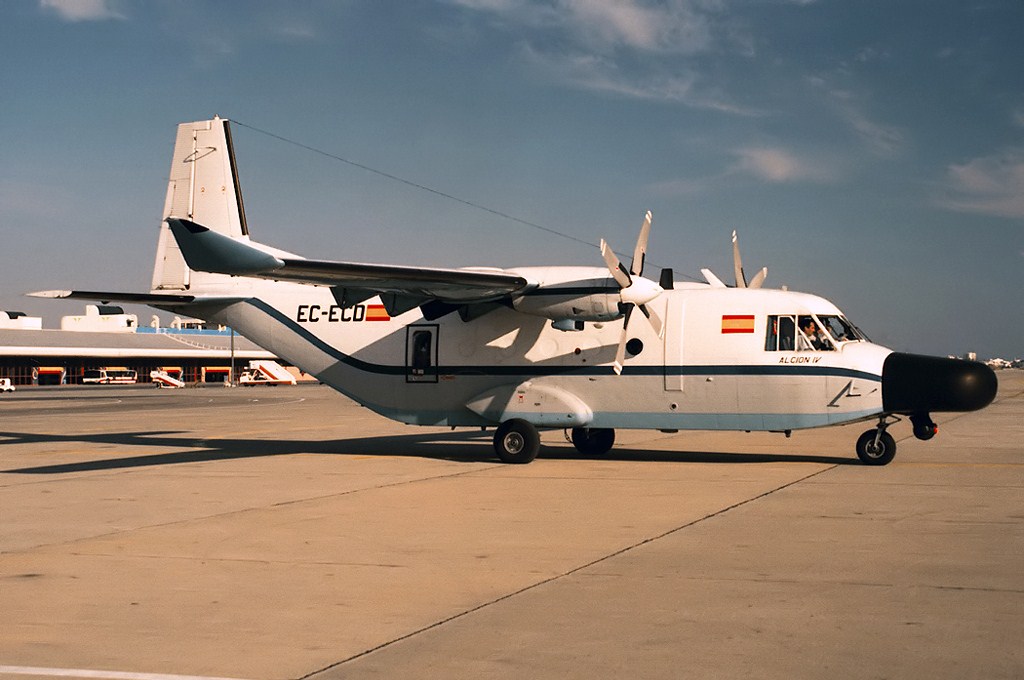
Pedro Argao (CC BY SA), vía commons Aviation history
What is the most exported Spanish aircraft in aviation history as of 1982?
The CASA C-212 Aviocar, with 478 aircraft sold in total — a figure covering its whole commercial career, not just 1982 — of which 126 were built under license… more…

RB7MRV (CC BY SA), vía commons Aviation history
Why were pure turbojets ruled out for the C-101?
Due to cost and fuel consumption: CASA soon ruled out the pure turbojets from General Electric and Rolls-Royce. Turbofans' efficiency and savings were well… more…
RB7MRV (CC BY SA), vía commons Aviation history
Where was the C-101's spin tested?
In Lille, France, where the Aviojet's tunnel campaign closed with spin behavior tests on a 1/18 scale model. In flight, spinning was part of the test phase… more…
RB7MRV (CC BY SA), vía commons Aviation history
Where was the C-101 tested at low and high speed?
The low-speed tests were done in tunnel No. 1 of the National Institute of Aerospace Technology (INTA) "Esteban Terradas," using a 1/7 scale model. The… more…
RB7MRV (CC BY SA), vía commons Aviation history
How was the C-101 camouflaged at Farnborough?
With a camouflage scheme closer to a Saab Viggen's than to a Spanish Air Force aircraft's: at Farnborough the Aviojet appeared dressed "the Swedish way." The… more…
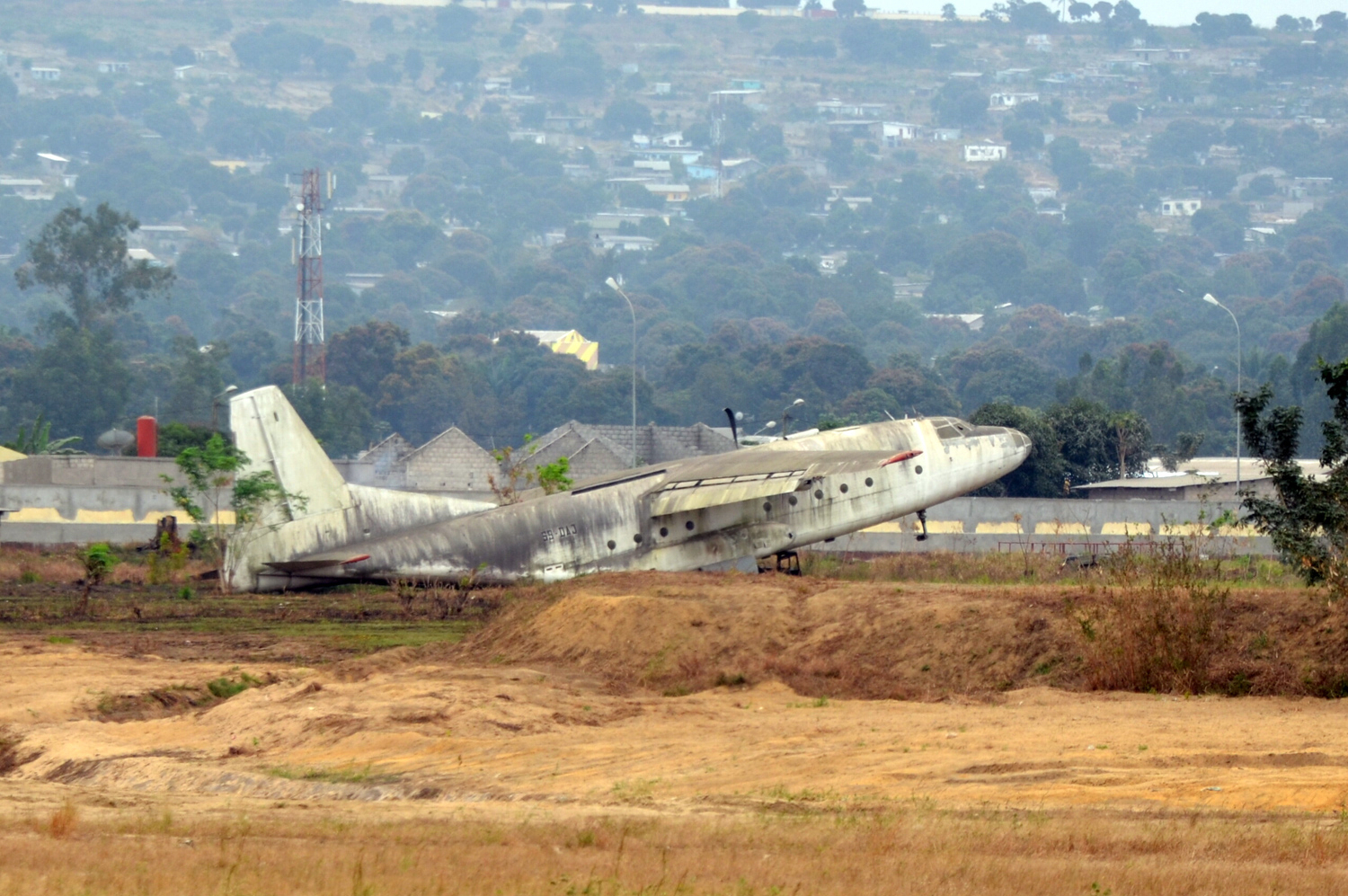
Vitaly Druchenok (CC BY SA), vía commons Aviation history
What "typically Russian" features did the An-8 have?
The An-8 was a Soviet light military transport with a high wing and two turboprops, featuring a glazed nose for the navigator, a chin radome for navigation… more…


