Did you know…
Why was the D.III's radiator moved to the right side?
Short answer
The Teves und Braun radiator at the center of the upper wing scalded the pilot if punctured. From D.III number 290 onward it was moved to the right, and earlier aircraft got the same change as a field modification. D.III aircraft sent to Palestine used two wing radiators because of the hotter climate.

The radiator at the center of the upper wing
Early Albatros D.III aircraft repeated the solution used on the last D.II: a Teves und Braun radiator shaped like a wing section and mounted at the center of the upper wing, a position where it tended to scald the pilot when punctured. On the D.II, that wing-section radiator had been moved to the center section of the upper wing on late-production examples. There too it proved troublesome, since a leak or combat damage could scald the pilot's face.
From "ear" radiators to the upper wing
The family's lineage came from a different cooling arrangement: in November 1916 Idflieg banned Windhoff side-mounted radiators on operational aircraft, because they sat lower than the engine crankcase they cooled, and a hit on either one could drain the cooling system. The D.II had been designed by Albatros engineers Robert Thelen, Schubert, and Gnädig in response to pilot complaints about the D.I's poor upward visibility. The solution adopted at the time was to move the upper wing 36 cm (14 in) closer to the fuselage and stagger it slightly forward.
The move to the right
Starting with D.III serial number 290, the radiator was moved to the right, and aircraft already built received the same relocation as a field modification. D.III aircraft deployed to Palestine carried two wing radiators to cope with the hotter climate.
More questions
Alan Wilson from Peterborough, Cambs, UK (CC BY SA), vía commons Aviation history
What was Antonov's first jet aircraft?
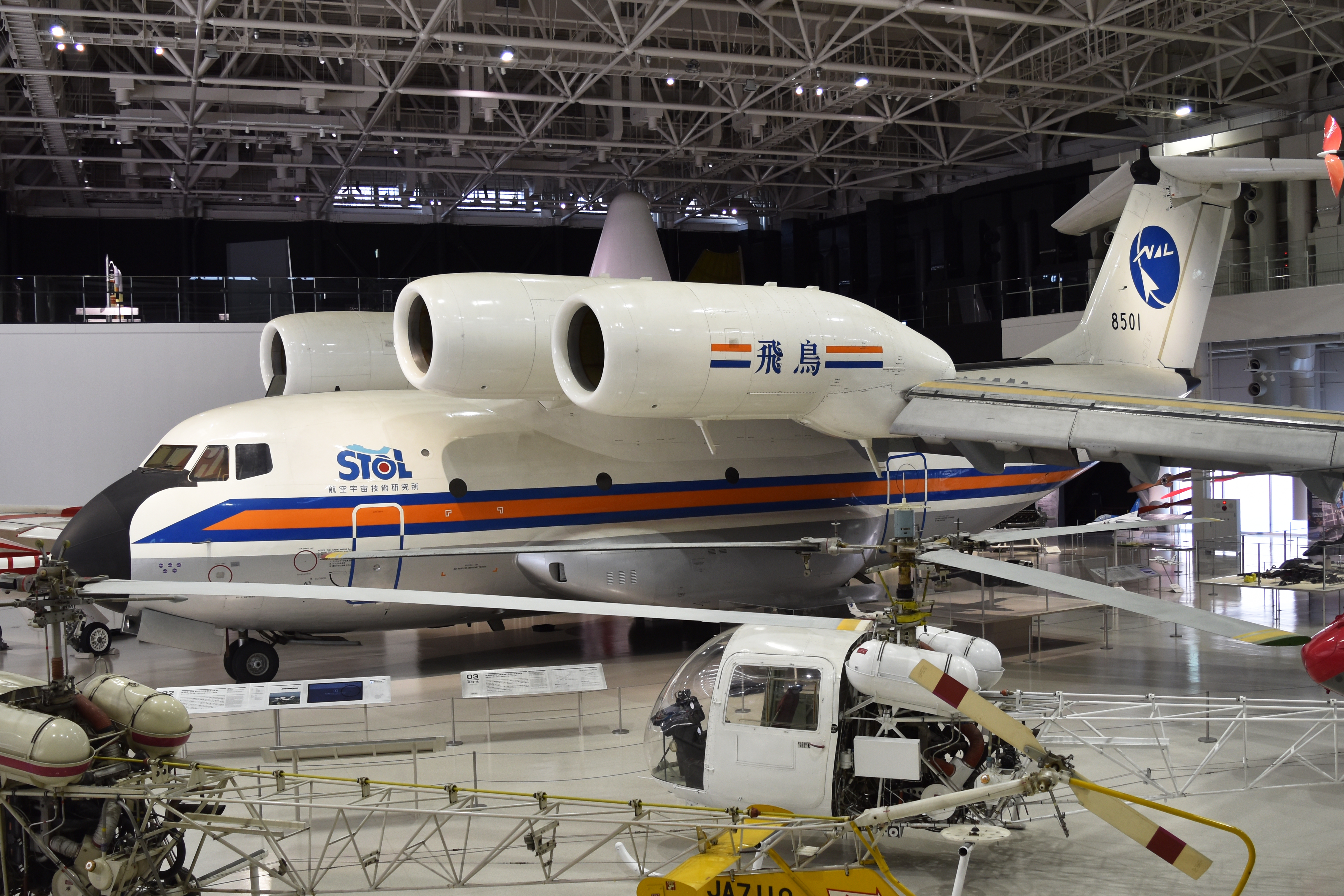
The An-72, the first jet aircraft in the Antonov family. Design work began in the early 1970s, likely as a Soviet response to the US AMST programme, and the… more…
Donald Trung Quoc Don (Chữ Hán: 徵國單) - Wikimedia Commons - © CC BY-SA 4.0 International.(Want to use this image?)Original publication 📤: --Donald Trung 『徵國單』 (No Fake News 💬) (WikiProject Numismatics 💴) (Articles 📚) 20:25, 16 January 2021 (UTC) (CC BY SA), vía commons Aviation history
How many civilians died in Rotterdam?
At least 1,150 people died in the German bombing of Rotterdam, of which 711 correspond solely to the attack of 14 May. Another 85,000 were left homeless. That… more…
- Image pending
Aviation history
What shaped charges did GRANIT use at Eben-Emael?
Granit used primitive, unlined shaped charges fixed onto Eben-Emael's turrets. When detonated they shook the turrets but failed to destroy them, so other… more…
Peyot (CC BY SA), vía commons Aviation history
What was the "Super Bidon"?
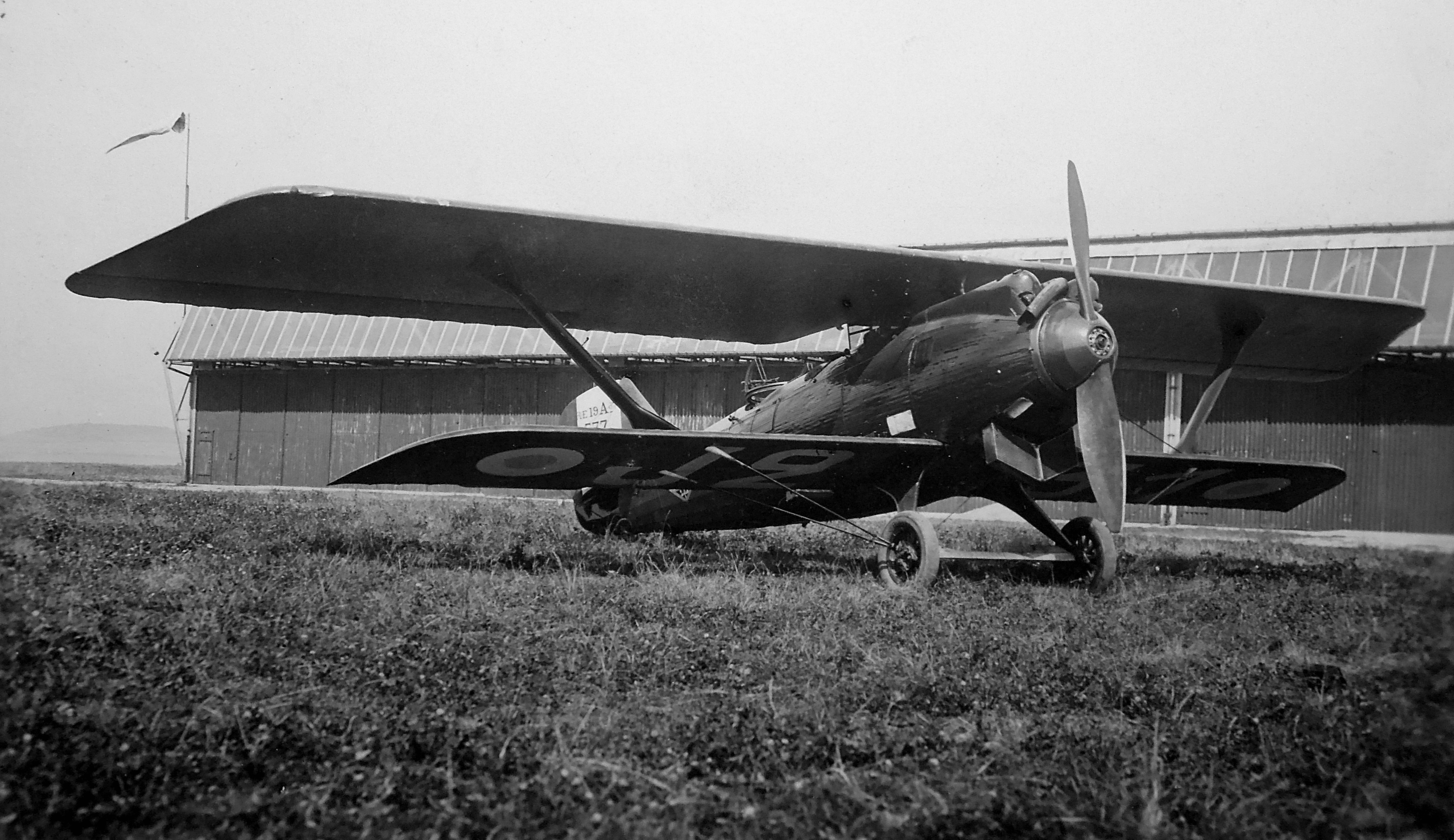
It was a version of the Breguet 19 with a modified fuselage and huge fuel capacity: the French Super Bidon was the third Br.19 TR Hispano, named Point… more…
Aviation history
Who crewed the Plus Ultra?
Four Spanish aviators: commander Ramón Franco, captain Julio Ruiz de Alda Miqueleiz, ensign Juan Manuel Durán and mechanic Pablo Rada. Franco and Ruiz de Alda… more…
Aviation history
Why does the An-32 have its engines mounted high?
To avoid foreign object damage when operating from rough, unprepared runways: the An-32 differs from its predecessor by having its engines raised 1.5 m above… more…


