Did you know…
Why does the An-32 have its engines mounted high?
Short answer
To avoid foreign object damage when operating from rough, unprepared runways: the An-32 differs from its predecessor by having its engines raised 1.5 m above the wing. That high nacelle placement also allowed larger-diameter propellers, driven by Ivchenko AI-20 turboprops. The An-32 is essentially a re-engined An-26.

Engines Above the Wing
The An-32 differs from its predecessor in having its engines raised 1.5 m above the wing, in order to avoid foreign object damage on rough, unprepared runways. The high nacelle placement also allowed larger-diameter propellers. The propellers are four-bladed and constant-speed.
Almost Double the Power
Those propellers are driven by Ivchenko AI-20 turboprops, which deliver almost twice the power of the An-26's AI-24s. The aircraft's configuration includes two ZMKB Progress AI-20DM engines, each rated at 3,812 kW (5,112 hp).
A Re-engined An-26 for Harsh Conditions
The An-32 is essentially a re-engined An-26, designed to withstand adverse weather conditions better than the standard An-26. As a variant of the An-24, it received upgraded equipment and the more powerful Ivchenko AI-20 engines, and is intended to fly in adverse weather. It first flew in July 1976 and was shown at the 1977 Paris Air Show.
More questions

Colin Cooke Photo (CC BY SA), vía commons Aviation history
What was the An-26's bubble window for?
The An-26's bulged windows were observation windows, part of its military equipment alongside folding canvas seats for paratroopers, an overhead hoist and… more…
Dmitry Terekhov from Odintsovo, Russian Federation (CC BY SA), vía commons Aviation history
At what altitude could the An-32 operate?
The An-32's service ceiling is 9,500 m (31,200 ft). More striking is its hot-and-high performance: it has outstanding takeoff characteristics at temperatures… more…
Saggittarius A (CC BY SA), vía commons Aviation history
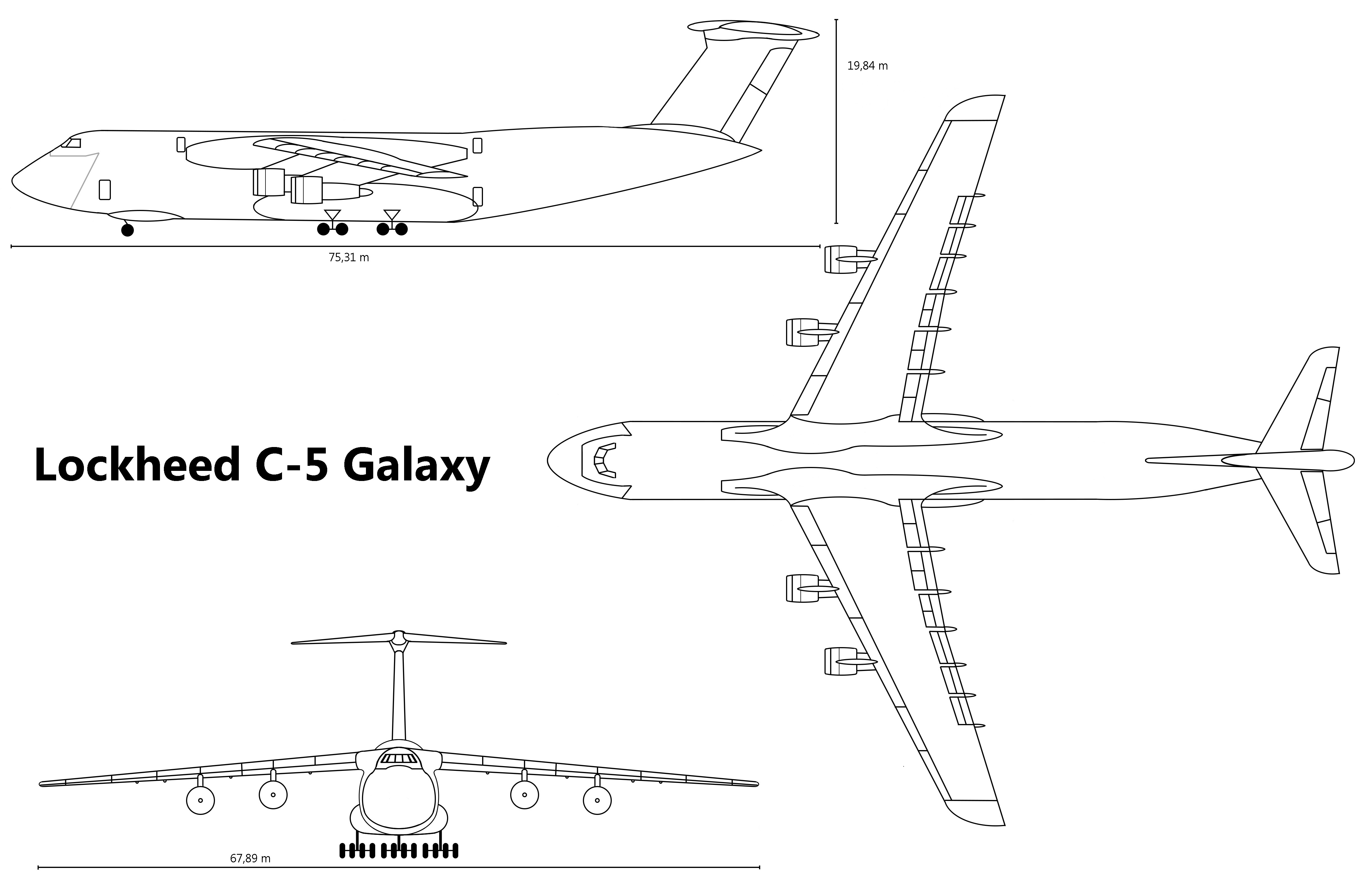
Which Western aircraft was the An-40 compared to?
The Lockheed C-5 Galaxy. The An-124, called An-40 in the West during its development, broadly resembled the American strategic transport, though with… more…
Aviation history
What is the An-72's landing gear like?
Four independent single-wheel main legs that retract inward into sizeable fairings. Combined with high-flotation tyres, that sturdy gear lets the aircraft… more…
Aviation history
Which fighter replaced the Arado Ar 65E?
The Heinkel He 51: from 1935 it replaced the Arado Ar 65 as a front-line fighter. The He 51 had been designed to replace the Ar 65 and served alongside the… more…
Aviation history
How many float-equipped Ar 66s were built?
Ten: ten production Ar 66B floatplanes were built, in addition to the Ar 66b prototype, the program's second prototype, completed as a floatplane. The main… more…


