Did you know…
What was the C-69B Constellation designed for?
Short answer
To carry troops over long range and, specifically, to transport engines for the B-29 Superfortress bomber to China. Lockheed assigned it the internal designation L-349, but the project never left the drawing board: no C-69B was ever built, like other military proposals derived from the C-69.

A Constellation for the war
When the United States entered World War II, the Constellation that Lockheed was developing for TWA was transferred to the Army Air Forces as a military transport under the designation C-69. The original version was a troop transport, of which 22 examples were built; nearly all of them were later converted into L-049 airliners. On that basis, Lockheed and the military studied several derivatives with more specific missions.
B-29 engines bound for China
The C-69A was a proposed long-range troop transport. The C-69B shared that same approach, but was designed for a very specific task: carrying engines for the B-29 Superfortress to China. The relationship between the two aircraft was close, since the Wright R-3350 radial engine that powered the Constellation had been developed precisely for the B-29, and the pilot who flew the XC-69 prototype's first flight, Edmund Allen, was that bomber's test pilot at Boeing. In Lockheed's internal numbering, the C-69B was given the designation L-349.
Projects that never arrived
No C-69B was ever manufactured, nor was the C-69D, another proposal, in this case for a VIP transport. A single C-69C-1 was built, a VIP aircraft with the internal designation L-549 that was later renamed ZC-69C-1, and the XC-69 prototype was converted into the XC-69E, an engine test bed with four Pratt & Whitney R-2800s. As the end of the war approached, the C-69 lost relevance to the war effort, and the program was redirected toward the airlines, where the Constellation would find its true calling.
More questions
L-Bit (CC BY SA), vía commons Military aviation
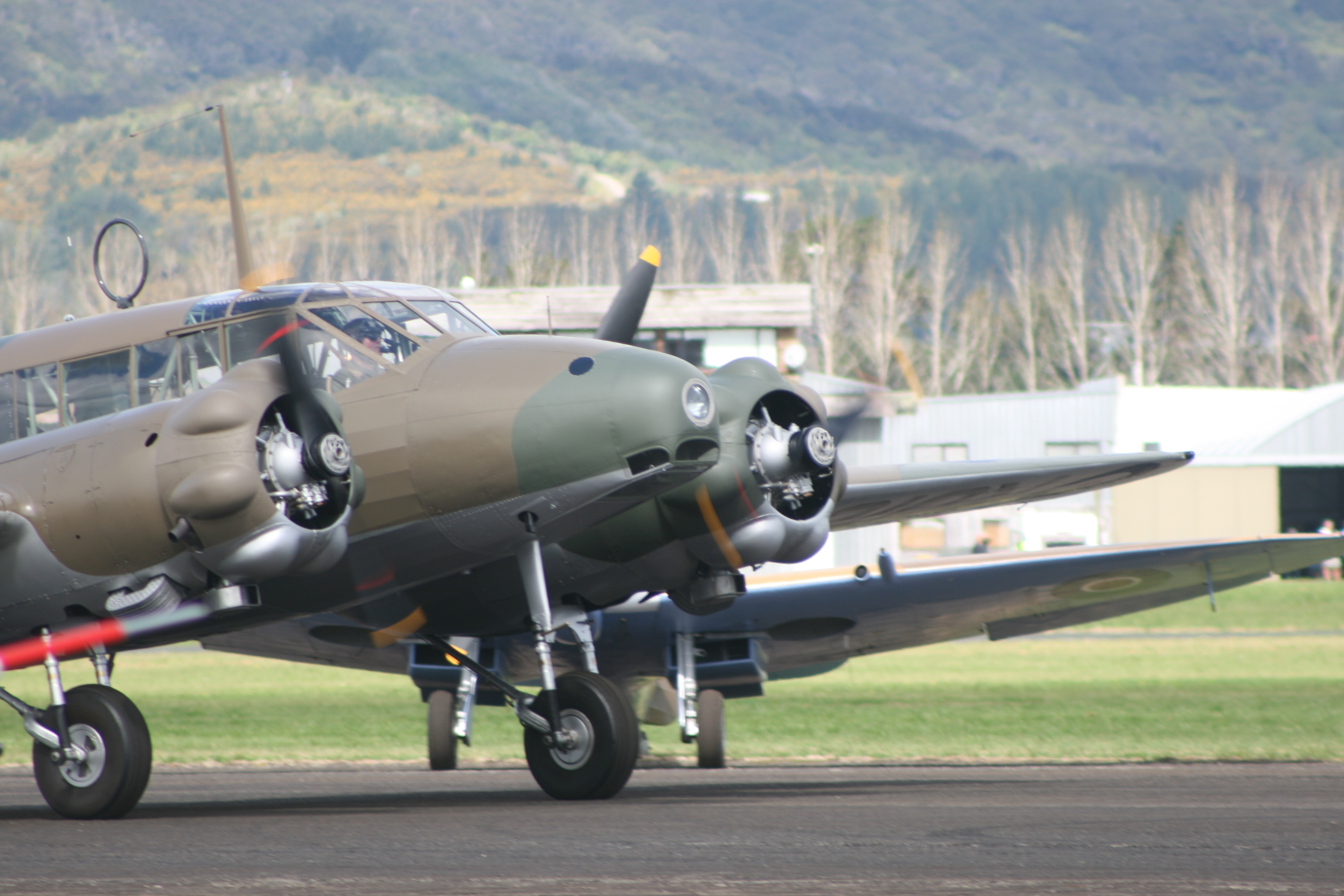
How many Anson Mk I were built?
6,688 or 6,742 Avro Anson Mk I were built, according to different sources; History of War, which gives the second figure, places 3,935 at Woodford and the… more…
Military aviation
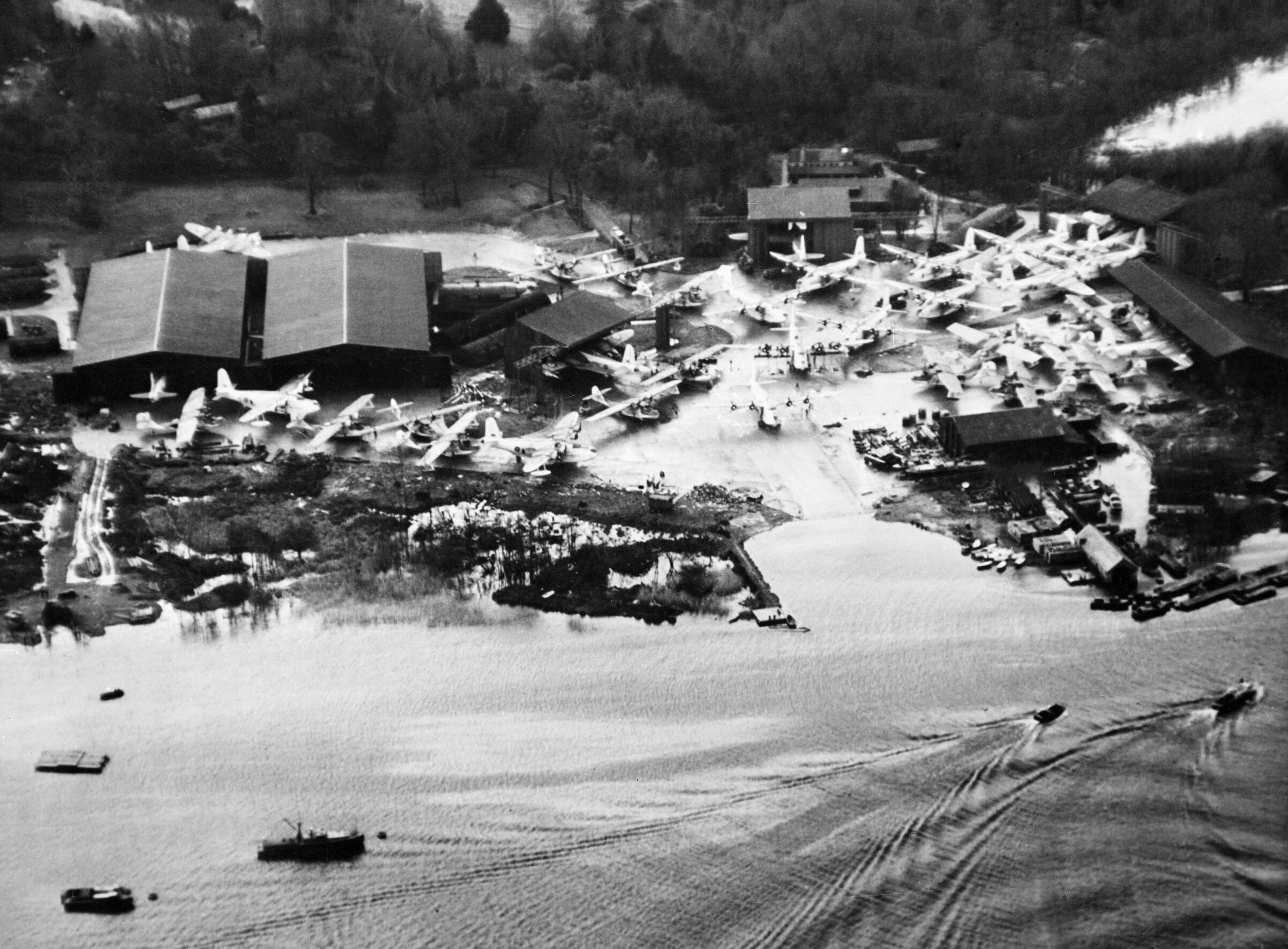
Which flying boats rescued the crew of the Kensington Court in 1939?
They were two RAF Sunderland flying boats: according to uboat.net, an aircraft of Squadron 228 and L5802 of Squadron 204 landed on the water next to the… more…
Military aviation
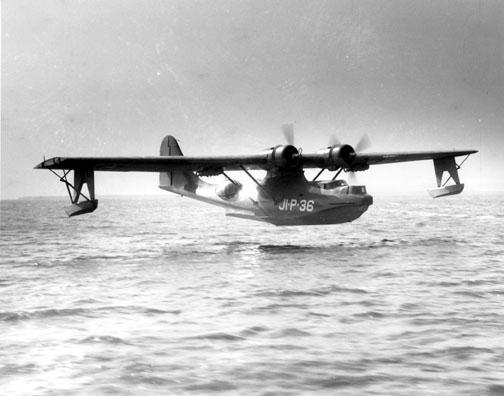
How long did Catalina convoy escort flights to the USSR last?
Many of the Catalina flights protecting convoys to the Soviet Union lasted between 15 and 20 hours and ended at Gryaznaya Bay (Murmansk) or at Arkhangelsk… more…
Military aviation
How many aircraft did the Axis lose in Crusader?
Around 332 aircraft destroyed and around 228 abandoned in the operation's tally, which took place between 18 November and 30 December 1941. According to their… more…
Military aviation
How many victories did No. 604 Squadron, the RAF night-fighter squadron, claim?
Around 127 aerial victories over the course of the war, 41 of them since May 1944. No. 604 (County of Middlesex) Squadron RAF spent most of the Second World… more…
Military aviation
Why did the "Torch" P-40Fs carry a flag on the fuselage?
To deter Vichy French forces from shooting them down: aircraft with yellow-outlined roundels sometimes had an American flag added in front of the roundel. The… more…


