Did you know…
What was the Ju 52's "Doppelflügel"?
Short answer
It was the name given to the narrow control surface that ran along the entire trailing edge of the Ju 52's wing, set apart from it. Its inboard section acted as a flap and lowered the stalling speed; the outboard section worked as an aileron. Because it looked like a second wing, it was called "Doppelflügel," double wing.

A second wing behind the first
The Ju 52 had a low cantilever wing, with the center section built into the fuselage, and a structure of four pairs of circular-section duralumin spars under the corrugated skin characteristic of Junkers, which gave it torsional stiffness. Behind it, running along the entire trailing edge of each wing half and set well apart from it, ran a narrow control surface. Seen in profile it looked like a small auxiliary wing placed just behind the main one, hence its German name: Doppelflügel, "double wing."
Flap inboard, aileron outboard
That surface did two jobs. Its inboard section acted as a flap: lowering it reduced the stalling speed. The outboard section worked differentially as an aileron for roll control; it projected slightly beyond the wingtips and carried horn balances.
The same approach on the tail
The idea of heavily balanced, separated surfaces was repeated at the rear. The braced horizontal stabilizer carried elevators with horn balance that also projected outward and left a visible gap relative to the stabilizer. All of this is part of the unmistakable silhouette of the Ju 52, nicknamed Tante Ju ("Auntie Ju") and Iron Annie, which can still be seen on the historic examples still flying in the 21st century, among them the Ju 52/3mg2e of the Lufthansa foundation, in whose in-flight photographs the Doppelflügel can be clearly seen. The Ju 52/3m was used in the 1930s mainly as a 17-seat airliner or as a utility transport for various civilian operators. From 1933, the Nazi regime demanded military versions from Junkers, and the Luftwaffe ended up acquiring thousands of examples as a basic transport; the main production version was the Ju 52/3mg7e.
More questions
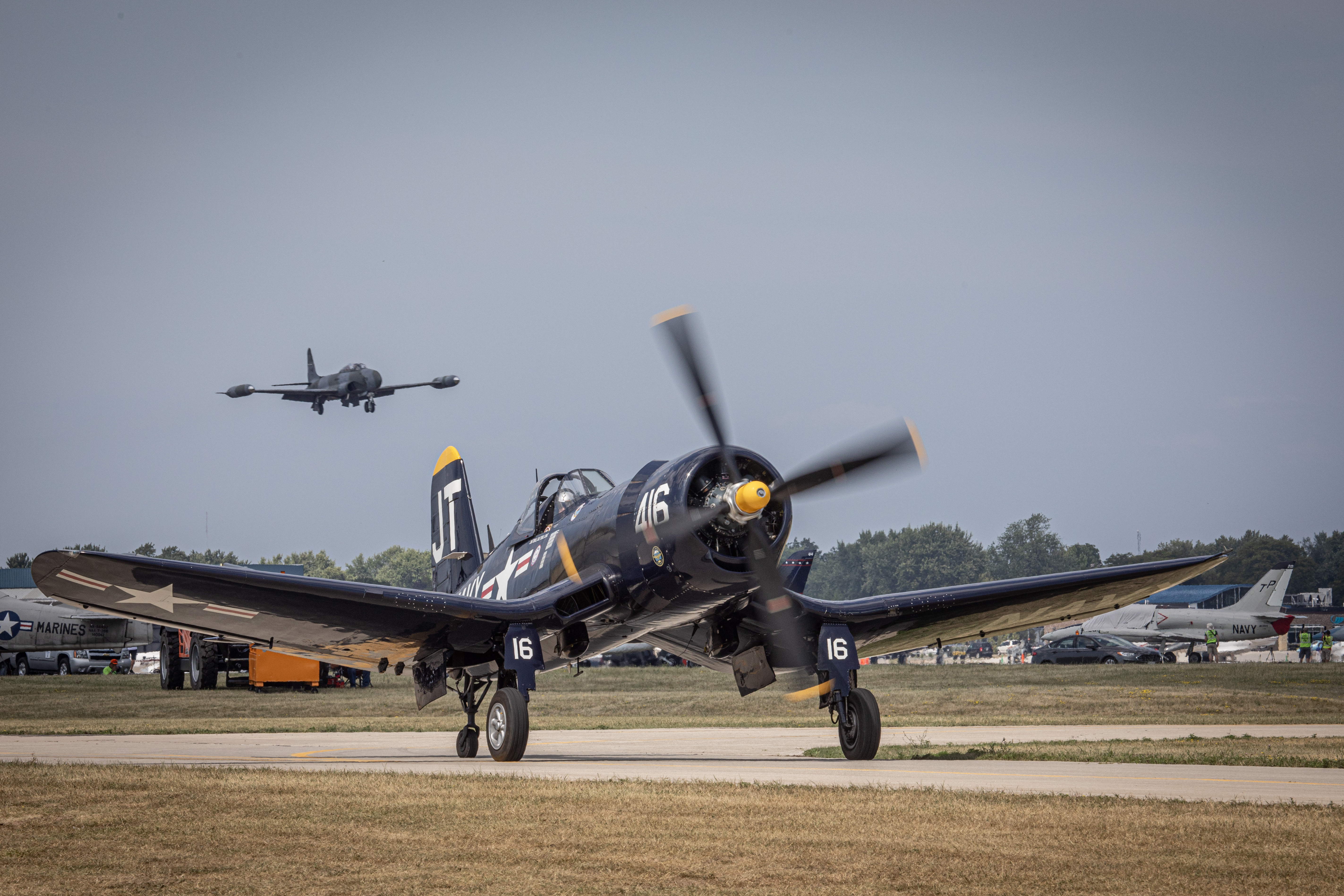
Physics of flight
Why can't a Corsair pilot apply full power when going around after a failed carrier landing?
Because at low speed and high power the Corsair would drop its left wing suddenly and with almost no warning, due to propeller torque. If the throttle was… more…
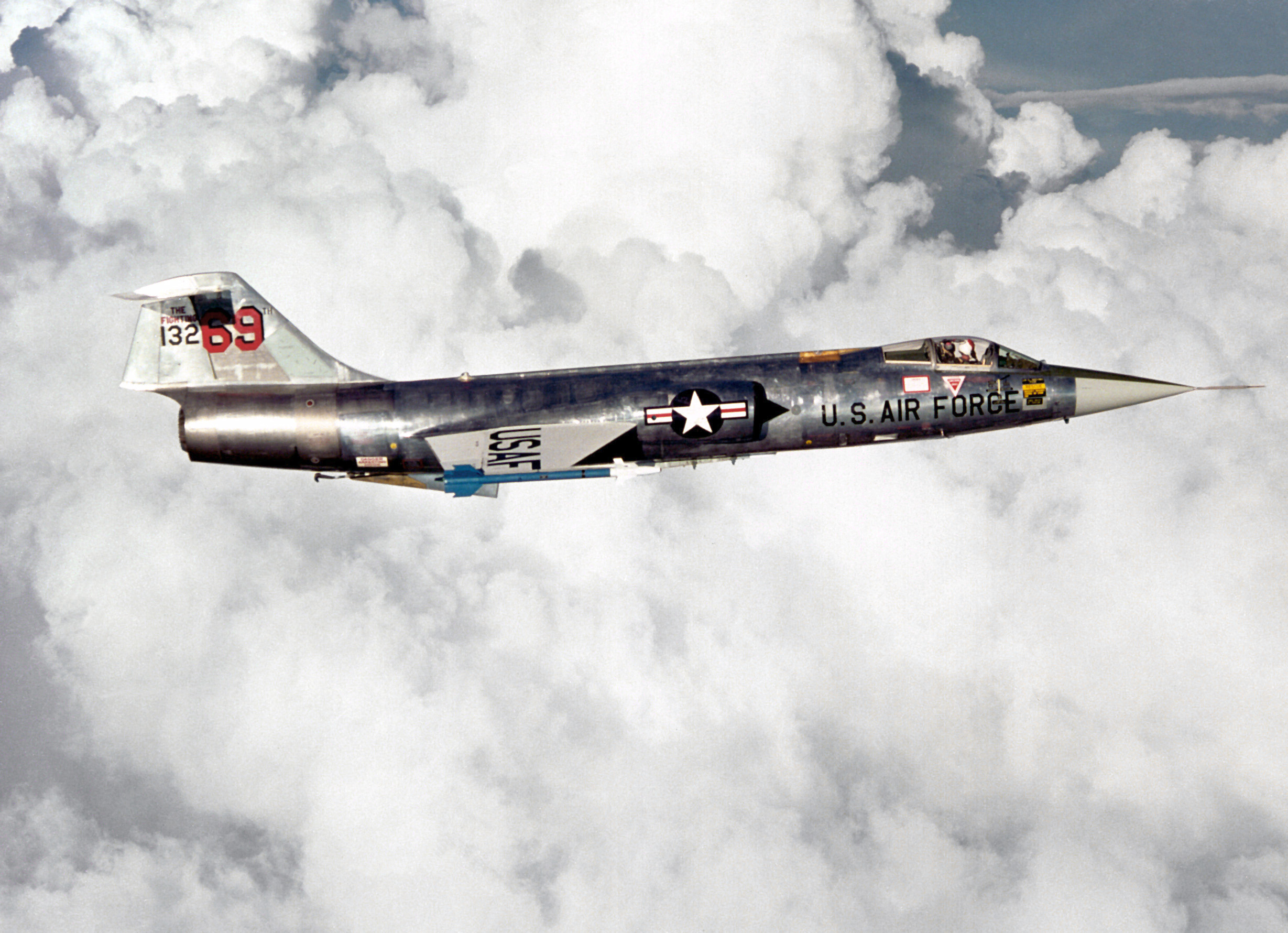
Physics of flight
What did the phrase "banking with intent to turn" mean among F-104 pilots?
It was a joke among Canadian F-104 pilots: banking the aircraft "with intent to turn" referred to its poor low-speed turning. Its sustained turn capability… more…
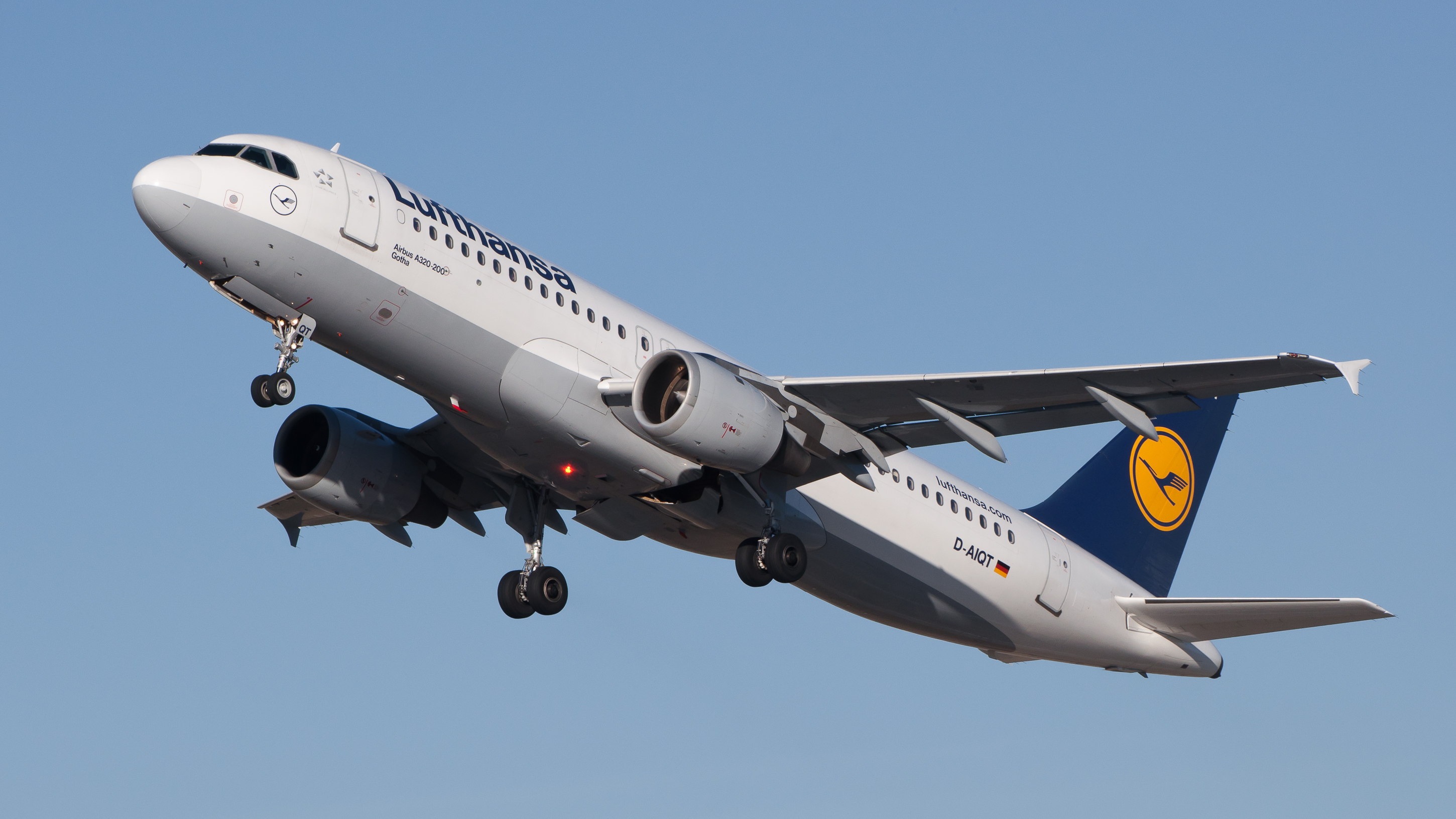
Julian Herzog (Website) (CC BY), vía commons Physics of flight
What is "flight envelope protection," which the A320 pioneered?
A set of limits embedded in the flight control software: it calculates the flight envelope, adds a safety margin, and blocks pilot inputs that would take the… more…
Julian Herzog (Website) (CC BY), vía commons Physics of flight
What is the A320's SHARP package for?
SHARP (SHort AiRfield Package) improves takeoff and landing performance on short runways and is designed to increase low-speed lift. It combines aerodynamic… more…
Physics of flight
What flaw sank Vought's all-metal V-141 fighter?
It wasn't a single flaw: tests showed the V-141 still flew poorly, was prone to spinning, and also suffered tail flutter, which is why it was rejected. It… more…
Physics of flight
What wind tunnel did NACA use to study the Corsair, and how big was it?
The full-scale 30- by 60-Foot Tunnel at the Langley Research Center, in Hampton, Virginia. NACA dedicated the facility on 27 May 1931 and used it to test the… more…


