Did you know…
How long does it take for a parrot's wings to grow?
Short answer
A parrot is not an aircraft, but the answer is specific: the chick is born with bare wings, and flight feathers grow in over weeks. A budgerigar flies 30-35 days after hatching; a large macaw needs three to four months. If feathers are clipped, they grow back with the next molt, usually in under a year.
First, a clarification
The question comes from a common mix-up between sections: a parrot is not an aircraft, and on an aviation site that's worth stating upfront. Even so, the answer is worth knowing, because a bird's wing is the reference point Lilienthal, the Wright brothers, and many others used to understand flight. A parrot is born with its wings already formed as bone and muscle, but bare: what "grows" and takes time are the feathers, especially the primary and secondary flight feathers that form the lifting surface.
How long each species takes
Flight feathers emerge as quills wrapped in a sheath that opens as the feather fills with keratin and loses its blood supply. In a budgerigar the process is quick: chicks leave the nest at 30-35 days old with their wings already functional. In mid-sized parrots and parakeets, such as lovebirds or cockatiels, flight arrives between five and eight weeks. Large species work on a different scale: a macaw or an African grey parrot takes three to four months to grow feathers and fly, and even then needs weeks of practice to land smoothly. The general rule is the same as with aircraft: the greater the mass, the more time and structure the wing needs to work.
Clipping and molting
If a pet parrot's flight feathers are clipped, the wing doesn't "grow back" in the usual sense: each clipped feather is replaced when its turn comes during molting, which in most species is annual and staggered, so flight capability is usually regained within six to twelve months. A feather pulled out at the root, by contrast, regrows faster, in about four to six weeks, because the follicle is activated immediately. Avian veterinarians recommend clipping only the outer primaries and doing so symmetrically, precisely to avoid leaving the bird with an asymmetric wing, a problem any aeronautical engineer would recognize as a lift imbalance.
What a parrot's wing teaches aeronautics
A parrot's wing is short and rounded, built for taking off and braking among branches rather than for gliding: high wing loading, a low aspect ratio, and an ability to vary camber and area that no mechanical flap can match. The primary feathers that many birds spread at the tip act as natural anti-vortex fins and inspired the winglets on several aircraft designs. That morphology changes with species and age: a newly feathered chick has shorter, softer feathers, and only after its first full molt does it take on the adult profile.
More questions
Physics of flight
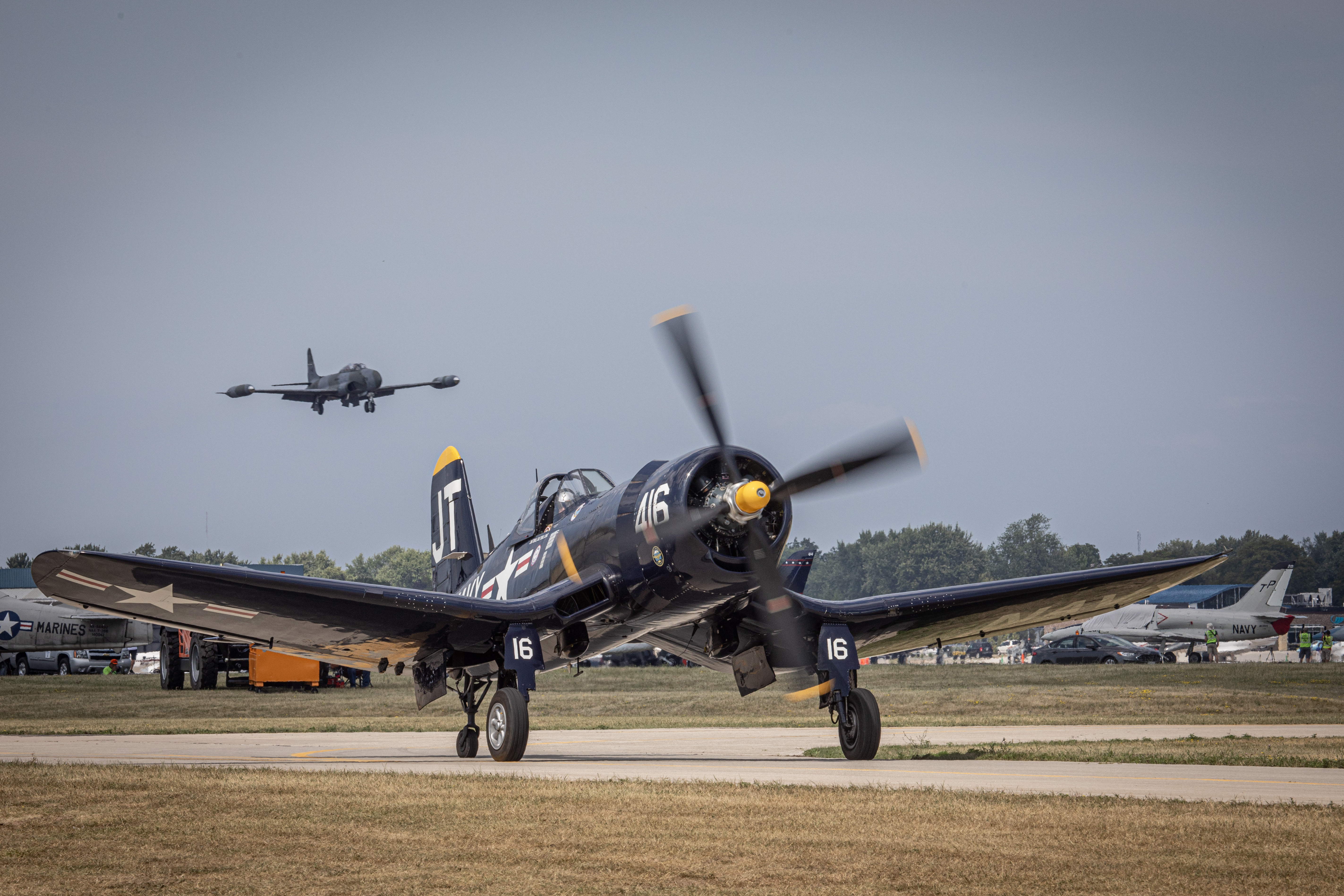
Why can't a Corsair pilot apply full power when going around after a failed carrier landing?
Because at low speed and high power the Corsair would drop its left wing suddenly and with almost no warning, due to propeller torque. If the throttle was… more…
Physics of flight
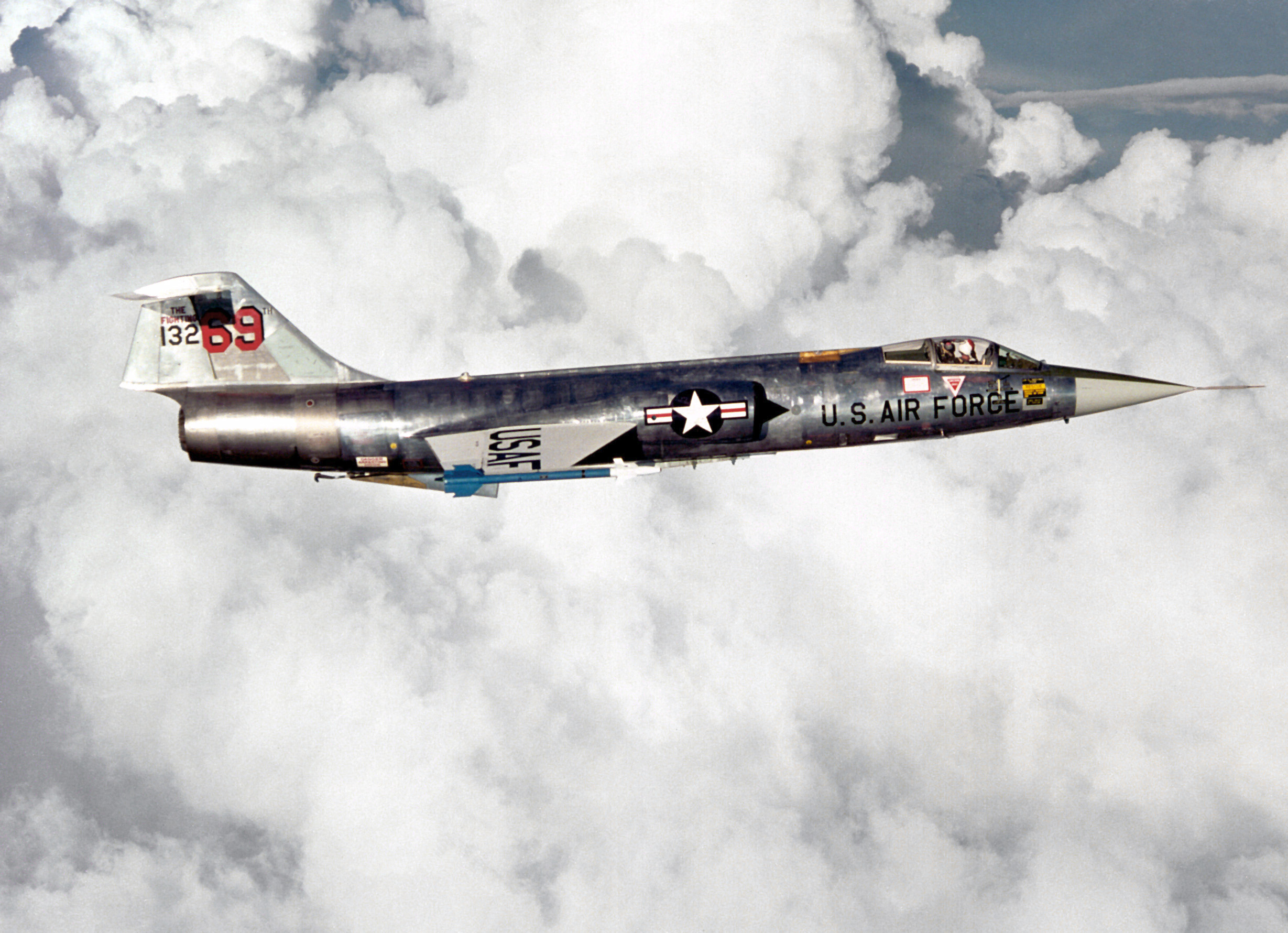
What did the phrase "banking with intent to turn" mean among F-104 pilots?
It was a joke among Canadian F-104 pilots: banking the aircraft "with intent to turn" referred to its poor low-speed turning. Its sustained turn capability… more…
Julian Herzog (Website) (CC BY), vía commons Physics of flight
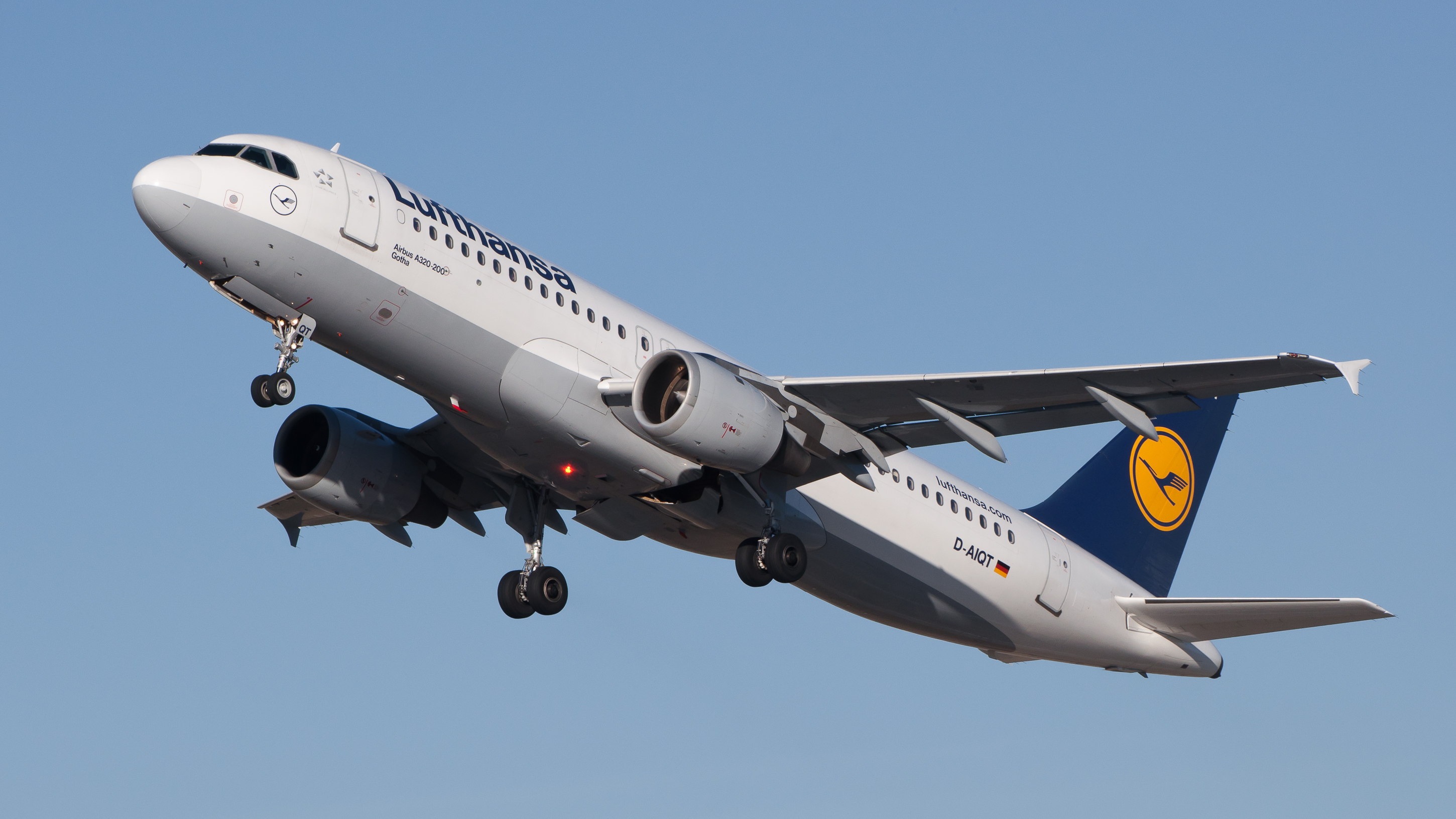
What is "flight envelope protection," which the A320 pioneered?
A set of limits embedded in the flight control software: it calculates the flight envelope, adds a safety margin, and blocks pilot inputs that would take the… more…
Julian Herzog (Website) (CC BY), vía commons Physics of flight
What is the A320's SHARP package for?
SHARP (SHort AiRfield Package) improves takeoff and landing performance on short runways and is designed to increase low-speed lift. It combines aerodynamic… more…
Physics of flight
What flaw sank Vought's all-metal V-141 fighter?
It wasn't a single flaw: tests showed the V-141 still flew poorly, was prone to spinning, and also suffered tail flutter, which is why it was rejected. It… more…
Physics of flight
What wind tunnel did NACA use to study the Corsair, and how big was it?
The full-scale 30- by 60-Foot Tunnel at the Langley Research Center, in Hampton, Virginia. NACA dedicated the facility on 27 May 1931 and used it to test the… more…


