Did you know…
Where is airplane fuel stored?
Short answer
Almost all the fuel sits inside the wings, in integral tanks formed by the structure itself, plus a center tank in the wing box beneath the cabin. Some aircraft add tanks in the horizontal stabilizer or cargo hold. An A320 carries about 24,000 liters; an A380, about 320,000 (as of September 2026).

The wing as a tank
The natural place for fuel is inside the wing. The torsion boxes formed by spars, ribs and skin are sealed and turned into integral tanks, with no bladders or extra containers, so that almost all of the wing's structural volume is put to use. There's an engineering logic to it: fuel weight, spread along the span, counters the lift force that tends to bend the wing upward and reduces loads at the root. That's why fuel management systems burn from the center tank first and save the wing tanks for last, and why a fully loaded aircraft requires a minimum amount of fuel in the wings before takeoff.
Center tank, tail and cargo hold
Between the two wing halves, beneath the cabin floor, the wing's center box houses a third tank that on wide-body aircraft can be the largest of all. Some long-range models, such as the A330, A340 or A380, add a trim tank in the horizontal stabilizer: during cruise, fuel is transferred aft to shift the center of gravity, reduce the load on the tail and shave off a bit of fuel burn. Business jets and extended-range versions install auxiliary tanks in the cargo hold, and in fighters, with their thin wings, most of the fuel travels in the fuselage behind the cockpit, supplemented by jettisonable external tanks.
Reference figures
An Airbus A320 carries around 24,000 liters split between two wing tanks and one center tank; an A380 holds up to 320,000 liters across eleven tanks (manufacturer data, September 2026). Aviation kerosene weighs about 0.8 kg per liter, so an A380 with full tanks carries more than 250 tonnes of fuel, close to half its maximum takeoff weight. Tanks vent to the atmosphere through surge tanks at the wingtips to avoid overpressure from changes in altitude and temperature.
Safety and management
Each tank has redundant electric pumps, transfer valves and capacitive level probes; the crew monitors lateral balance and, if one wing is heavier than the other, triggers a cross-feed transfer. After the 1996 TWA 800 accident, inerting systems were mandated that fill the empty space of the center tank with oxygen-depleted air to prevent flammable mixtures. And, despite what is sometimes believed, fuel never travels in the cabin: the few fuselage tanks sit in sealed compartments, isolated from passengers and the baggage hold.
More questions
Physics of flight
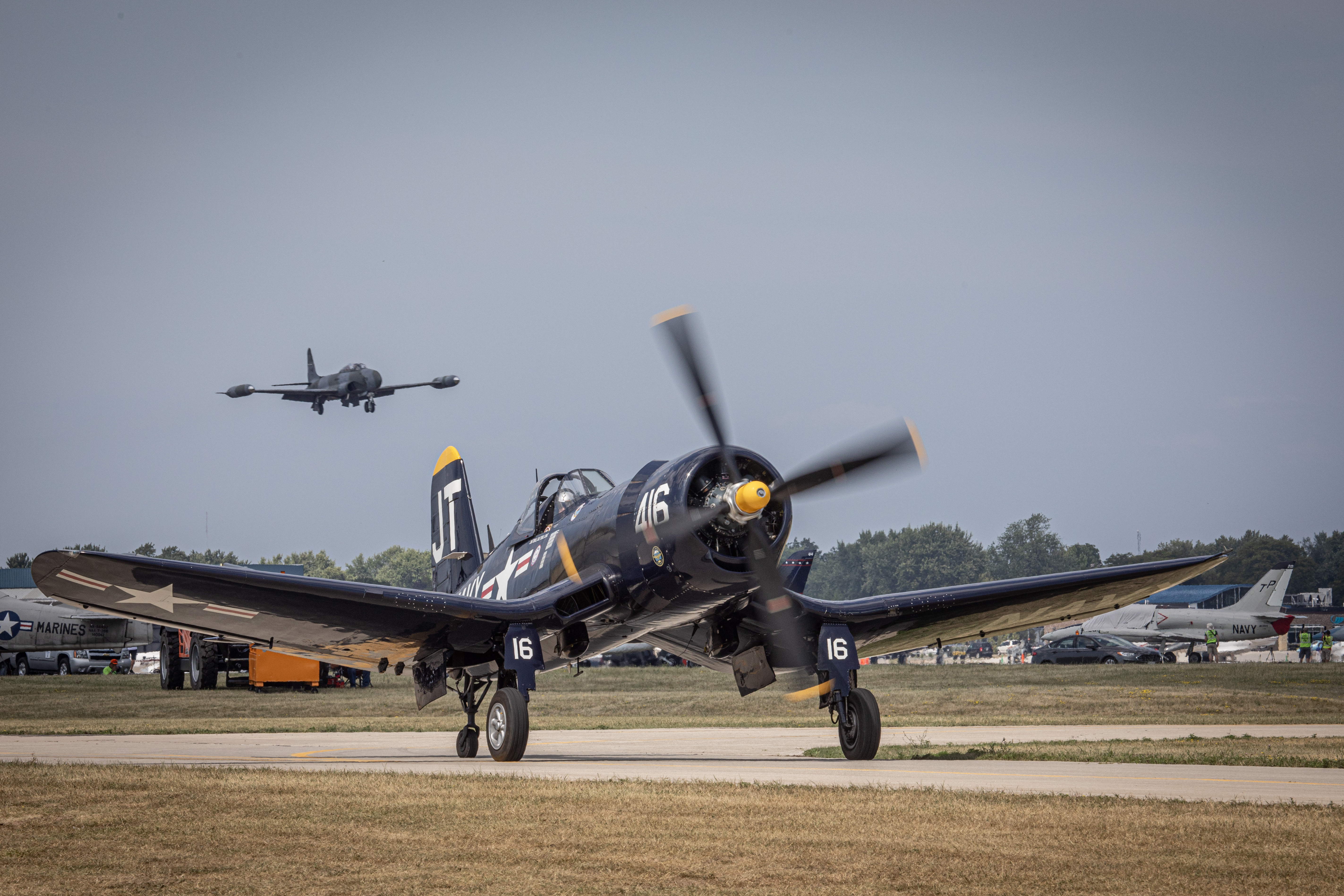
Why can't a Corsair pilot apply full power when going around after a failed carrier landing?
Because at low speed and high power the Corsair would drop its left wing suddenly and with almost no warning, due to propeller torque. If the throttle was… more…
Physics of flight
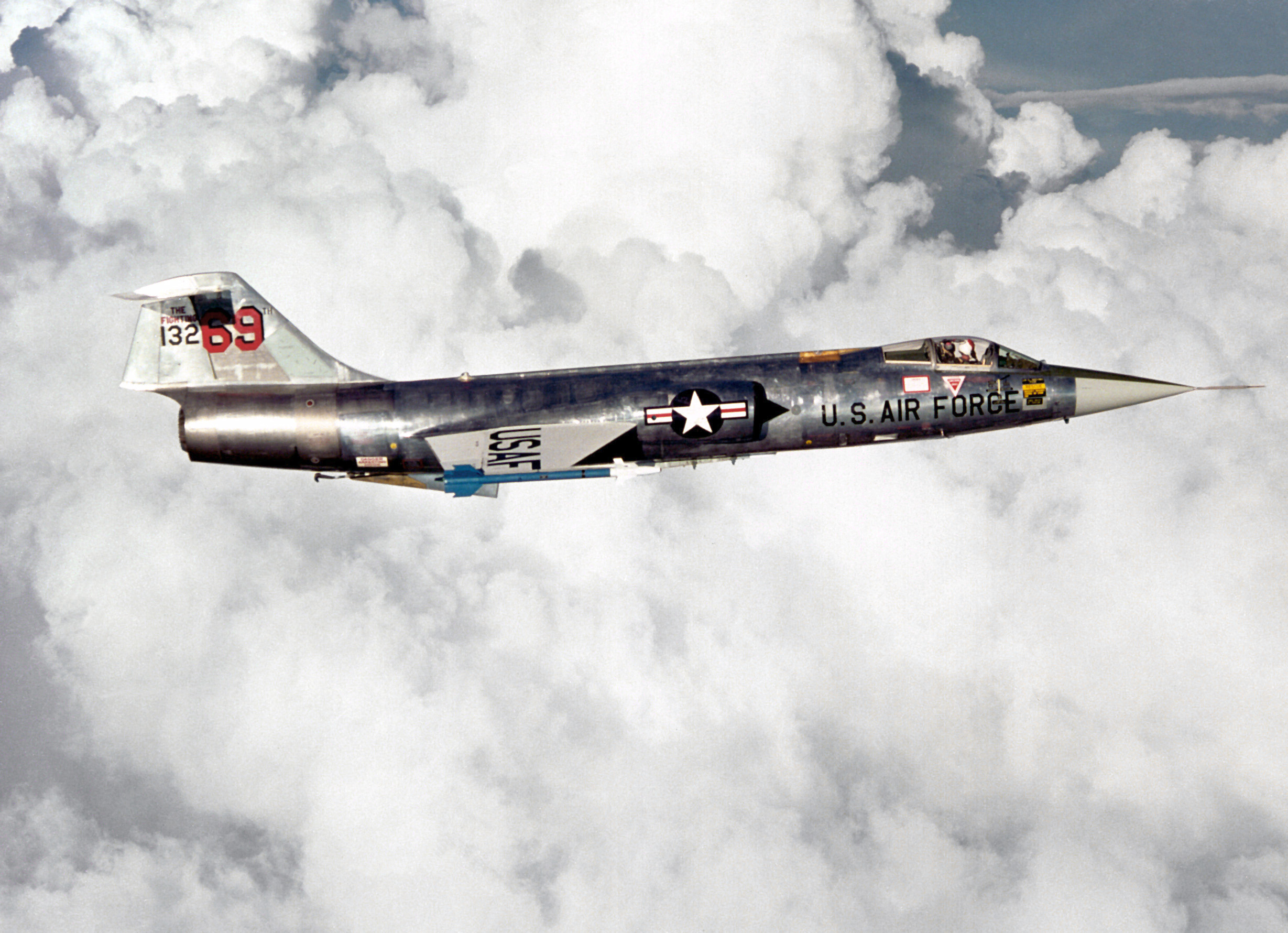
What did the phrase "banking with intent to turn" mean among F-104 pilots?
It was a joke among Canadian F-104 pilots: banking the aircraft "with intent to turn" referred to its poor low-speed turning. Its sustained turn capability… more…
Julian Herzog (Website) (CC BY), vía commons Physics of flight
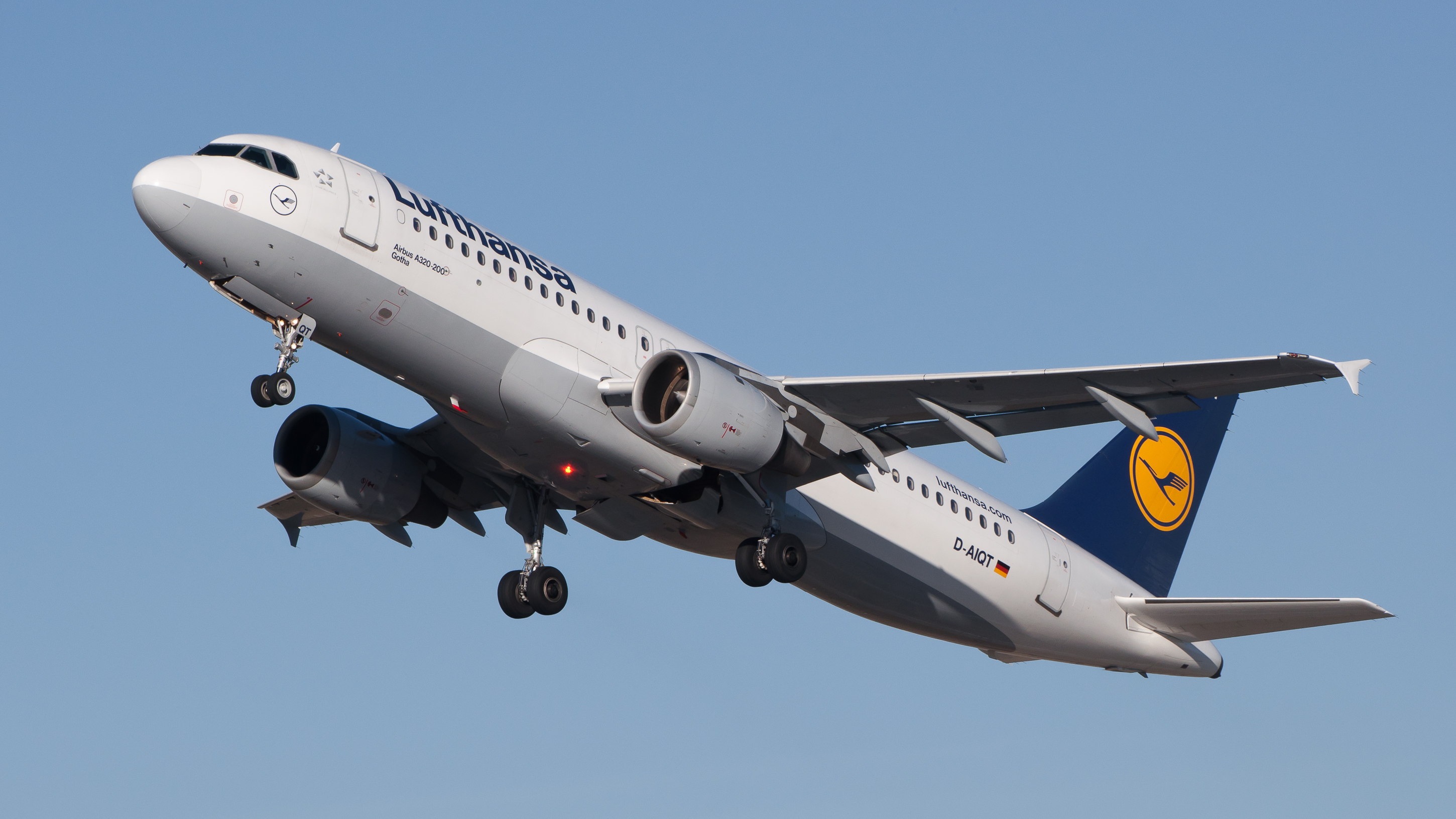
What is "flight envelope protection," which the A320 pioneered?
A set of limits embedded in the flight control software: it calculates the flight envelope, adds a safety margin, and blocks pilot inputs that would take the… more…
Julian Herzog (Website) (CC BY), vía commons Physics of flight
What is the A320's SHARP package for?
SHARP (SHort AiRfield Package) improves takeoff and landing performance on short runways and is designed to increase low-speed lift. It combines aerodynamic… more…
Physics of flight
What flaw sank Vought's all-metal V-141 fighter?
It wasn't a single flaw: tests showed the V-141 still flew poorly, was prone to spinning, and also suffered tail flutter, which is why it was rejected. It… more…
Physics of flight
What wind tunnel did NACA use to study the Corsair, and how big was it?
The full-scale 30- by 60-Foot Tunnel at the Langley Research Center, in Hampton, Virginia. NACA dedicated the facility on 27 May 1931 and used it to test the… more…

