Did you know…
How much fuel do the A320's sharklets save?
Short answer
Sharklets improve the A320 family's fuel burn by 3.5% on longer sectors, saving about 730 tonnes of CO2 per aircraft per year. Airbus's retrofit for aircraft already in service cuts fuel costs by up to four percent, with more than 900 tonnes of CO2 saved annually per aircraft.

A 3.5% saving on longer sectors
Sharklets improve the A320 family's fuel burn by 3.5% on longer sectors. That saving is equivalent to an annual reduction of about 730 metric tonnes of CO2 per aircraft. The launch operator was Air New Zealand, whose A320s were to debut the devices by the end of 2012. The first application on the A321 would follow about six months later, with the A319 coming next and, eventually, the A318.
Retrofitting aircraft already in service
For older A320-family aircraft already flying, a retrofit version of the device exists. The modification reduces fuel costs by up to four percent. It also increases mission range by up to 100 nautical miles. The stated emissions saving exceeds 900 tonnes of CO2 per year per aircraft. Operators of those aircraft thus gain access to significant cost savings and performance improvements.
Also on corporate Airbus jets
Comlux The Aviation Group was the first to retrofit sharklets on an Airbus corporate jet, an ACJ319. On that aircraft the fuel saving likewise reaches up to four percent, with the corresponding range improvement.
More questions
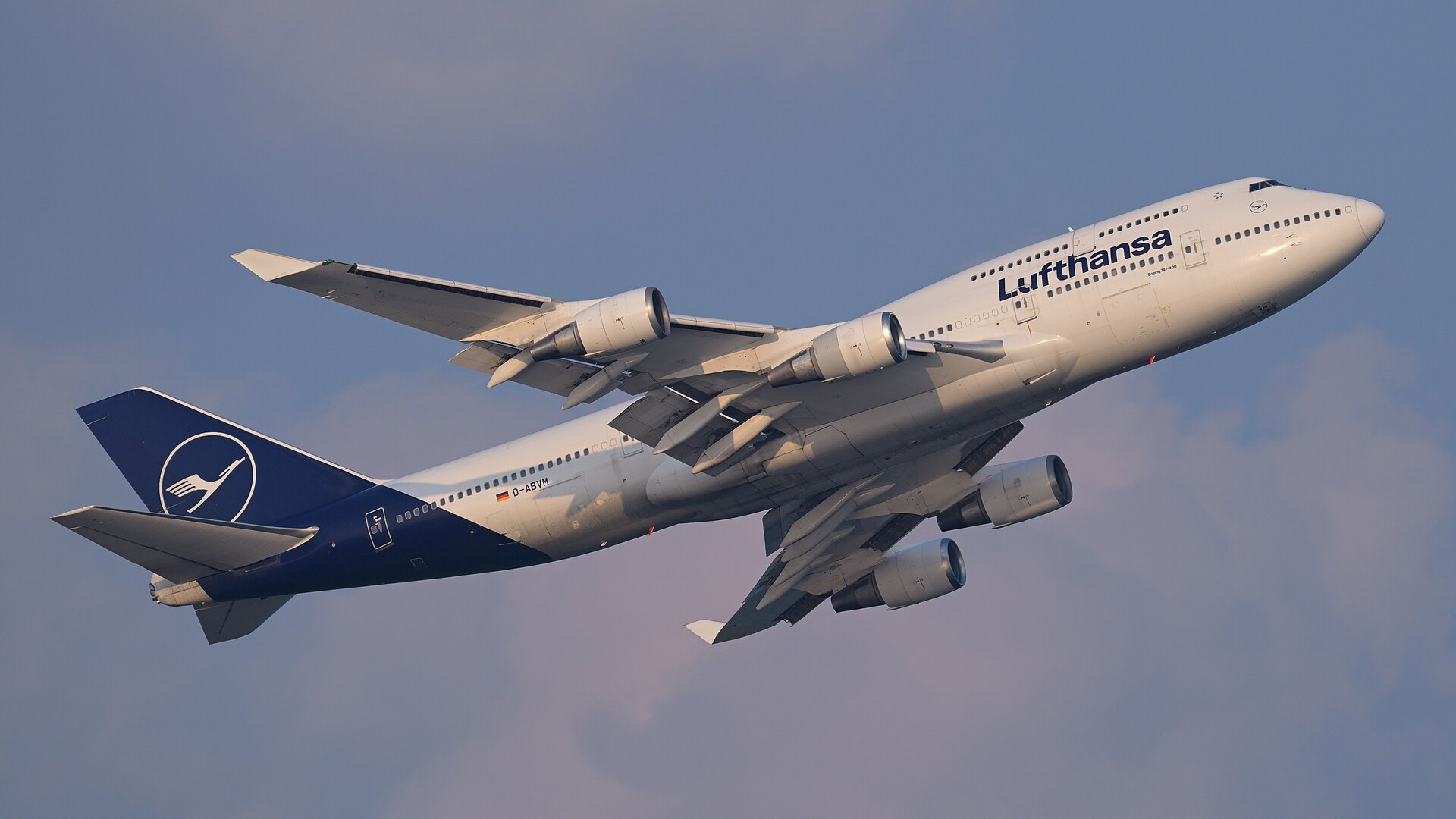
Foto: 4300streetcar (CC BY 4.0) Commercial aviation
Which 747 carried Enterprise "piggyback"?
The first Shuttle Carrier Aircraft was a Boeing 747-123 registered N905NA, originally built for American Airlines and acquired by NASA in 1974. Boeing… more…
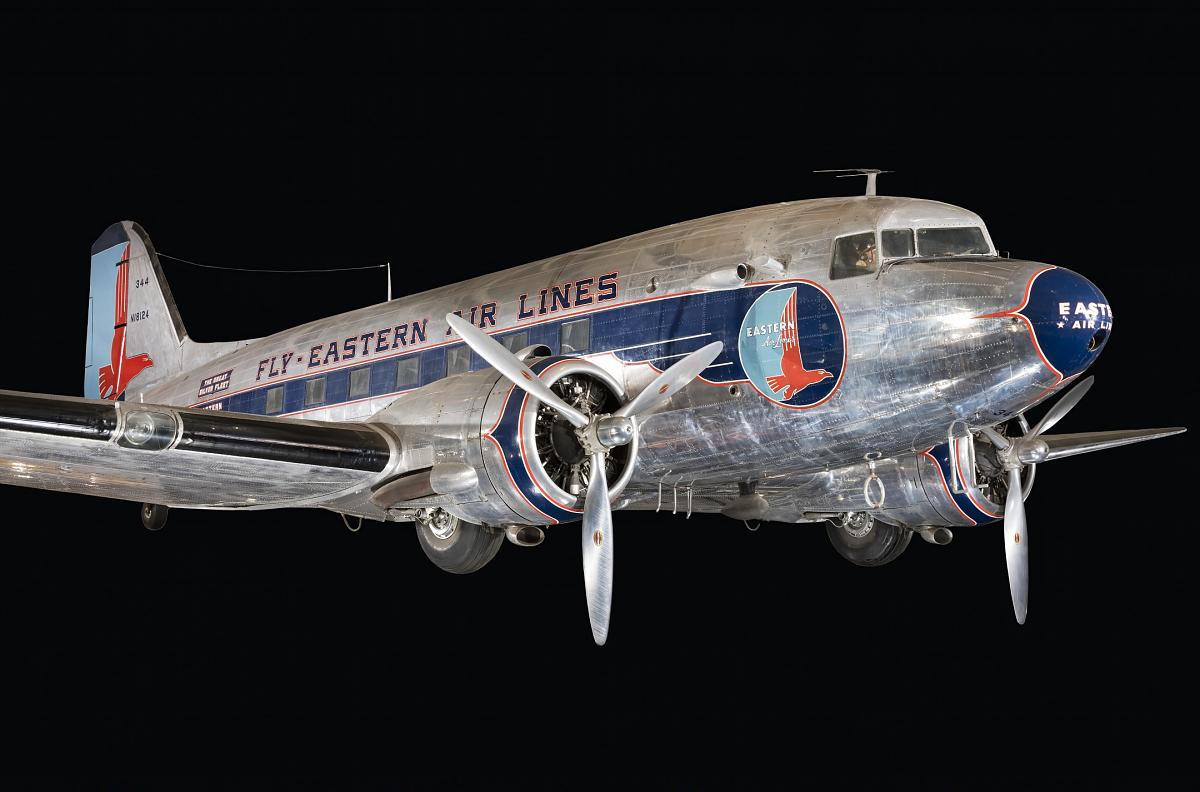
Commercial aviation
Was there an amphibious DC-3?
Yes: the Douglas XC-47C was created by fitting Edo Model 78 floats onto a standard C-47. The single-step metal floats carried retractable wheels that also… more…
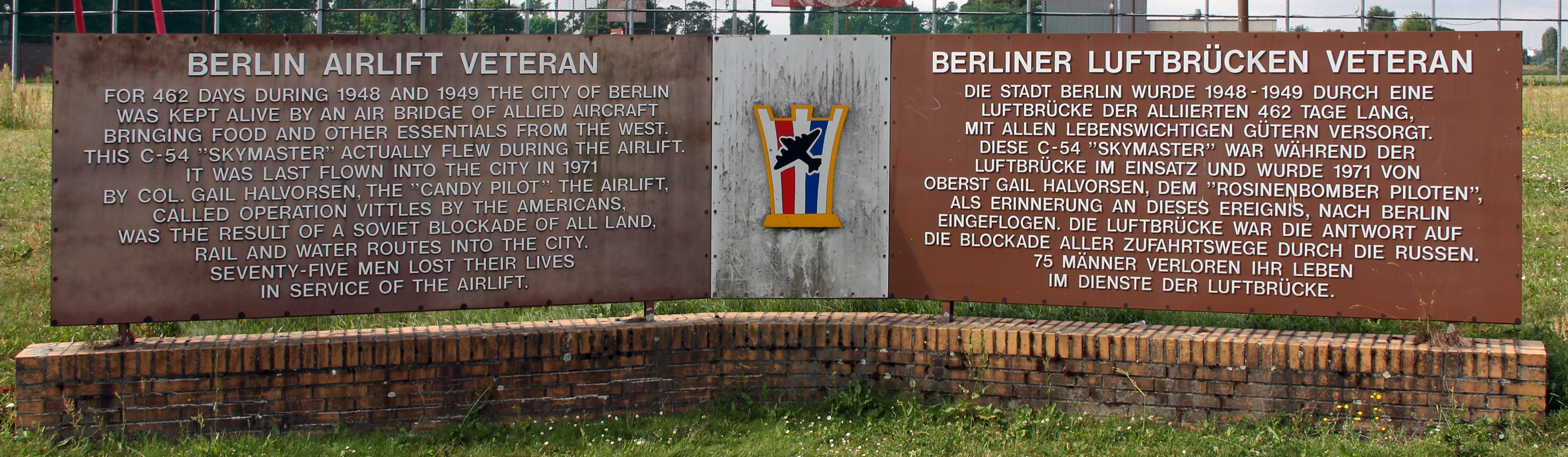
OTFW, Berlin (CC BY SA), vía commons Commercial aviation
Was a C-47 converted into a glider?
Yes: the Douglas XCG-17 was an assault glider created by converting a twin-engine C-47 Skytrain during World War II. Its engines were removed and the nacelles… more…
Commercial aviation
What did the USSR build from the DC-3?
The USSR built a version of the DC-3 under a licence granted to its government on 15 July 1936. It was designated PS-84 and, in 1942, renamed Lisunov Li-2… more…
Commercial aviation
What was "Puff, the Magic Dragon"?
It was the nickname of the Douglas AC-47 Spooky, the first in a series of fixed-wing gunships developed by the United States Air Force during the Vietnam War… more…
Commercial aviation
How did the RAF refer to the C-47?
The RAF called it Dakota: the Dakota I was the designation for 53 C-47s received under Lend-Lease. The Dakota III designated 962 C-47A Skytrains. The Dakota… more…


