Did you know…
How did drones change warfare?
Short answer
Drones changed warfare in two waves. First, from 2001, aircraft such as the Predator and the MQ-9 Reaper allowed surveillance and strikes for more than 24 hours without risking crews. Later, from Nagorno-Karabakh in 2020 and above all in Ukraine, cheap drones made the battlefield transparent and turned any visible movement lethal.

From surveillance to remote strikes
The first mass-use unmanned aircraft, such as the Predator, debuted in the Balkans in the mid-1990s as surveillance platforms. In 2001 they received Hellfire missiles, and with the MQ-9 Reaper from 2007, a new form of warfare was born: aircraft able to remain over a target for more than 24 hours, piloted from bases thousands of kilometers away and capable of striking without putting anyone at risk. The United States used them in Afghanistan, Iraq, Pakistan, and Yemen, opening the debate over targeted strikes and their civilian casualties.
The war of cheap drones
The second shift came when the technology became cheap. In Nagorno-Karabakh in 2020, Turkish Bayraktar TB2s and Azerbaijan's loitering munitions destroyed Armenian armor and air-defense batteries, showing that a mid-sized country could achieve air superiority with aircraft costing just a few million dollars. The war in Ukraine since 2022 has taken that logic to the extreme: commercial quadcopters to observe and correct artillery fire, FPV drones costing a few hundred euros that chase down a vehicle or a soldier, and long-range munitions such as the Shahed, which Russia launches by the hundreds against the power grid. Both sides manufacture hundreds of thousands of units a year, and Ukrainian naval drones forced the Black Sea Fleet to pull back from Sevastopol.
What has truly changed
The battlefield has become transparent: massing troops or moving a vehicle in daylight is now dangerous dozens of kilometers from the front. The economics of air defense have been turned upside down, because shooting down a 20,000-euro drone with a million-euro missile isn't sustainable, which is driving the development of guns, lasers, and interceptor drones. And electronic warfare has moved to the forefront: jamming the link or the GPS signal is now as decisive as armor, hence drones guided by fiber optics or with autonomous navigation.
More questions
L-Bit (CC BY SA), vía commons Military aviation
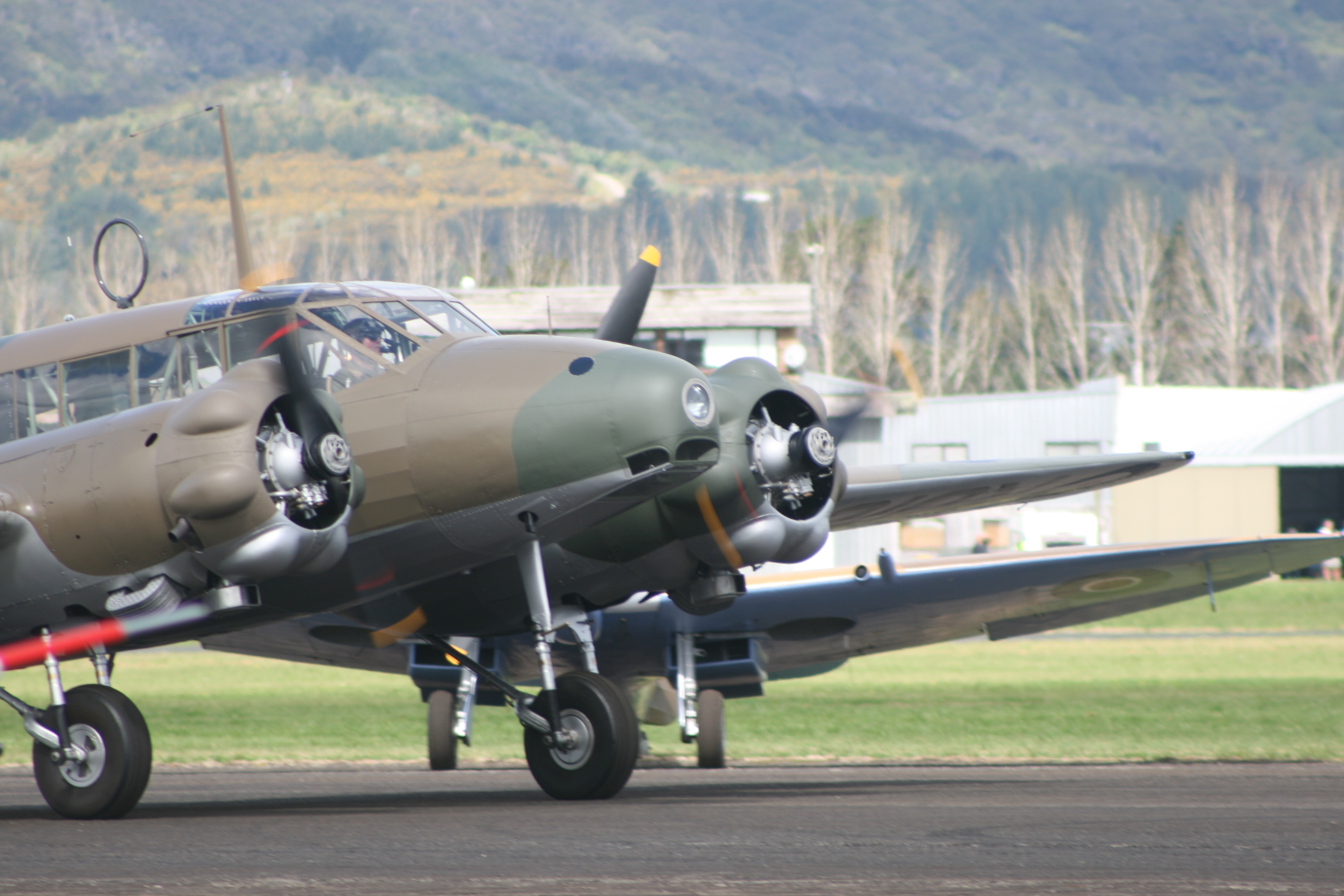
How many Anson Mk I were built?
6,688 or 6,742 Avro Anson Mk I were built, according to different sources; History of War, which gives the second figure, places 3,935 at Woodford and the… more…
Military aviation
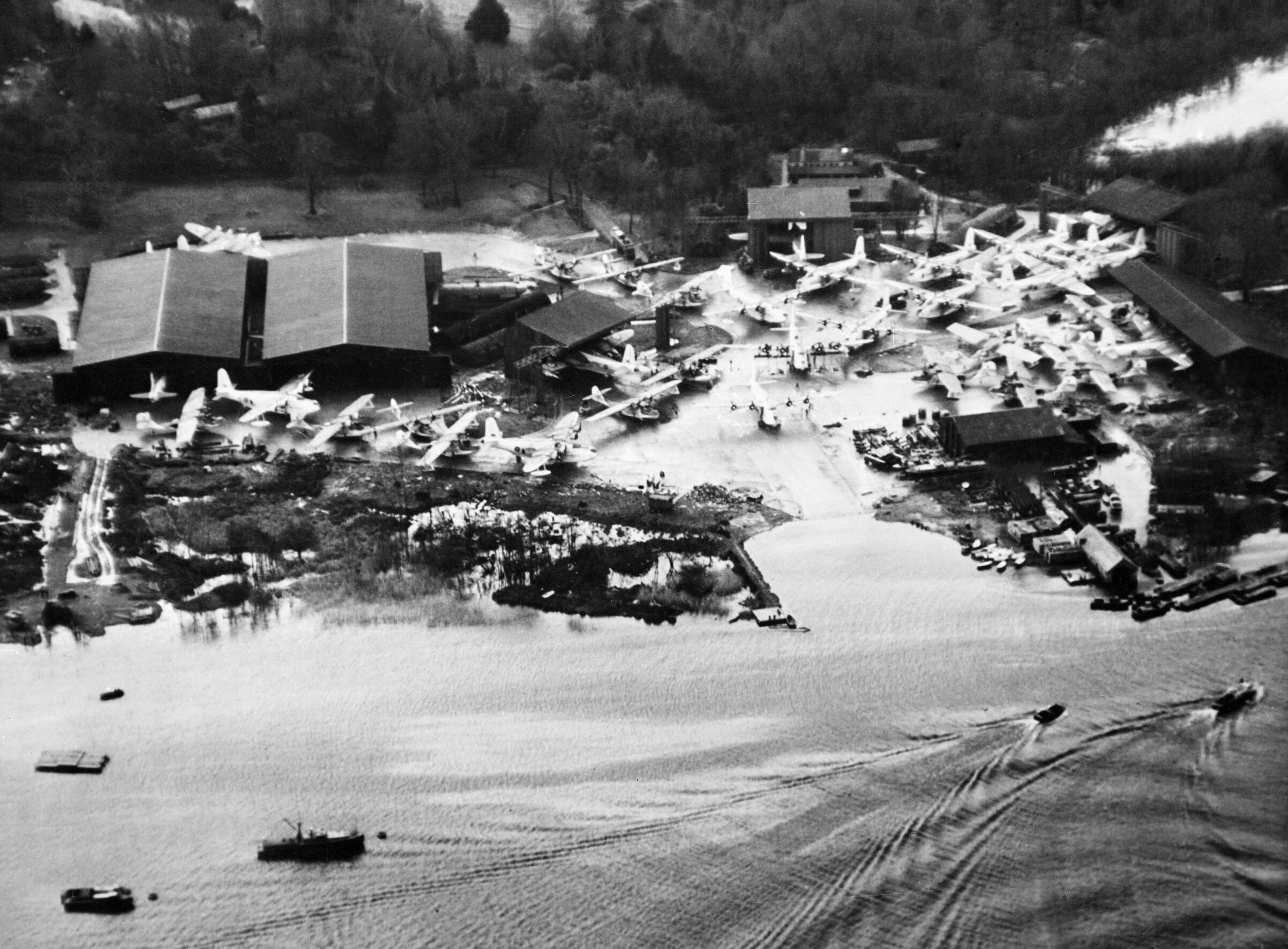
Which flying boats rescued the crew of the Kensington Court in 1939?
They were two RAF Sunderland flying boats: according to uboat.net, an aircraft of Squadron 228 and L5802 of Squadron 204 landed on the water next to the… more…
Military aviation
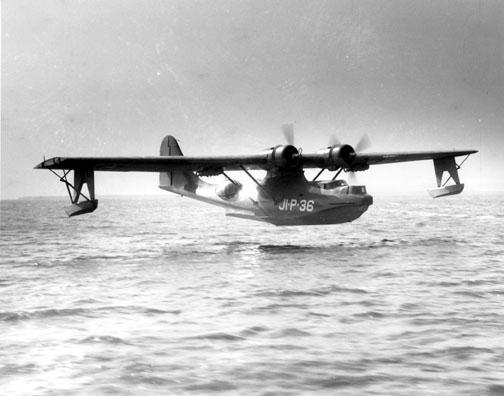
How long did Catalina convoy escort flights to the USSR last?
Many of the Catalina flights protecting convoys to the Soviet Union lasted between 15 and 20 hours and ended at Gryaznaya Bay (Murmansk) or at Arkhangelsk… more…
Military aviation
How many aircraft did the Axis lose in Crusader?
Around 332 aircraft destroyed and around 228 abandoned in the operation's tally, which took place between 18 November and 30 December 1941. According to their… more…
Military aviation
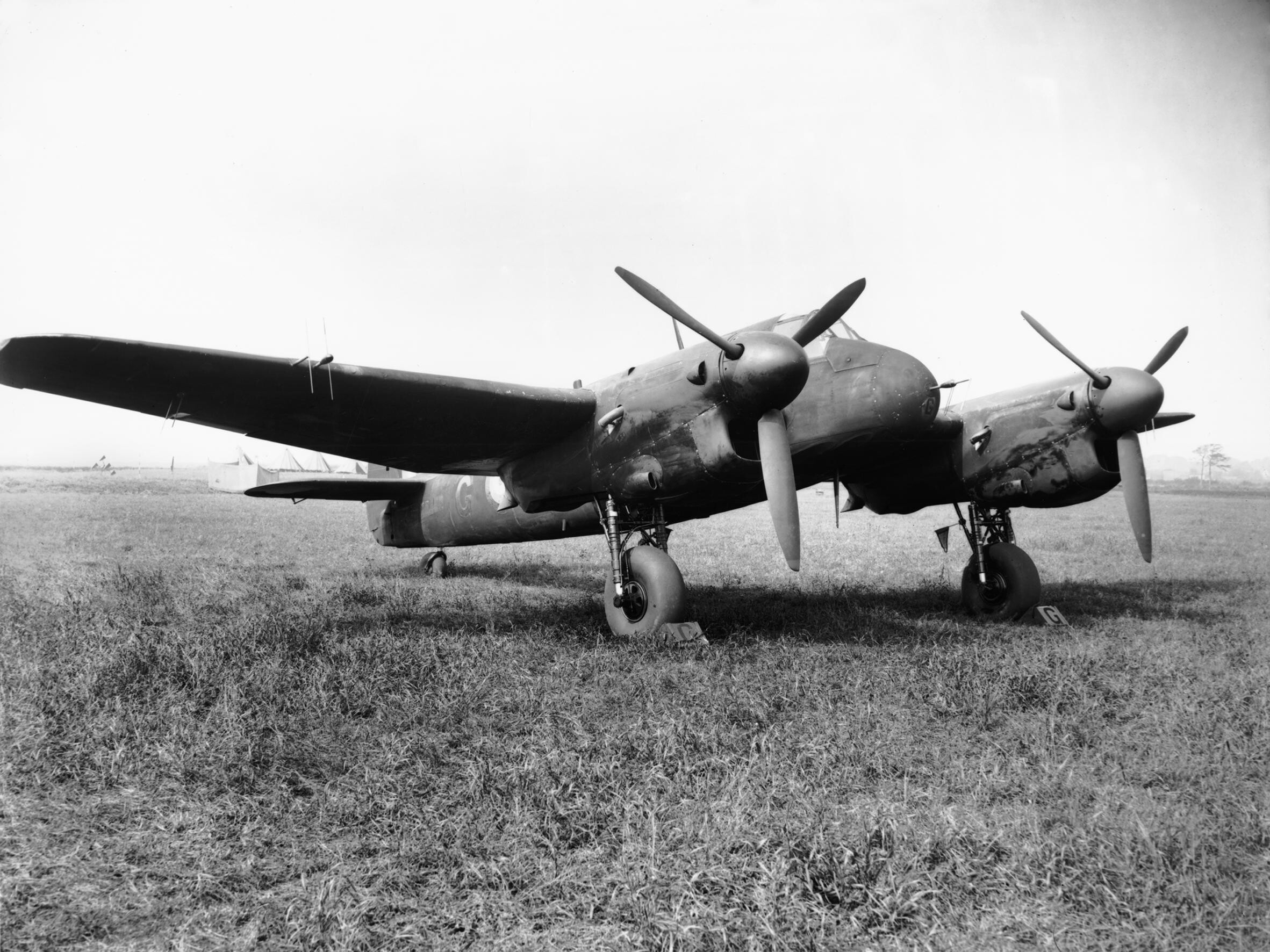
How many victories did No. 604 Squadron, the RAF night-fighter squadron, claim?
Around 127 aerial victories over the course of the war, 41 of them since May 1944. No. 604 (County of Middlesex) Squadron RAF spent most of the Second World… more…
Military aviation
Why did the "Torch" P-40Fs carry a flag on the fuselage?
To deter Vichy French forces from shooting them down: aircraft with yellow-outlined roundels sometimes had an American flag added in front of the roundel. The… more…


