Airliner · Civil · United Kingdom
Short Empire
- July 3, 1936
- First flight
- 1936
- Introduced
- 1947
- Retired
- 42
- Units built
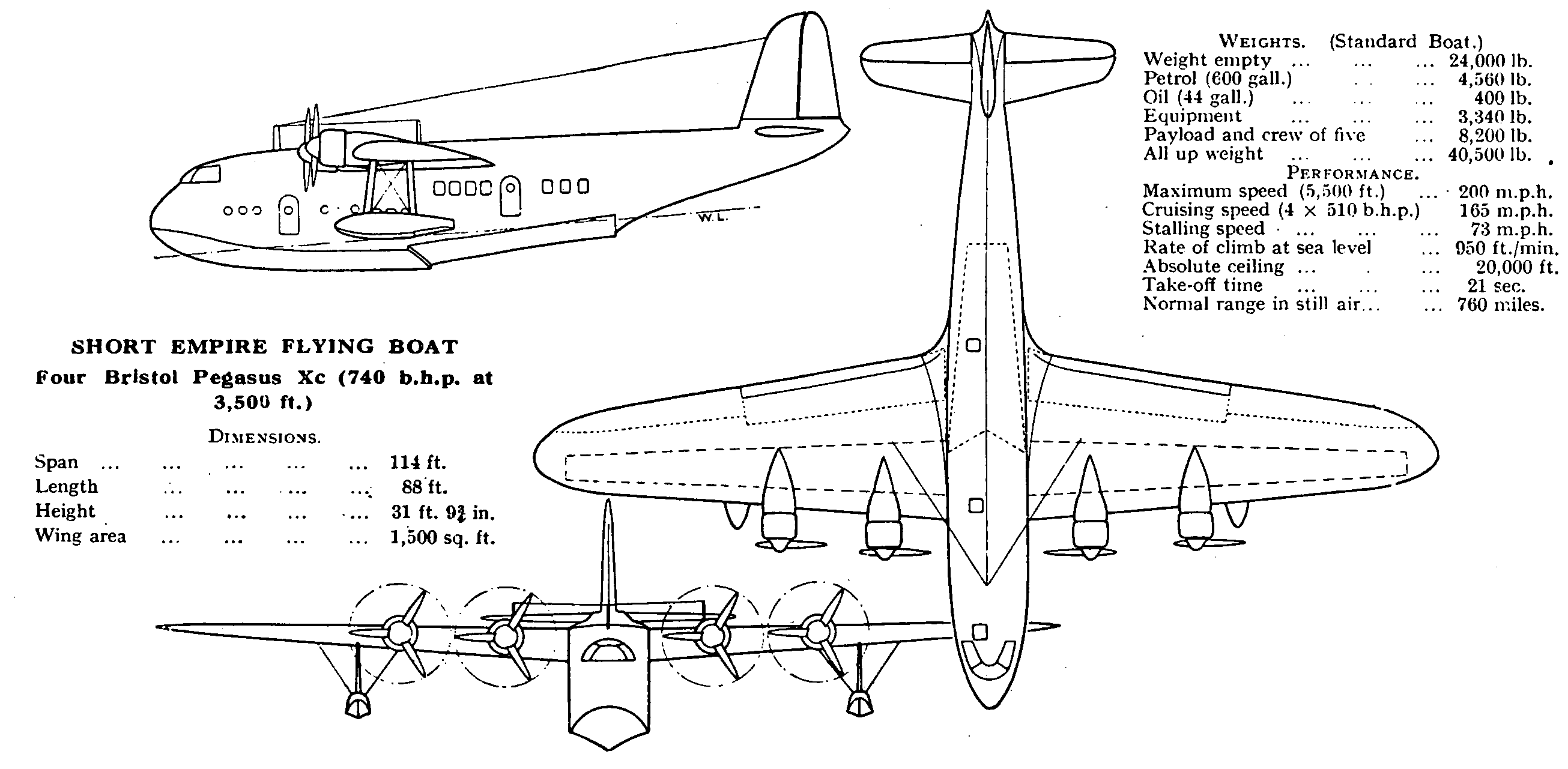
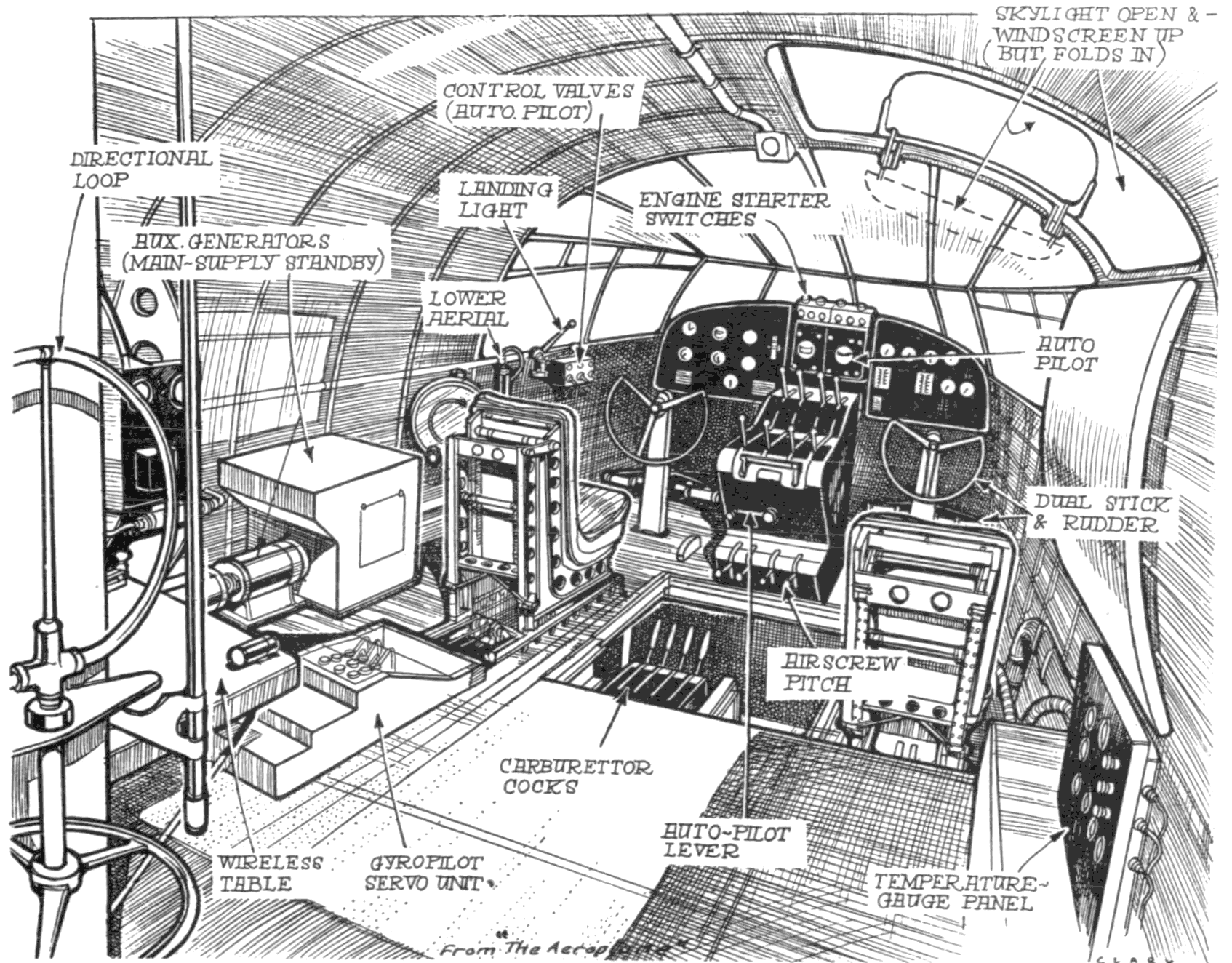
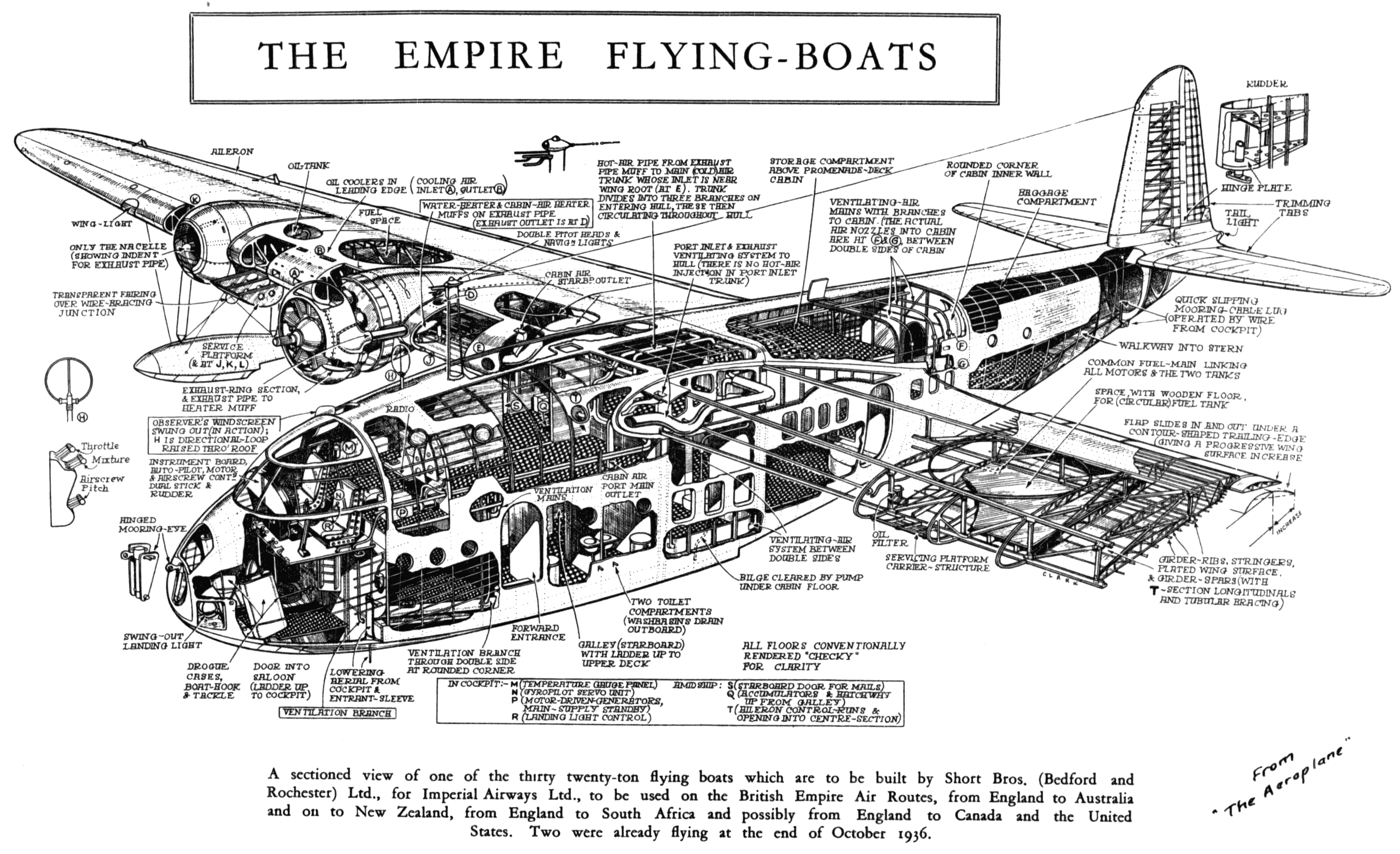
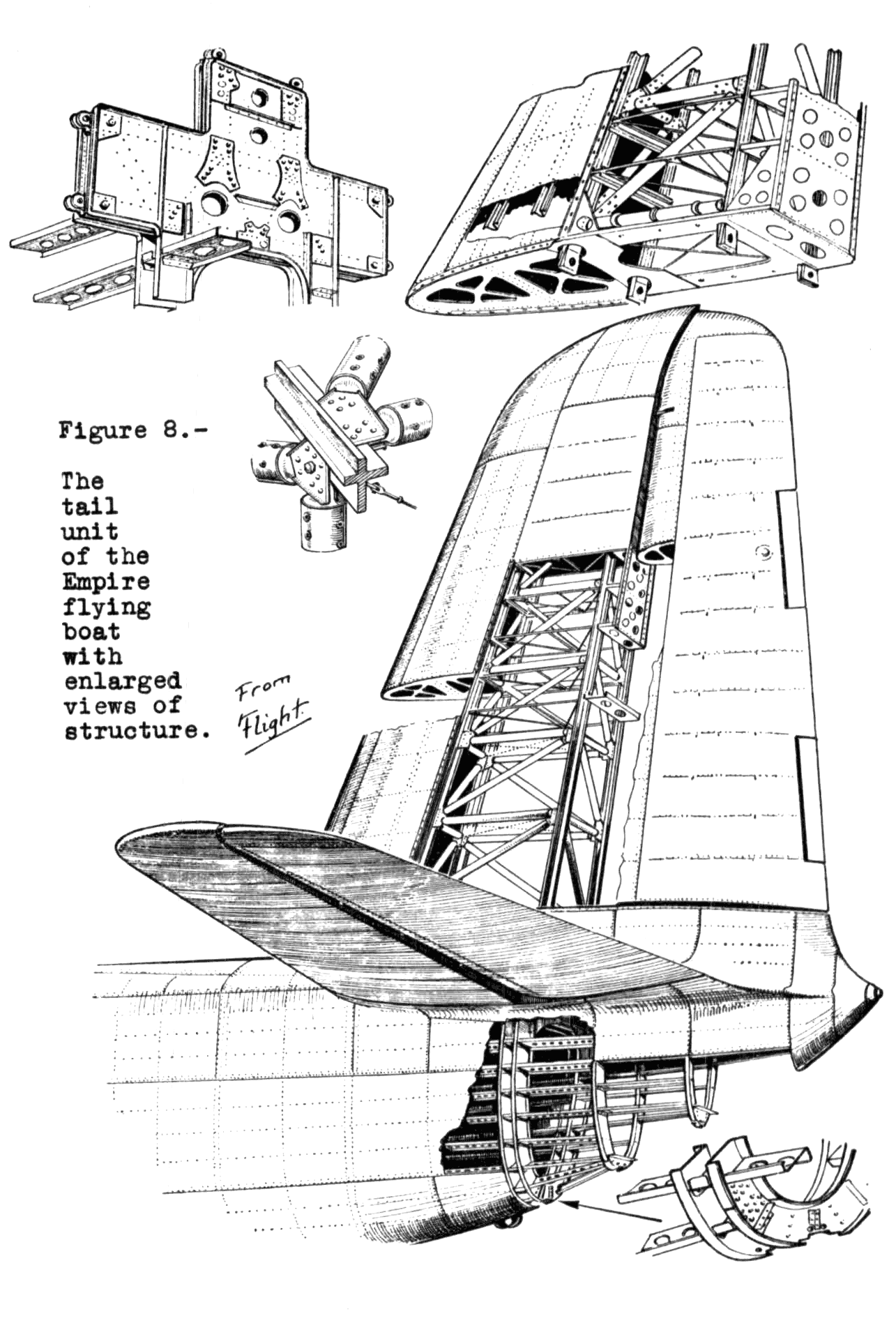
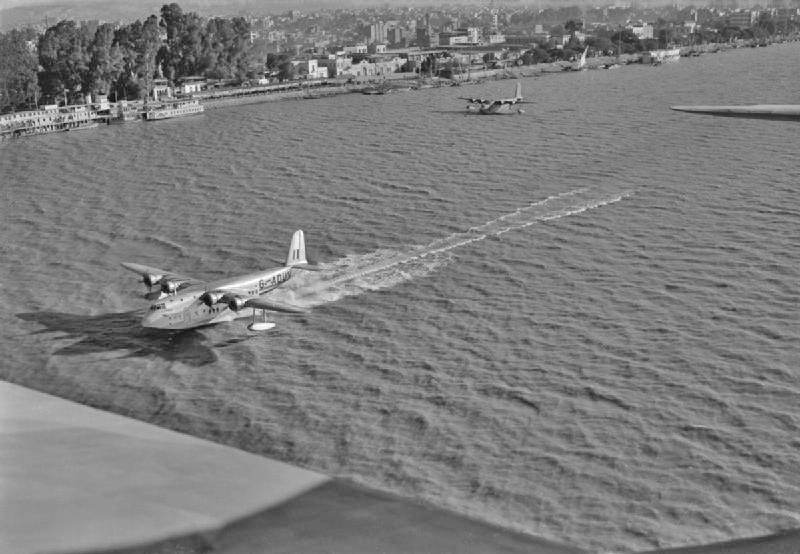
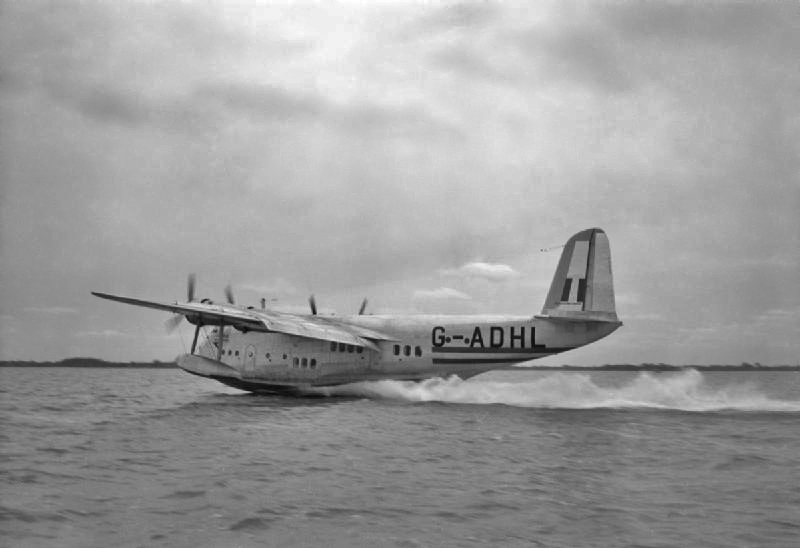
The Short Empire was a four-engined monoplane flying boat developed by Short Brothers in the 1930s for Britain's imperial routes, carrying passengers and mail across two decks. Imperial Airways, BOAC, Qantas and TEAL operated it until 1946-47, and in the Second World War it also served as a transport and anti-submarine patroller.
Related events
Related sheets
Category
History
The Empire answered a specification from Imperial Airways, which in the 1930s wanted to extend air service across the British Empire and asked for an aircraft able to carry 24 passengers in comfort, plus airmail or freight, at a cruising speed of 170 mph, with a normal range of at least 700 miles and the capacity to stretch that to 2000 for the North Atlantic. For technical and operational reasons it was taken as settled that a flying boat would be required, and Short Brothers, with a record of large boats for the airline and for the Royal Air Force, was the front-runner. The firm wanted to build a prototype first, but Imperial Airways refused: in 1935 it ordered 28 flying boats of 18 tonnes each of a type not yet designed, a decision the British press called one of the boldest experiments in world aviation.
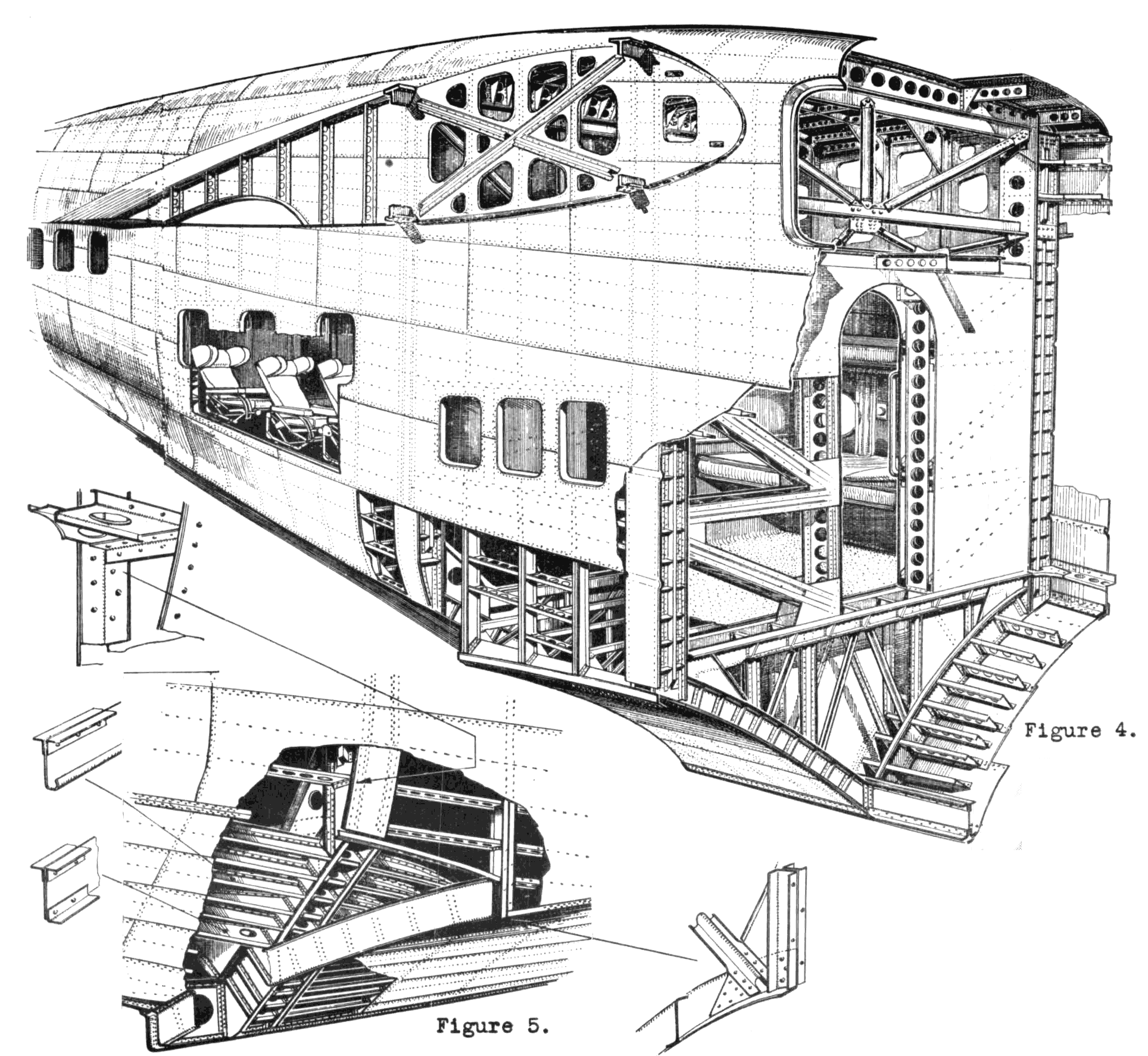
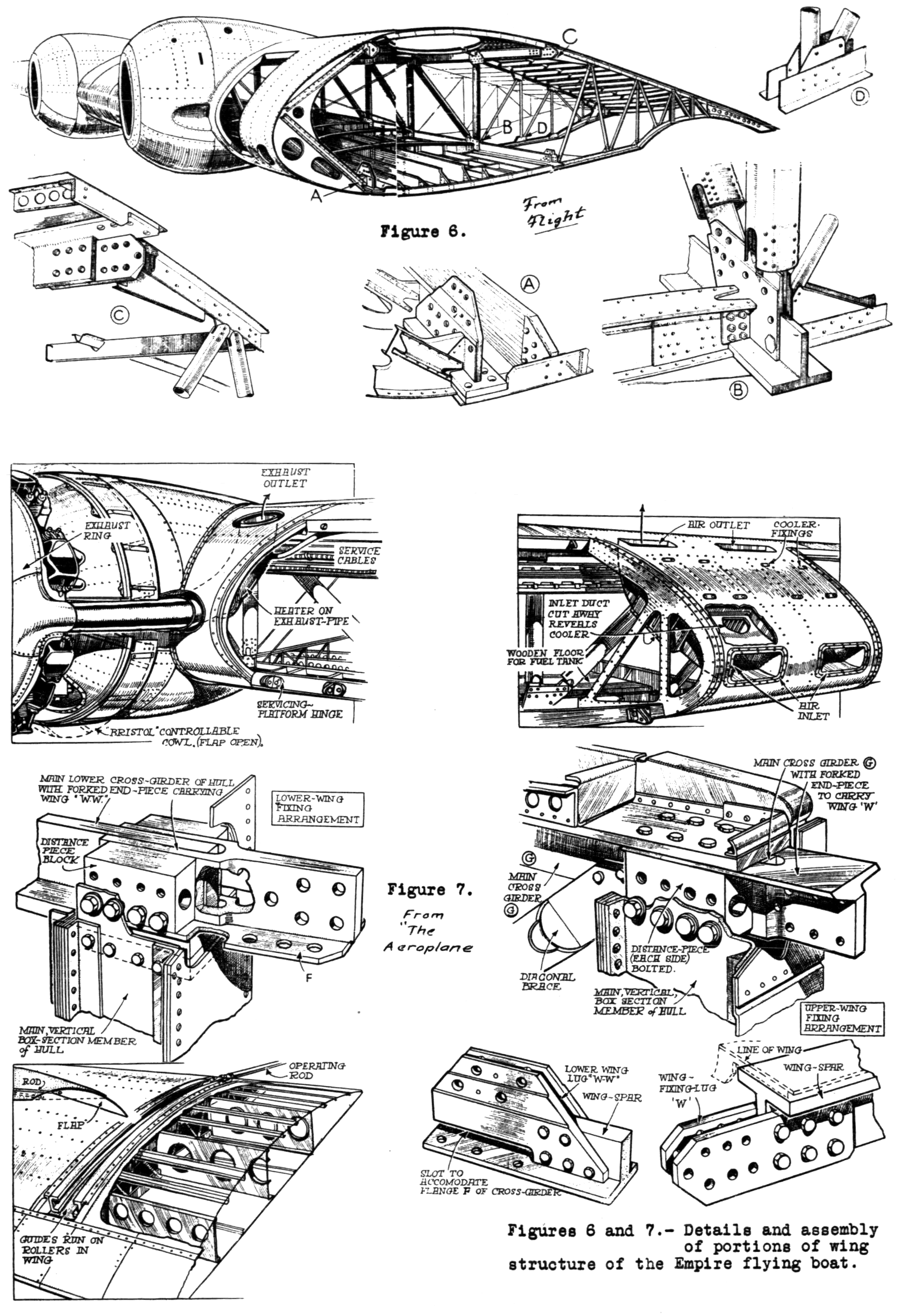
Arthur Gouge's team solved propeller clearance over the water by raising the fuselage itself rather than perching the wing on a hump, gaining internal volume and a lighter, stronger attachment for the cantilever wing. Tank testing produced a simplified-vee planing bottom with a length-to-beam ratio well above the norm of the day, tried out on the half-scale Short Scion Senior floatplane that also served the military Short Sunderland. The Gouge flaps, patented by their creator, raised the wing's lift coefficient by 30 per cent and cut landing speed by 12 while barely adding drag or requiring trim changes. The first aircraft, registered G-ADHL and named Canopus, flew on 3 July 1936 with chief test pilot John Lankester Parker at the controls, though some sources place that flight a day later. The initial S.23 series carried five crew, 17 passengers and 4480 lb of cargo behind four 920 hp Bristol Pegasus Xc radials, and from September 1936 the Rochester works turned out one aircraft a month; 42 were built in all.
Commercial service began on 8 February 1937, when Castor flew from Calshot in Hampshire to Alexandria, roughly 2300 miles non-stop; ten days later Caledonia repeated the route at an average of 170 mph. On 5 July 1937 that same Caledonia, captained by W. N. Cummings, made the first Atlantic crossing by an Empire, from Foynes in Ireland to Botwood in Newfoundland, 1993 miles in a little over fifteen hours at altitudes between 1500 and 5000 feet, while an American Sikorsky S-42 flew the opposite direction the same day. In August, Cambria brought the east-to-west crossing down to 14 hours 24 minutes, and in 1937 Cavalier opened the Bermuda-New York link. The S.23 lacked the range for a true transatlantic service, so aircraft were lightened, given long-range tanks, and four S.30s received in-flight refuelling equipment fed by Handley Page Harrow bombers based in Ireland and Newfoundland.
The most unusual derivative was the Short Mayo Composite, in which an Empire launched the Mercury seaplane in mid-air: on 21 July 1938 the separation was carried out successfully off western Ireland and Mercury reached Montreal, 2860 miles away, in 22 hours 22 minutes; on 6 October that year the combination flew from Dundee to the Orange River in South Africa, 6045 miles in 42 hours 5 minutes. The war redirected the fleet: once Italy entered the conflict in June 1940 and the Mediterranean became impassable, mail moved along the so-called Horseshoe Route from Auckland and Sydney to Durban via Cairo, later cut back to the Durban-Calcutta leg after the fall of Singapore in February 1942. Some aircraft were fitted with gun turrets and radar for anti-submarine patrol with RAF Coastal Command, while others served as transports with the RAAF and the RNZAF; the type's career ended in 1946-47.
Variants
| S.23 Mk I | S.23M | S.23 Mk II Bermuda | S.23 Mk III Atlantic | S.30M | S.30 Mk I | S.30 Mk I (Cathay) | S.30 Mk III Atlantic | S.30 Mk II New Zealand | S.30 Mk IV New Zealand | S.33 | |
|---|---|---|---|---|---|---|---|---|---|---|---|
| First flight | July 3, 1936 | — | — | — | — | — | — | — | — | — | — |
| Aircraft type | Passenger and mail flying boat | Maritime patrol flying boat | Passenger and mail flying boat | Long-range passenger and mail flying boat | Military transport and trials flying boat | Passenger and mail flying boat | Passenger and mail flying boat | Transatlantic mail flying boat | Passenger and mail flying boat | Passenger and mail flying boat | Passenger and mail flying boat |
| Powerplant | 4 × Bristol Pegasus Xc radials of 686 kW (920 hp) each, turning De Havilland variable-pitch propellers; much of the fleet was re-engined during the war with 752 kW Bristol Pegasus XXII units. | 4 × Bristol Pegasus Xc radials of 686 kW (920 hp) each. | 4 × Bristol Pegasus Xc radials of 686 kW (920 hp) each. | 4 × Bristol Pegasus Xc radials of 686 kW (920 hp) each. | 4 × Bristol Perseus XIIc sleeve-valve radials of 663.7 kW (890 hp) each. | 4 × Bristol Perseus XIIc sleeve-valve radials of 663.7 kW (890 hp) each: less power than the Pegasus, but lighter and thriftier on fuel. | 4 × Bristol Pegasus Xc radials of 686 kW (920 hp) each, the only S.30 to keep the poppet-valve engine of the S.23. | 4 × Bristol Perseus XIIc sleeve-valve radials of 663.7 kW (890 hp) each. | 4 × Bristol Perseus XIIc sleeve-valve radials of 663.7 kW (890 hp) each. | 4 × Bristol Perseus XIIc sleeve-valve radials of 663.7 kW (890 hp) each. | 4 × Bristol Pegasus Xc radials of 686 kW (920 hp) each, a return to the poppet-valve engine on the strengthened S.30 hull. |
| Powerplant | 4 × Bristol Pegasus Xc | 4 × Bristol Pegasus Xc | 4 × Bristol Pegasus Xc | 4 × Bristol Pegasus Xc | 4 × Bristol Perseus XIIc | 4 × Bristol Perseus XIIc | 4 × Bristol Pegasus Xc | 4 × Bristol Perseus XIIc | 4 × Bristol Perseus XIIc | 4 × Bristol Perseus XIIc | 4 × Bristol Pegasus Xc |
| Power per engine | 920 hp Best value in this row | 920 hp Best value in this row | 920 hp Best value in this row | 920 hp Best value in this row | 890 hp | 890 hp | 920 hp Best value in this row | 890 hp | 890 hp | 890 hp | 920 hp Best value in this row |
| Length | 26.8 m Best value in this row | 26.8 m | 26.8 m | 26.8 m | 26.8 m | 26.8 m | 26.8 m | 26.8 m | 26.8 m | 26.8 m | 26.8 m |
| Wingspan | 34.8 m | 34.8 m Best value in this row | 34.8 m Best value in this row | 34.8 m Best value in this row | 34.8 m Best value in this row | 34.8 m Best value in this row | 34.8 m Best value in this row | 34.8 m Best value in this row | 34.8 m Best value in this row | 34.8 m Best value in this row | 34.8 m Best value in this row |
| Height | 9.7 m Best value in this row | 9.7 m Best value in this row | 9.7 m Best value in this row | 9.7 m Best value in this row | 9.7 m Best value in this row | 9.7 m Best value in this row | 9.7 m Best value in this row | 9.7 m Best value in this row | 9.7 m Best value in this row | 9.7 m Best value in this row | 9.7 m Best value in this row |
| Wing area | 139 m² | — | — | — | — | — | — | — | — | — | — |
| Empty weight | 10,659 kg | — | — | — | — | — | — | — | — | — | — |
| MTOW | 18,370 kg | — | — | — | — | 20,865 kg Best value in this row | 20,865 kg Best value in this row | 20,865 kg Best value in this row | 20,865 kg Best value in this row | 20,865 kg Best value in this row | — |
| Top speed | 320 km/h | — | — | — | — | — | — | — | — | — | — |
| Max speed altitude | 1,676 m | — | — | — | — | — | — | — | — | — | — |
| Cruise speed | 266 km/h | — | — | — | — | — | — | — | — | — | — |
| Service ceiling | 6,100 m | — | — | — | — | — | — | — | — | — | — |
| Initial climb rate | 4.8 m/s | — | — | — | — | — | — | — | — | — | — |
| Range | 1,220 km | — | — | — | — | 2,414 km Best value in this row | 2,414 km Best value in this row | 2,414 km Best value in this row | 2,414 km Best value in this row | 2,414 km Best value in this row | — |
| Combat radius | 0 km | — | — | — | — | — | — | — | — | — | — |
| Range conditions | Normal stages of 760 mi (1220 km) at full load. Caledonia and Cambria were lightened and fitted with extra tanks and in-flight refuelling gear for the transatlantic trials, at the cost of passengers and freight. | — | — | — | — | — | — | With extra tanks and in-flight refuelling from Handley Page Harrow tankers it took off light and topped up to 53000 lb airborne, giving over 2500 mi of range with payload cut to 4270 lb. | — | — | — |
| Armament | None | Two Boulton Paul turrets, dorsal and tail, side bomb racks for depth charges and ASV radar. | None | None | — | None | None | None | None | None | None |
| Max weapons load | 0 kg | — | — | — | — | — | — | — | — | — | — |
| Payload | 2,032 kg | — | — | — | — | — | — | — | — | — | — |
| Cargo capacity | Five crew and 24 day seats or 16 sleeping berths; heavier mail loads cut the cabin to 17 seats. Up to 4480 lb of freight (a little over 2 t) on top of 1.5 t of mail. | Military conversion of two impressed S.23 Mk I; the passenger interior gave way to Coastal Command patrol duties. | — | — | Two impressed S.30 Mk III Atlantic adapted for ASV radar trials and transport duties. | — | — | — | — | — | — |
| Crew | 5 Best value in this row | 5 Best value in this row | 5 Best value in this row | 5 Best value in this row | 5 Best value in this row | 5 Best value in this row | 5 Best value in this row | 5 Best value in this row | 5 Best value in this row | 5 Best value in this row | 5 Best value in this row |
| Passengers | 24 Best value in this row | — | 24 Best value in this row | — | — | 24 Best value in this row | — | — | — | — | 24 Best value in this row |
| Units built | 27 Best value in this row | 2 | 2 | 2 | 2 | 1 | 1 | 4 | 1 | 2 | 2 |
Images