Family: Long March · CALT
Long March 8
Launch statistics
- 8
- Launches (as of June 5, 2026)
- 3
- Successes
- 0
- Failures
- 100.0 %
- Success rate
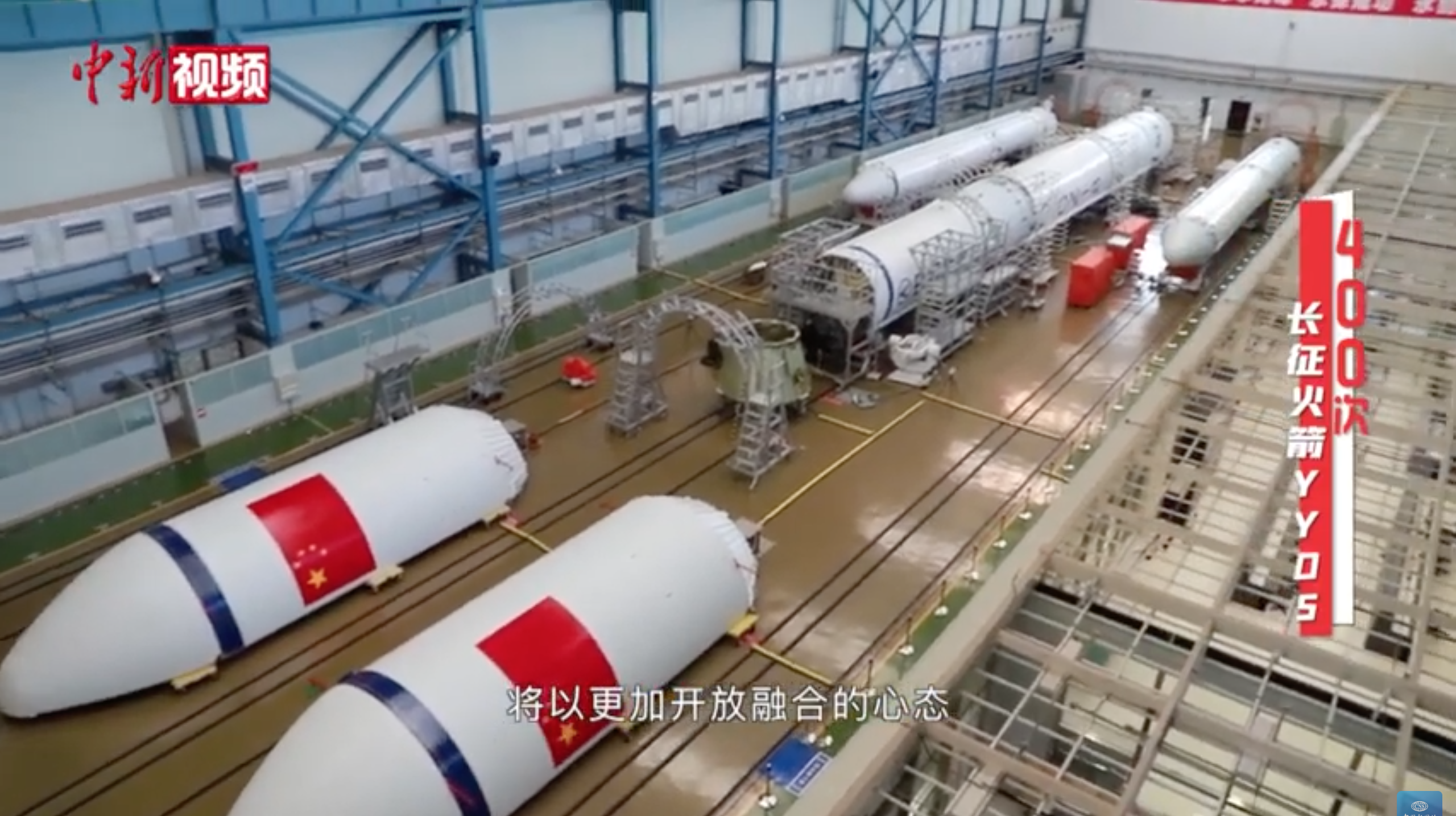
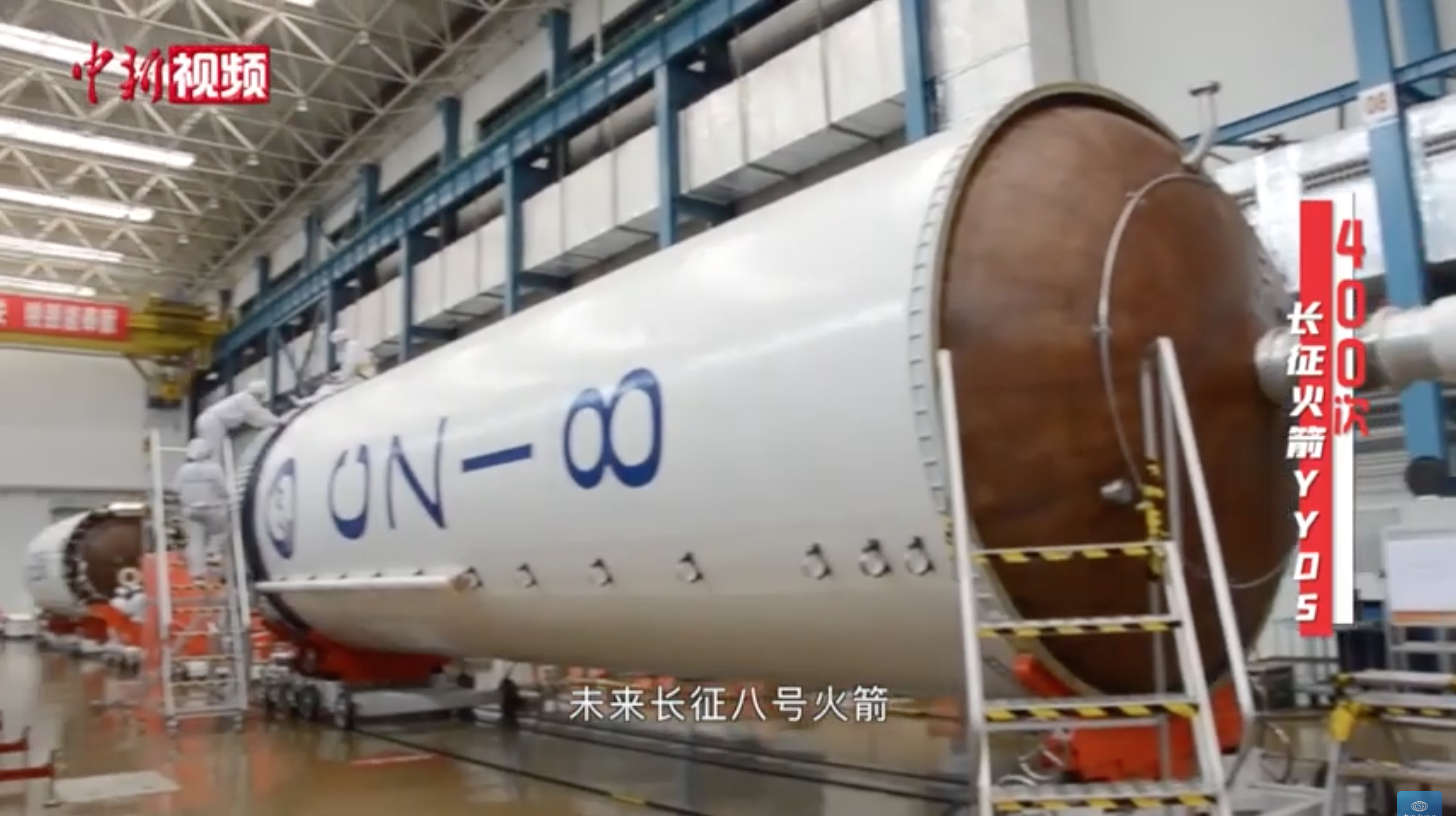


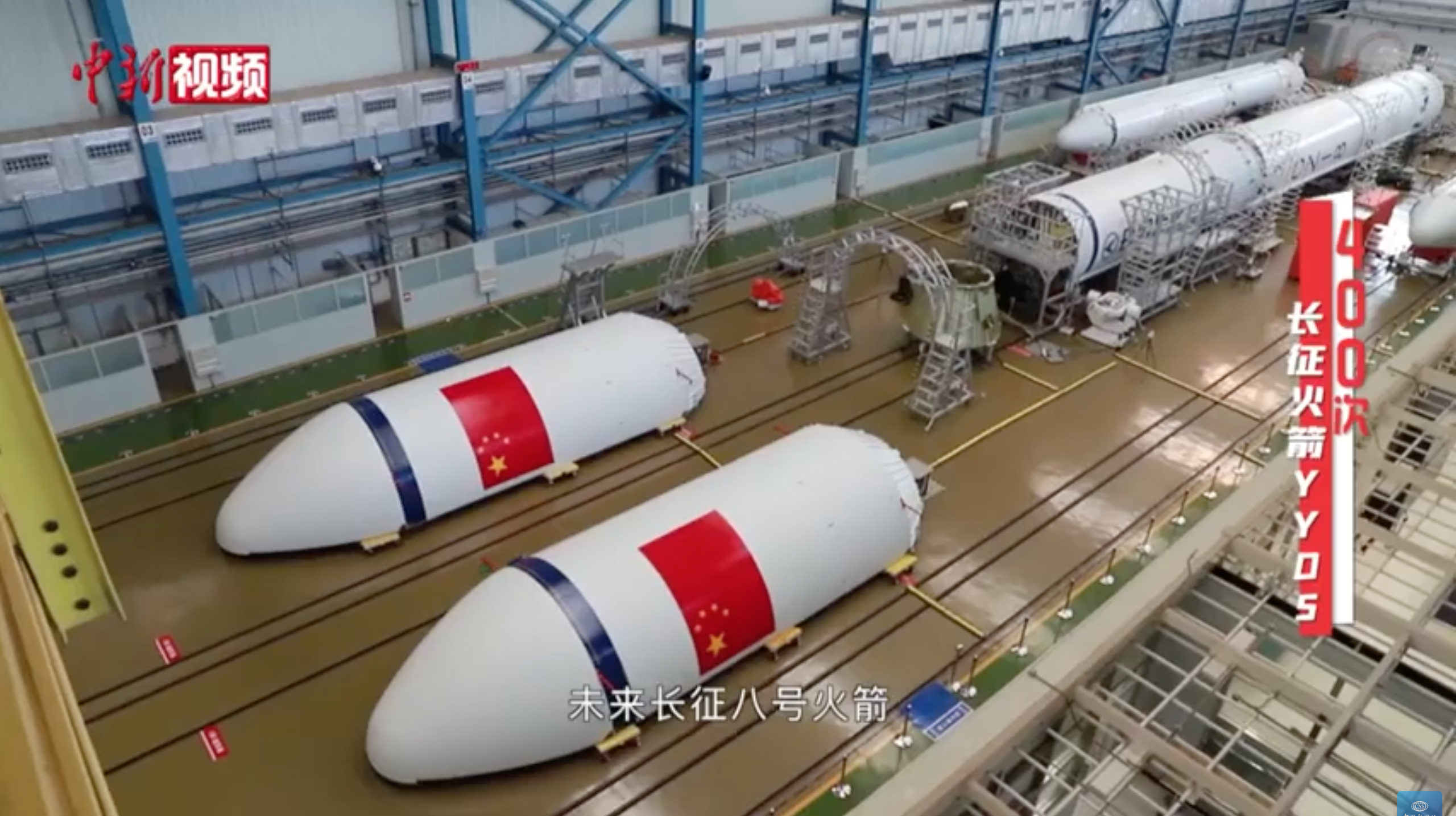
The Long March 8 (CZ-8) is an orbital launch vehicle developed by the China Academy of Launch Vehicle Technology (CALT) around a very specific design target: placing up to 5000 kg into a 700 km Sun-synchronous orbit. It is a two-stage, 3.35 m diameter rocket flying from Wenchang, both from pad LC-2 at the state launch site and from LC-1 at the new commercial spaceport. Its design is deliberately derivative: it reuses the dual-engine first stage and single-engine boosters of the Long March 7, and adopts as its second stage the liquid-hydrogen stage already flown on the Long March 3A/3B/3C and 7A. Where the LM-7 carries four boosters, the LM-8 normally uses just two; a "core only" configuration without boosters also exists, first flown on the vehicle's second launch in February 2022. In standard form it stands 50.34 m tall and lifts off at 356,000 kg; the core-only variant is 48 m tall and weighs 198,000 kg. Since February 2025 the Long March 8A has also been flying, an upgraded version 50.5 m tall and weighing 371,000 kg that raises capability to 7 tonnes into a 700 km Sun-synchronous orbit thanks to a wider cryogenic second stage (3.35 m, matching the core) with two YF-75H engines, an uprated YF-75D with thrust increased to 10 tonnes each. The CZ-8A can also use a larger 5.2 m diameter payload fairing. Between them the two versions have accumulated 16 launches, all successful.
Long March 8 in the news
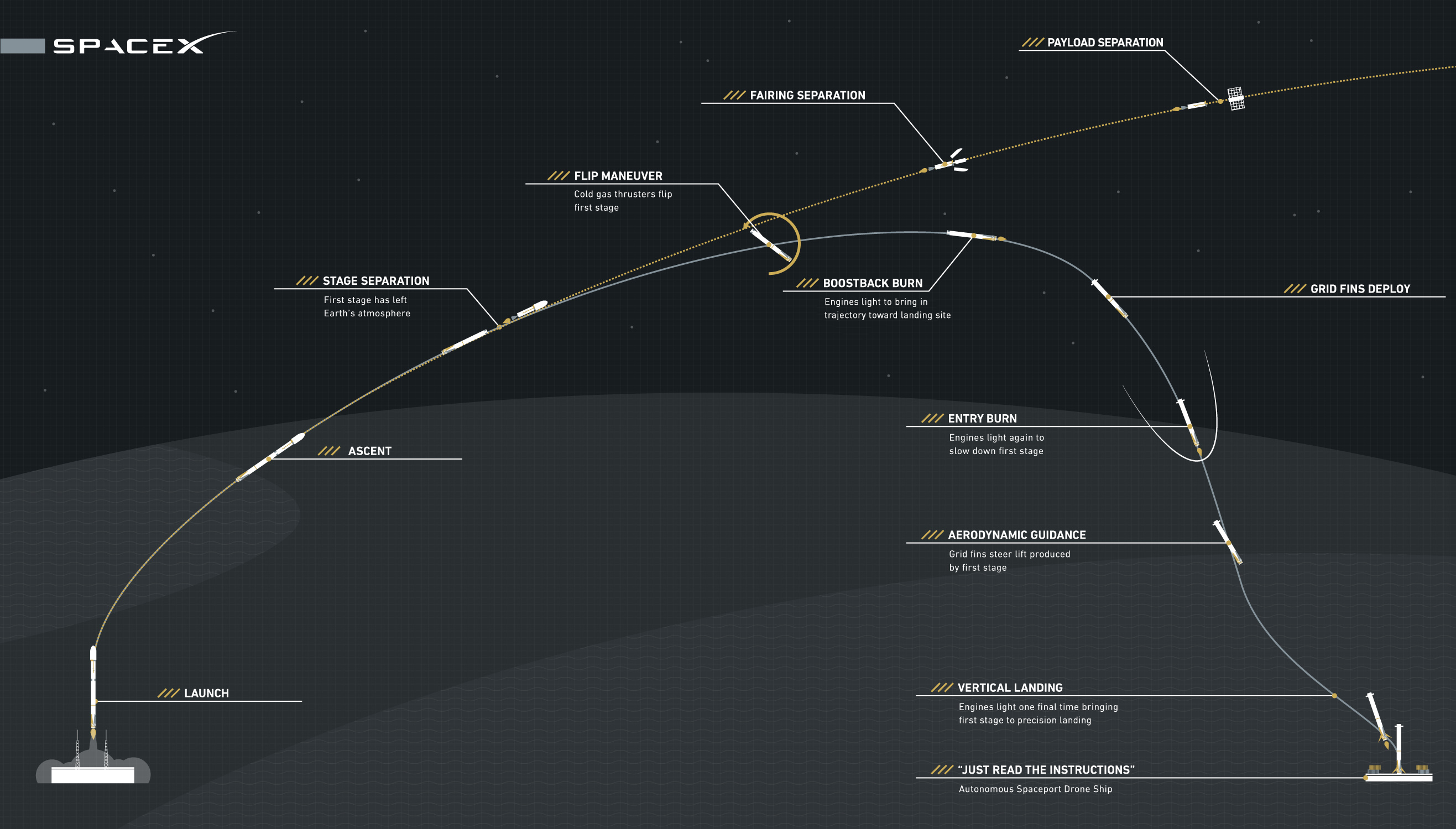
Five orbital launches are expected this week. Two Falcon 9s are expected to launch from… The post Launch Preview: Soyuz, CZ-8A, and Falcon 9 to launch from sites around the world appeared first on…

History
Conception and debut
The Long March 8 was conceived as a cost-conscious medium-class launcher, assembled from already proven elements of other Long March families rather than new developments. Its maiden flight took place on 22 December 2020 from the Wenchang Spacecraft Launch Site with a multi-satellite payload headed by the XJY-7 technology satellite. As early as 2018 there were plans for a future variant to be partially reusable through combined recovery of the first stage and boosters as a single unit, a concept that has not materialised in the versions now in service.
The "core only" configuration and the early years
The second flight, on 27 February 2022, debuted the boosterless configuration and set a Chinese national record for satellites on a single launch with a commercial rideshare mission. After a pause, the third flight came on 20 March 2024 carrying the Queqiao-2 lunar relay satellite together with the Tiandu-1 and Tiandu-2 microsatellites, the rocket's only mission to lunar orbit to date.
The CZ-8A and the megaconstellation tempo
On 11 February 2025 the Long March 8A debuted with the second group of Guowang megaconstellation satellites. From then on the rocket became a workhorse for China's constellations: since March 2025 most of its missions have flown from pad LC-1 at the Wenchang Commercial Space Launch Site, alternating batches of nine Guowang satellites with groups of 18 or 20 Qianfan satellites into polar orbit. The family flew seven times in 2025 and kept a comparable pace through 2026. In June 2026 it became public that the China Academy of Sciences had applied for single-source procurement of a Long March vehicle for the Enhanced X-ray Timing and Polarimetry Observatory, with a prospective contract of 245.2 million RMB.
Launch timeline
| Date | Launch site | Program | Outcome | Payload |
|---|---|---|---|---|
| Jun 5, 2026, 6:34 AM | Commercial LC-1 | — | Success | 18 Low Earth Orbit communication satellites with Ku, Q and V band payloads for the G60 constellation operated by Shanghai Spacesail Technologies with funding backed by the Shanghai local government. Initial constellation will consist of 1296 satellites by 2027 with long term plans to expand it to 12000 satellites. |
| May 17, 2026, 2:42 PM | Commercial LC-1 | — | Success | 18 Low Earth Orbit communication satellites with Ku, Q and V band payloads for the G60 constellation operated by Shanghai Spacesail Technologies with funding backed by the Shanghai local government. Initial constellation will consist of 1296 satellites by 2027 with long term plans to expand it to 12000 satellites. |
| Apr 7, 2026, 1:32 PM | Commercial LC-1 | — | Success | 18 Low Earth Orbit communication satellites with Ku, Q and V band payloads for the G60 constellation operated by Shanghai Spacesail Technologies with funding backed by the Shanghai local government. Initial constellation will consist of 1296 satellites by 2027 with long term plans to expand it to 12000 satellites. |
Versions
| CZ-8 (core only) | |
|---|---|
| First launch | February 27, 2022 |
| Last launch | February 27, 2022 |
| Height | 48 m |
| Diameter | 3.4 m |
| Mass | 198,000 kg |
| Stages | 2 |
| SSO capacity | 3,000 kg |
| Reusable | No |
Images


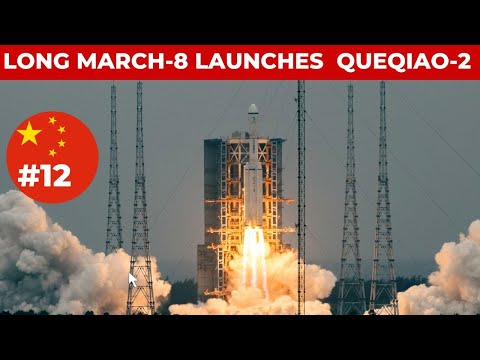
![[Liftoff: 40:50] China Launch Queqiao -2 to the Moon | Long march 8 Launch | Queqiao -2 Mission LIVE](https://i.ytimg.com/vi/D8UuRPztxFg/hqdefault.jpg)


![[Liftoff: 1:03:13] China Launch Long March 8 LIVE | Long March 8 Y2 | CZ-8 rideshare | Hainan-1 to 4](https://i.ytimg.com/vi/VrIaMblCrRw/hqdefault.jpg)


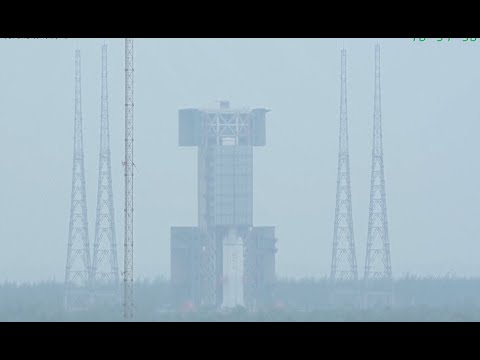

![[Liftoff: 37:37] China Launch Long March 8 LIVE | China's 1st reusable launch vehicle](https://i.ytimg.com/vi/T60NFHRMNj8/hqdefault.jpg)


