Did you know…
What was the purpose of the Constellation's curved fuselage?
Short answer
To raise the tail and keep the fins clear of the propellers' turbulent airflow, while the nose dipped slightly to shorten the nose landing gear leg. That dolphin shape gave it elegance, but made it more expensive to build and limited how much it could be stretched.

A line with a function
The Constellation's fuselage, with its characteristic dolphin profile, is not a stylistic whim, even if it is one of the reasons for its elegance. According to the French-language encyclopedia, the design was chosen to raise the tail unit so that the fins would be kept clear of the disturbed airflow generated by the propellers. At the other end, the nose dipped slightly to limit the height of the nose landing gear leg. The result is a continuous curve running the length of the aircraft that, together with the triple tail, makes the 856 Constellations of all versions recognisable.
The price of the curve
That shape had a cost. Since the fuselage cross-section varies continuously, no two parts are alike, which made manufacturing much more expensive. Modern airliners use cylindrical fuselages, assembled with largely standardised elements, which also withstand repeated pressurisation cycles better. The Spanish-language encyclopedia makes the same point: the tube is more resistant to pressurisation changes and its production is more cost-effective.
A brake on growth
The curve also limited the aircraft's development compared with its great rival, the Douglas DC-4, which could be turned into the DC-6 and then the DC-7 by stretching the fuselage, among other changes. Lockheed also stretched its own aircraft with the L-1049 Super Constellation, but each extension was harder to achieve on a fuselage with no straight sections. The triple tail responded to another practical constraint: keeping the aircraft's overall height low so that it would fit in the hangars of the time.
More questions
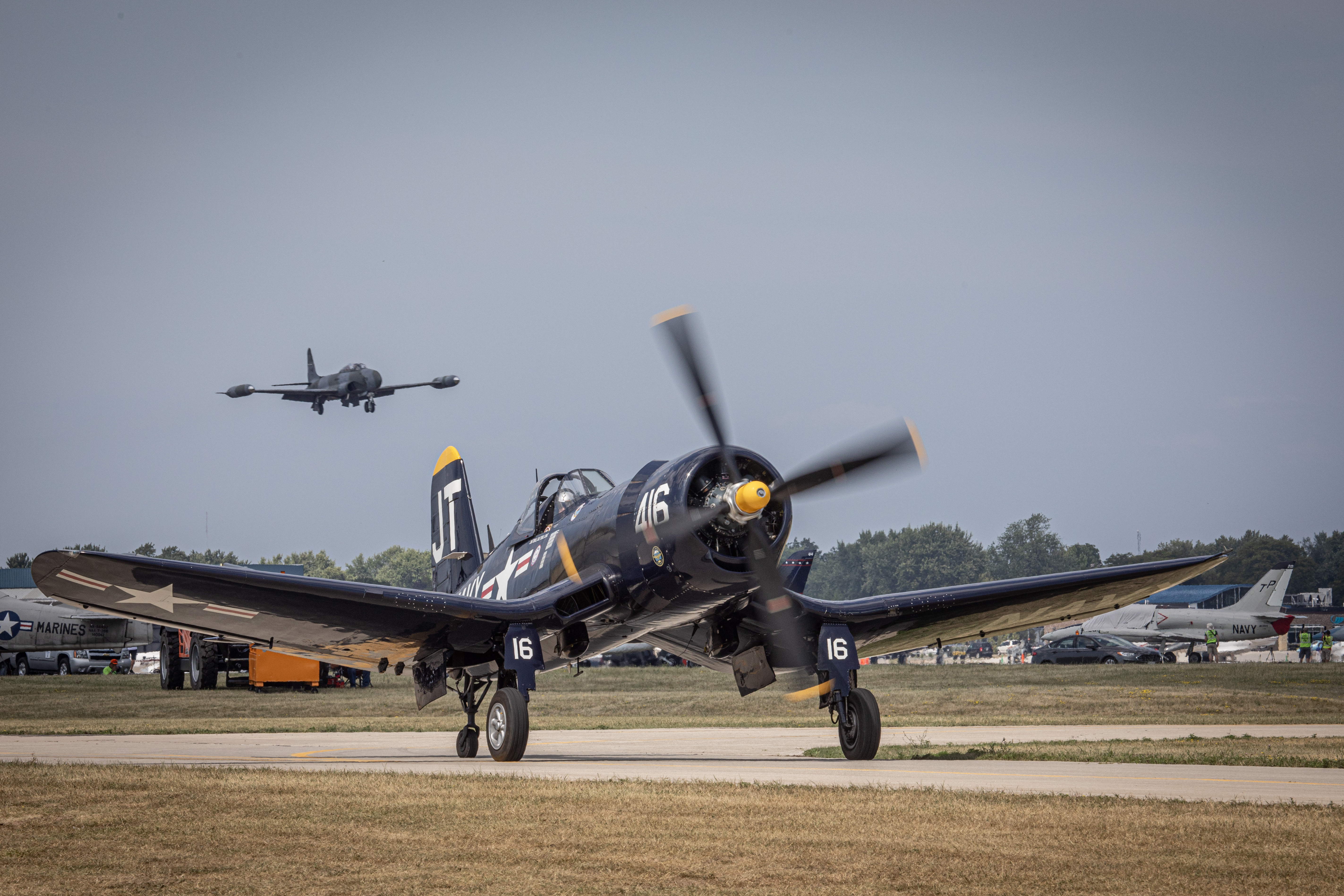
Physics of flight
Why can't a Corsair pilot apply full power when going around after a failed carrier landing?
Because at low speed and high power the Corsair would drop its left wing suddenly and with almost no warning, due to propeller torque. If the throttle was… more…
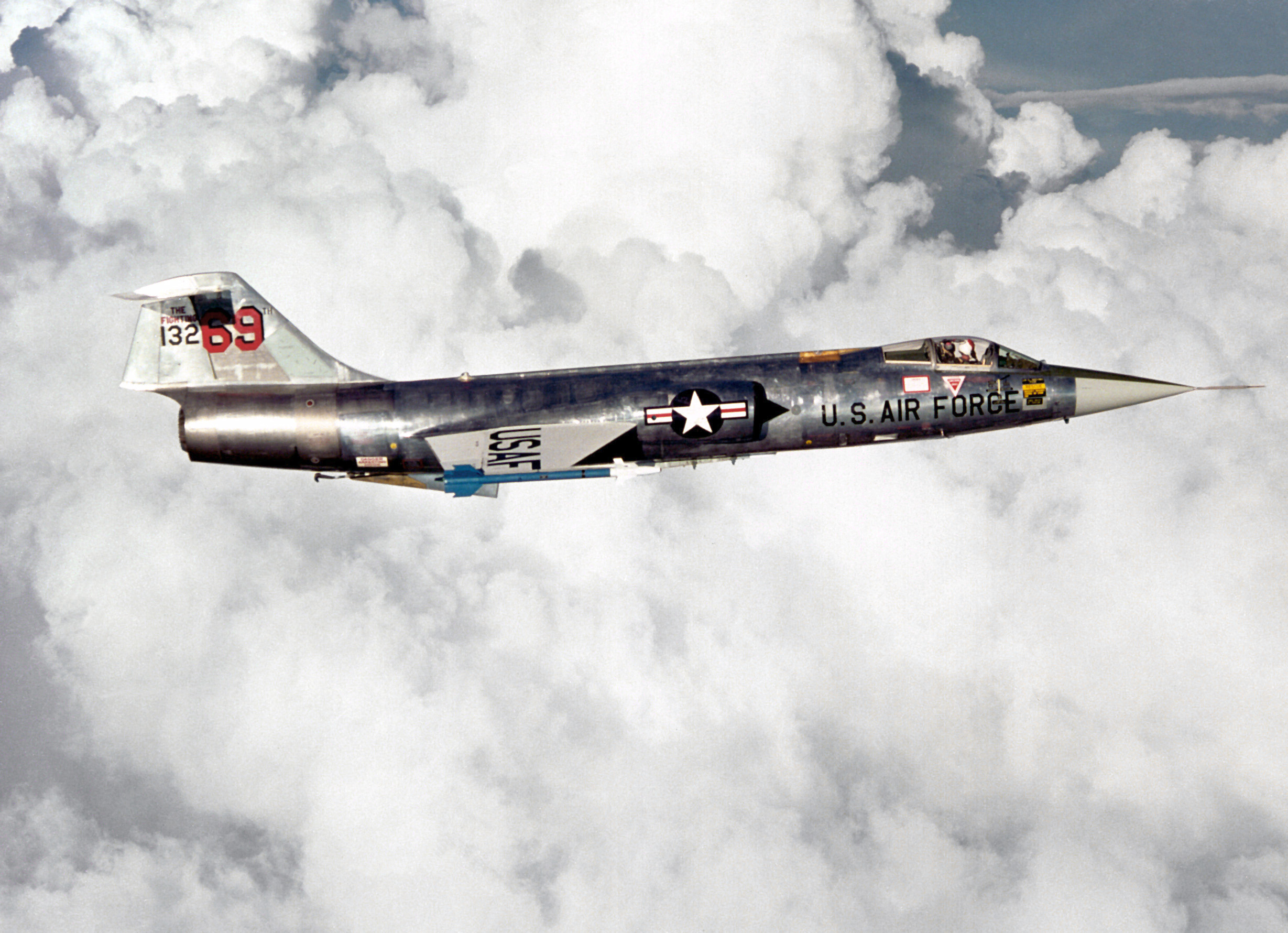
Physics of flight
What did the phrase "banking with intent to turn" mean among F-104 pilots?
It was a joke among Canadian F-104 pilots: banking the aircraft "with intent to turn" referred to its poor low-speed turning. Its sustained turn capability… more…
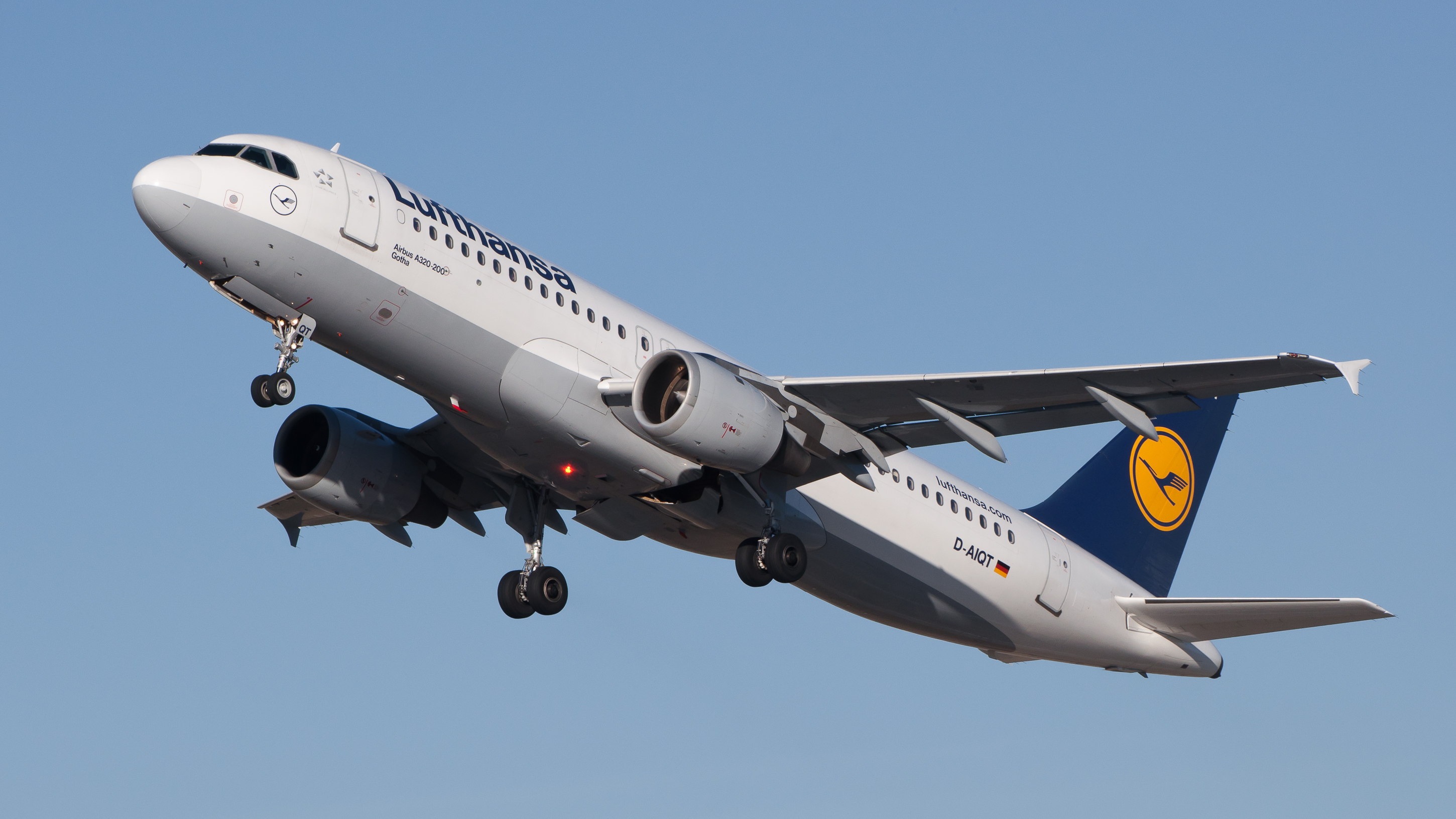
Julian Herzog (Website) (CC BY), vía commons Physics of flight
What is "flight envelope protection," which the A320 pioneered?
A set of limits embedded in the flight control software: it calculates the flight envelope, adds a safety margin, and blocks pilot inputs that would take the… more…
Julian Herzog (Website) (CC BY), vía commons Physics of flight
What is the A320's SHARP package for?
SHARP (SHort AiRfield Package) improves takeoff and landing performance on short runways and is designed to increase low-speed lift. It combines aerodynamic… more…
Physics of flight
What flaw sank Vought's all-metal V-141 fighter?
It wasn't a single flaw: tests showed the V-141 still flew poorly, was prone to spinning, and also suffered tail flutter, which is why it was rejected. It… more…
Physics of flight
What wind tunnel did NACA use to study the Corsair, and how big was it?
The full-scale 30- by 60-Foot Tunnel at the Langley Research Center, in Hampton, Virginia. NACA dedicated the facility on 27 May 1931 and used it to test the… more…


