Did you know…
How much lift did Gouge's patented flaps add to the Sunderland on landing?
Short answer
30% more. Gouge's patented flaps slid backward along curved tracks and lowered as they moved, increasing wing area and generating 30% more lift for landing. The prototype K4774 made its first flight on 16 October 1937.

A flap that enlarged the wing
The Sunderland's flaps relied on unusual devices, patented by Gouge, which slid backward along curved tracks: as they moved back they also lowered, increasing wing area and generating 30% more lift for landing.
The wing that housed them
Those wings were thick, and on them sat the four Bristol Pegasus XXII radial engines mounted in nacelles, along with six drum-type fuel tanks with a combined capacity of 9,200 litres (2,025 imperial gallons, 2,430 US gallons). With supplementary tanks fitted, the Sunderland's total fuel capacity reached 11,602 litres (2,550 imperial gallons, 3,037 US gallons).
From the S.23 to the RAF flying boat
In November 1933 the British Air Ministry issued Specification R.2/33, calling for a new-generation, long-range, general-purpose flying boat. Short developed the S.25 Sunderland from its well-known S.23 to meet that general reconnaissance requirement. Its chief designer, Arthur Gouge, had initially envisaged a 37 mm COW gun in the nose alongside the single Lewis gun fitted in the tail. The prototype K4774 made its first flight on 16 October 1937. Production of the Short Singapore ended in June 1937, and its replacement by the Sunderland was well advanced by the outbreak of the Second World War.
More questions
L-Bit (CC BY SA), vía commons Military aviation
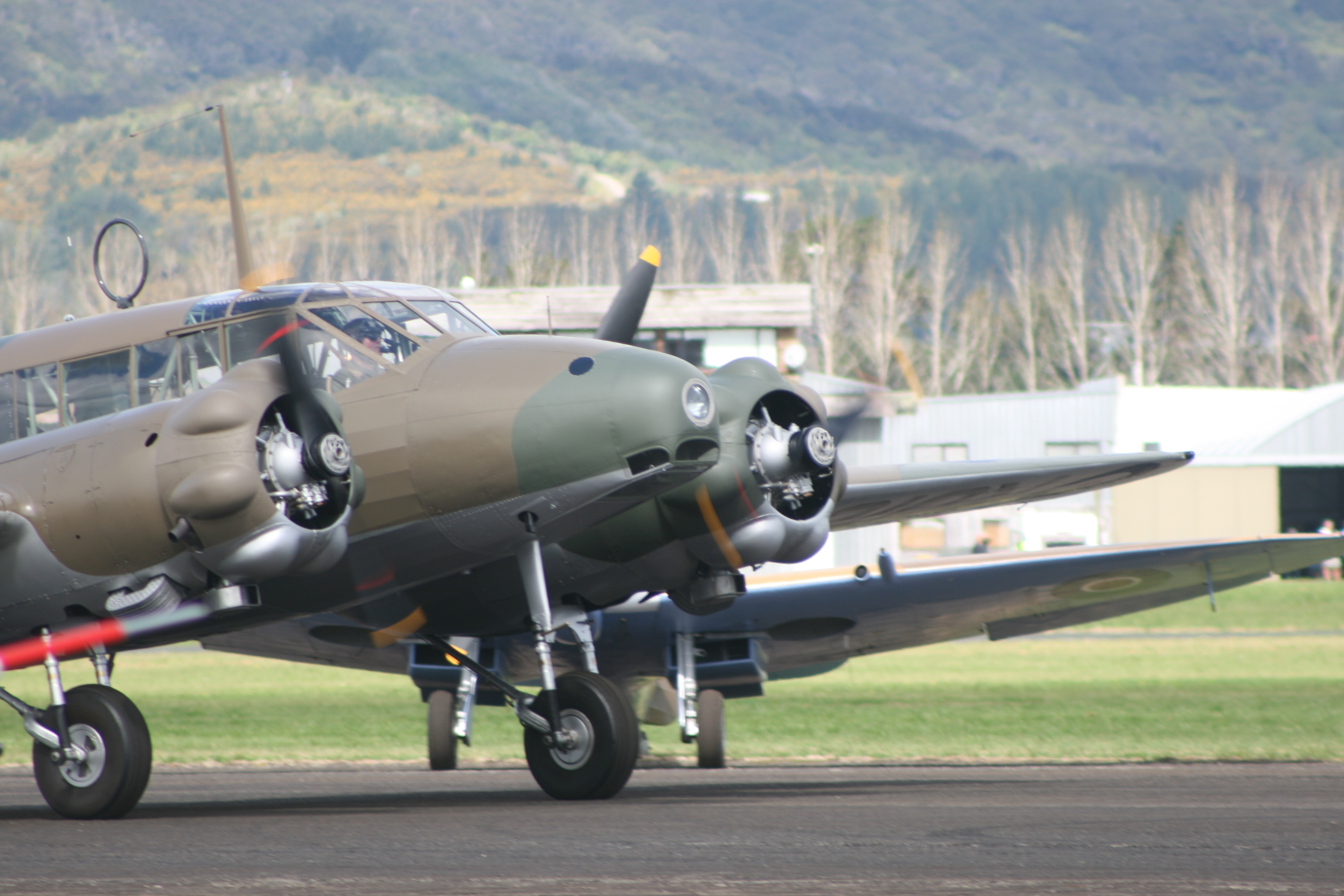
How many Anson Mk I were built?
6,688 or 6,742 Avro Anson Mk I were built, according to different sources; History of War, which gives the second figure, places 3,935 at Woodford and the… more…
Military aviation
Which flying boats rescued the crew of the Kensington Court in 1939?
They were two RAF Sunderland flying boats: according to uboat.net, an aircraft of Squadron 228 and L5802 of Squadron 204 landed on the water next to the… more…
Military aviation
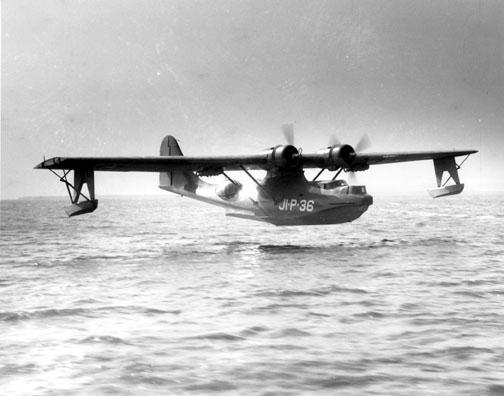
How long did Catalina convoy escort flights to the USSR last?
Many of the Catalina flights protecting convoys to the Soviet Union lasted between 15 and 20 hours and ended at Gryaznaya Bay (Murmansk) or at Arkhangelsk… more…
Military aviation
How many aircraft did the Axis lose in Crusader?
Around 332 aircraft destroyed and around 228 abandoned in the operation's tally, which took place between 18 November and 30 December 1941. According to their… more…
Military aviation
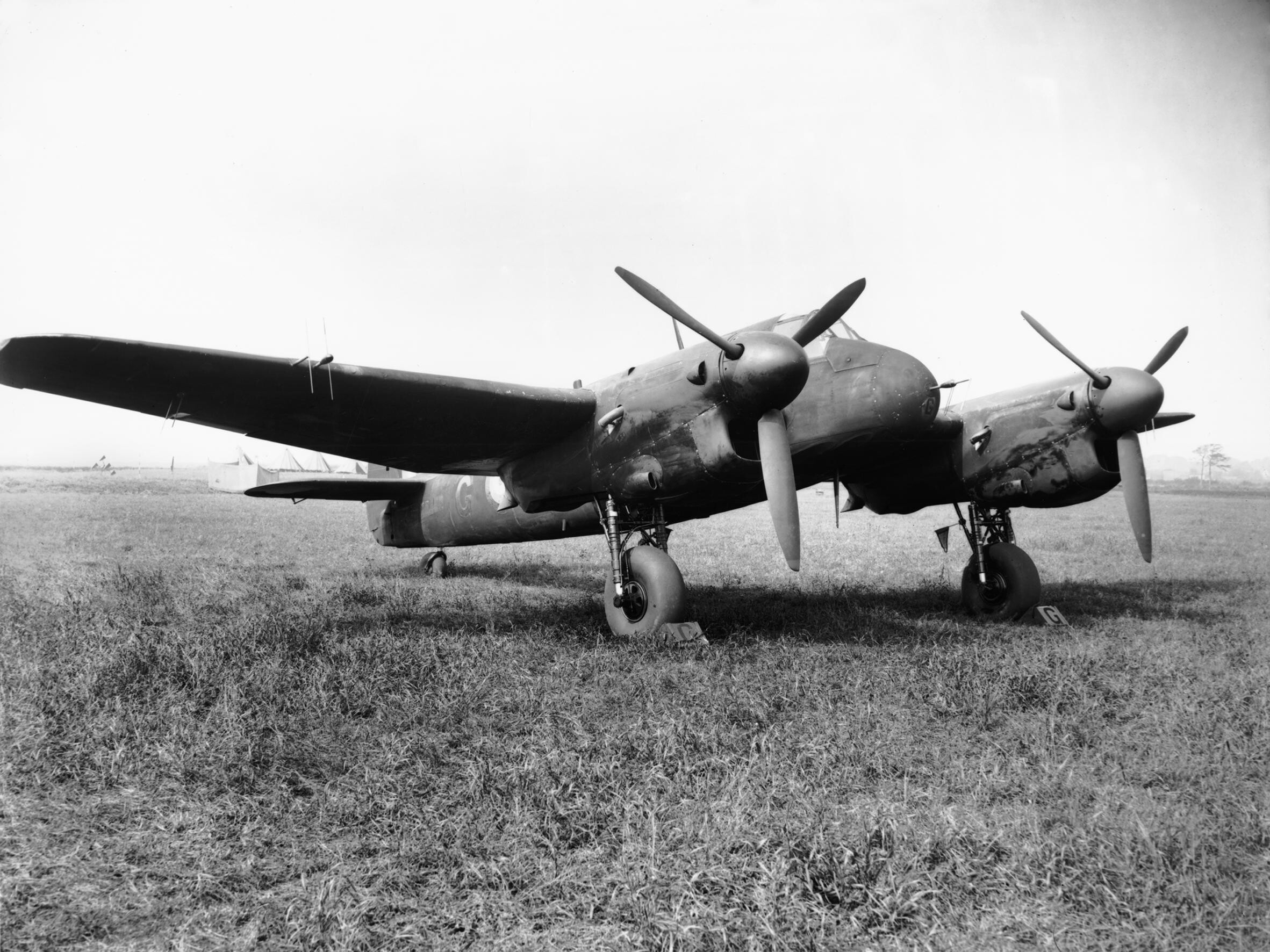
How many victories did No. 604 Squadron, the RAF night-fighter squadron, claim?
Around 127 aerial victories over the course of the war, 41 of them since May 1944. No. 604 (County of Middlesex) Squadron RAF spent most of the Second World… more…
Military aviation
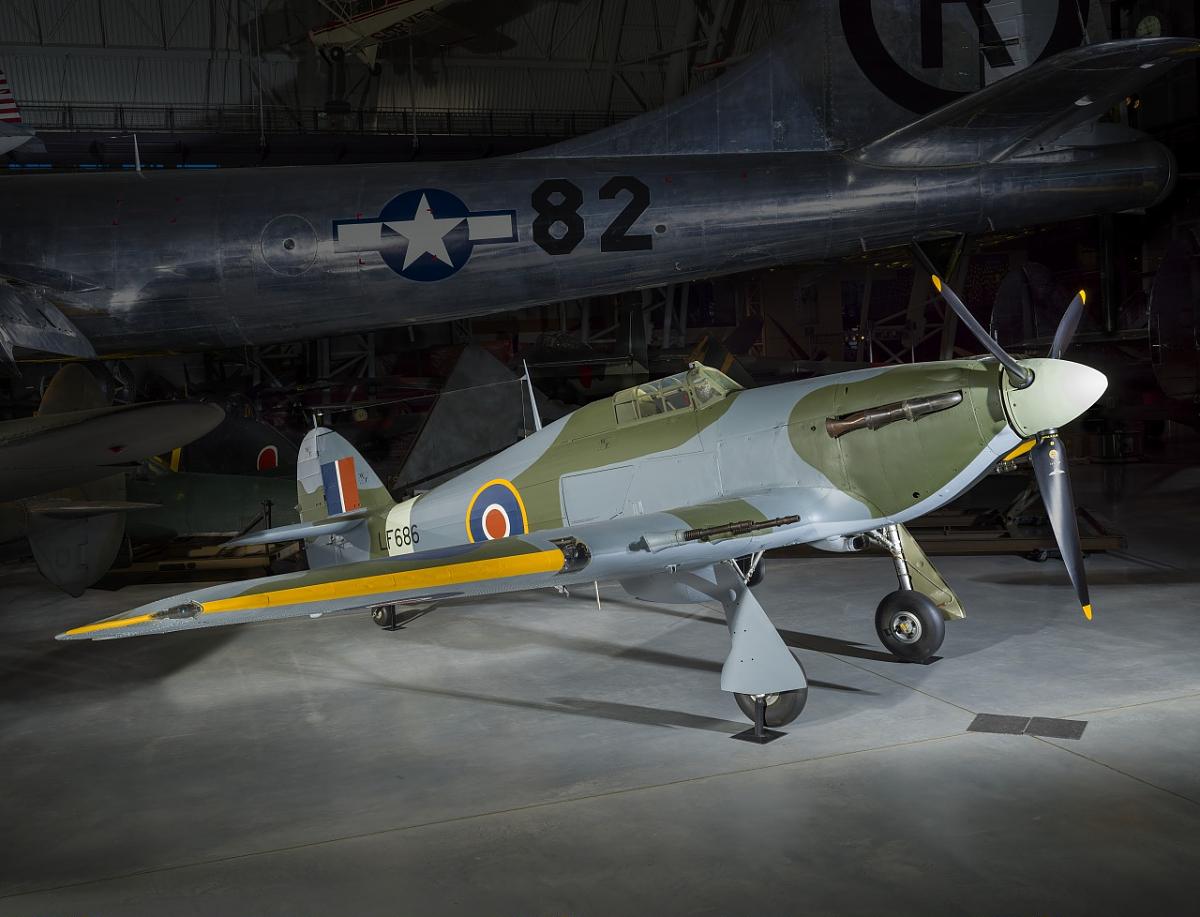
Why did the "Torch" P-40Fs carry a flag on the fuselage?
To deter Vichy French forces from shooting them down: aircraft with yellow-outlined roundels sometimes had an American flag added in front of the roundel. The… more…


