Did you know…
How fast does a supersonic plane fly?
Short answer
A supersonic aircraft flies faster than Mach 1, around 1,060 km/h (660 mph) at cruise altitude. Concorde cruised at Mach 2.04, about 2,180 km/h at 18,000 m, crossing Paris-New York in roughly 3.5 hours. Today's fighters top out near Mach 1.6-2.5, and the jet speed record is still the SR-71's 3,529 km/h (1976).

Mach 1 as the threshold, Mach 2 as the norm
An aircraft becomes supersonic when it exceeds the speed of sound in the air it's moving through — Mach 1, which in the stratosphere equals roughly 1,062 km/h and near the ground about 1,225 km/h. Most aircraft capable of reaching that speed stay within a relatively narrow band, between Mach 1.6 and Mach 2.5, for a reason rooted in materials: up to about Mach 2.2, conventional aluminum can withstand aerodynamic heating, which at that speed reaches roughly 100-130°C on the aircraft's skin; beyond that, titanium, special steels, or high-temperature composites are needed, all far more expensive. That's why Concorde, built from aluminum alloy, topped out at Mach 2.04 — about 2,180 km/h at 18,000 m, with the nose reaching 127°C; the Tupolev Tu-144 reached Mach 2.15; and fighters like the F-15, MiG-29, or Mirage 2000 sit around Mach 2.2-2.5. Only the MiG-25 and MiG-31, built with steel structures, approach Mach 2.8-3.
Concorde's flight, in numbers
On a Paris-New York crossing, Concorde accelerated subsonically out to the coast, lit its afterburners over the Atlantic, and crossed Mach 1 around 8,500 m; at 13,000 m it reached Mach 1.7, shut off the afterburners, and kept accelerating to Mach 2 on dry thrust alone from its four Olympus 593 engines. Cruise took place between 15,000 and 18,300 m, at about 2,180 km/h relative to the air, and the whole flight lasted around 3 hours 30 minutes, compared with 7-8 hours on a conventional jet. At that speed the fuselage stretched about 20 cm from thermal expansion, the aircraft covered a kilometer in just over 1.6 seconds, and, flying westward, it landed in New York at a local time earlier than its departure time from London. The sonic boom, however, closed off overland routes and limited its service to little more than a dozen airliners.
Beyond Mach 3
The Lockheed SR-71 Blackbird cruised at Mach 3.2 (about 3,400 km/h) above 24,000 m and set the 1976 speed record for a manned jet aircraft, 3,529.6 km/h, which still stands. Above that lies the hypersonic regime, starting at Mach 5, where only rocket planes have flown with a crew on board: the X-15 reached Mach 6.7 (7,274 km/h) in 1967. Uncrewed vehicles have gone further still, with NASA's X-43A hitting Mach 9.6 in 2004 thanks to a scramjet engine. For the ordinary passenger, supersonic speed will return, if it does, around Mach 1.7 — the figure current airliner projects are working with to balance fuel burn, noise, and materials.
More questions
Physics of flight
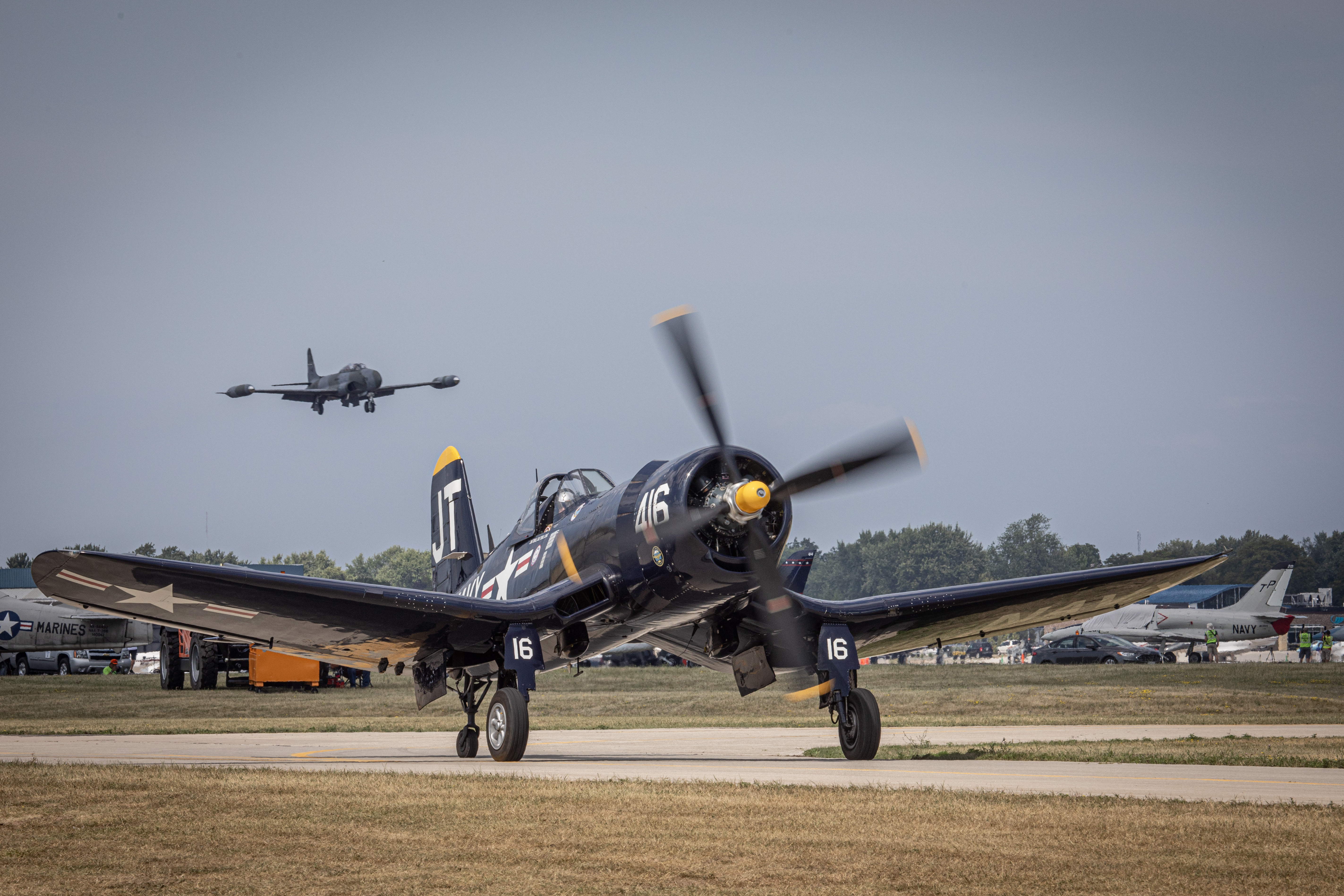
Why can't a Corsair pilot apply full power when going around after a failed carrier landing?
Because at low speed and high power the Corsair would drop its left wing suddenly and with almost no warning, due to propeller torque. If the throttle was… more…
Physics of flight
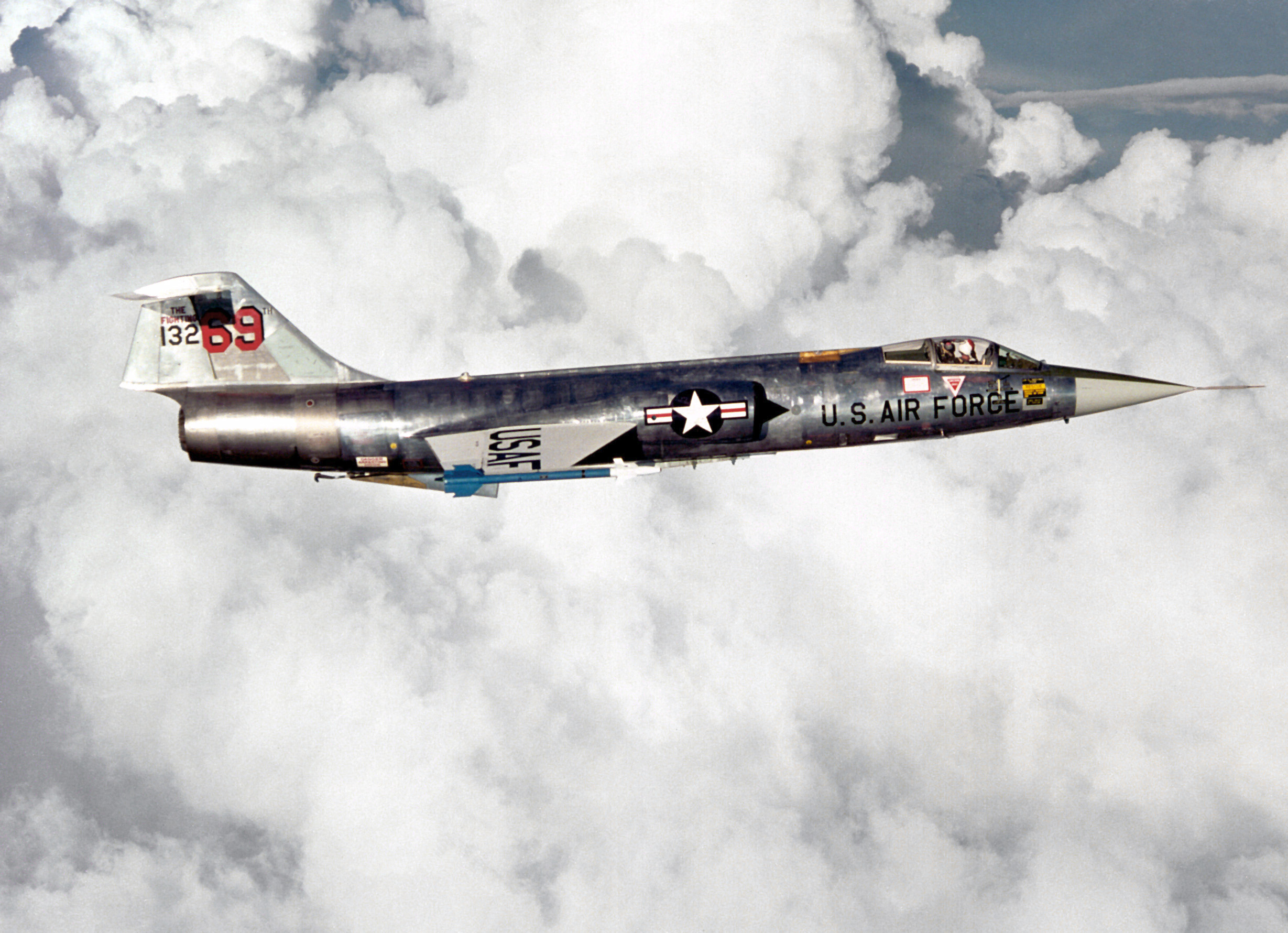
What did the phrase "banking with intent to turn" mean among F-104 pilots?
It was a joke among Canadian F-104 pilots: banking the aircraft "with intent to turn" referred to its poor low-speed turning. Its sustained turn capability… more…
Julian Herzog (Website) (CC BY), vía commons Physics of flight
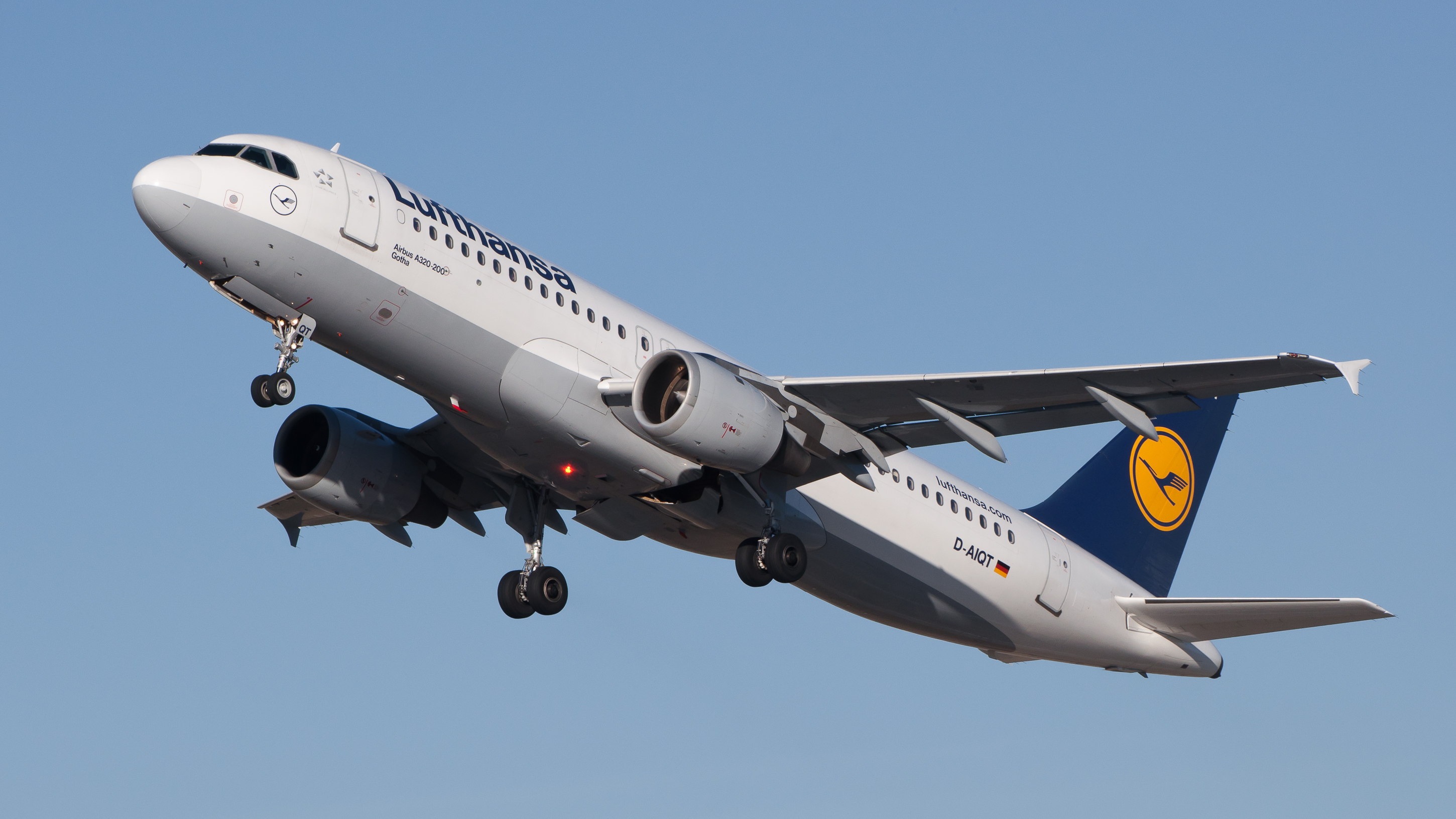
What is "flight envelope protection," which the A320 pioneered?
A set of limits embedded in the flight control software: it calculates the flight envelope, adds a safety margin, and blocks pilot inputs that would take the… more…
Julian Herzog (Website) (CC BY), vía commons Physics of flight
What is the A320's SHARP package for?
SHARP (SHort AiRfield Package) improves takeoff and landing performance on short runways and is designed to increase low-speed lift. It combines aerodynamic… more…
Physics of flight
What flaw sank Vought's all-metal V-141 fighter?
It wasn't a single flaw: tests showed the V-141 still flew poorly, was prone to spinning, and also suffered tail flutter, which is why it was rejected. It… more…
Physics of flight
What wind tunnel did NACA use to study the Corsair, and how big was it?
The full-scale 30- by 60-Foot Tunnel at the Langley Research Center, in Hampton, Virginia. NACA dedicated the facility on 27 May 1931 and used it to test the… more…


