Did you know…
How long do astronauts sleep?
Short answer
The International Space Station's schedule reserves 8.5 hours of sleep per night for each crew member. In practice, they sleep less: a study published in 2014 measured an average of 6.09 hours per night during long-duration missions, with noise, light and workload cutting into rest.

What the schedule says
Life on board runs on a strict timetable. The station's daily program reserves an 8.5-hour sleep window, from 9:30 p.m. to 6 a.m., protected every night under NASA rules. This window is no mere luxury: a study published in 2022 on six-month missions linked sleep deprivation in flight to degraded neurobehavioral functions and increased stress.
Crew members also have two and a half hours of physical exercise scheduled each day.
Why actual sleep is shorter
Studies conducted on crews show a persistent gap between the time allotted and the time actually slept. A study published in 2014 in The Lancet Neurology measured an average of 6.09 hours per night for crews on long-duration missions; the 2022 one reports 6.5 hours self-reported and a full 8.5-hour sleep window achieved in only 5.9% of nights. Several causes add up. The noise level on board is unfavorable to a good night's sleep, and astronauts generally wear earplugs and a sleep mask against noise and light; in orbit, they see 16 sunrises and sunsets every 24 hours. Workload also weighs in: the 2022 study found that astronauts go to bed later than planned and that a heavier workload goes hand in hand with less time spent in bed.
Sleep efficiency, on the other hand, remained stable, at an average of 91.8%: it's mainly the time spent in bed that shrinks.
Sleeping strapped in
Each astronaut has an individual sleeping compartment about the size of a phone booth, with a sleeping bag, pillow, lamp, air vent, laptop and storage. Those who sleep elsewhere strap their bag to the floor, the ceiling or the wall: without weight, sleeping on the floor or against a wall amounts to the same thing. The air vent is not a minor detail: exhaled carbon dioxide could form a bubble around the head, hence the requirement to sleep near a flow of air.
More questions

Lviatour (CC BY SA), vía commons Astronauts and life in space
What did Neil Armstrong see in the Cueva de los Tayos?
An enormous cave full of life, not an extraterrestrial structure. According to an account by a caver on the team, published in 1979, Armstrong was the guest… more…

Astronauts and life in space
Why do astronauts grow taller in space?
In microgravity, the spine is no longer compressed by body weight: it lengthens and the back's natural curves flatten out. The crew gains a few centimeters… more…
Astronauts and life in space
How do astronauts sleep in space?
Each astronaut on the International Space Station has an individual cabin about the size of a phone booth, with a sleeping bag strapped to the floor, ceiling… more…

Astronauts and life in space
How do astronauts eat in space?
Meals on board are mostly dehydrated foods rehydrated with water from a dispenser, and ready-to-eat thermostabilized dishes warmed in the galley oven, along… more…

Astronauts and life in space
How much money does Alexander Gerst have?
There is no reliable figure for Alexander Gerst's fortune; the amounts on celebrity websites are estimates without basis. What is documented is his… more…
Astronauts and life in space
How long does the Artemis mission last?
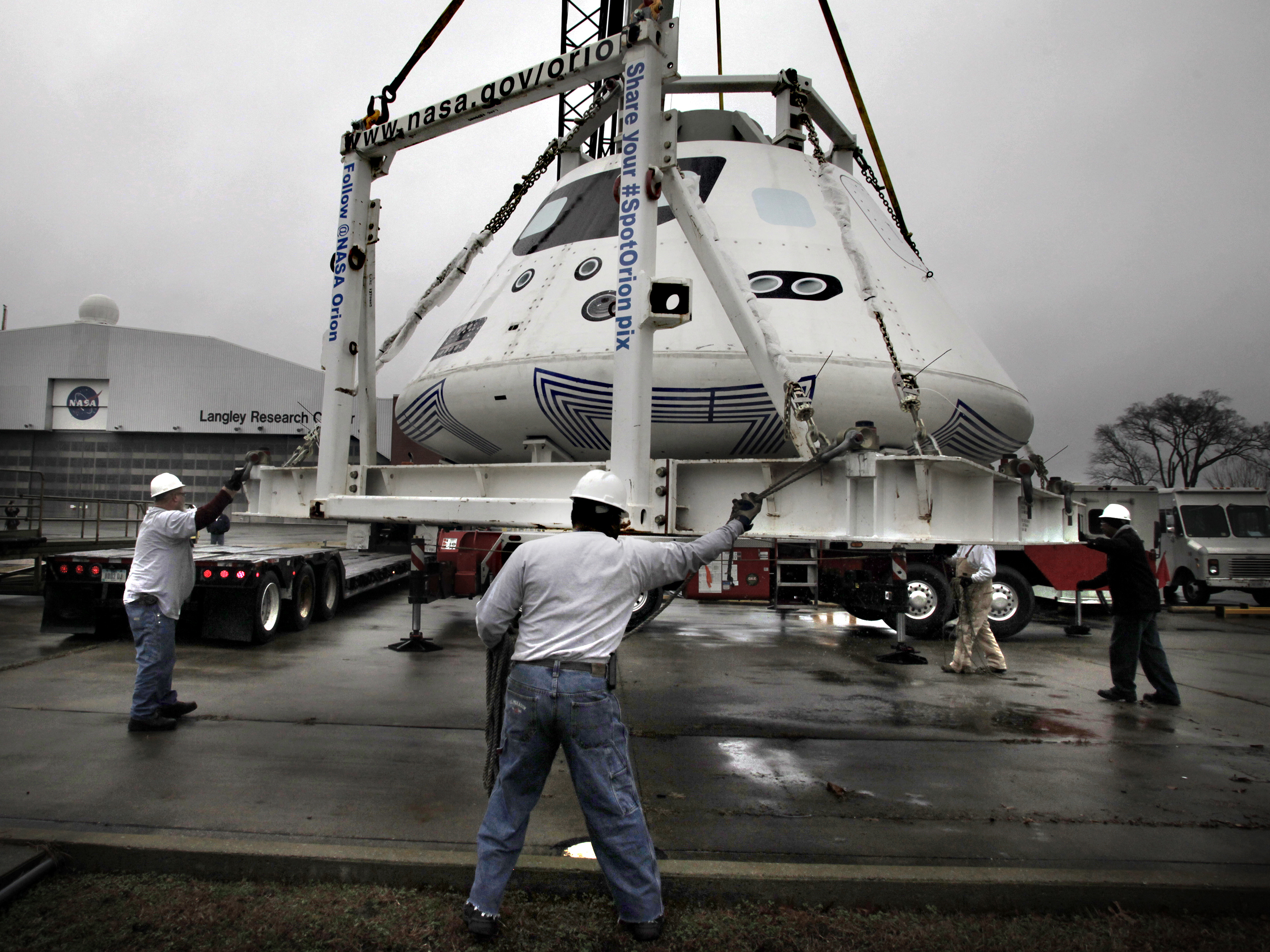
Reaching the Moon takes the Orion spacecraft days, not hours. Artemis II is planned for about ten days total: outbound, a loop behind the Moon on a… more…


