Did you know…
How long did the Israeli F-16s' flight to Osirak last?
Short answer
About three hours: the eight Israeli F-16As took off from Etzion air base and landed there again after a three-hour mission. At 80 minutes into the flight, they approached the target, and the attack on the Osirak reactor lasted less than two minutes. The distance between the Israeli bases and the reactor exceeded 1,600 km (990 mi).

Eight F-16As from Etzion
Eight Israeli F-16s carried out Operation Opera, their first use in a significant air-to-ground operation. The fighters belonged to the 117th and 110th squadrons, based at Ramat David, and took off from Etzion. Two further Fighting Falcons were held in reserve. The strike formation was assigned a formation of six F-15As to provide fighter cover. The distance between the Israeli military bases and the reactor site exceeded 1,600 km (990 mi; 860 nmi). The formation left Etzion and flew unchallenged through Jordanian and Saudi airspace.
Payload and fuel
Each F-16A carried two unguided Mark-84 2,000 lb (910 kg) delay-action bombs. In addition to internal fuel, it carried two 370-US-gallon external tanks under the wings and a 300-US-gallon tank under the fuselage. The aircraft were so heavily loaded that the external tanks ran dry in flight and were jettisoned over the Saudi desert.
Eighty minutes out and two minutes over the target
After 80 minutes in the air, the attackers approached the target and prepared to strike. The weapons were released over the target in two waves of four Falcons each. The attack lasted less than two minutes. The Iraqi Osirak nuclear reactor, under construction near Baghdad, was severely damaged. All the aircraft landed at Etzion after a three-hour mission.
More questions
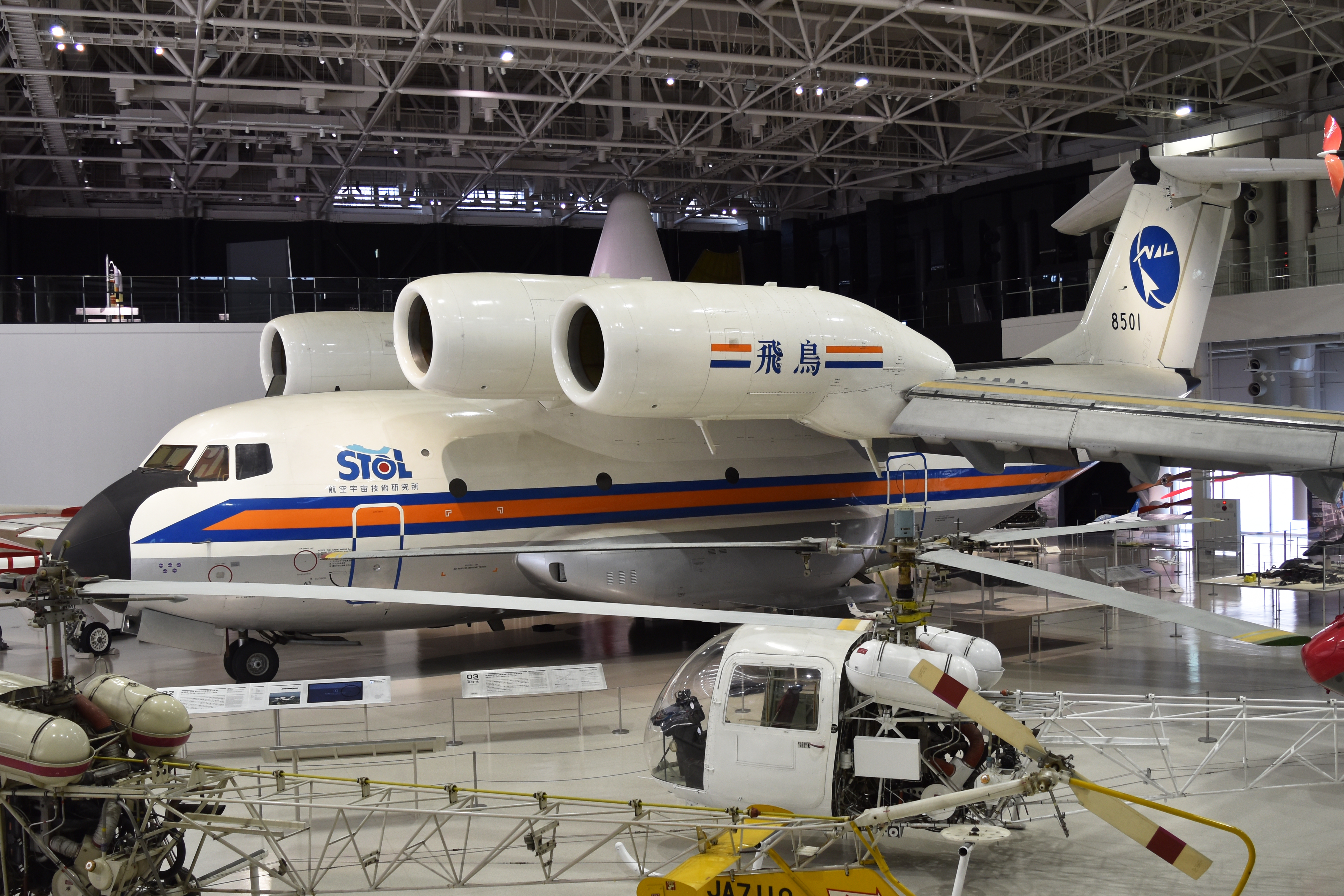
Alan Wilson from Peterborough, Cambs, UK (CC BY SA), vía commons Aviation history
What was Antonov's first jet aircraft?
The An-72, the first jet aircraft in the Antonov family. Design work began in the early 1970s, likely as a Soviet response to the US AMST programme, and the… more…

Donald Trung Quoc Don (Chữ Hán: 徵國單) - Wikimedia Commons - © CC BY-SA 4.0 International.(Want to use this image?)Original publication 📤: --Donald Trung 『徵國單』 (No Fake News 💬) (WikiProject Numismatics 💴) (Articles 📚) 20:25, 16 January 2021 (UTC) (CC BY SA), vía commons Aviation history
How many civilians died in Rotterdam?
At least 1,150 people died in the German bombing of Rotterdam, of which 711 correspond solely to the attack of 14 May. Another 85,000 were left homeless. That… more…
- Image pending
Aviation history
What shaped charges did GRANIT use at Eben-Emael?
Granit used primitive, unlined shaped charges fixed onto Eben-Emael's turrets. When detonated they shook the turrets but failed to destroy them, so other… more…
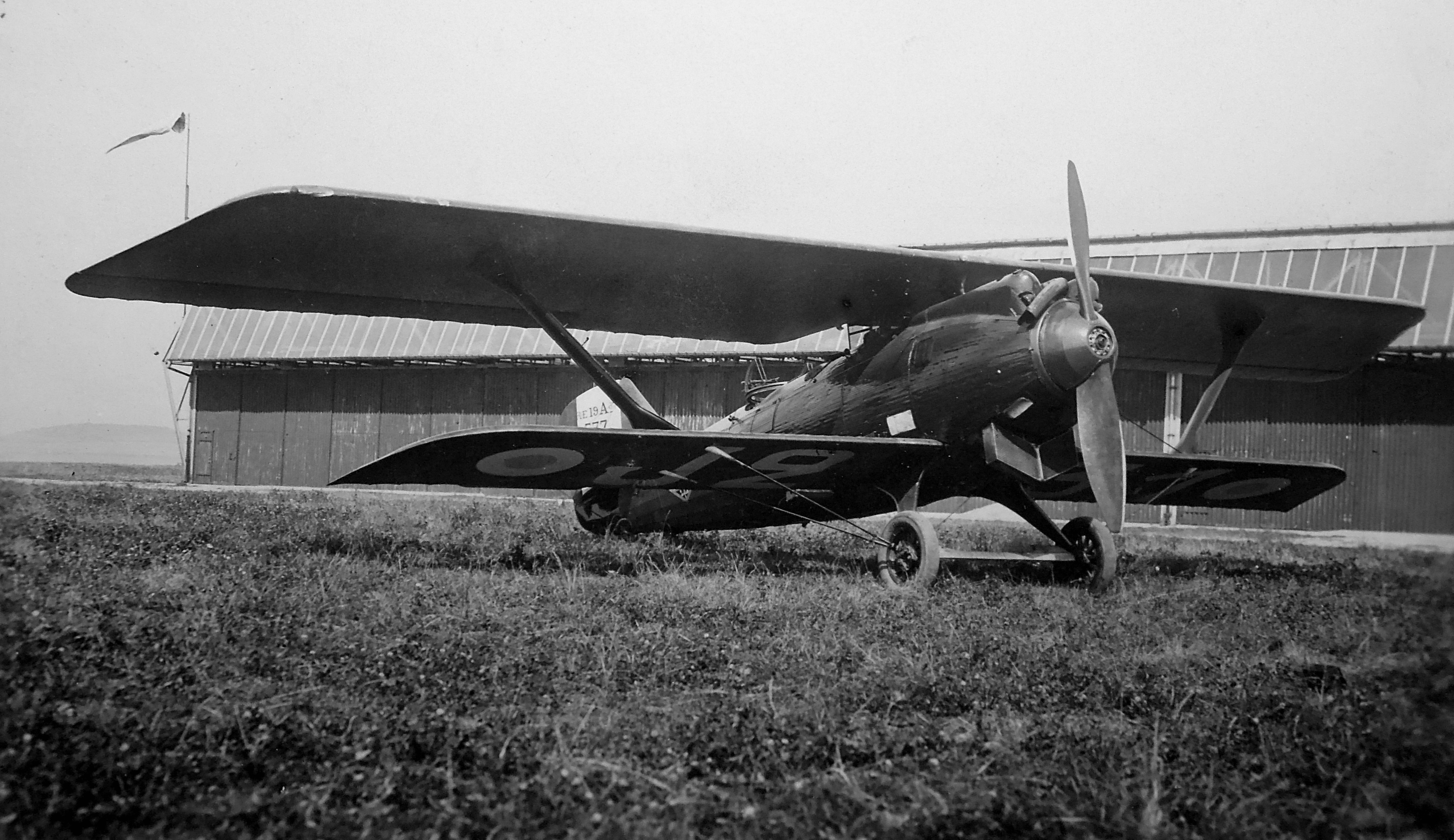
Peyot (CC BY SA), vía commons Aviation history
What was the "Super Bidon"?
It was a version of the Breguet 19 with a modified fuselage and huge fuel capacity: the French Super Bidon was the third Br.19 TR Hispano, named Point… more…
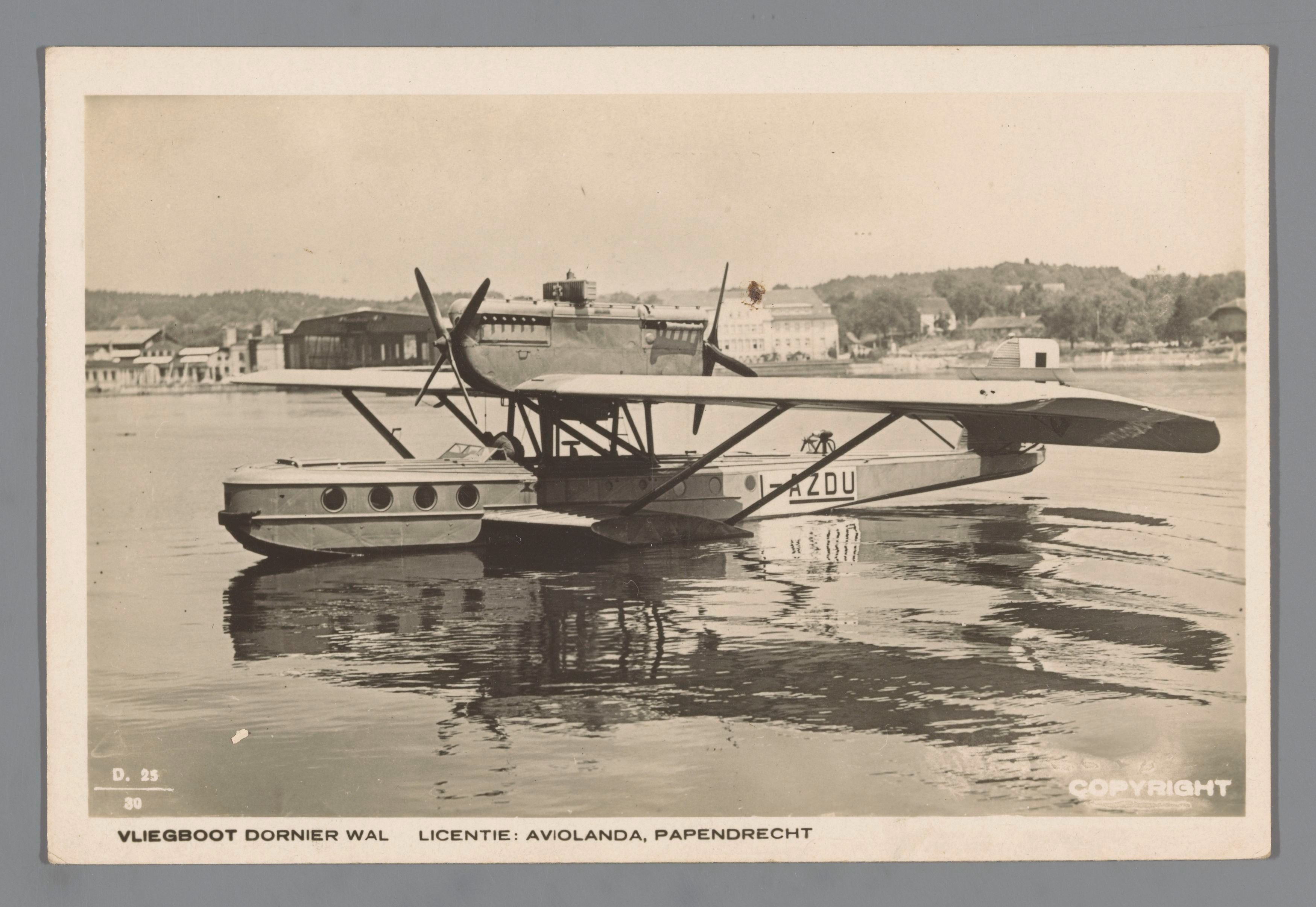
Aviation history
Who crewed the Plus Ultra?
Four Spanish aviators: commander Ramón Franco, captain Julio Ruiz de Alda Miqueleiz, ensign Juan Manuel Durán and mechanic Pablo Rada. Franco and Ruiz de Alda… more…
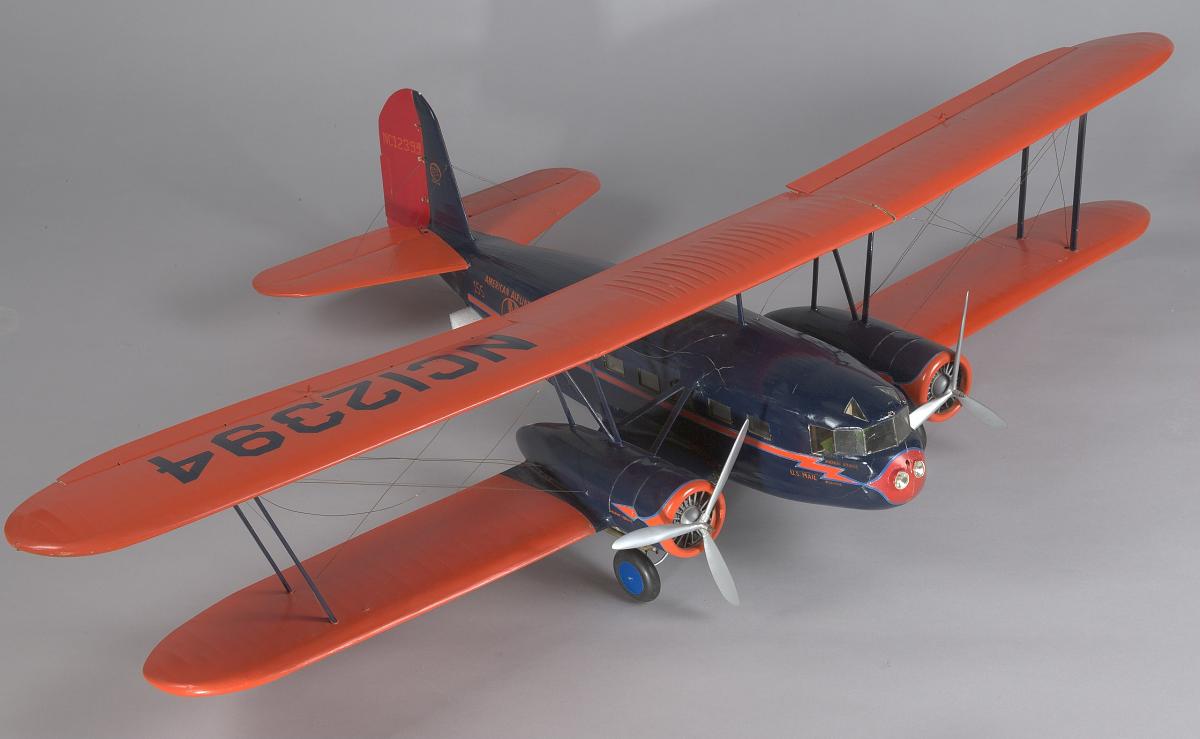
Aviation history
Why does the An-32 have its engines mounted high?
To avoid foreign object damage when operating from rough, unprepared runways: the An-32 differs from its predecessor by having its engines raised 1.5 m above… more…


