Did you know…
How high does a Boeing 747 fly?
Short answer
A Boeing 747 cruises between 10,000 and 13,000 m (about 33,000 to 43,000 ft). Its service ceiling is around 13,700 m (45,100 ft) on the 747-400 and 13,100 m (43,100 ft) on the 747-8. The exact altitude for each flight depends on weight, wind and traffic; the higher it flies, the less fuel it burns.

Typical cruise altitude
A 747 in regular service climbs after takeoff to an initial cruise level usually between 9,000 and 11,000 m (FL290-FL360), and as it burns fuel and loses weight it requests higher levels in 600 m (2,000 ft) steps, a procedure known as a step climb. On long flights, the final hours are often spent between 11,500 and 12,500 m (FL380-FL410). The service ceiling, the maximum altitude at which the aircraft retains a useful rate of climb, is around 13,700 m (45,100 ft) on the 747-400 and 13,100 m (43,100 ft) on the 747-8, though it's rarely reached with a commercial load.
Why it doesn't fly higher
At high altitude the air is less dense, which reduces aerodynamic drag and improves engine fuel burn, but it also limits available lift and thrust. For a given weight, every 747 has an optimal altitude at which the margin between stall speed and maximum operating speed, known as the coffin corner, remains safe. The cabin is also pressurized to an equivalent altitude of about 2,400 m (8,000 ft), and the fuselage structure is certified for a specific pressure differential that sets the upper limit.
Traffic and weather
The final altitude also depends on air traffic control, which assigns odd or even levels based on heading, and on the jet stream: eastbound routes try to catch it, westbound routes try to avoid it. A typical London-New York flight, for instance, crosses the Atlantic at levels between FL330 and FL390. Convective storms can top 15,000 m, so the 747, like any commercial jet, flies around them rather than over them.
More questions
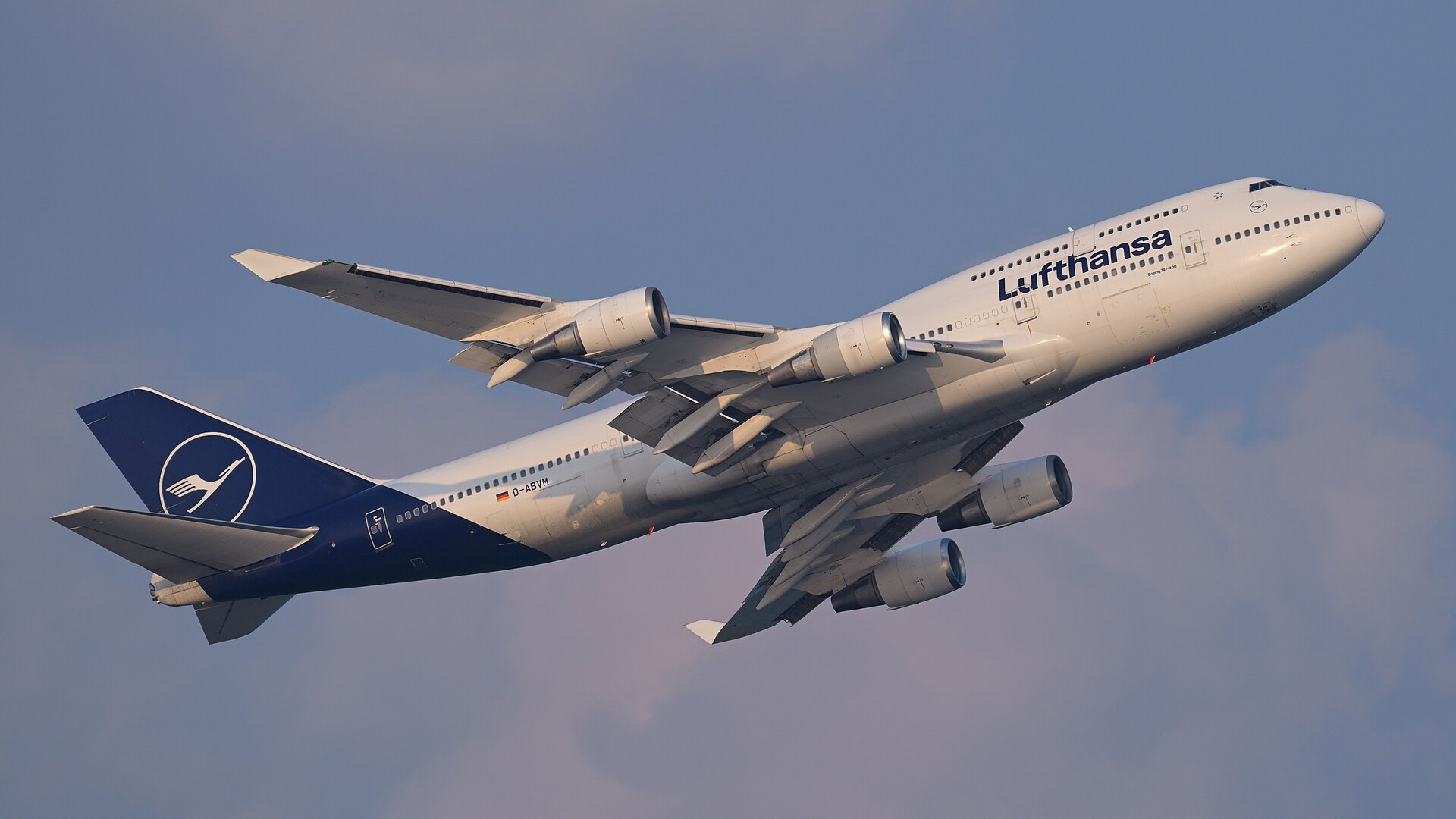
Foto: 4300streetcar (CC BY 4.0) Commercial aviation
Which 747 carried Enterprise "piggyback"?
The first Shuttle Carrier Aircraft was a Boeing 747-123 registered N905NA, originally built for American Airlines and acquired by NASA in 1974. Boeing… more…
Commercial aviation
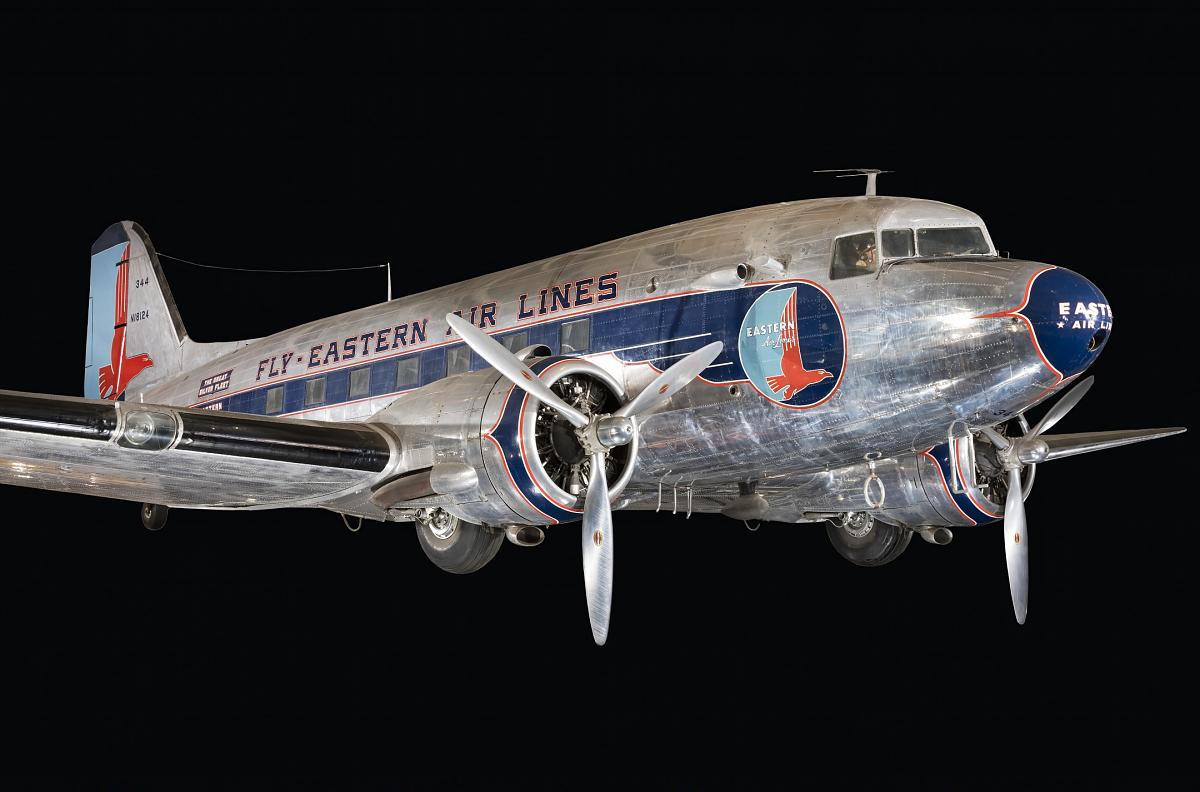
Was there an amphibious DC-3?
Yes: the Douglas XC-47C was created by fitting Edo Model 78 floats onto a standard C-47. The single-step metal floats carried retractable wheels that also… more…
OTFW, Berlin (CC BY SA), vía commons Commercial aviation
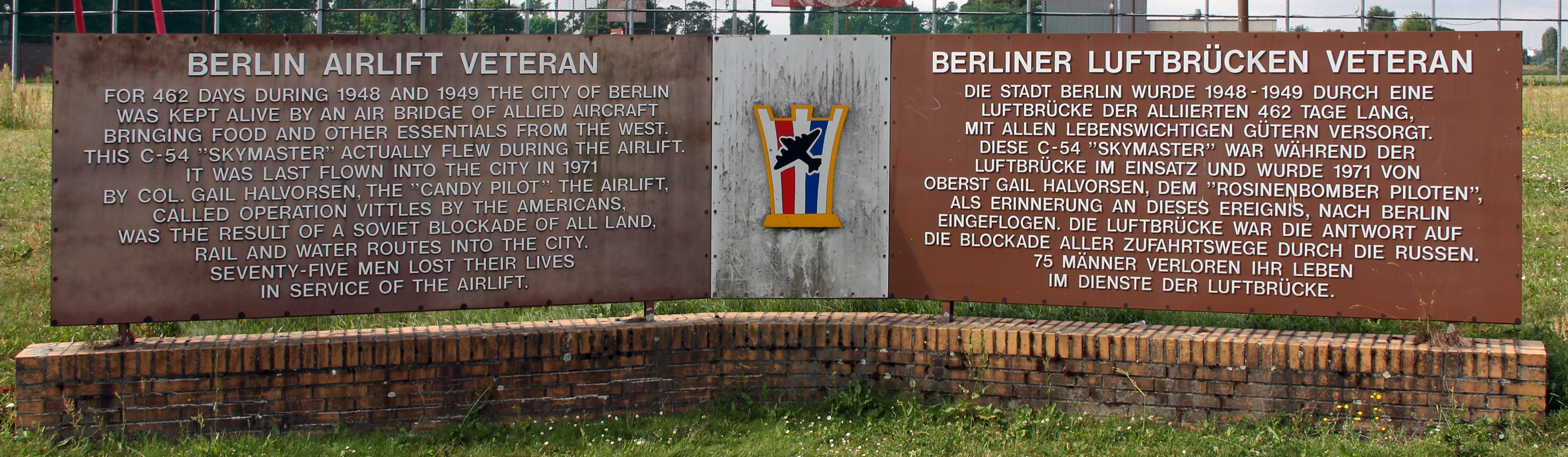
Was a C-47 converted into a glider?
Yes: the Douglas XCG-17 was an assault glider created by converting a twin-engine C-47 Skytrain during World War II. Its engines were removed and the nacelles… more…
Commercial aviation
What did the USSR build from the DC-3?
The USSR built a version of the DC-3 under a licence granted to its government on 15 July 1936. It was designated PS-84 and, in 1942, renamed Lisunov Li-2… more…
Commercial aviation
What was "Puff, the Magic Dragon"?
It was the nickname of the Douglas AC-47 Spooky, the first in a series of fixed-wing gunships developed by the United States Air Force during the Vietnam War… more…
Commercial aviation
How did the RAF refer to the C-47?
The RAF called it Dakota: the Dakota I was the designation for 53 C-47s received under Lend-Lease. The Dakota III designated 962 C-47A Skytrains. The Dakota… more…

