Did you know…
Why does time fly on a private jet?
Short answer
Time "flies" on a private jet mostly because of what happens on the ground: with no check-in lines or mass security screening, passengers reach a private terminal (FBO) 15 minutes before departure and board directly. It also uses smaller airports closer to the destination and higher cruising altitudes, with more direct routes than scheduled airlines.

What you save before takeoff
Most of the time a business jet gains isn't made up in the air, but on the ground. The passenger never sets foot in a commercial terminal: they arrive at a general aviation terminal, the FBO, where security and document checks are handled in minutes. Showing up a quarter of an hour before departure is standard practice, luggage travels with the passenger right up to the stairs, and the aircraft taxis as soon as the crew closes the checklist. On a scheduled flight, between airport arrival, boarding, and the wait on the tarmac, that margin usually tops two hours.
Closer airports and more direct routes
Business jets operate out of thousands of airfields with short runways that airlines don't serve, so the departure and arrival points sit much closer to the trip's actual origin and destination. That removes long road transfers and the stopovers imposed by a commercial carrier's network. In flight, many models are certified for ceilings of 45,000 to 51,000 ft (13,700 to 15,500 m), above airline traffic and much of the weather, allowing straighter routes and less waiting for congestion.
The passenger's perception
On top of all that comes a psychological effect. The cabin seats between four and fourteen, passengers can work or sleep without PA announcements, and there's no dead time boarding by groups. The feeling that time flies is the sum of a frictionless process: fewer waits, fewer transfers, and a schedule set by the client, not the airline. That flexibility comes at a high price, which is why the sector lives on corporate clients and fractional ownership, but the hours saved per trip are measurable and are its main selling point.
More questions
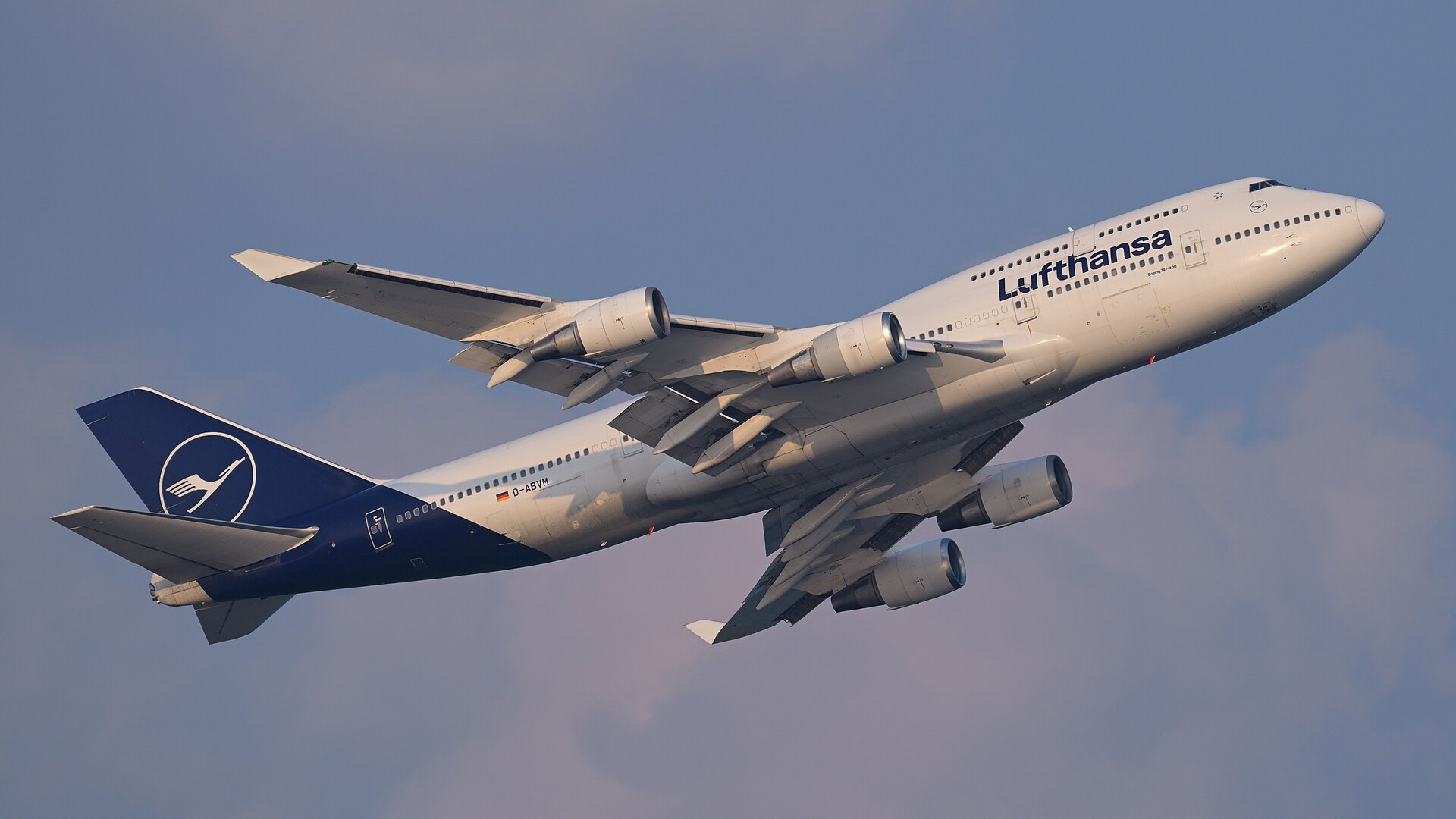
Foto: 4300streetcar (CC BY 4.0) Commercial aviation
Which 747 carried Enterprise "piggyback"?
The first Shuttle Carrier Aircraft was a Boeing 747-123 registered N905NA, originally built for American Airlines and acquired by NASA in 1974. Boeing… more…
Commercial aviation
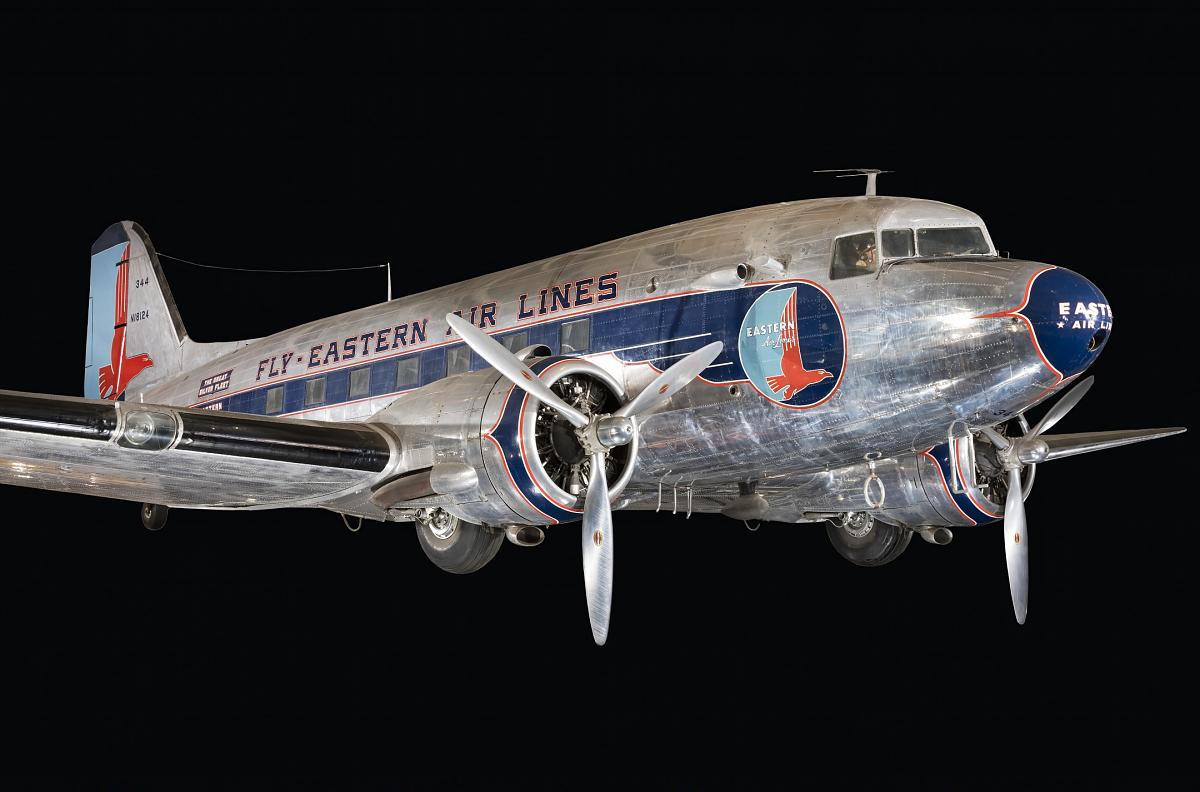
Was there an amphibious DC-3?
Yes: the Douglas XC-47C was created by fitting Edo Model 78 floats onto a standard C-47. The single-step metal floats carried retractable wheels that also… more…
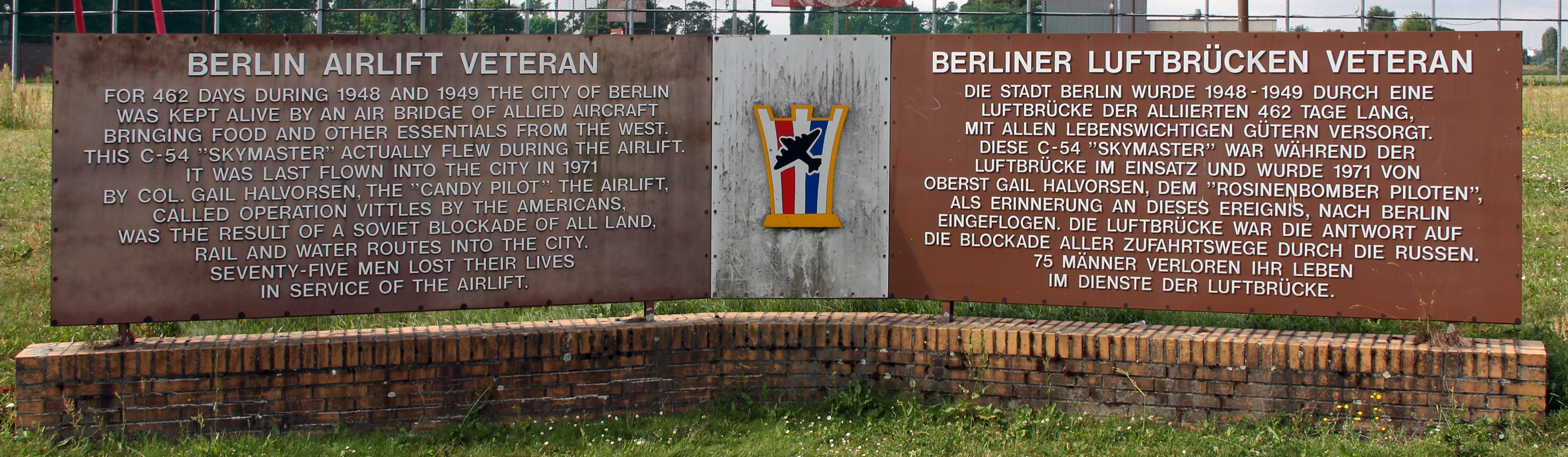
OTFW, Berlin (CC BY SA), vía commons Commercial aviation
Was a C-47 converted into a glider?
Yes: the Douglas XCG-17 was an assault glider created by converting a twin-engine C-47 Skytrain during World War II. Its engines were removed and the nacelles… more…
Commercial aviation
What did the USSR build from the DC-3?
The USSR built a version of the DC-3 under a licence granted to its government on 15 July 1936. It was designated PS-84 and, in 1942, renamed Lisunov Li-2… more…
Commercial aviation
What was "Puff, the Magic Dragon"?
It was the nickname of the Douglas AC-47 Spooky, the first in a series of fixed-wing gunships developed by the United States Air Force during the Vietnam War… more…
Commercial aviation
How did the RAF refer to the C-47?
The RAF called it Dakota: the Dakota I was the designation for 53 C-47s received under Lend-Lease. The Dakota III designated 962 C-47A Skytrains. The Dakota… more…


