Did you know…
Which aircraft was designed specifically to investigate inverted flight?
Short answer
The Albatros L 79 Kobold, though it was not a test rig but a German single-seat aerobatic aircraft of the 1920s and 1930s. Its wings, of equal span and no stagger, carried a symmetrical airfoil meant to ensure performance in inverted flight. It was powered by a 93 kW (125 hp) Siemens-Halske Sh 12.

A single-seat aerobatic aircraft
The Albatros L 79 Kobold was a German single-seat aerobatic aircraft of the 1920s and 1930s. It was a single-bay biplane with wings of equal span and no stagger, whose symmetrical airfoil was intended to ensure performance during inverted flight. It was powered by a 93 kW (125 hp) Siemens-Halske Sh 12.
Dimensions and weights
It measured 6.27 m (20 ft 7 in) in length, 8.80 m (28 ft 10 in) in span and 2.24 m (7 ft 4 in) in height, with a wing area of 16.6 m² (179 sq ft). The empty weight was 465 kg (1,025 lb) and the gross weight 640 kg (1,411 lb).
Performance
Its maximum speed was 165 km/h (100 mph, 87 kn), range was 2.5 hours and climb rate was 3.2 m/s (630 ft/min).
More questions

Aviation history
What was the An-2 called before it became an Antonov?
SKh-1. The letters stood for Sel'sko Khozyaystvennyi — pervoy, "agricultural, the first," and corresponded to the first design from Antonov's bureau, later… more…
Aviation history
At what altitude did the weather-research An-4 biplane fly?
Up to 10,000 m: the An-4 — the design-bureau designation for the meteorological An-2ZA, intended for high-altitude weather research — could maintain power up… more…
Aviation history
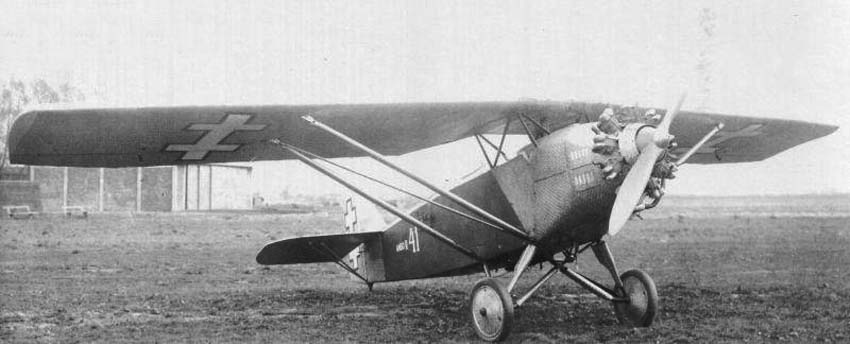
How many ANBO II and III aircraft were built?
The ANBO III was the first Lithuanian-designed aircraft built in series: two batches of four built in 1930 and 1931. The ANBO II, built in Lithuania in 1927… more…

emmett anderson (CC BY), vía commons Aviation history
How many Anderson Kingfishers were under construction around 1982?
The figure on record is from 1978, not 1982: by then 200 kit sets had been sold and 100 Kingfishers were reported under construction. The EA-1 Kingfisher is a… more…
Giorces (CC BY), vía commons Aviation history
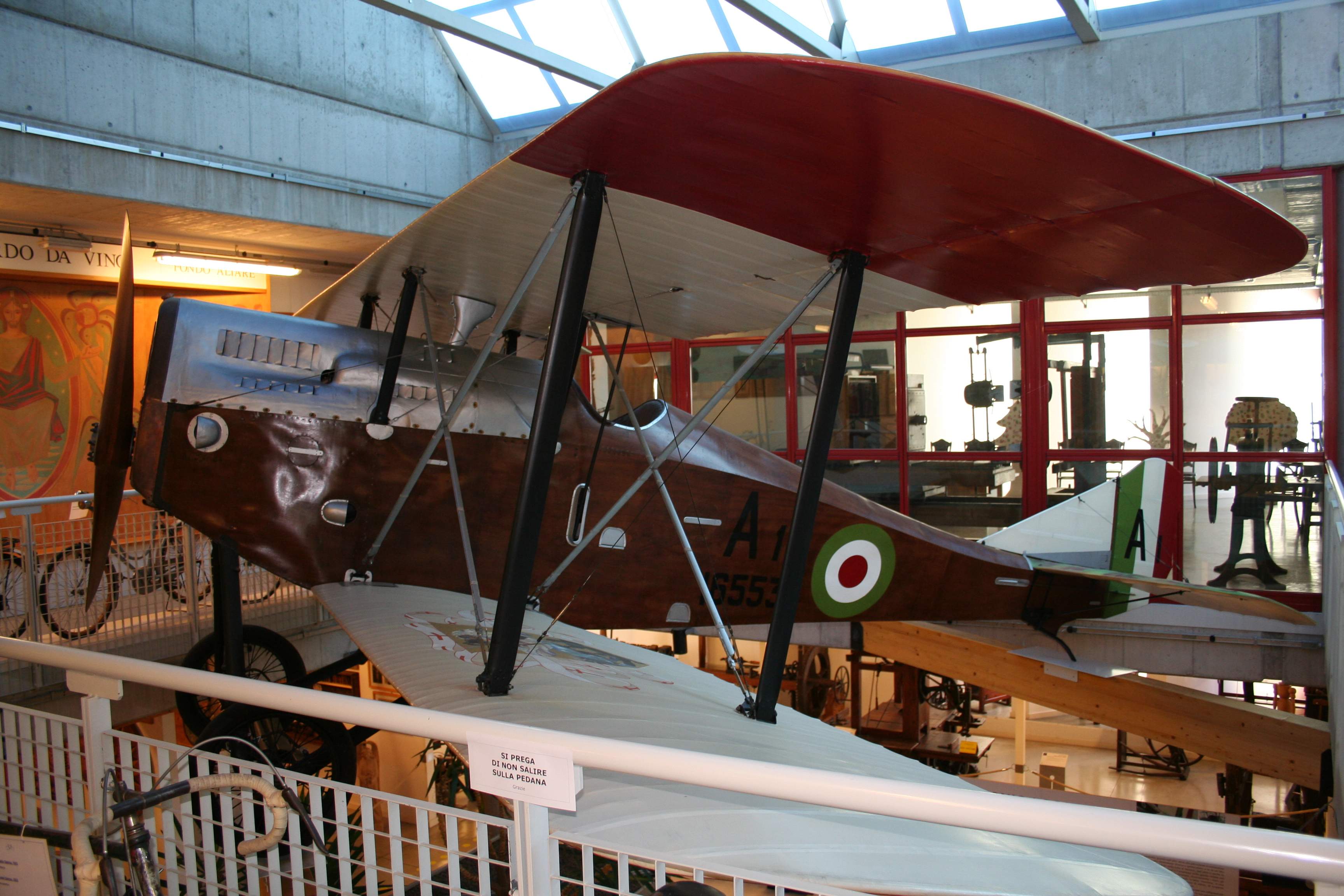
What does "Balilla" mean in the Ansaldo A.1?
"Balilla" isn't a technical designation but the nickname of the Ansaldo A.1 fighter, taken from a popular Genoese hero. The aircraft was the only… more…
ZemplinTemplar (CC BY SA), vía commons Aviation history
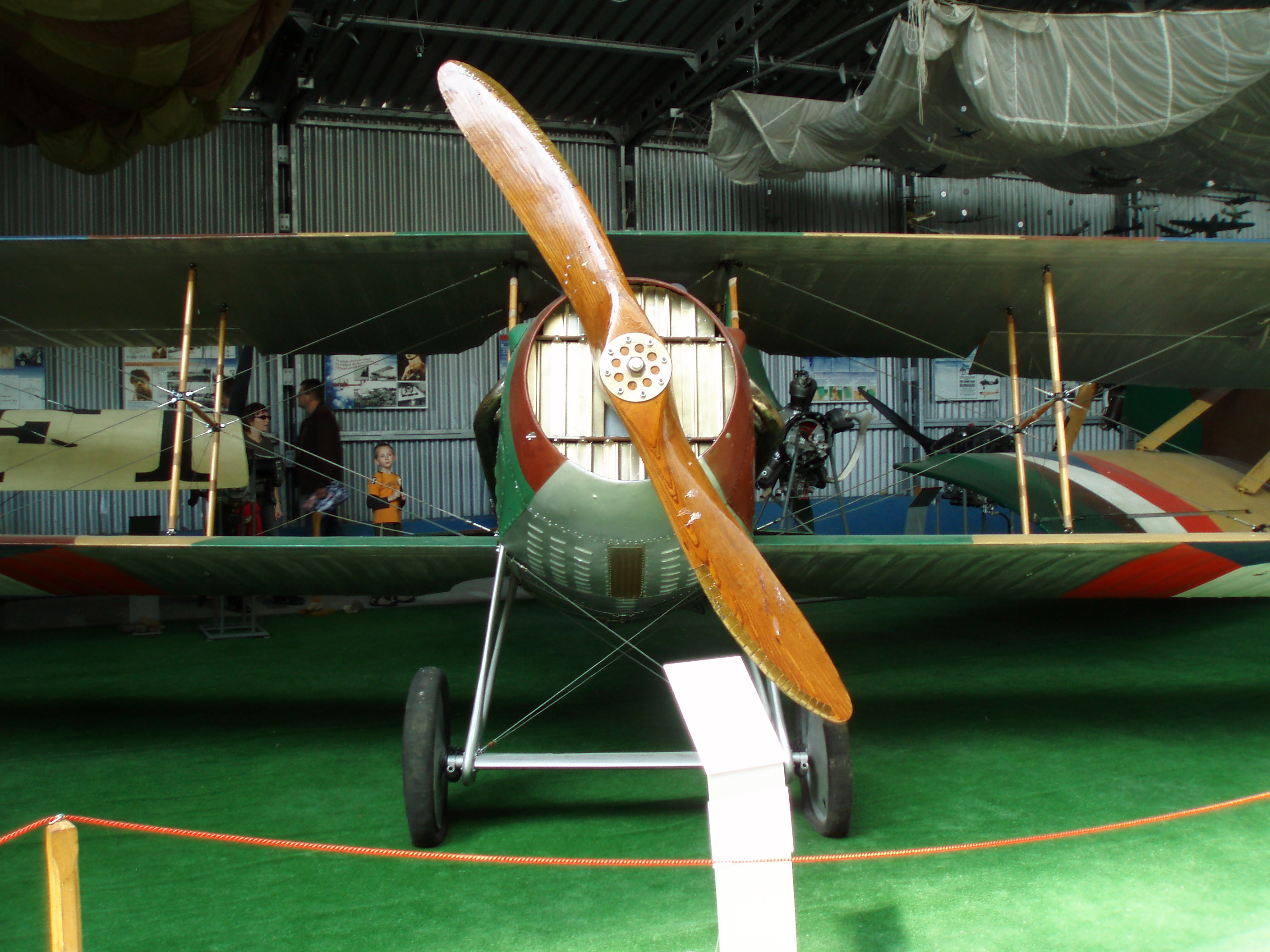
Why did Italy prefer the SPAD over the Ansaldo A.1 in 1917?
In 1917 there was no clear-cut preference: the A.1 wasn't even accepted by the Corpo Aeronautico Militare until December that year, because test pilots… more…


