Did you know…
When did the Concorde arrive in Mexico?
Short answer
The Concorde arrived in Mexico on 20 September 1978, when Air France launched the Paris–Washington–Mexico City route, the only regular supersonic service in Latin America. It lasted just over four years: low occupancy and Mexico's economic crisis led to its cancellation on 1 November 1982.

A flight with a stopover in Washington
Air France opened the route on 20 September 1978, flying Paris-Charles de Gaulle – Washington-Dulles – Mexico City. The Concorde could not cover the 9,200 km between Paris and Mexico without refuelling: its supersonic cruise range was around 6,500 km, so the Washington stopover, which Air France had served since 1976, acted as a bridge. The Washington–Mexico leg took just under three hours, and the whole journey came in under eight, against the eleven or twelve of a subsonic jet.
Why it came and why it left
In the late 1970s Mexico was riding the oil boom and had a business and government clientele willing to pay the supersonic fare; for Air France, it was also a way to put to use a fleet of seven aircraft with few profitable routes. Occupancy, however, was low from the start. The segment over the United States had to be flown at subsonic speed, which took away the aircraft's advantage, and the peso devaluation and the 1982 debt crisis crushed demand. Air France suspended the service on 1 November 1982, just over four years after launching it.
A technically demanding destination
Benito Juárez Airport sits at 2,230 m (7,316 ft) of altitude. The thinner air lengthened the takeoff run and limited the maximum weight, so the Concorde left Mexico carrying less fuel than it would have loaded at sea level. After the scheduled route closed, the aircraft returned to Mexico on sporadic charter flights during the 1980s and 1990s. The programme ended in 2003: Air France's last commercial flight was on 31 May and British Airways' on 24 October.
More questions
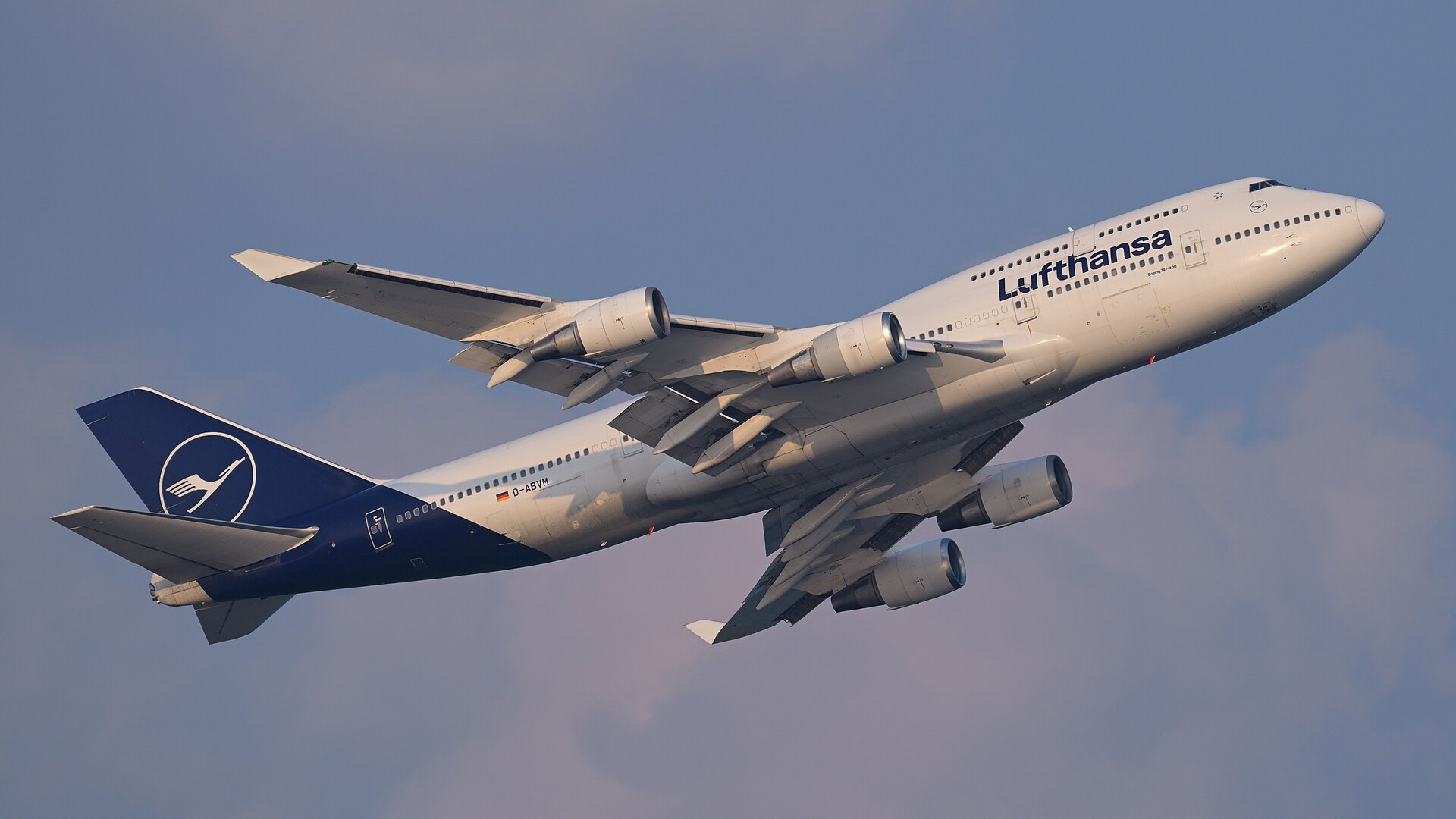
Foto: 4300streetcar (CC BY 4.0) Commercial aviation
Which 747 carried Enterprise "piggyback"?
The first Shuttle Carrier Aircraft was a Boeing 747-123 registered N905NA, originally built for American Airlines and acquired by NASA in 1974. Boeing… more…
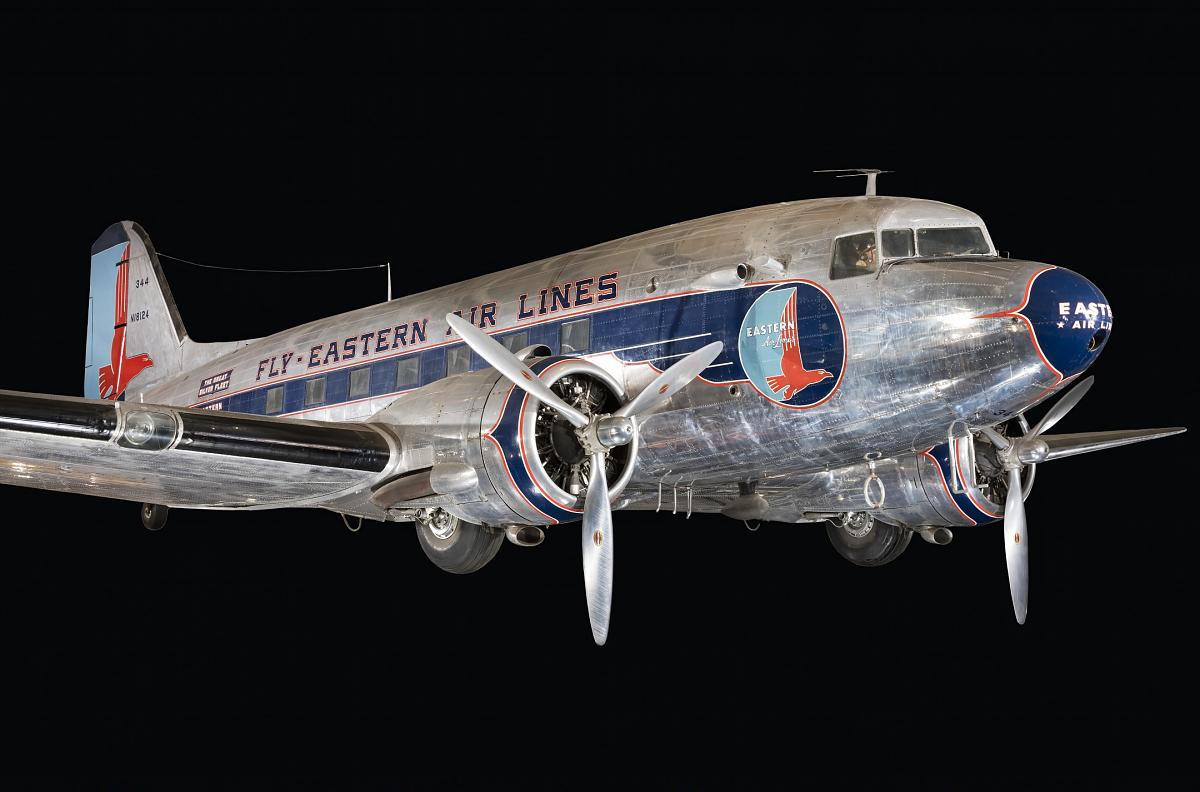
Commercial aviation
Was there an amphibious DC-3?
Yes: the Douglas XC-47C was created by fitting Edo Model 78 floats onto a standard C-47. The single-step metal floats carried retractable wheels that also… more…
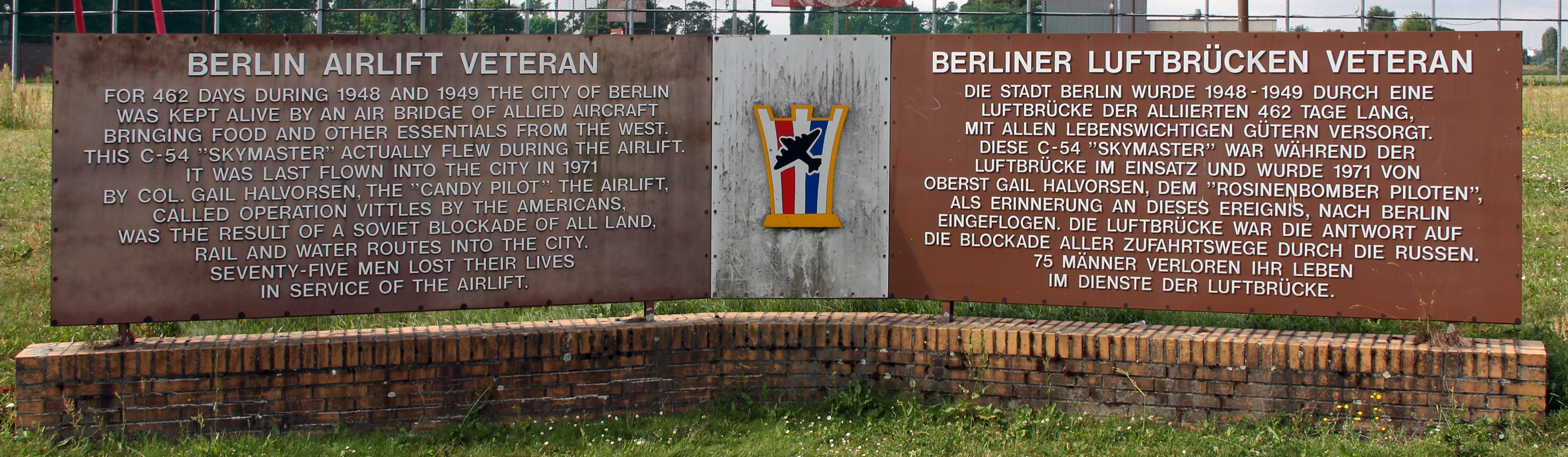
OTFW, Berlin (CC BY SA), vía commons Commercial aviation
Was a C-47 converted into a glider?
Yes: the Douglas XCG-17 was an assault glider created by converting a twin-engine C-47 Skytrain during World War II. Its engines were removed and the nacelles… more…
Commercial aviation
What did the USSR build from the DC-3?
The USSR built a version of the DC-3 under a licence granted to its government on 15 July 1936. It was designated PS-84 and, in 1942, renamed Lisunov Li-2… more…
Commercial aviation
What was "Puff, the Magic Dragon"?
It was the nickname of the Douglas AC-47 Spooky, the first in a series of fixed-wing gunships developed by the United States Air Force during the Vietnam War… more…
Commercial aviation
How did the RAF refer to the C-47?
The RAF called it Dakota: the Dakota I was the designation for 53 C-47s received under Lend-Lease. The Dakota III designated 962 C-47A Skytrains. The Dakota… more…


