Did you know…
What was the practical purpose of the Sunderland's four fixed forward machine guns?
Short answer
To strafe the submarine during the dive itself: it was the Australians' countermeasure against the U-boats' growing defensive armament, letting the pilot add fire while diving on the sub before releasing the bombs. They were field-fitted, and most aircraft received the same modification.

The answer to the U-boats' defensive armament
As a countermeasure to the increasing defensive armament of the U-boats, the Australians field-fitted their aircraft with four additional fixed .303s (7.7 mm) in the nose, which let the pilot add fire while diving on the submarine before releasing the bombs. Most aircraft received a similar modification.
The pilot's fire during the dive
The nose guns were later reinforced with four more fixed machine guns, two on each side, in the forward fuselage, fired by the pilot. Throughout the Mk III's service life a large number of almost continuous improvements were introduced, including the ASV Mk IIIA and four more fixed machine guns in the forward fuselage wall, just behind the turret, first developed on RAAF aircraft and with a simple bead-and-ring sight for the pilot.
The rest of the armament
The nose turret used two different armament fits over time; the more common one, later on, was two Browning machine guns. The defensive armament included a Nash & Thompson FN-13 power-operated turret with four British .303 Brownings at the tail end and a pair of manually operated .303s on each side of the fuselage, firing through openings just below and behind the wings. Much later a two-gun dorsal turret would be fitted, on top of the fuselage roughly level with the wing's trailing edge, raising the total defensive armament to 16 machine guns.
More questions
L-Bit (CC BY SA), vía commons Military aviation
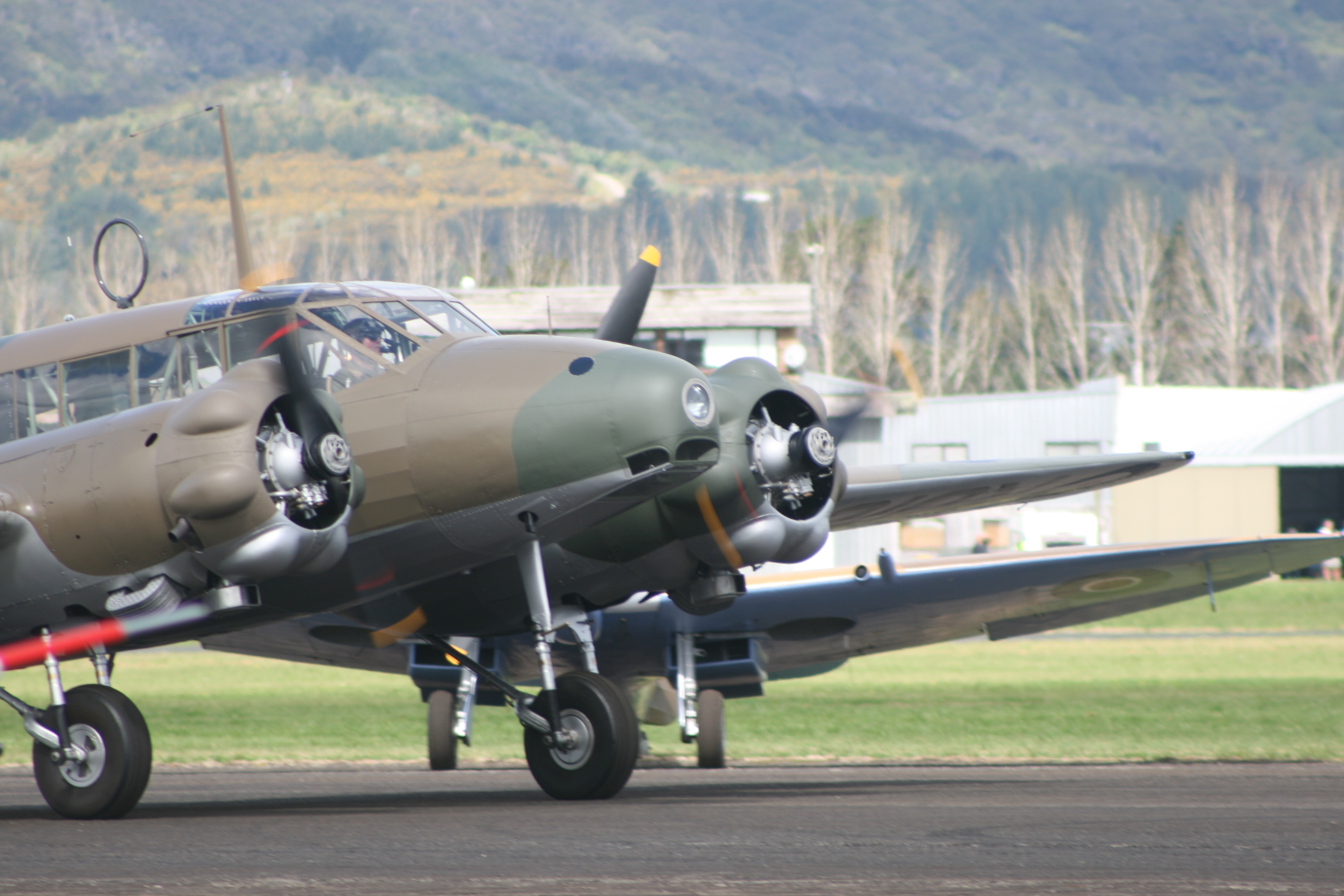
How many Anson Mk I were built?
6,688 or 6,742 Avro Anson Mk I were built, according to different sources; History of War, which gives the second figure, places 3,935 at Woodford and the… more…
Military aviation
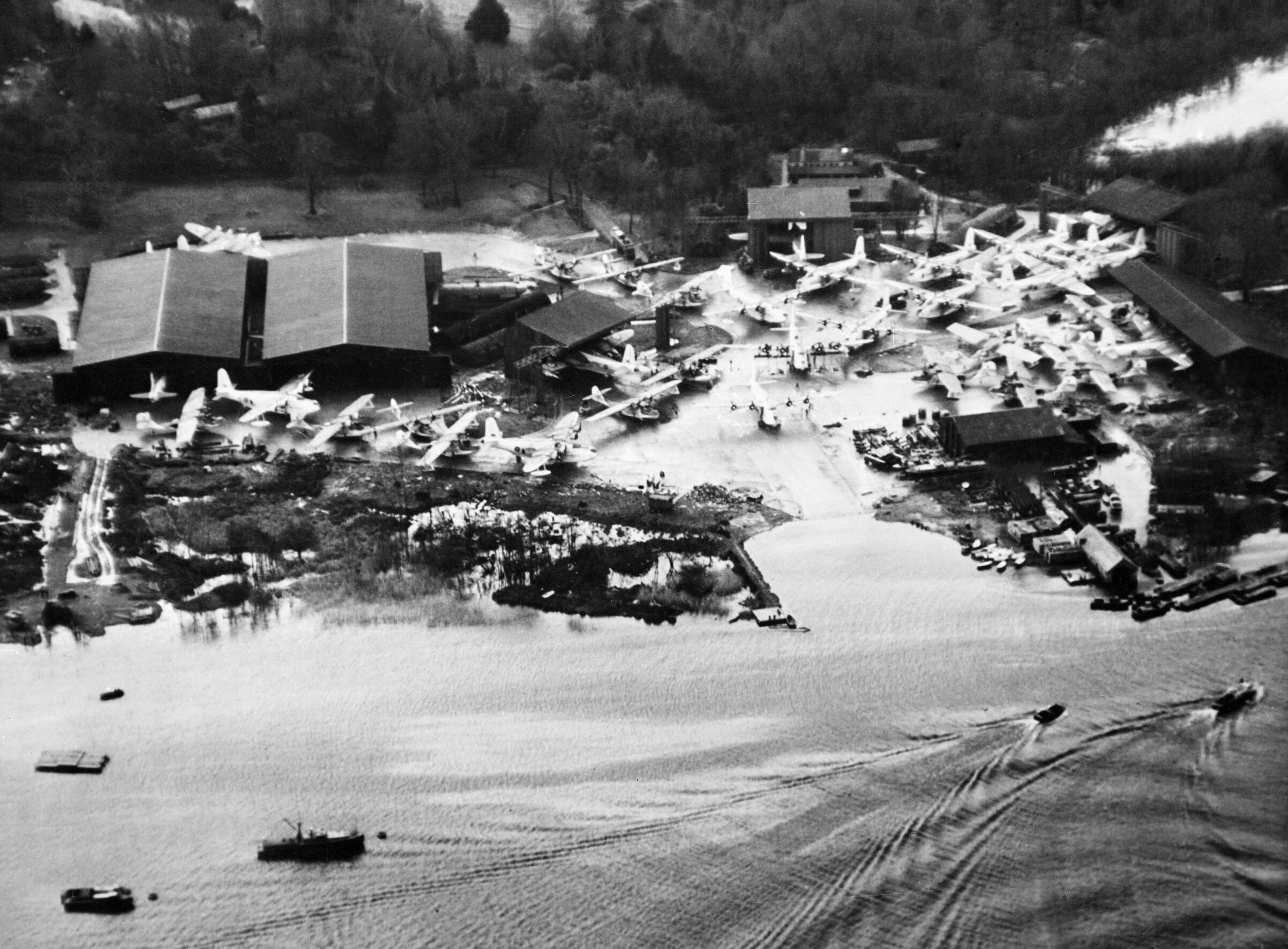
Which flying boats rescued the crew of the Kensington Court in 1939?
They were two RAF Sunderland flying boats: according to uboat.net, an aircraft of Squadron 228 and L5802 of Squadron 204 landed on the water next to the… more…
Military aviation
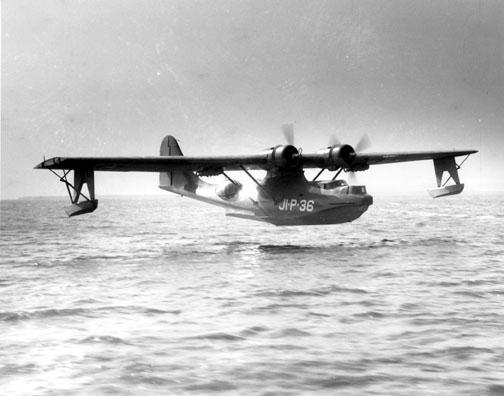
How long did Catalina convoy escort flights to the USSR last?
Many of the Catalina flights protecting convoys to the Soviet Union lasted between 15 and 20 hours and ended at Gryaznaya Bay (Murmansk) or at Arkhangelsk… more…
Military aviation
How many aircraft did the Axis lose in Crusader?
Around 332 aircraft destroyed and around 228 abandoned in the operation's tally, which took place between 18 November and 30 December 1941. According to their… more…
Military aviation
How many victories did No. 604 Squadron, the RAF night-fighter squadron, claim?
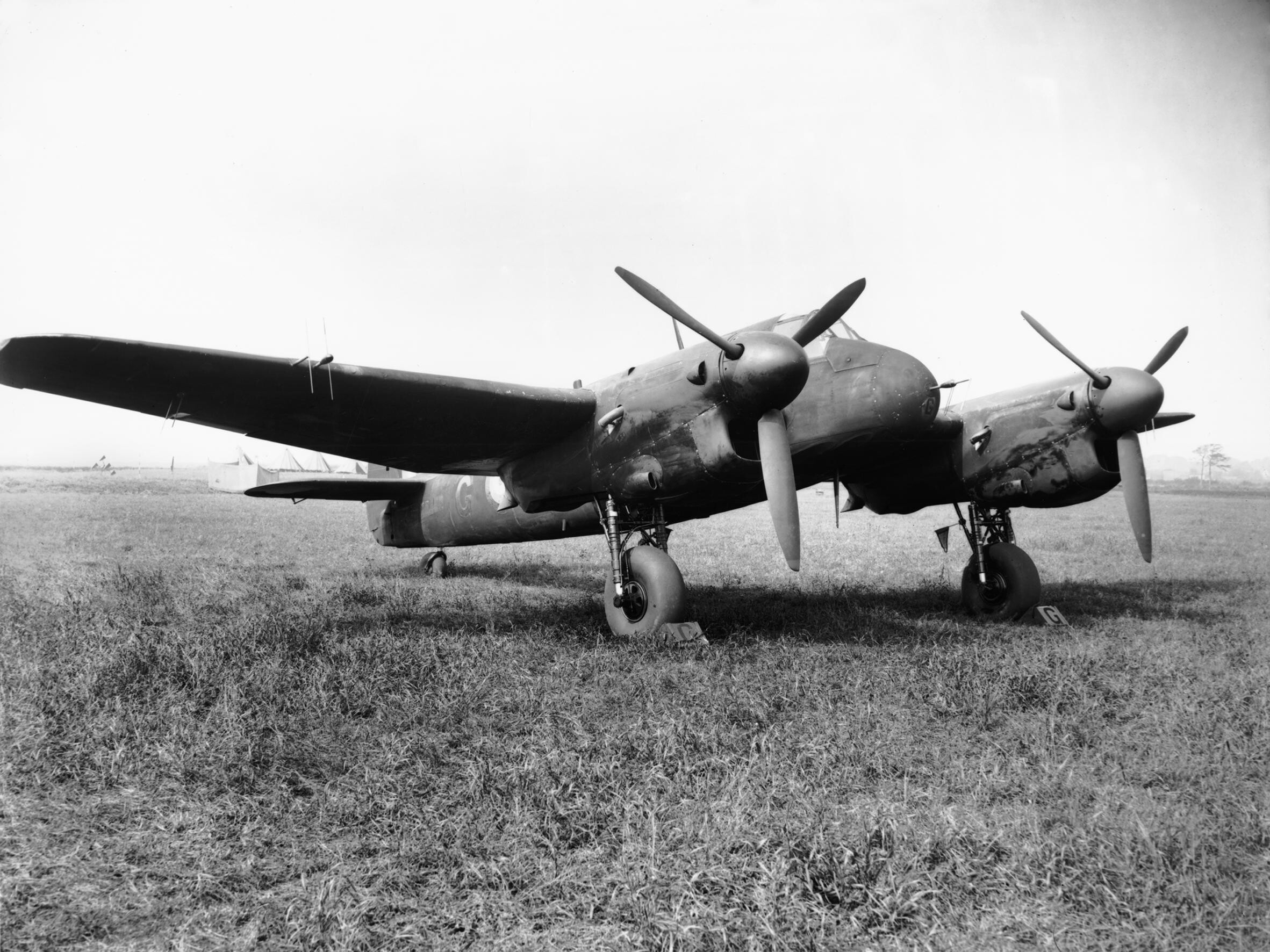
Around 127 aerial victories over the course of the war, 41 of them since May 1944. No. 604 (County of Middlesex) Squadron RAF spent most of the Second World… more…
Military aviation
Why did the "Torch" P-40Fs carry a flag on the fuselage?
To deter Vichy French forces from shooting them down: aircraft with yellow-outlined roundels sometimes had an American flag added in front of the roundel. The… more…


