Did you know…
What is the Sabre's '6-3' wing?
Short answer
It is the extended leading-edge modification that, in August 1952, replaced the Sabre's automatic slats with 6-inch extensions at the wing root tapering to 3 inches at the tip. With it, wing area grew from 287.9 to 302.3 square feet.

Slats that failed at high altitude
The Sabre's aerodynamically-operated leading-edge slats had proven beneficial during take-off and landing, but in high-altitude engagements with MiG-15s they proved troublesome, because they caused early buffet, ahead of the stall, accompanied by a sudden loss of speed.
Six inches at the root, three at the tip
In August 1952, project engineers removed the leading-edge slats from three Sabres and perfected the extended leading-edge modification, also fitting a wing fence. The aerodynamic slats were replaced by 6-inch extensions at the wing root that tapered down to 3 inches at the tip: hence the name "6-3" extended wing. Total wing area grew from 287.9 to 302.3 square feet.
What changed in flight
At high altitude the new wing design worked perfectly: pilots could cruise comfortably at 49,000 feet and Mach 0.9. The modification brought an increase of roughly 20 knots in the aircraft's take-off and landing speeds. A variant with a more powerful engine and the larger "6-3" wing, without leading-edge slats, totalled 2,239 examples. The Mk 31 variant, of which 21 were built, combined the 6-3 wing with the Avon 20 engine.
More questions
L-Bit (CC BY SA), vía commons Military aviation
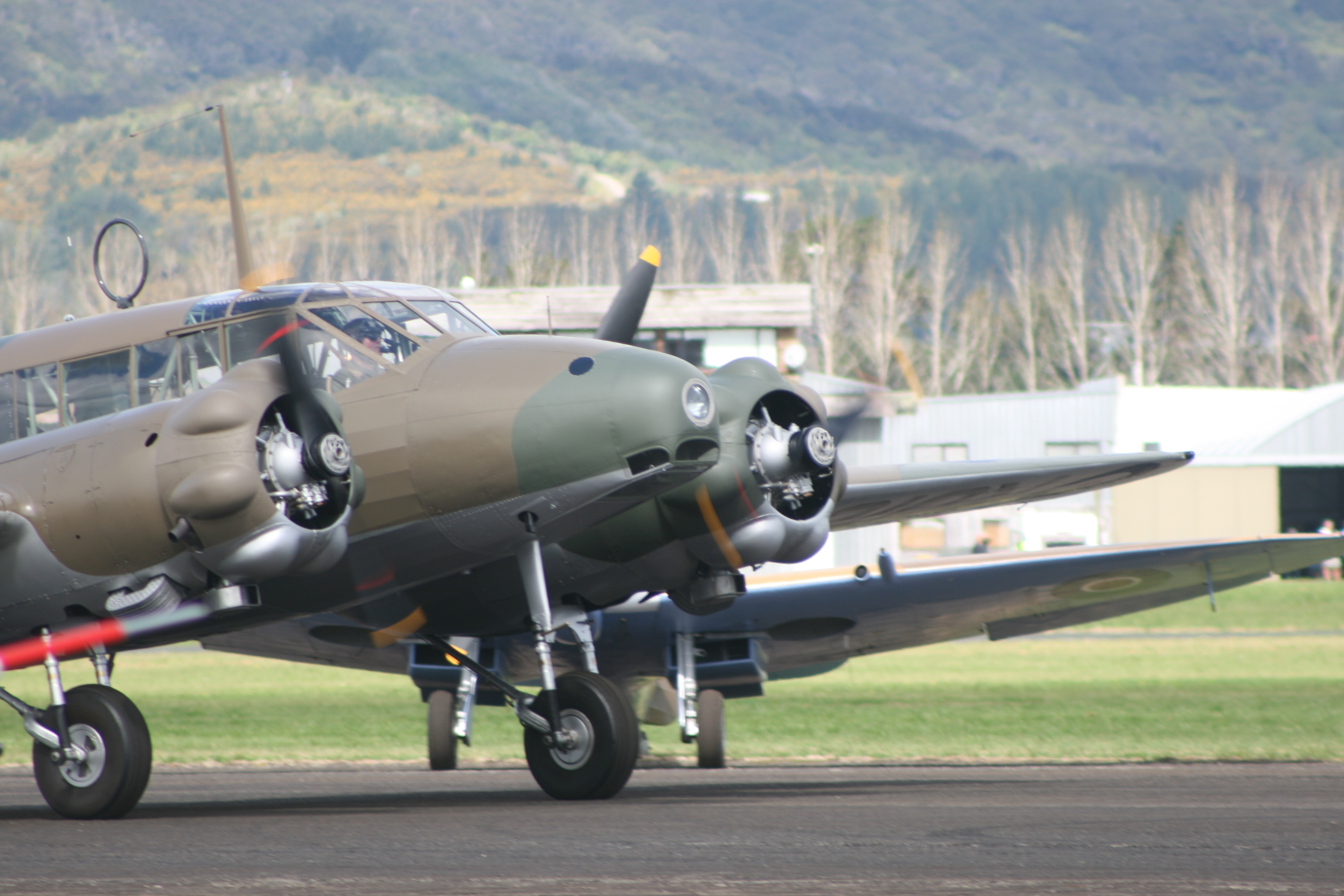
How many Anson Mk I were built?
6,688 or 6,742 Avro Anson Mk I were built, according to different sources; History of War, which gives the second figure, places 3,935 at Woodford and the… more…
Military aviation
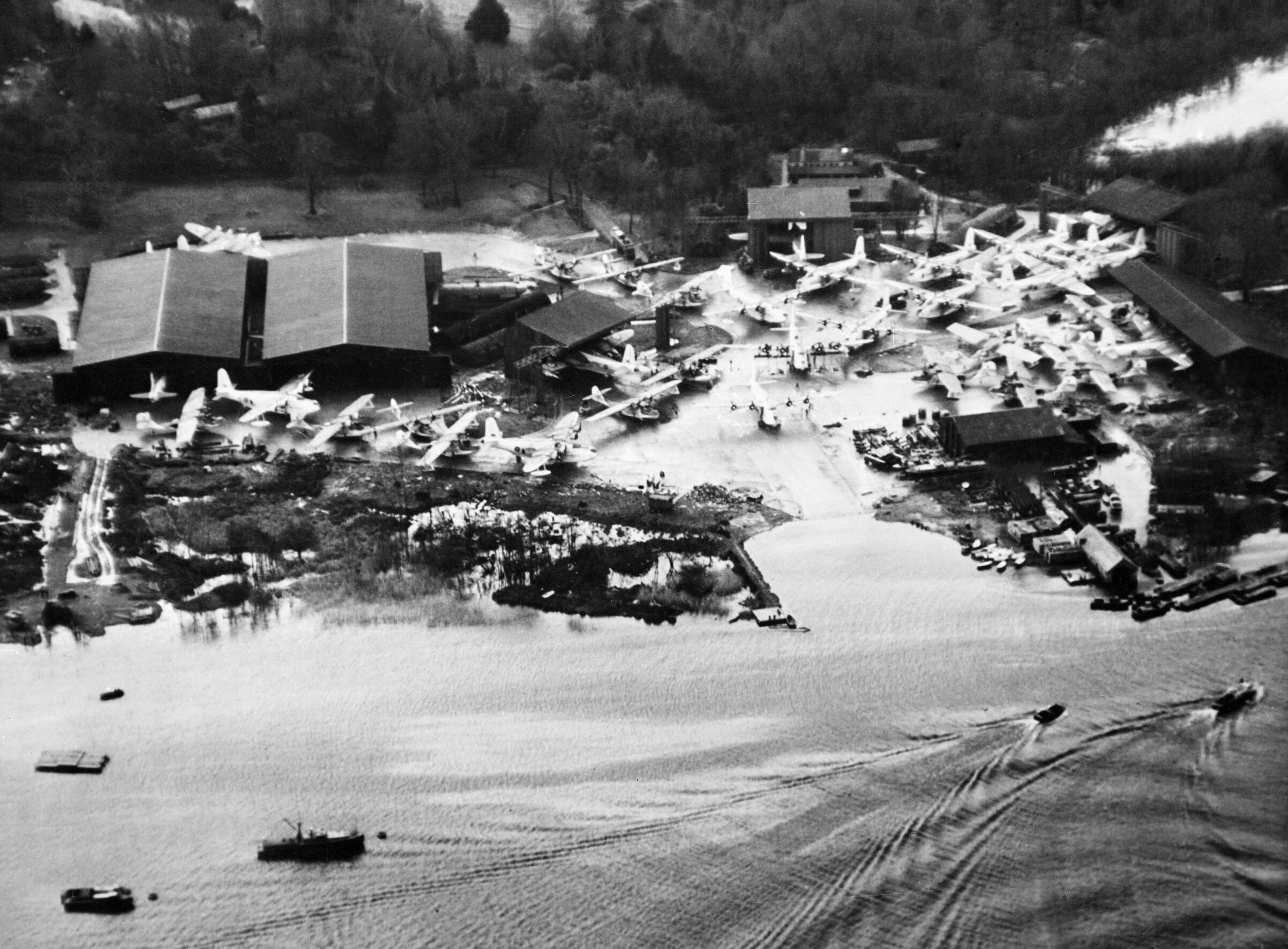
Which flying boats rescued the crew of the Kensington Court in 1939?
They were two RAF Sunderland flying boats: according to uboat.net, an aircraft of Squadron 228 and L5802 of Squadron 204 landed on the water next to the… more…
Military aviation
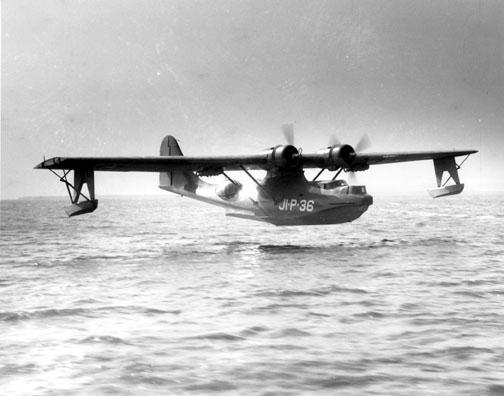
How long did Catalina convoy escort flights to the USSR last?
Many of the Catalina flights protecting convoys to the Soviet Union lasted between 15 and 20 hours and ended at Gryaznaya Bay (Murmansk) or at Arkhangelsk… more…
Military aviation
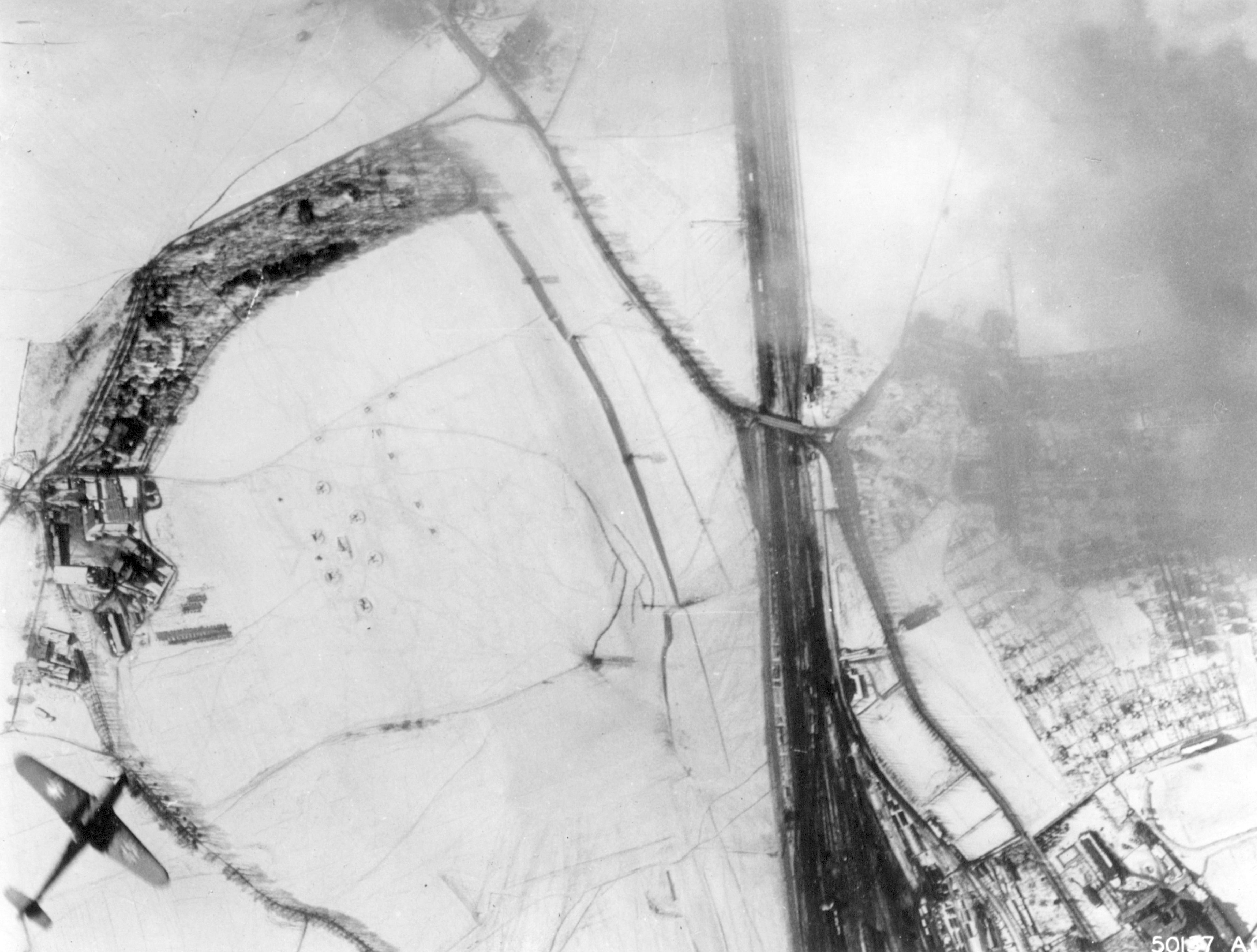
How many aircraft did the Axis lose in Crusader?
Around 332 aircraft destroyed and around 228 abandoned in the operation's tally, which took place between 18 November and 30 December 1941. According to their… more…
Military aviation
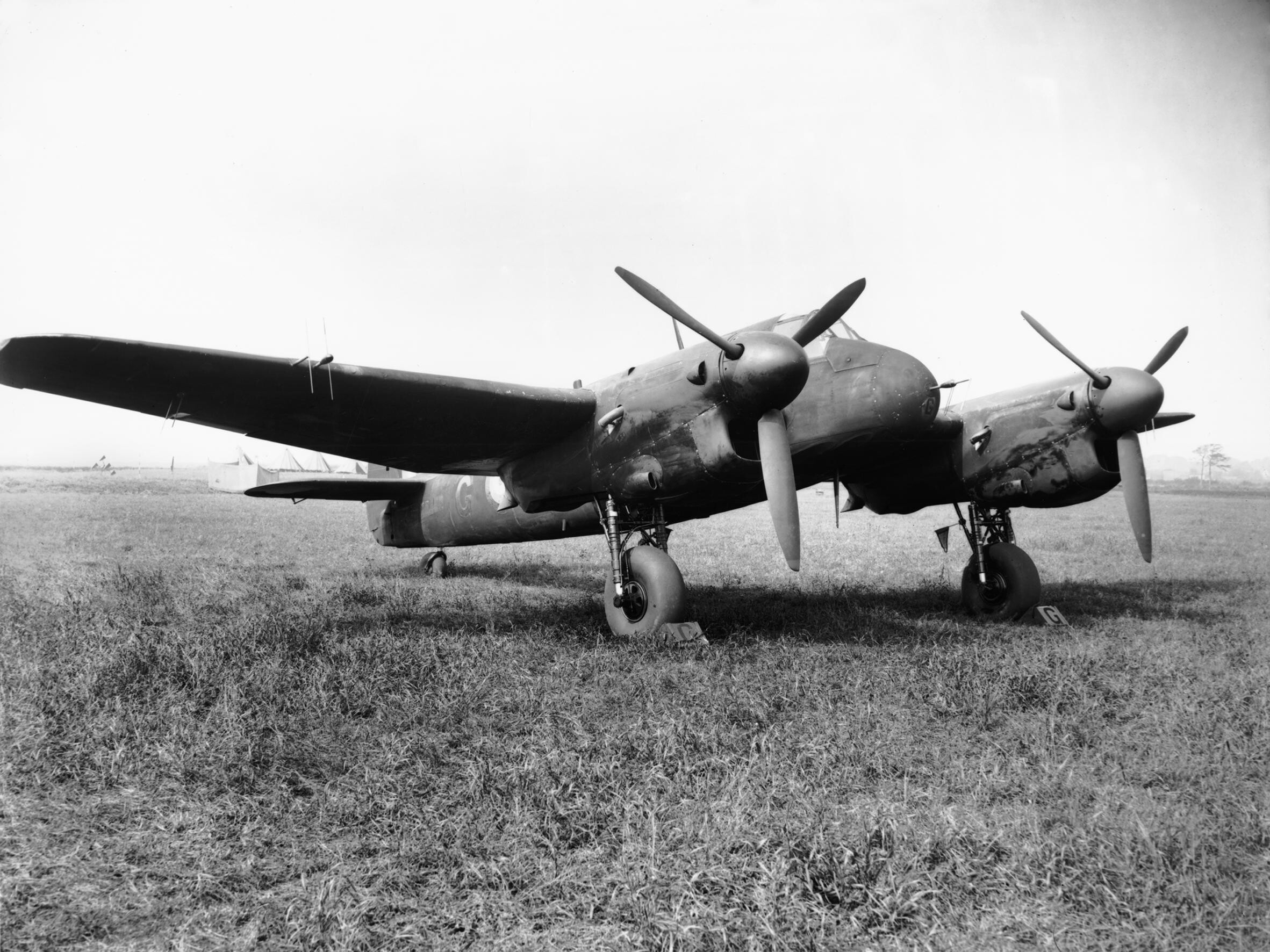
How many victories did No. 604 Squadron, the RAF night-fighter squadron, claim?
Around 127 aerial victories over the course of the war, 41 of them since May 1944. No. 604 (County of Middlesex) Squadron RAF spent most of the Second World… more…
Military aviation
Why did the "Torch" P-40Fs carry a flag on the fuselage?
To deter Vichy French forces from shooting them down: aircraft with yellow-outlined roundels sometimes had an American flag added in front of the roundel. The… more…


