Did you know…
What did the Boeing 299 do on its flight to Wright Field?
Short answer
It covered the route from Seattle to Wright Field on 20 August 1935 in nine hours and three minutes, at an average ground speed of 252 mph (219 kn; 406 km/h), far faster than its competitors. In the fly-off it beat the twin-engined DB-1 and Model 146, but a crash kept it from finishing the evaluation and disqualified it.

Nine hours and three minutes
The Model 299 had first flown on 28 July 1935, with Boeing's chief test pilot, Leslie Tower, at the controls. On 20 August 1935 the prototype flew from Seattle to Wright Field in nine hours and three minutes, at an average ground speed of 252 mph (219 kn; 406 km/h), far faster than its competitors. At Wright Field, Ohio, the US Army Air Corps had organised an evaluation of various manufacturers' prototypes in August 1935, and the Boeing Aircraft Company presented its four-engined Model 299 there.
The comparison
In the fly-off, the performance of the four-engined Boeing proved superior to that of the twin-engined DB-1 and Model 146.
The crash and the written checklist
The aircraft stalled and crashed to the ground shortly after take-off, and caught fire. The control-surface gust locks had not been released. Hill initially survived the impact but died a few hours later; Tower died on 19 November. The crashed Model 299 could not complete the evaluation, which put it out of the competition. The loss of Hill, Tower and the Model 299 itself was the direct cause of the creation of the modern written checklist pilots still use today.
More questions
L-Bit (CC BY SA), vía commons Military aviation
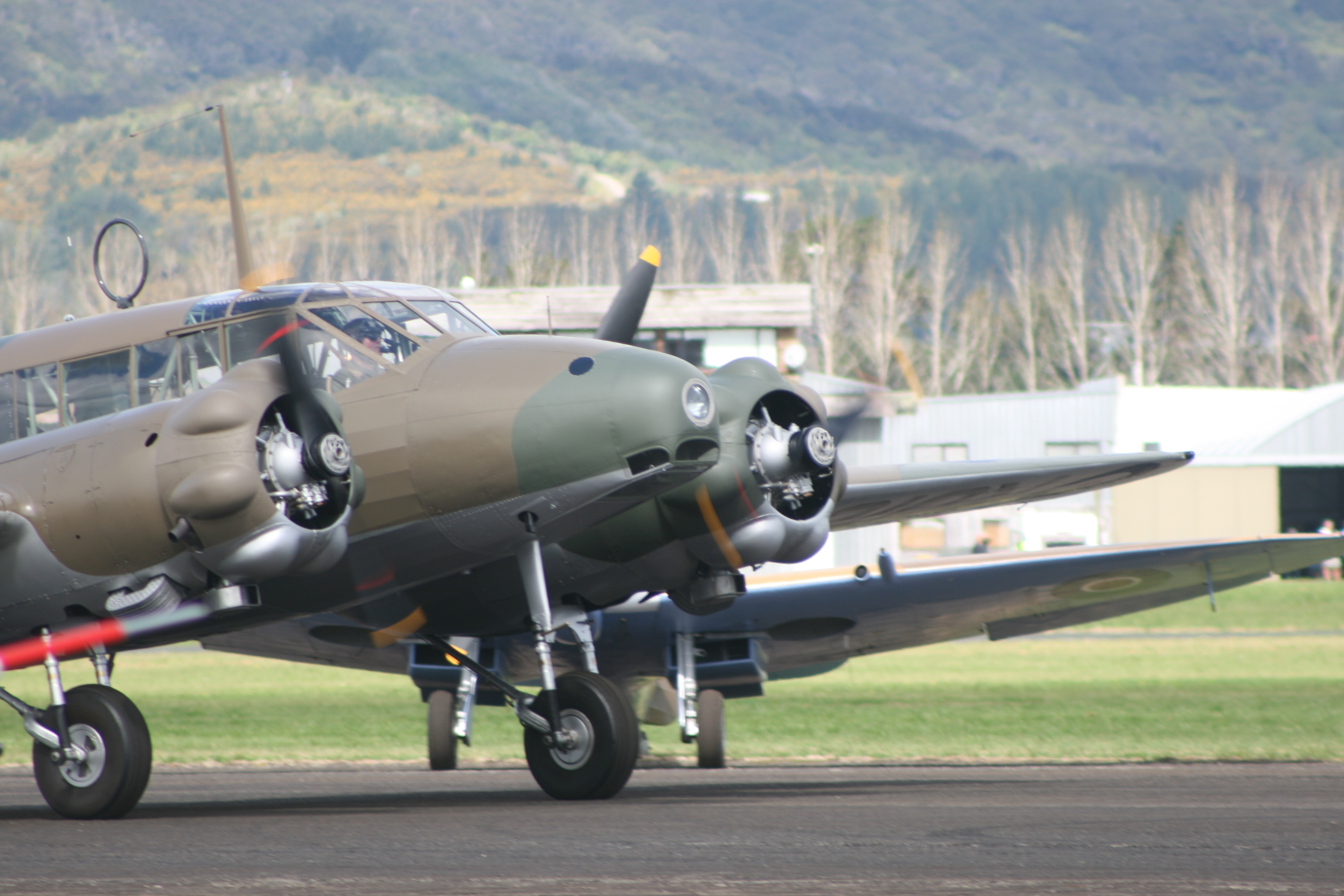
How many Anson Mk I were built?
6,688 or 6,742 Avro Anson Mk I were built, according to different sources; History of War, which gives the second figure, places 3,935 at Woodford and the… more…
Military aviation
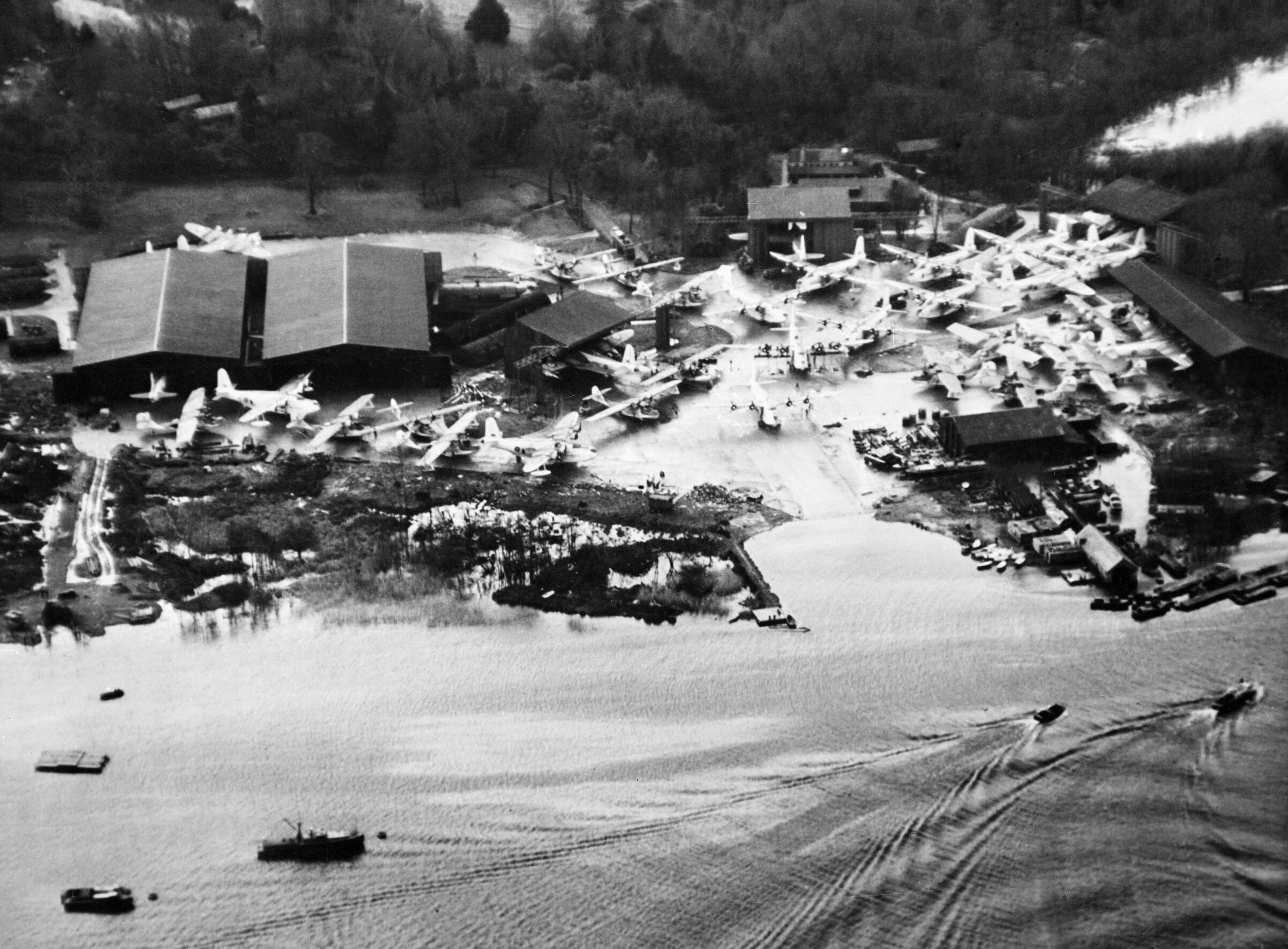
Which flying boats rescued the crew of the Kensington Court in 1939?
They were two RAF Sunderland flying boats: according to uboat.net, an aircraft of Squadron 228 and L5802 of Squadron 204 landed on the water next to the… more…
Military aviation
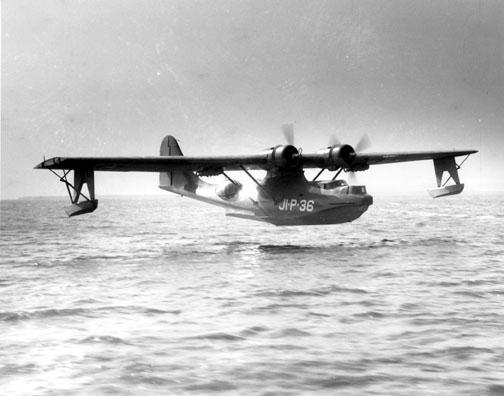
How long did Catalina convoy escort flights to the USSR last?
Many of the Catalina flights protecting convoys to the Soviet Union lasted between 15 and 20 hours and ended at Gryaznaya Bay (Murmansk) or at Arkhangelsk… more…
Military aviation
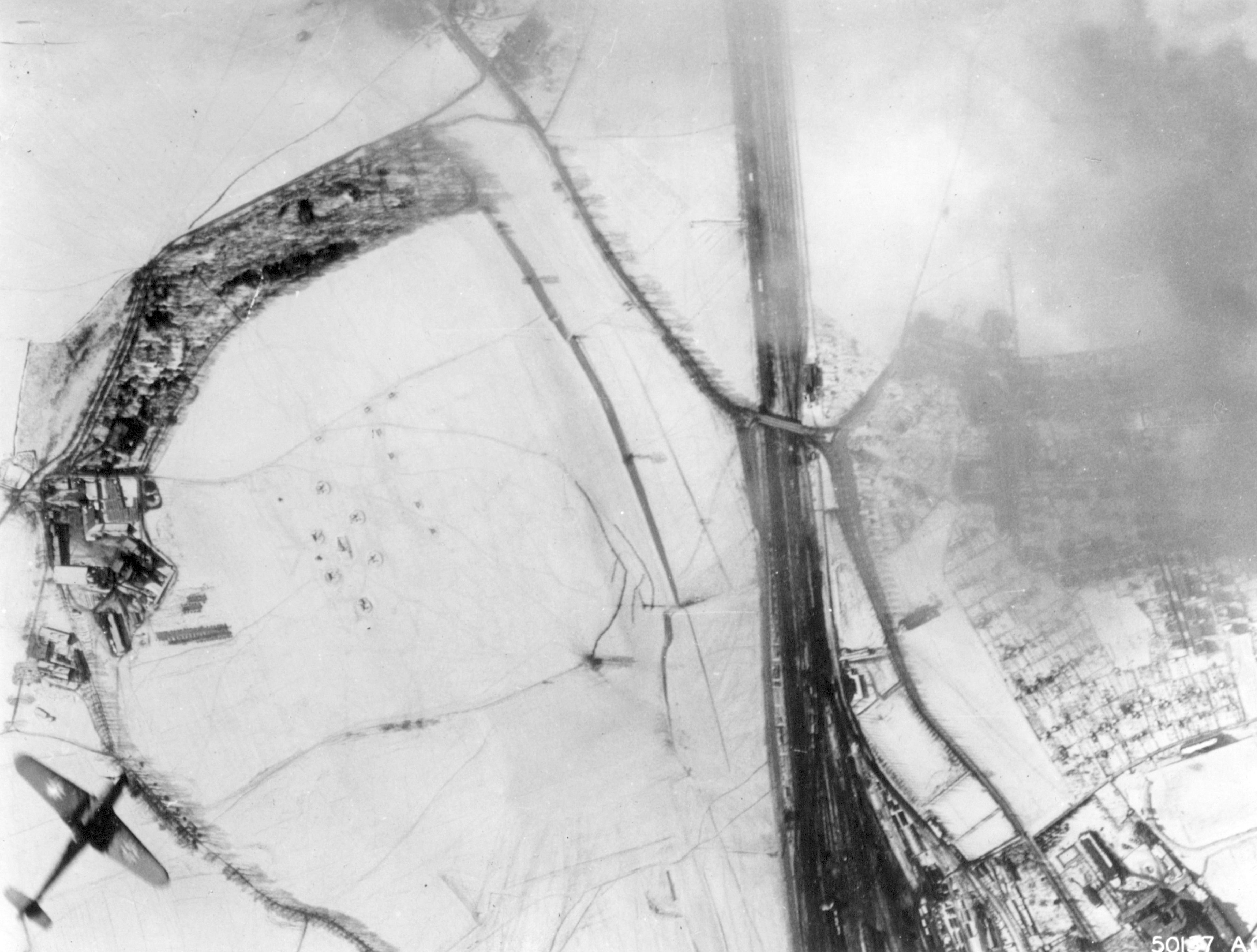
How many aircraft did the Axis lose in Crusader?
Around 332 aircraft destroyed and around 228 abandoned in the operation's tally, which took place between 18 November and 30 December 1941. According to their… more…
Military aviation
How many victories did No. 604 Squadron, the RAF night-fighter squadron, claim?
Around 127 aerial victories over the course of the war, 41 of them since May 1944. No. 604 (County of Middlesex) Squadron RAF spent most of the Second World… more…
Military aviation
Why did the "Torch" P-40Fs carry a flag on the fuselage?
To deter Vichy French forces from shooting them down: aircraft with yellow-outlined roundels sometimes had an American flag added in front of the roundel. The… more…


