Did you know…
Why was the D.III's radiator moved to the right side?
Short answer
The Teves und Braun radiator at the center of the upper wing scalded the pilot if punctured. From D.III number 290 onward it was moved to the right, and earlier aircraft got the same change as a field modification. D.III aircraft sent to Palestine used two wing radiators because of the hotter climate.

The radiator at the center of the upper wing
Early Albatros D.III aircraft repeated the solution used on the last D.II: a Teves und Braun radiator shaped like a wing section and mounted at the center of the upper wing, a position where it tended to scald the pilot when punctured. On the D.II, that wing-section radiator had been moved to the center section of the upper wing on late-production examples. There too it proved troublesome, since a leak or combat damage could scald the pilot's face.
From "ear" radiators to the upper wing
The family's lineage came from a different cooling arrangement: in November 1916 Idflieg banned Windhoff side-mounted radiators on operational aircraft, because they sat lower than the engine crankcase they cooled, and a hit on either one could drain the cooling system. The D.II had been designed by Albatros engineers Robert Thelen, Schubert, and Gnädig in response to pilot complaints about the D.I's poor upward visibility. The solution adopted at the time was to move the upper wing 36 cm (14 in) closer to the fuselage and stagger it slightly forward.
The move to the right
Starting with D.III serial number 290, the radiator was moved to the right, and aircraft already built received the same relocation as a field modification. D.III aircraft deployed to Palestine carried two wing radiators to cope with the hotter climate.
More questions

Colin Cooke Photo (CC BY SA), vía commons Aviation history
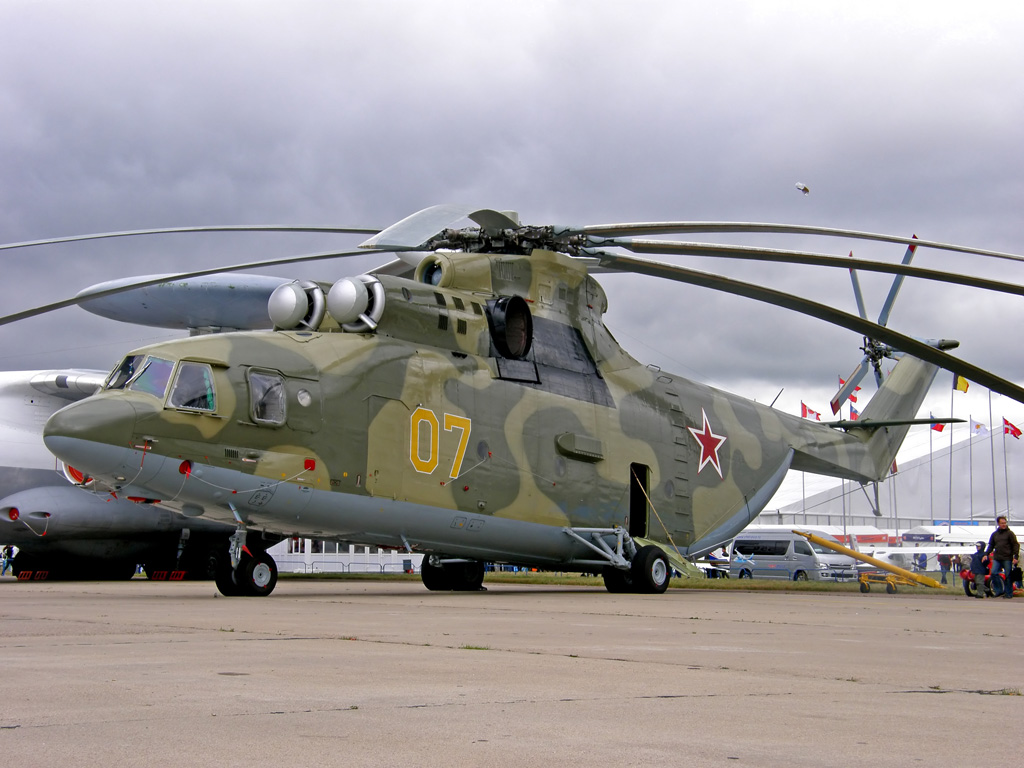
What was the An-26's bubble window for?
The An-26's bulged windows were observation windows, part of its military equipment alongside folding canvas seats for paratroopers, an overhead hoist and… more…
Dmitry Terekhov from Odintsovo, Russian Federation (CC BY SA), vía commons Aviation history
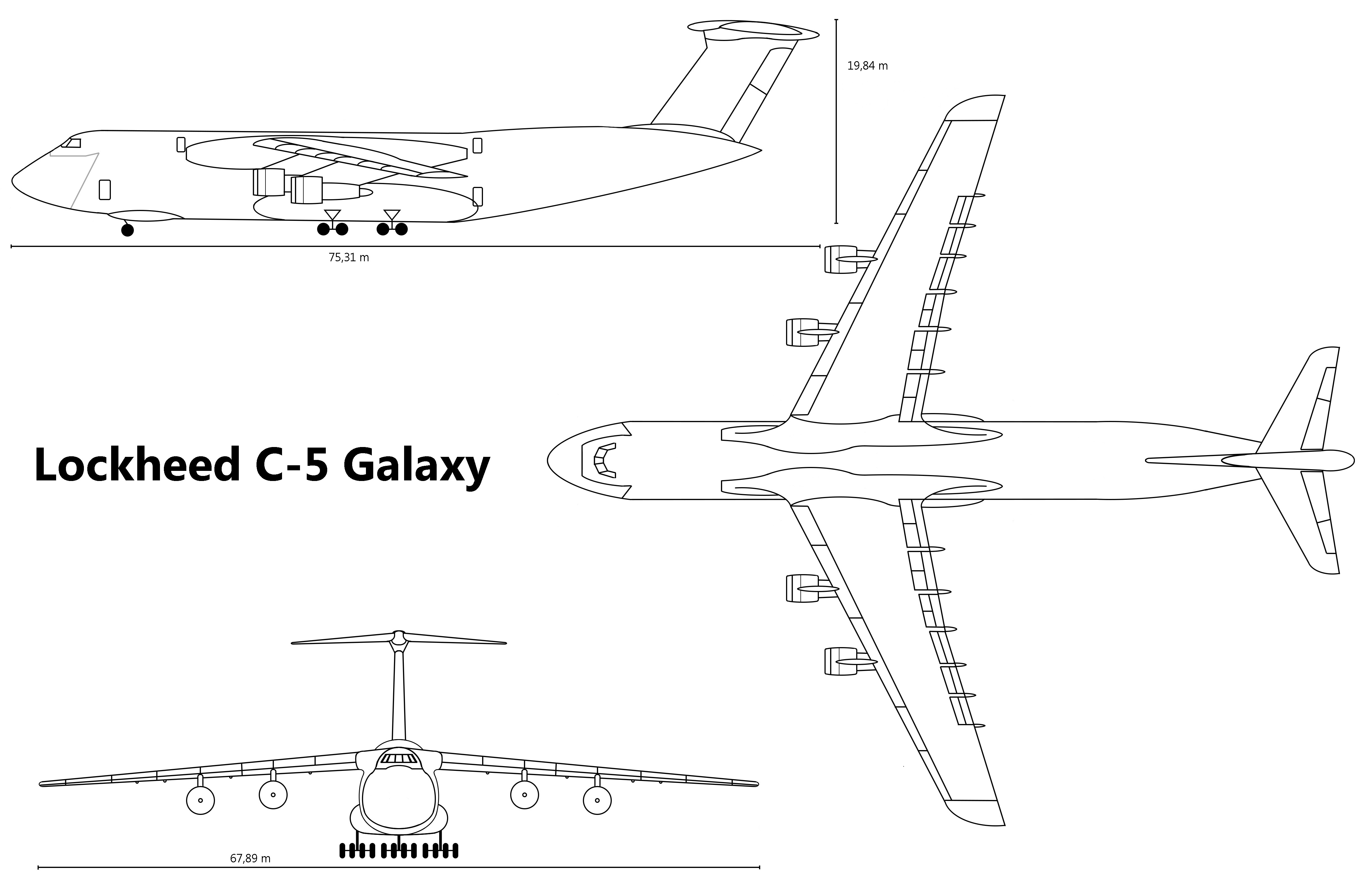
At what altitude could the An-32 operate?
The An-32's service ceiling is 9,500 m (31,200 ft). More striking is its hot-and-high performance: it has outstanding takeoff characteristics at temperatures… more…
Saggittarius A (CC BY SA), vía commons Aviation history
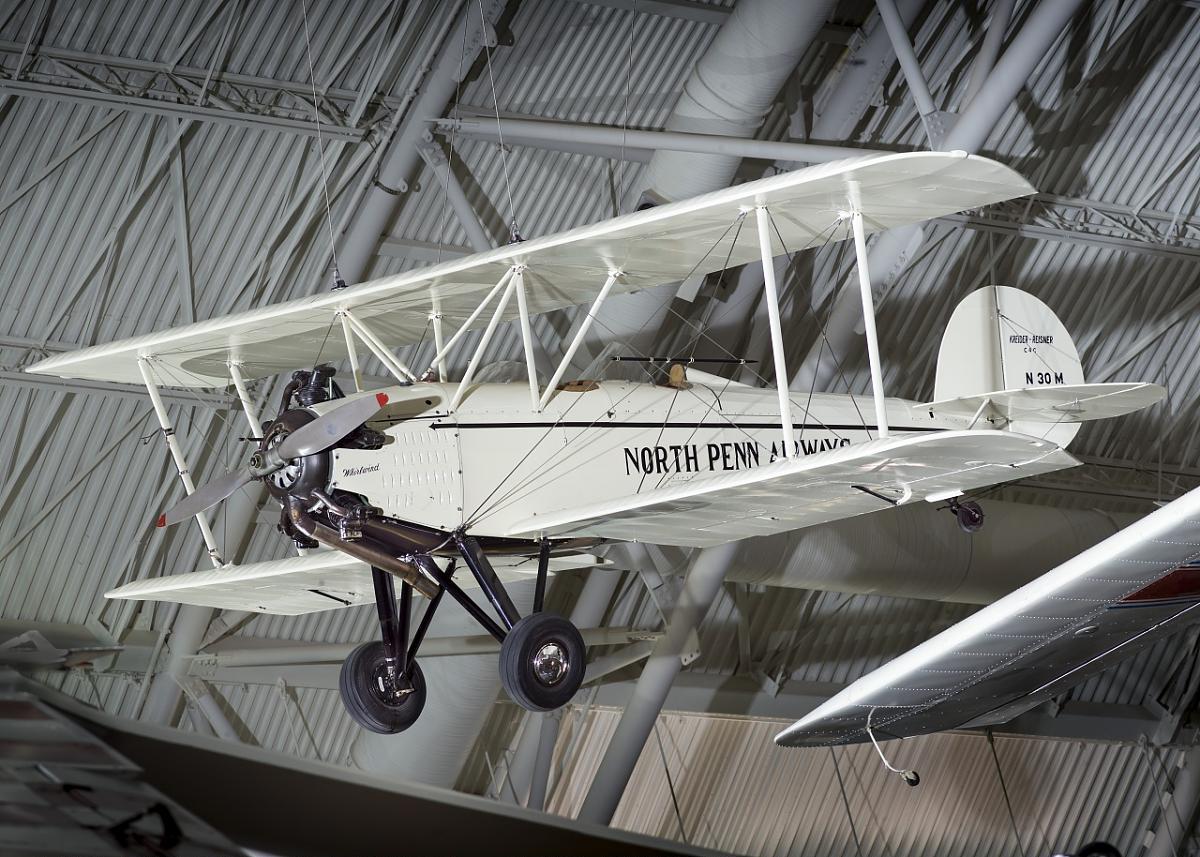
Which Western aircraft was the An-40 compared to?
The Lockheed C-5 Galaxy. The An-124, called An-40 in the West during its development, broadly resembled the American strategic transport, though with… more…
Aviation history
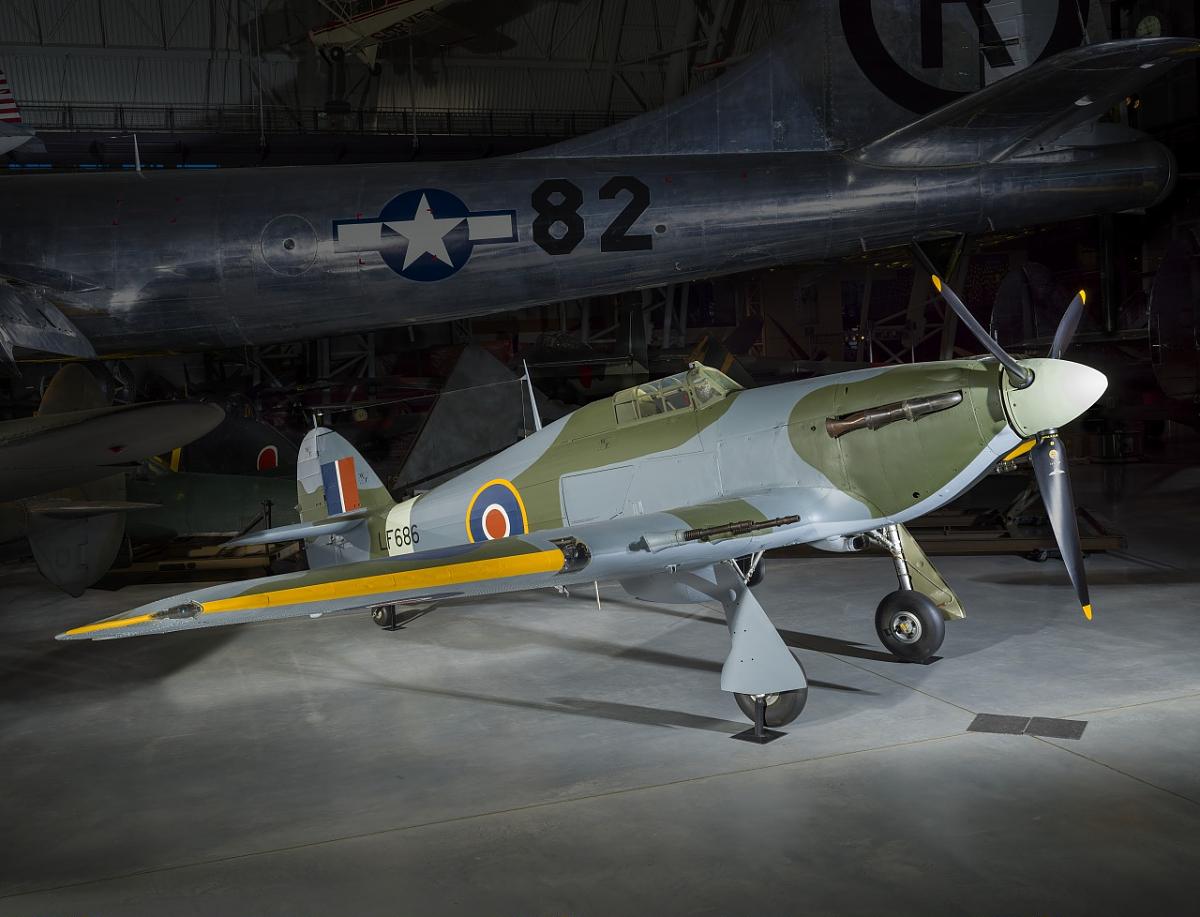
What is the An-72's landing gear like?
Four independent single-wheel main legs that retract inward into sizeable fairings. Combined with high-flotation tyres, that sturdy gear lets the aircraft… more…
Aviation history
Which fighter replaced the Arado Ar 65E?
The Heinkel He 51: from 1935 it replaced the Arado Ar 65 as a front-line fighter. The He 51 had been designed to replace the Ar 65 and served alongside the… more…
Aviation history
How many float-equipped Ar 66s were built?
Ten: ten production Ar 66B floatplanes were built, in addition to the Ar 66b prototype, the program's second prototype, completed as a floatplane. The main… more…


