Did you know…
Why are supersonic planes banned?
Short answer
Supersonic aircraft are not banned; what is prohibited is civil supersonic flight over land in the United States (since 1973) and many other countries, because sonic booms reach the ground along the whole route. Concorde therefore flew at Mach 2 only over the ocean. In 2025 the US ordered the FAA to replace the ban with a noise-based standard.

What the rules actually say
There has never been a ban on building or flying supersonic aircraft. Military jets exceed Mach 1 routinely, and Concorde carried passengers at Mach 2 for 27 years. What exists is a prohibition on civil aircraft flying faster than the speed of sound over land. In the United States it is written into Federal Aviation Regulation 91.817, adopted in 1973, which forbids civil flight at a true flight Mach number greater than 1 over US territory unless a special authorisation is granted. The United Kingdom, France and many other countries have similar national rules or apply case-by-case restrictions, and the International Civil Aviation Organization asks its members to ensure that sonic booms create no unacceptable situation for the public.
Why the boom is the problem
An aircraft flying supersonically drags a pair of shock waves along its whole route. On the ground they are heard as a double bang and felt as a pressure jump of roughly 100 pascals (2 lb/ft²) for a Concorde-sized aircraft, enough to rattle windows and, in rare cases, crack plaster or glass. Unlike airport noise, which is confined to the vicinity of a runway, the boom carpet is 40 to 80 km wide and follows the aircraft for the entire supersonic segment. In 1964 the US Air Force flew a six-month test over Oklahoma City, with more than 1,200 booms, and the volume of complaints and damage claims convinced regulators that routine overland supersonic flight was unacceptable. The rule was framed in the expectation that the American SST programme, cancelled in 1971, would eventually fly.
Consequences and the way out
The overland ban is the main reason Concorde only made money on the North Atlantic. Routes across the continental United States, or from Europe to Asia over Russia and India, would have had to be flown subsonic for most of their length, wiping out the time advantage. That in turn kept the fleet small and the aircraft expensive.
The current effort to reopen the question rests on changing the aircraft rather than the rule. NASA's X-59, built by Lockheed Martin under the Quesst programme, is shaped so that its shocks do not coalesce into a sharp bang but reach the ground as a soft thump. NASA intends to fly it over communities and collect public reaction data to hand to regulators. In June 2025 a US executive order instructed the FAA to repeal the blanket prohibition and replace it with a certification standard based on noise, so that an aircraft quiet enough at ground level could be allowed over land. Until such a standard is in force, any new supersonic airliner is confined to routes over water, as Concorde was.
More questions
Physics of flight
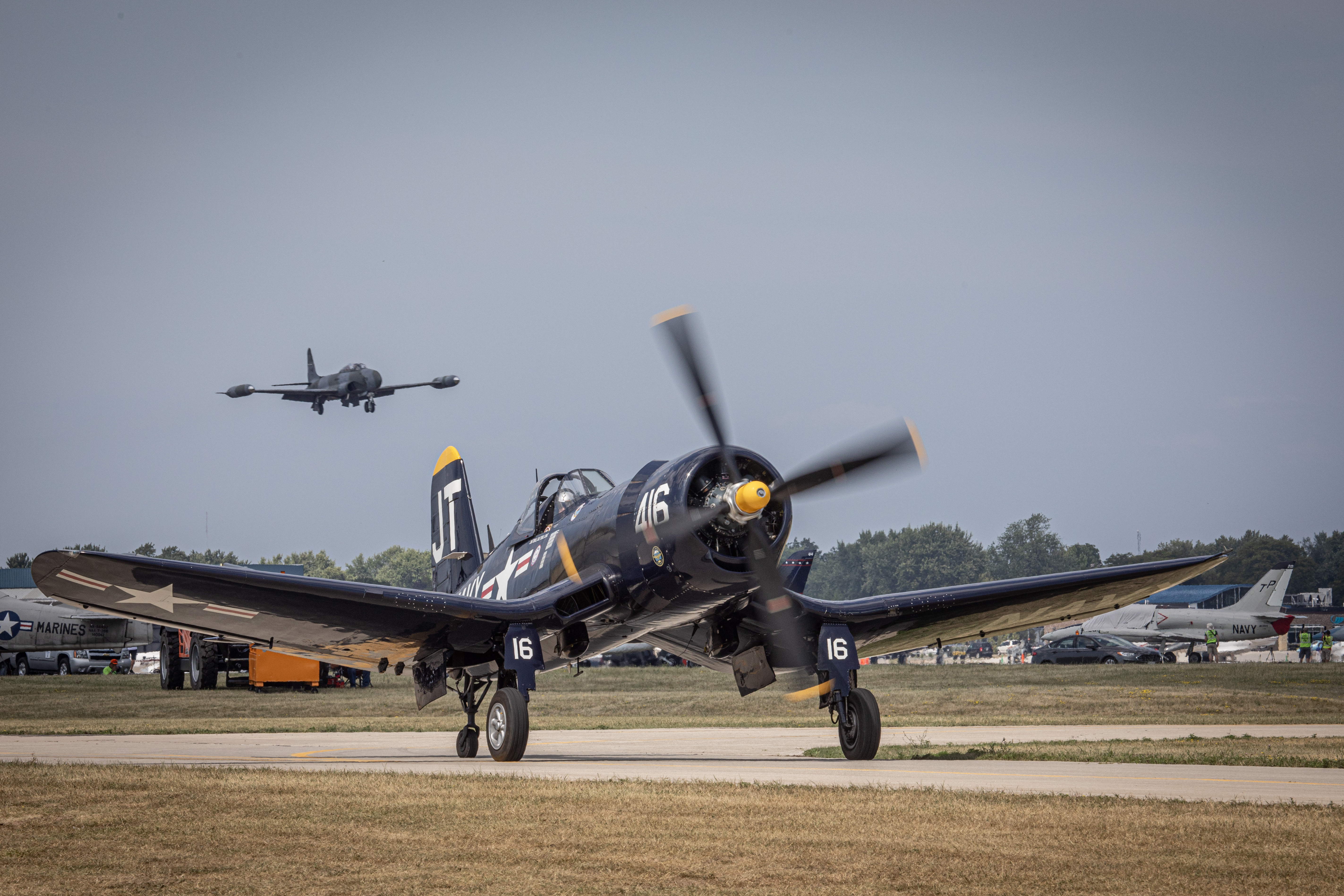
Why can't a Corsair pilot apply full power when going around after a failed carrier landing?
Because at low speed and high power the Corsair would drop its left wing suddenly and with almost no warning, due to propeller torque. If the throttle was… more…
Physics of flight
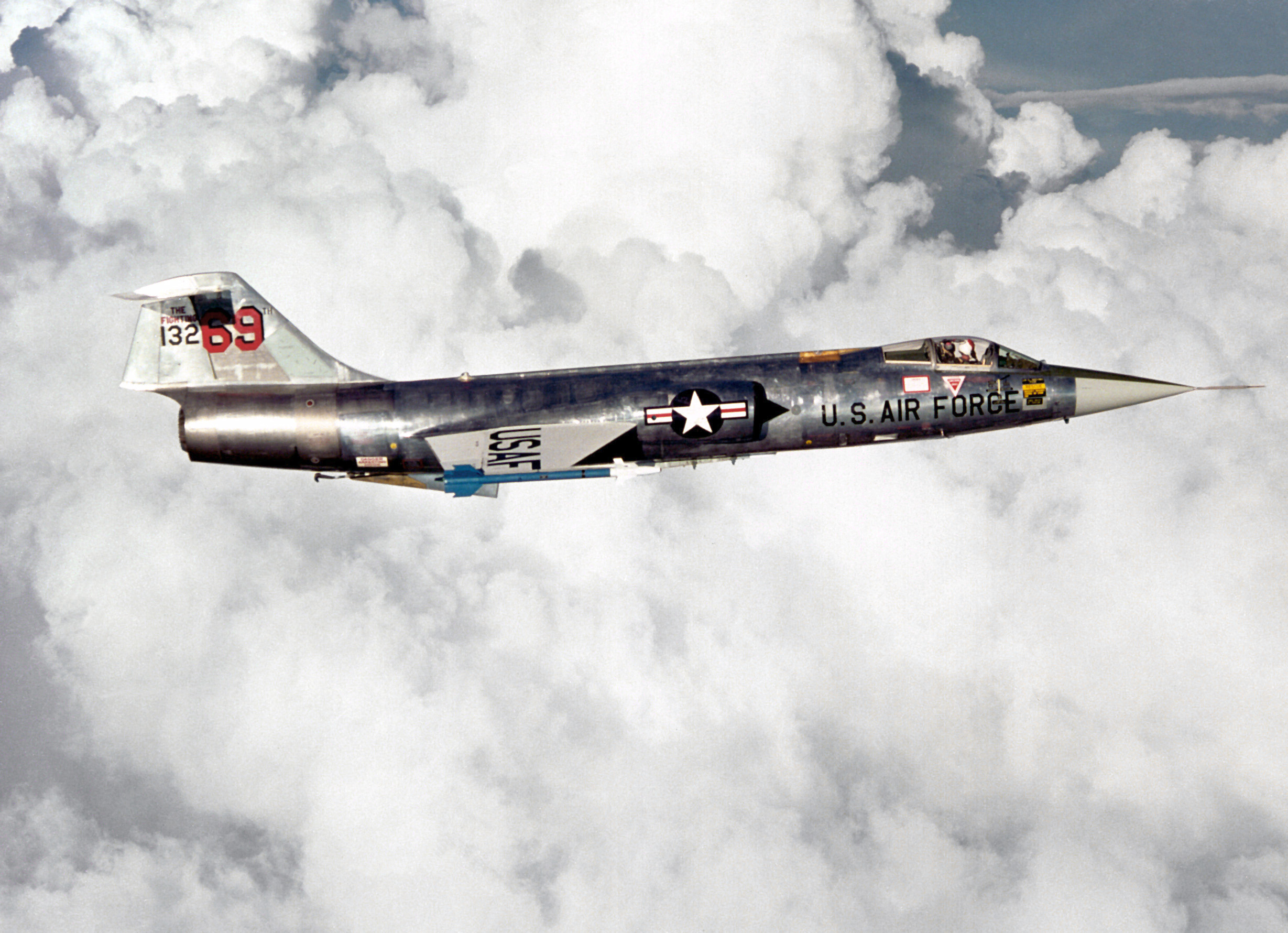
What did the phrase "banking with intent to turn" mean among F-104 pilots?
It was a joke among Canadian F-104 pilots: banking the aircraft "with intent to turn" referred to its poor low-speed turning. Its sustained turn capability… more…
Julian Herzog (Website) (CC BY), vía commons Physics of flight
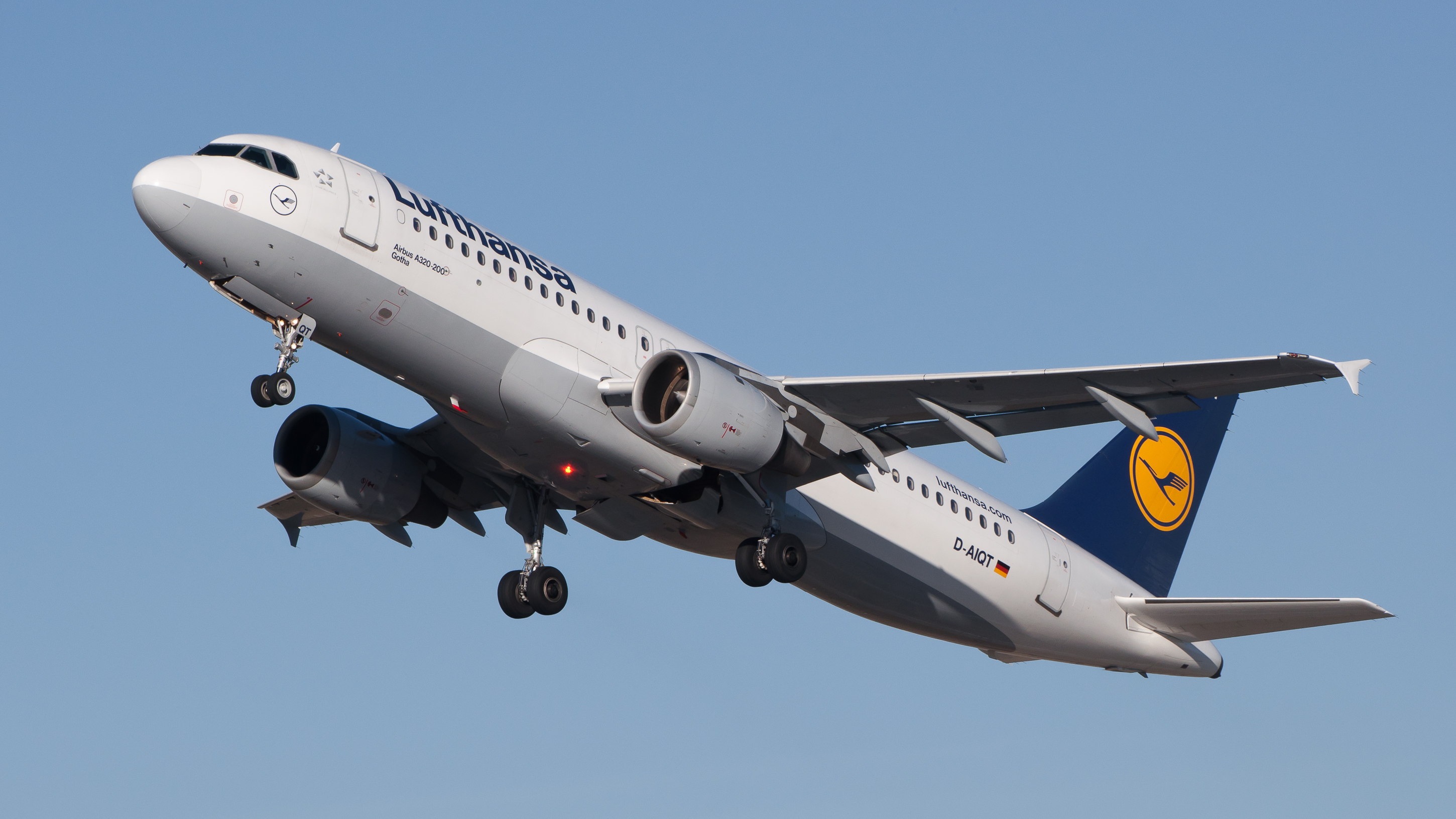
What is "flight envelope protection," which the A320 pioneered?
A set of limits embedded in the flight control software: it calculates the flight envelope, adds a safety margin, and blocks pilot inputs that would take the… more…
Julian Herzog (Website) (CC BY), vía commons Physics of flight
What is the A320's SHARP package for?
SHARP (SHort AiRfield Package) improves takeoff and landing performance on short runways and is designed to increase low-speed lift. It combines aerodynamic… more…
Physics of flight
What flaw sank Vought's all-metal V-141 fighter?
It wasn't a single flaw: tests showed the V-141 still flew poorly, was prone to spinning, and also suffered tail flutter, which is why it was rejected. It… more…
Physics of flight
What wind tunnel did NACA use to study the Corsair, and how big was it?
The full-scale 30- by 60-Foot Tunnel at the Langley Research Center, in Hampton, Virginia. NACA dedicated the facility on 27 May 1931 and used it to test the… more…


