Did you know…
Why did fighter jets just fly over?
Short answer
An unexpected fighter flyover is almost always one of four things: a ceremonial pass over a stadium, funeral or holiday event; a training or transit flight between bases; an air-defence scramble to intercept an aircraft that lost radio contact or strayed into restricted airspace; or an air show rehearsal. Low, fast pairs suggest training or a scramble; tight formations mean ceremony.

Ceremonial flyovers
The most visible reason is a planned flypast. In the United States the Air Force and Navy schedule flyovers for the national anthem at major games, for the funerals of veterans and for holidays such as Memorial Day and the Fourth of July; in Europe, national days and state funerals bring formations of Rafales, Typhoons or F-16s over the capital. These flights are approved months ahead, flown in tight formation at a few hundred feet and timed to the second, and the local base or the organisers usually announce them. A missing-man formation, in which one aircraft pulls up and away, marks a memorial.
Training, transit and the noise you heard
Far more common, and rarely announced, are routine sorties. Fighters transit between bases, practise low-level navigation on published routes or return home in pairs to an airfield near a city. Military aircraft normally keep at least 1,000 ft (300 m) above built-up areas and stay subsonic outside designated zones, but a jet at that height still makes a startling noise, and afterburner or a hard turn amplifies it. Around active bases, night flying and weekend surges are part of the training calendar.
Scrambles and how to check
The third possibility is an alert launch. Air-defence fighters on quick-reaction alert take off within minutes to identify an aircraft that has stopped answering the radio, has no transponder or has entered restricted airspace, for instance around a presidential movement. They may fly low and fast and can be cleared to go supersonic, which is why some intercepts are followed by a sonic boom. Flight-tracking sites often show the tanker or the intercepted aircraft even when the fighters are hidden, and the base's public affairs office or NORAD will normally explain within hours.
More questions
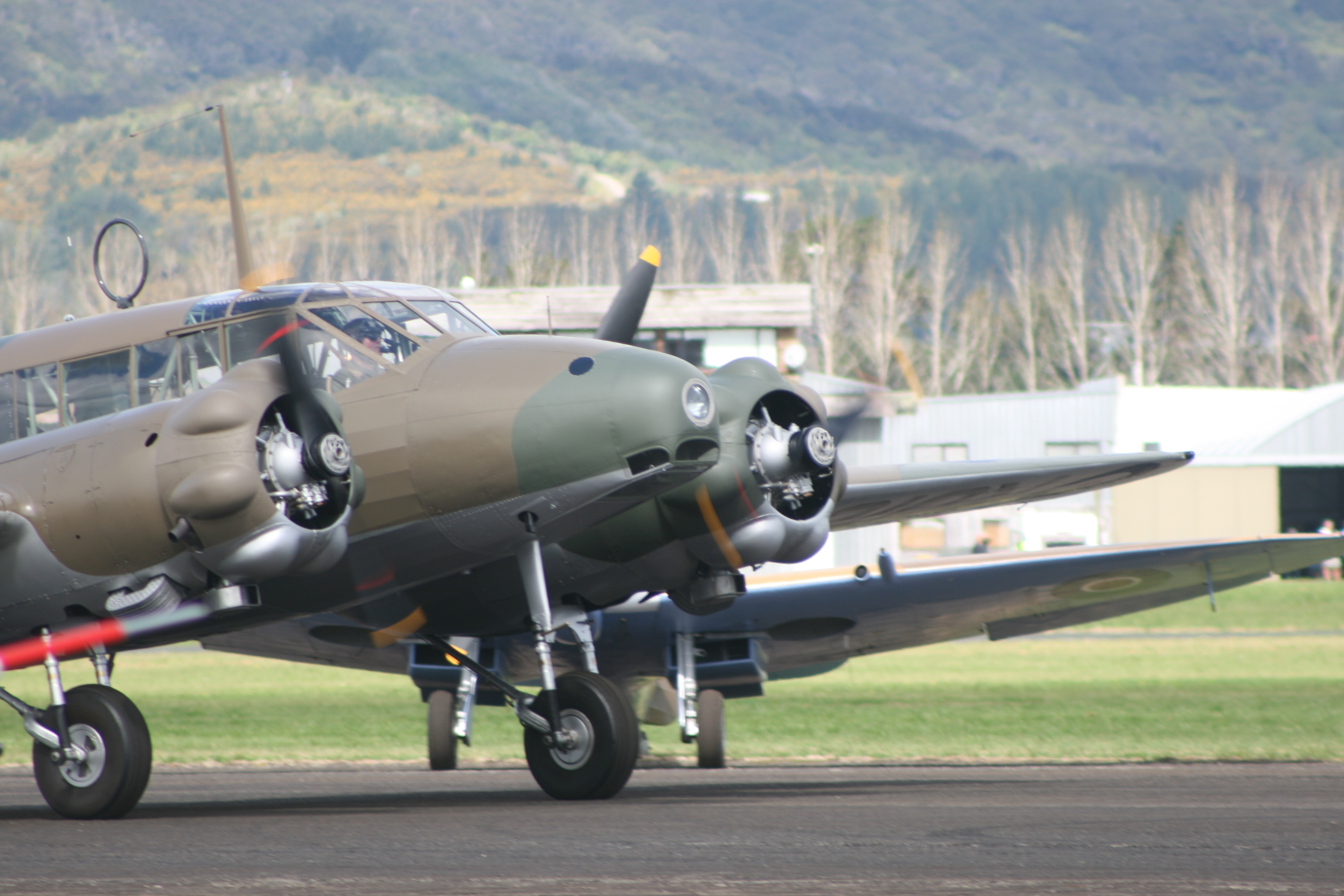
L-Bit (CC BY SA), vía commons Military aviation
How many Anson Mk I were built?
6,688 or 6,742 Avro Anson Mk I were built, according to different sources; History of War, which gives the second figure, places 3,935 at Woodford and the… more…
Military aviation
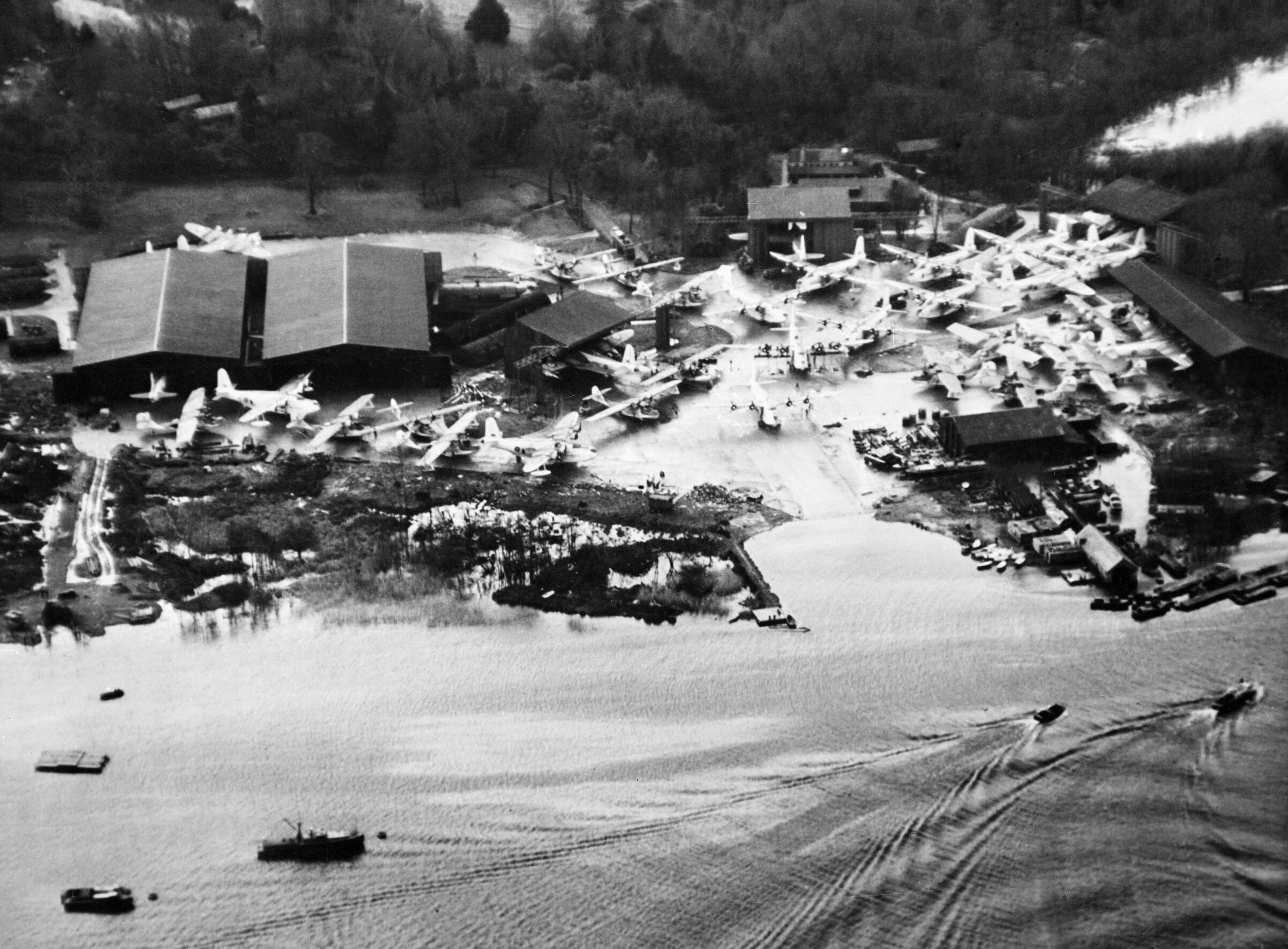
Which flying boats rescued the crew of the Kensington Court in 1939?
They were two RAF Sunderland flying boats: according to uboat.net, an aircraft of Squadron 228 and L5802 of Squadron 204 landed on the water next to the… more…
Military aviation
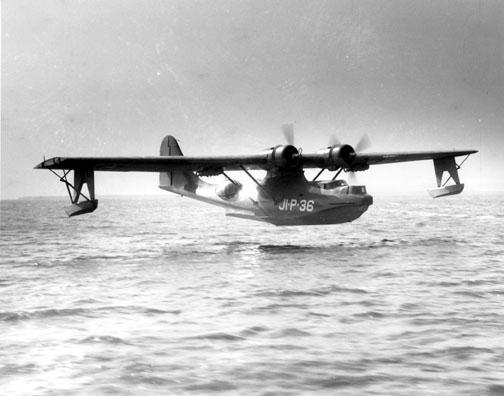
How long did Catalina convoy escort flights to the USSR last?
Many of the Catalina flights protecting convoys to the Soviet Union lasted between 15 and 20 hours and ended at Gryaznaya Bay (Murmansk) or at Arkhangelsk… more…
Military aviation
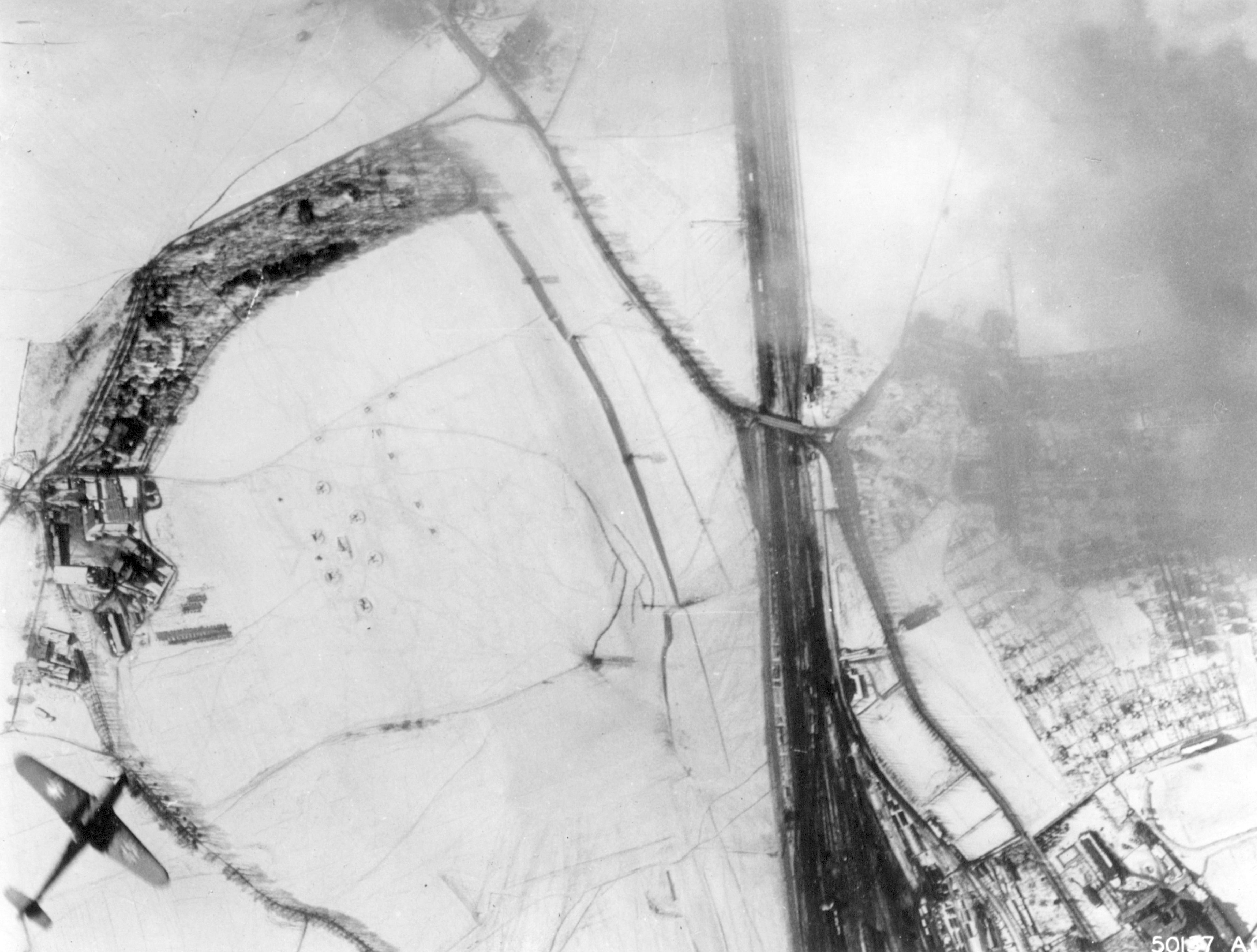
How many aircraft did the Axis lose in Crusader?
Around 332 aircraft destroyed and around 228 abandoned in the operation's tally, which took place between 18 November and 30 December 1941. According to their… more…
Military aviation
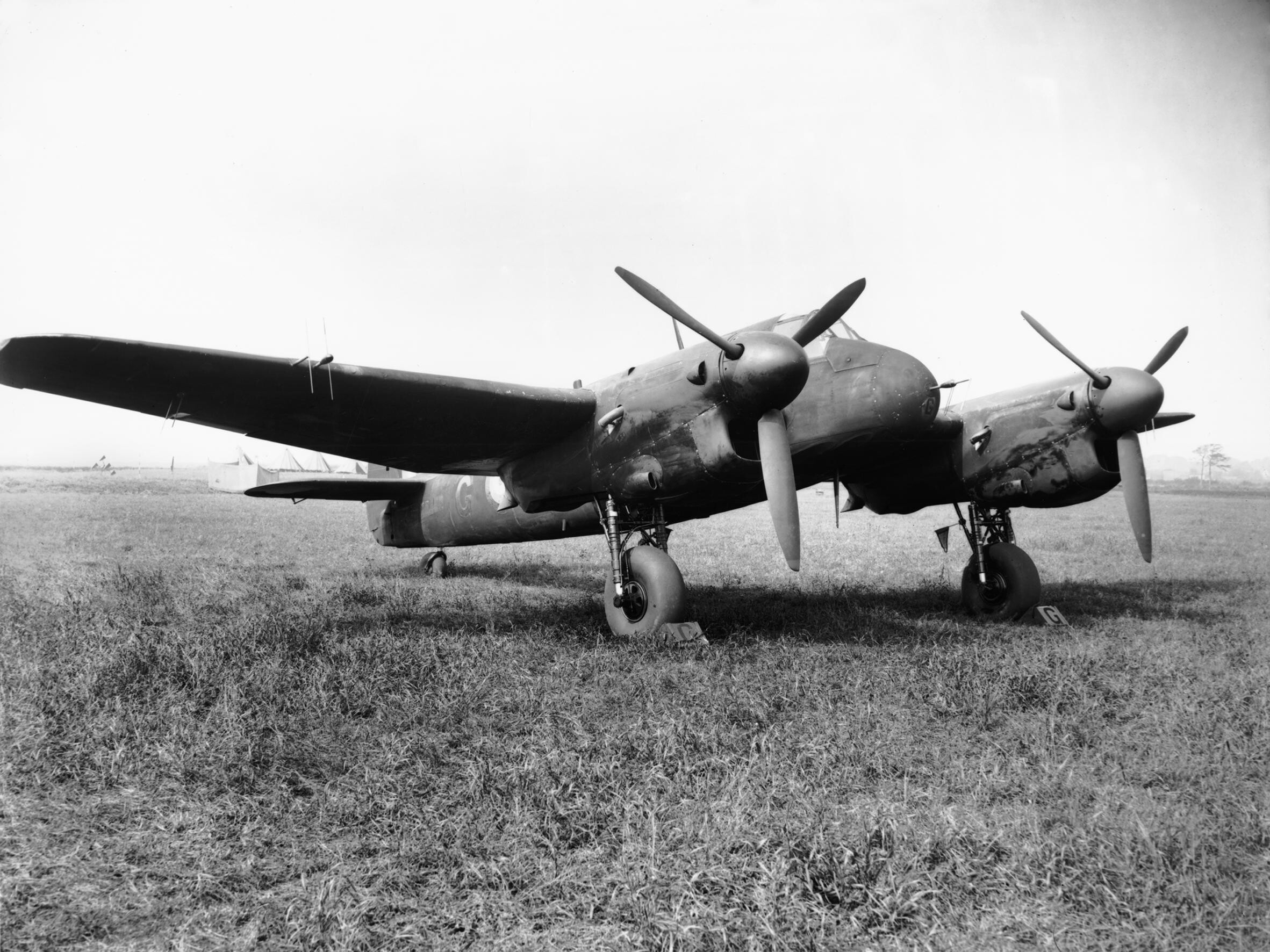
How many victories did No. 604 Squadron, the RAF night-fighter squadron, claim?
Around 127 aerial victories over the course of the war, 41 of them since May 1944. No. 604 (County of Middlesex) Squadron RAF spent most of the Second World… more…
Military aviation
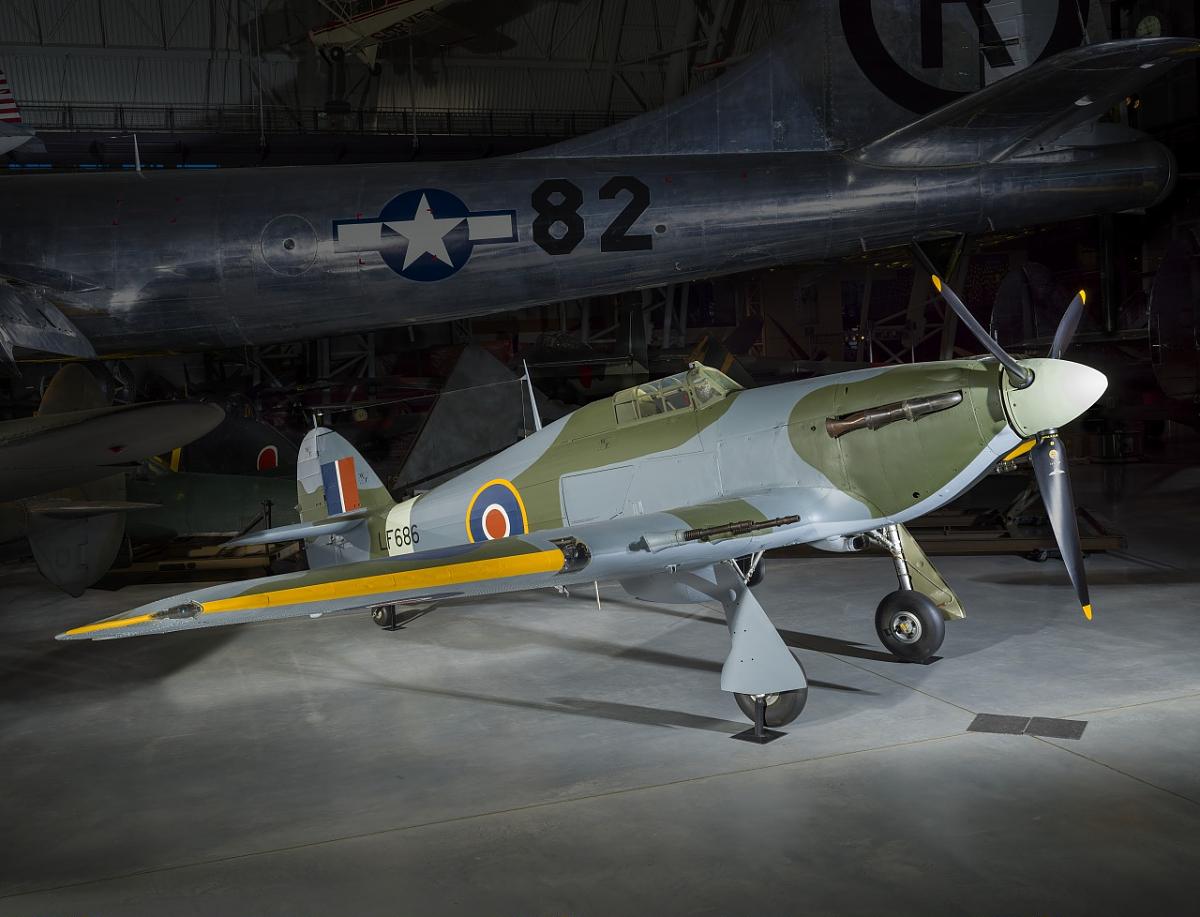
Why did the "Torch" P-40Fs carry a flag on the fuselage?
To deter Vichy French forces from shooting them down: aircraft with yellow-outlined roundels sometimes had an American flag added in front of the roundel. The… more…


