Did you know…
How much cruising speed did the Airspeed Courier gain by retracting its undercarriage?
Short answer
About 32 km/h (20 mph) of cruising speed. Sources attribute the gain to the lower drag with the main wheels retracted, at the cost of roughly 30 lb for the mechanism; it was Hessell Tiltman's answer to those who doubted that a retractable undercarriage was worth its complexity.
A contested gamble
In the early 1930s a retractable undercarriage was a rarity in British light aviation. When conceiving the Courier, Hessell Tiltman championed a fast, advanced aeroplane, and some saw in a retracting undercarriage better aerodynamic performance and a cleaner, more elegant exterior. But in the country's aeronautical circles there were also critics who doubted it would pay off, given the more complex mechanisms needed to raise and lower the wheels. The doubt reached Airspeed's own board: Lord Grimthorpe was pessimistic, apparently influenced by those detractors. Tiltman defended the solution firmly, several directors backed him, and the undercarriage stayed.
What it cost and what it gave
The published balance sheet is clear. The raising and lowering mechanism was estimated to add about 30 lb of weight, while the reduced drag contributed about 20 mph of cruising speed, some 32 km/h. The Spanish-language Enciclopedia ilustrada de la aviación adds that Tiltman carried on without entering into controversy and, in due course, was able to demonstrate that improvement with the main undercarriage retracted. The pilot operated the system with a manual hydraulic pump. According to British Civil Aircraft since 1919, the Courier with the Lynx IVC engine cruised at 132 mph (212 km/h), so the gain was not a minor one.
An invention with a future
The undercarriage was an Airspeed patent, and the company later earned income when it was adopted on other aircraft, among them the twin-engined Airspeed Oxford. It also had a curious safety net: the wheels protruded slightly even when retracted, so if the pilot forgot to lower them the landing usually ended with a bent propeller and an otherwise intact aeroplane.
More questions
- Image pending
Physics of flight
Why did the Royal Aircraft Establishment ask Airspeed to fit flaps and air brakes to its Courier?
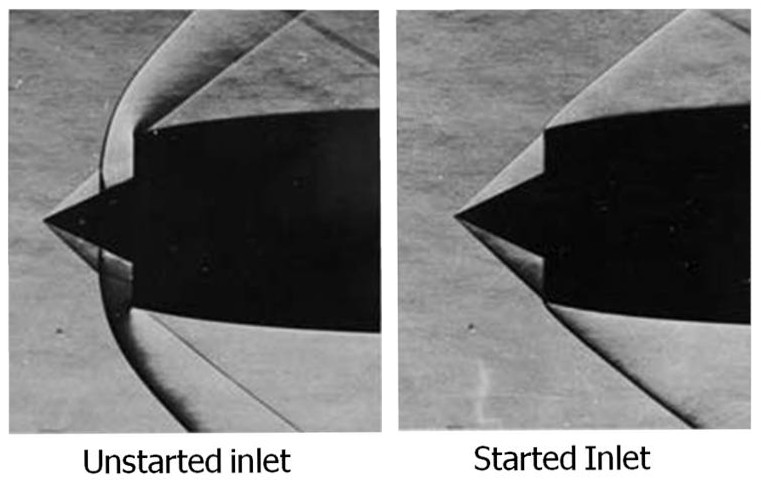
Because the Courier was so aerodynamically clean that, once in the air, it was very hard to bring back down. Thanks to that advanced aerodynamics the Royal… more…
Physics of flight
Why does the sound barrier exist?
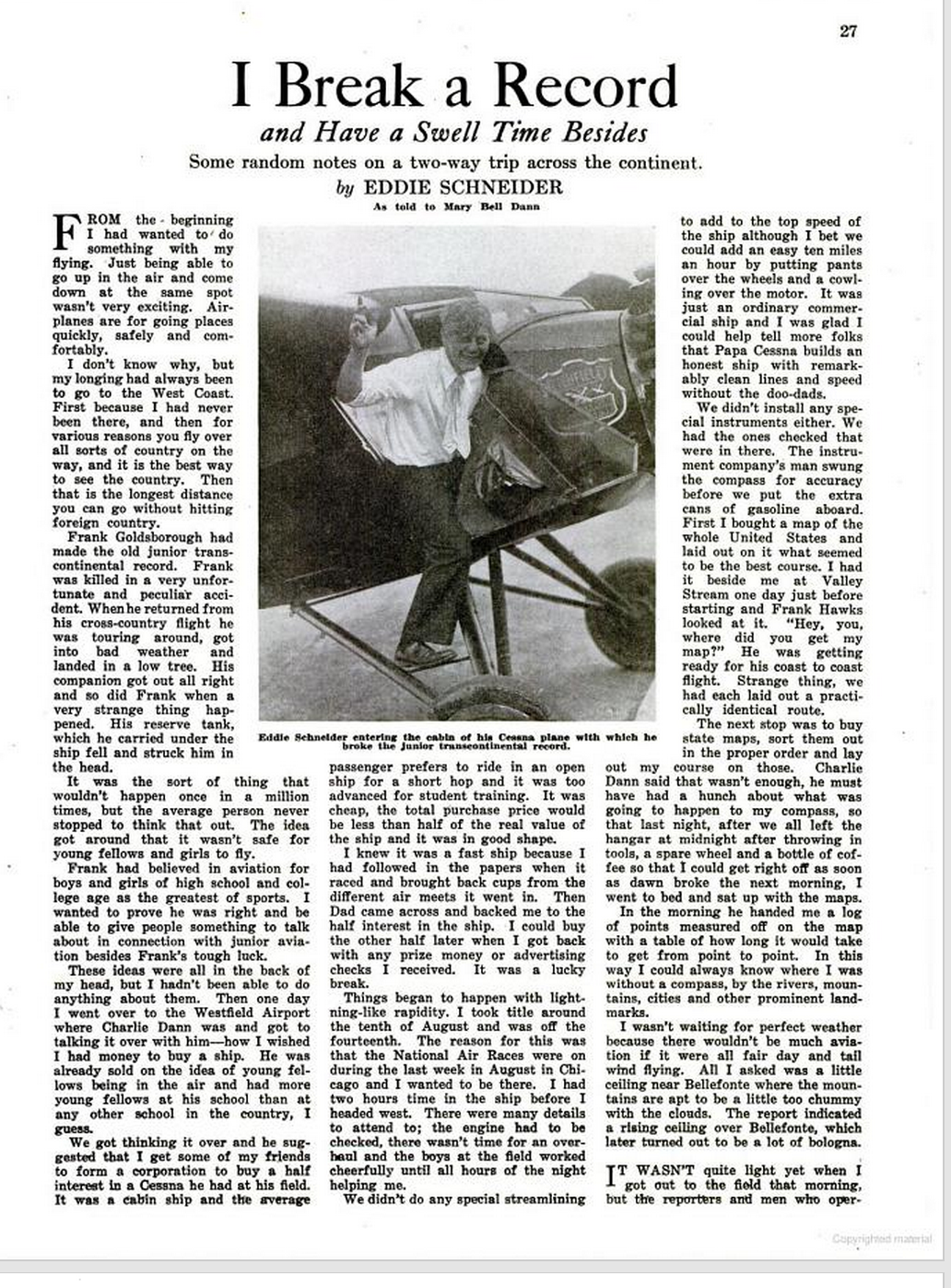
The sound barrier exists because pressure disturbances travel through air at the speed of sound. Below Mach 1 the air ahead of an aircraft receives warning… more…
Physics of flight
Why does the speed of sound change with altitude?
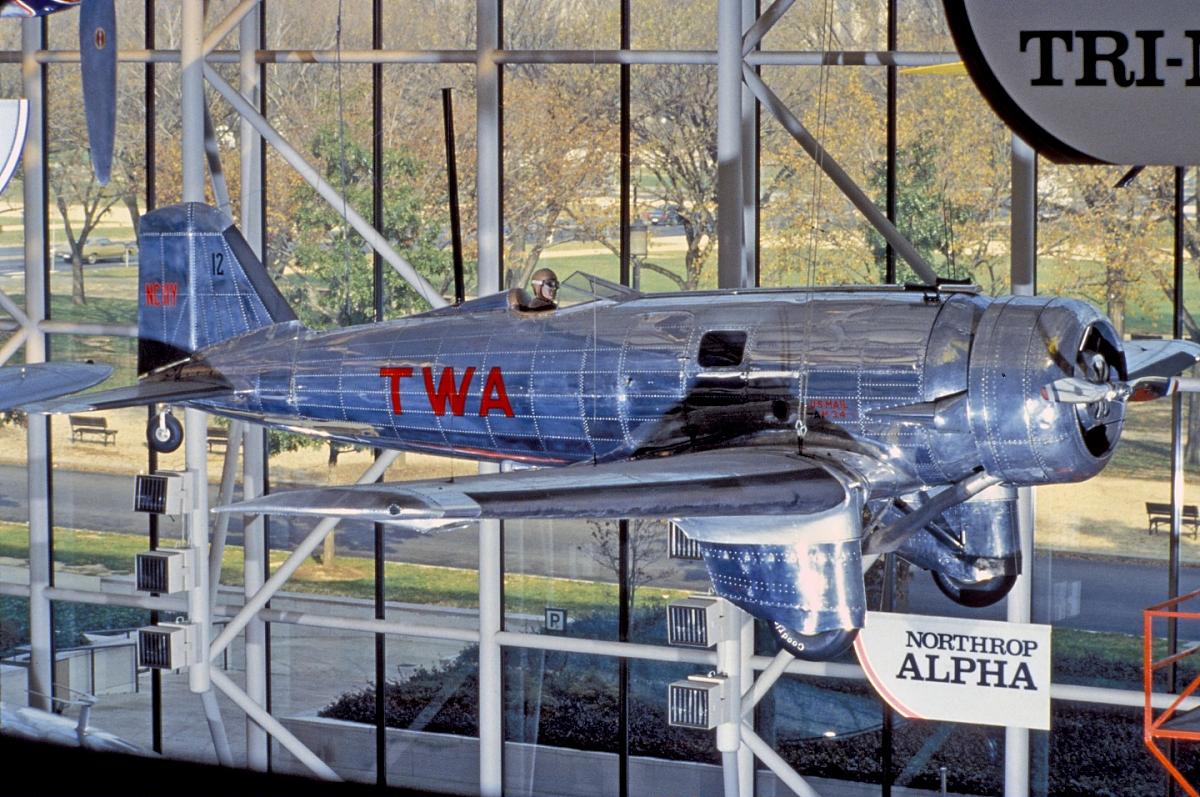
The speed of sound changes with altitude because it depends on air temperature, and temperature falls as you climb through the troposphere. Colder molecules… more…
Physics of flight
Why do planes need airplane mode?
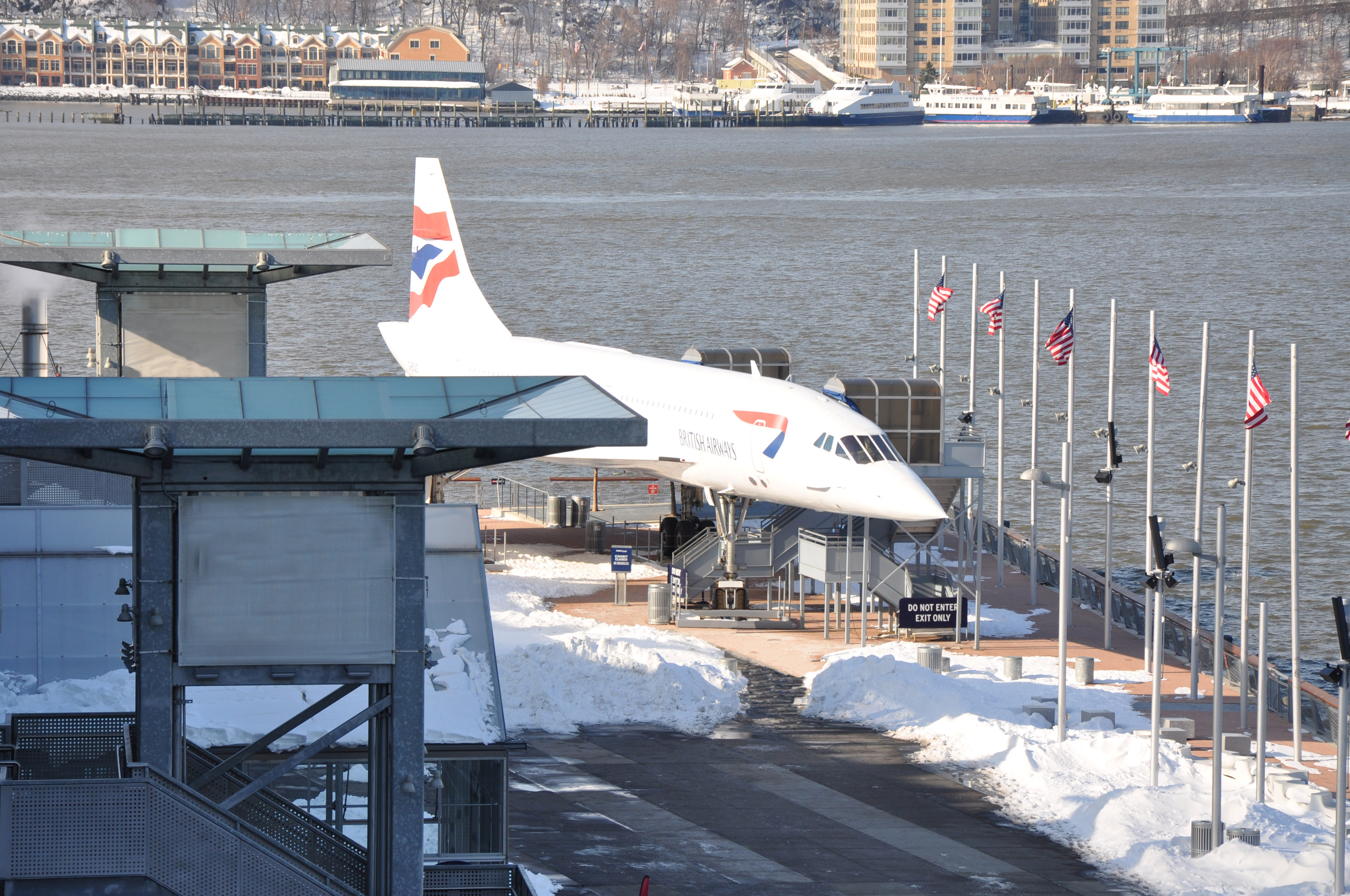
Airplane mode is required mainly by regulation and caution, not by a proven history of accidents. Regulators such as the FAA and EASA require devices to stop… more…
Jorge Láscar from Australia (CC BY), vía commons Physics of flight
How far is the speed of sound?
The speed of sound is a speed, not a distance: in air at 20 °C and sea level it is about 343 m/s (1,235 km/h, 667 kn), so sound covers one kilometre in… more…
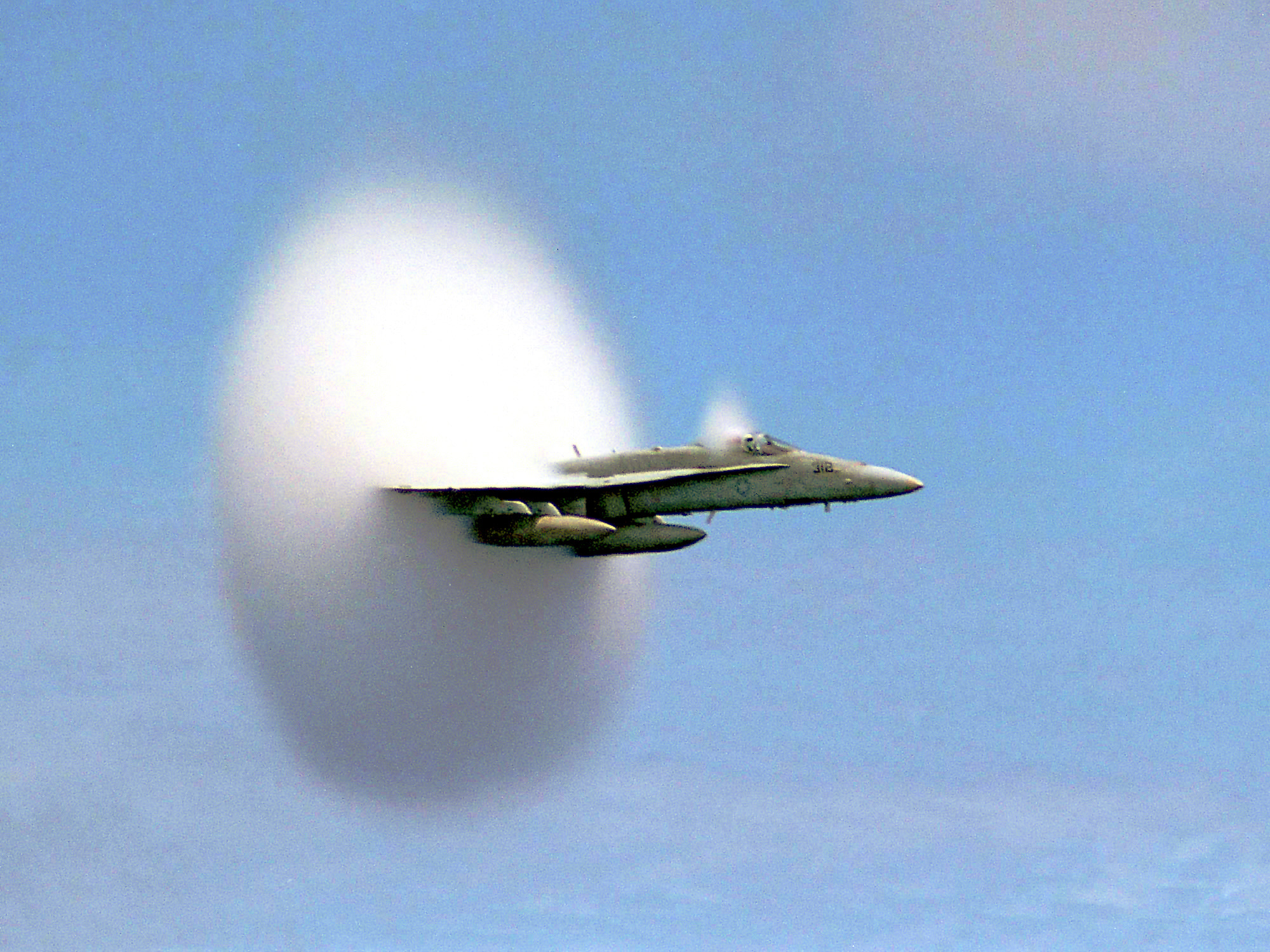
Physics of flight
How much is the sound barrier?
The sound barrier is not a price or a quantity: it is the speed of sound, which an aircraft meets at Mach 1. That speed is about 343 m/s (1,235 km/h, 667 kn)… more…


