Did you know…
Why was the D.V's headrest removed?
Short answer
Because it interfered with the pilot's field of view: early D.Vs carried a large headrest that was almost always removed in service. The model entered service in May 1917. British trials with a captured D.V found it slow to maneuver, heavy on the controls and tiring to fly.
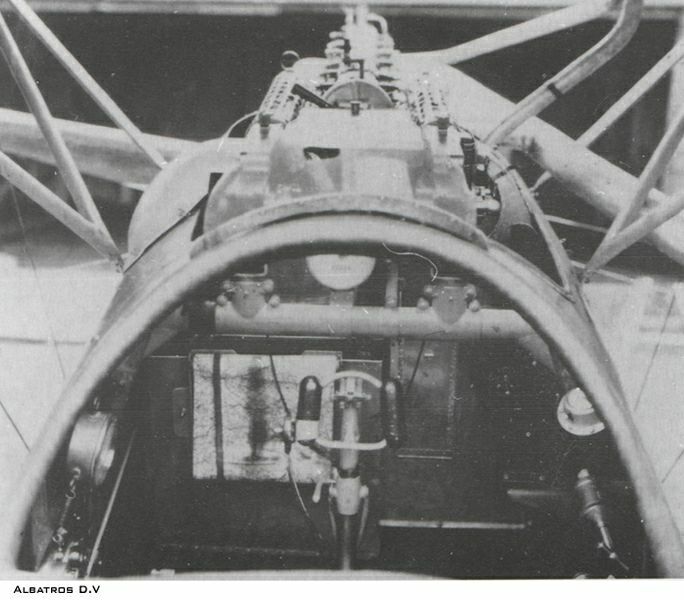
A headrest that blocked the view
Early production Albatros D.Vs left the factory with a large headrest, but in service it was almost always removed, because it interfered with the pilot's field of view. The fighter entered service with the German air force in May 1917.
A poorly received fighter
Manfred von Richthofen criticized the new aircraft in a letter from July 1917, describing it as so outdated and so ridiculously inferior to British aircraft that nothing could be done with it. British trials with a captured D.V concluded that the aircraft was slow to maneuver, heavy on the controls and tiring to fly.
Airframe changes and service numbers
Compared with the D.III, the D.V's upper wing sat 121 mm (4.75 in) closer to the fuselage. Albatros later responded with the D.Va, which featured stronger wing spars, heavier wing ribs and a reinforced fuselage. That model also restored the D.III's aileron cable routing, which ran outward through the lower wing and then up to the ailerons. By May 1918 there were 131 D.V and 928 D.Va in service on the Western Front.
More questions
Alan Wilson from Peterborough, Cambs, UK (CC BY SA), vía commons Aviation history
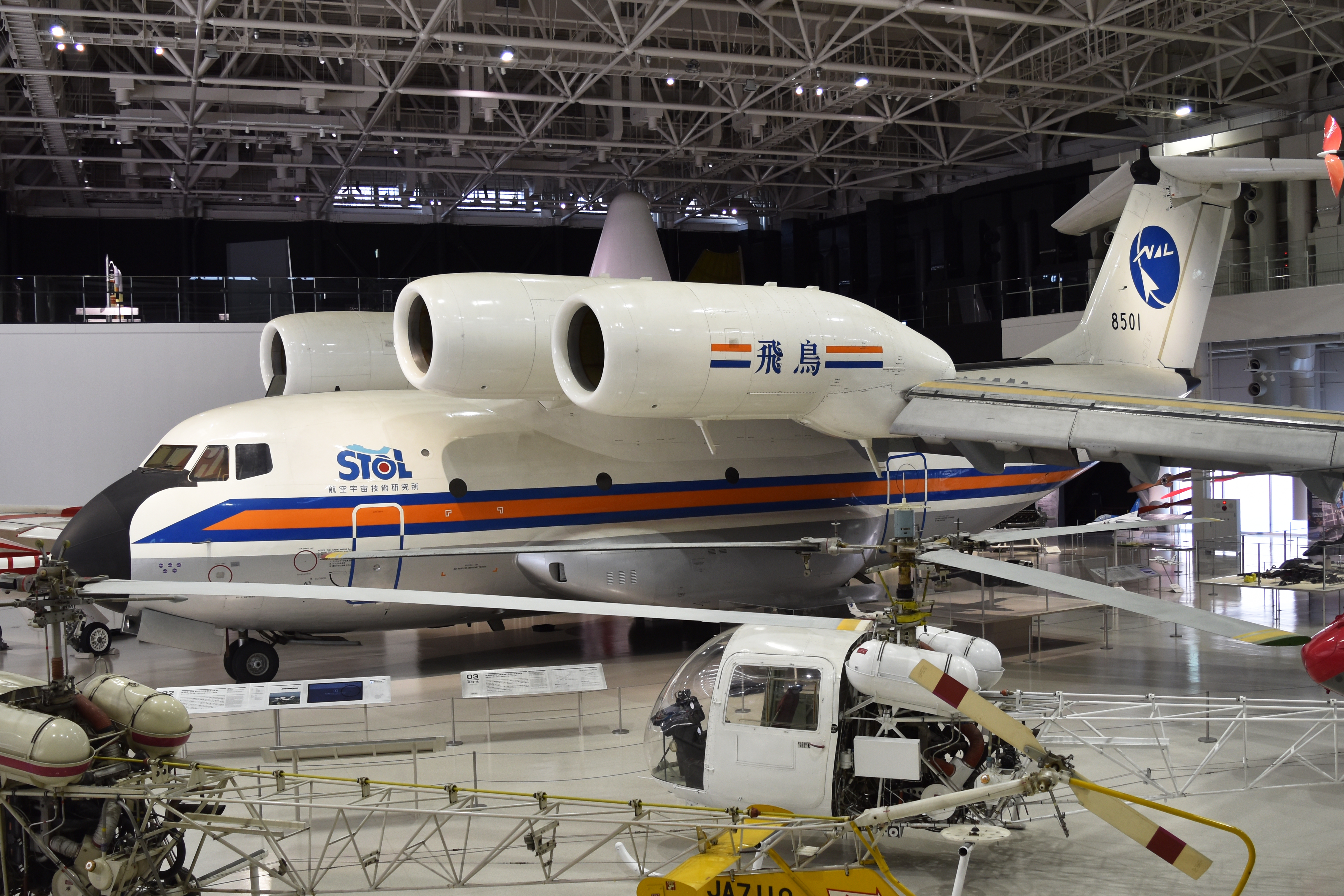
What was Antonov's first jet aircraft?
The An-72, the first jet aircraft in the Antonov family. Design work began in the early 1970s, likely as a Soviet response to the US AMST programme, and the… more…

Donald Trung Quoc Don (Chữ Hán: 徵國單) - Wikimedia Commons - © CC BY-SA 4.0 International.(Want to use this image?)Original publication 📤: --Donald Trung 『徵國單』 (No Fake News 💬) (WikiProject Numismatics 💴) (Articles 📚) 20:25, 16 January 2021 (UTC) (CC BY SA), vía commons Aviation history
How many civilians died in Rotterdam?
At least 1,150 people died in the German bombing of Rotterdam, of which 711 correspond solely to the attack of 14 May. Another 85,000 were left homeless. That… more…
- Image pending
Aviation history
What shaped charges did GRANIT use at Eben-Emael?
Granit used primitive, unlined shaped charges fixed onto Eben-Emael's turrets. When detonated they shook the turrets but failed to destroy them, so other… more…
Peyot (CC BY SA), vía commons Aviation history
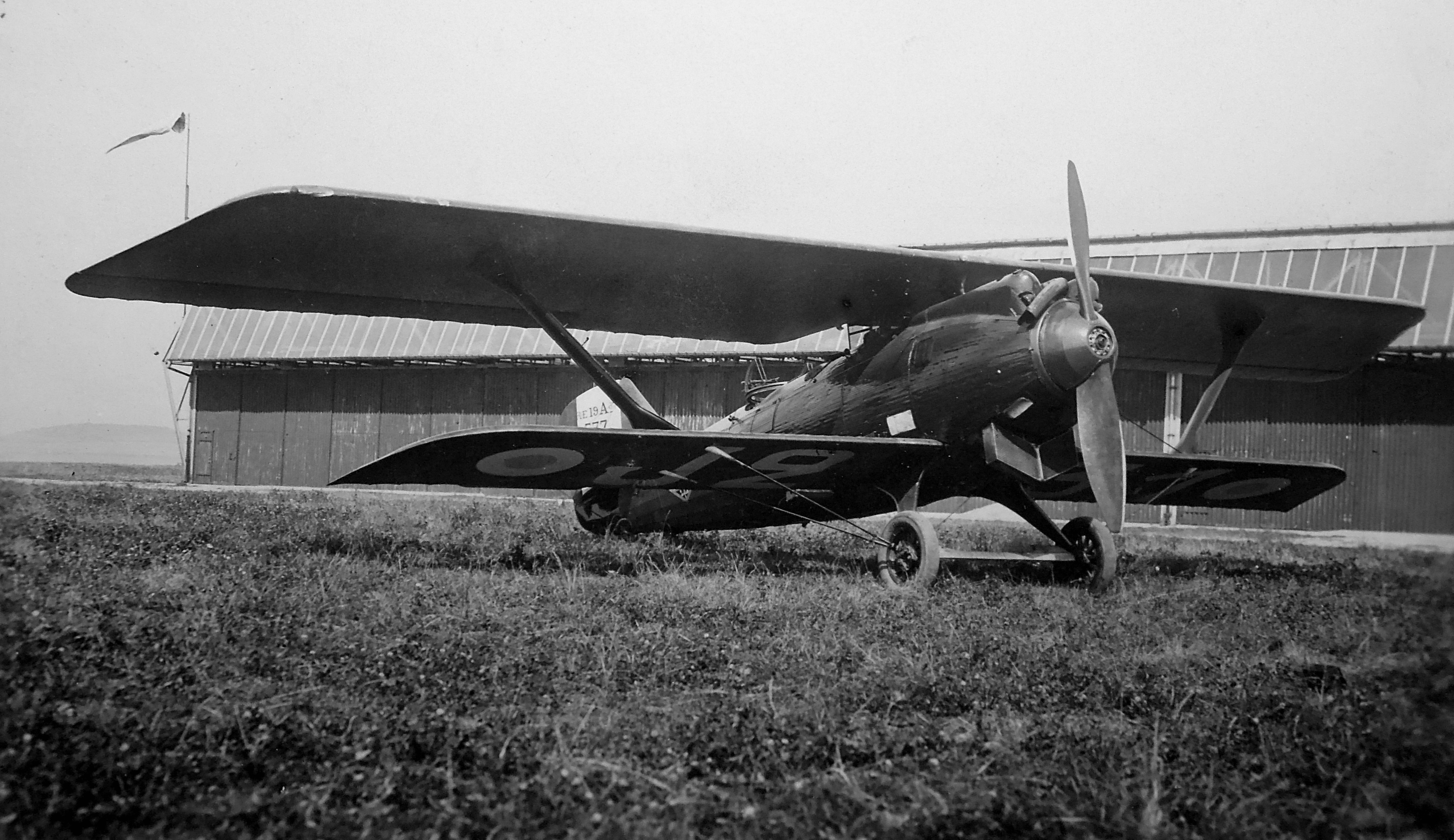
What was the "Super Bidon"?
It was a version of the Breguet 19 with a modified fuselage and huge fuel capacity: the French Super Bidon was the third Br.19 TR Hispano, named Point… more…
Aviation history
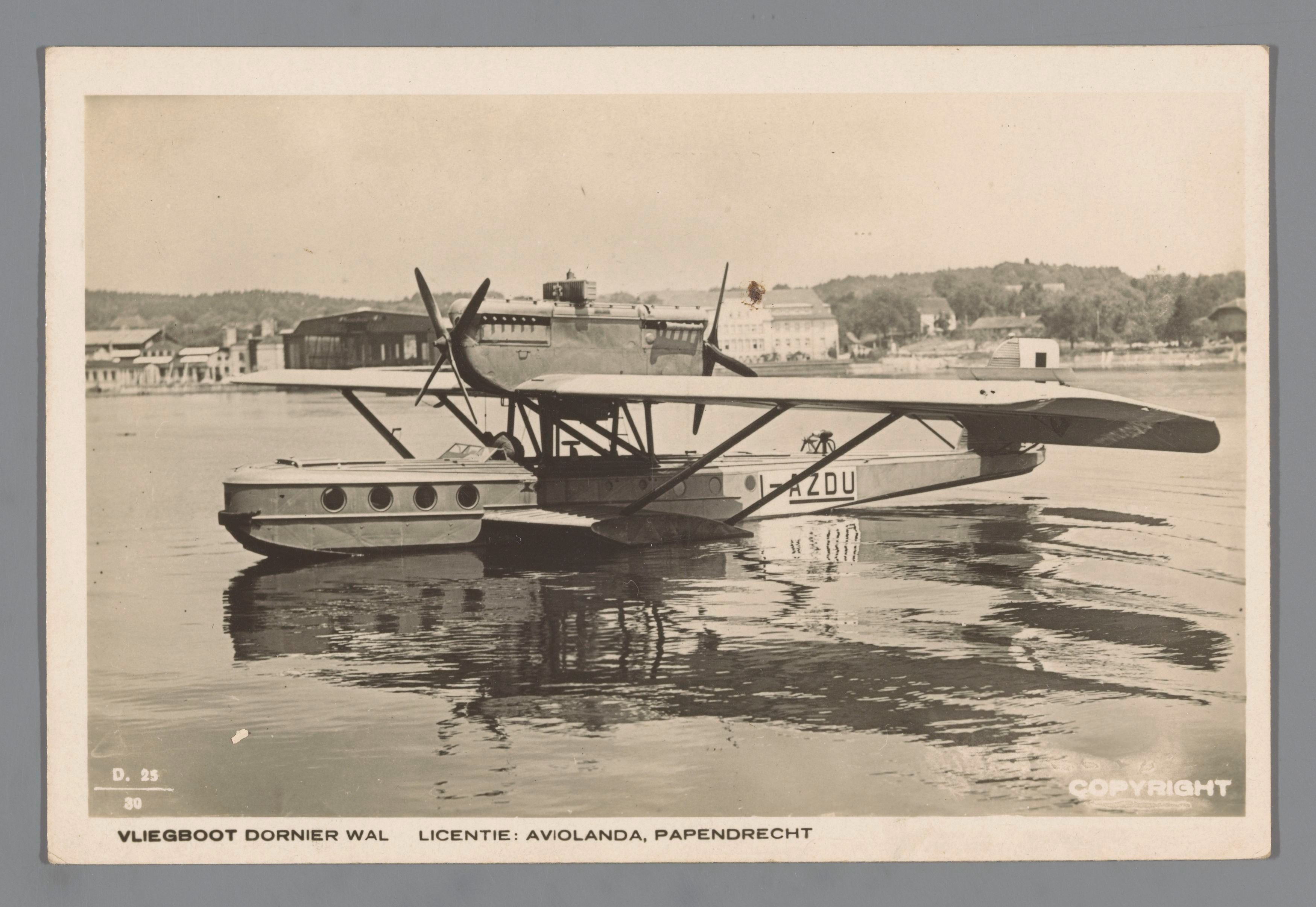
Who crewed the Plus Ultra?
Four Spanish aviators: commander Ramón Franco, captain Julio Ruiz de Alda Miqueleiz, ensign Juan Manuel Durán and mechanic Pablo Rada. Franco and Ruiz de Alda… more…
Aviation history
Why does the An-32 have its engines mounted high?
To avoid foreign object damage when operating from rough, unprepared runways: the An-32 differs from its predecessor by having its engines raised 1.5 m above… more…


