Did you know…
How much does the Gerald Ford aircraft carrier cost?
Short answer
The USS Gerald R. Ford (CVN-78) cost about $13.3 billion in acquisition costs, according to the Congressional Research Service, up from the $10.5 billion estimated when it was contracted in 2008. That figure doesn't include about $4.7 billion in class development costs or the cost of its air wing (as of September 2026).

The most expensive warship ever built
The construction contract for CVN-78 was signed in 2008 with the Newport News shipyard (Huntington Ingalls) based on an estimate of $10.5 billion. The cost kept rising to the legal cap of $12.9 billion set by Congress, which was later adjusted upward to absorb problems with the electromagnetic catapults, weapons elevators and the arresting system. The acquisition figure used by the Congressional Research Service and the Government Accountability Office (GAO) is around $13.3 billion, plus about $4.7 billion in research and development shared across the whole class.
What it includes and what it doesn't
The price covers the hull, the two A1B reactors, the combat systems and testing up through its first deployment, in 2022. It does not include the air wing of about 75 aircraft, which at current prices for the F-35C, F/A-18E/F, E-2D and helicopters comfortably exceeds the cost of the ship itself, nor the carrier strike group's escorts, nor the crew of about 4,500 people. The Navy argues that the class's design cuts each ship's operating cost by about $4 billion over its 50-year service life compared with a Nimitz-class carrier, thanks to a smaller crew and less maintenance.
The next ships in the class
Later ships cost less thanks to the learning curve: the John F. Kennedy (CVN-79) runs about $11.4 billion, and the Enterprise (CVN-80) and Doris Miller (CVN-81) were contracted together in 2019 for about $24 billion, with an estimated savings of $4 billion compared to buying them separately. Even so, each carrier remains the single most expensive line item in the U.S. Navy's budget in the year it's purchased.
More questions
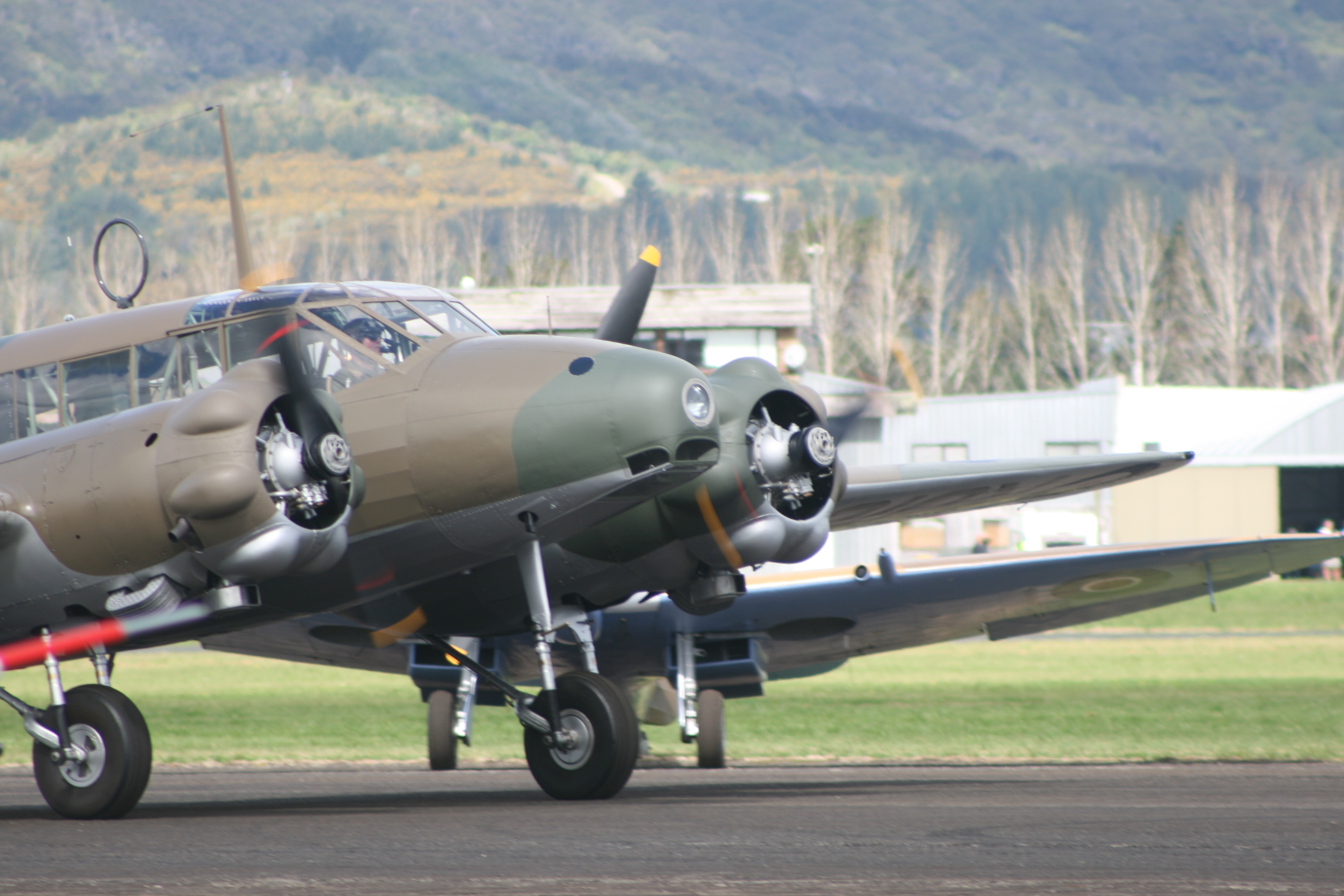
L-Bit (CC BY SA), vía commons Military aviation
How many Anson Mk I were built?
6,688 or 6,742 Avro Anson Mk I were built, according to different sources; History of War, which gives the second figure, places 3,935 at Woodford and the… more…
Military aviation
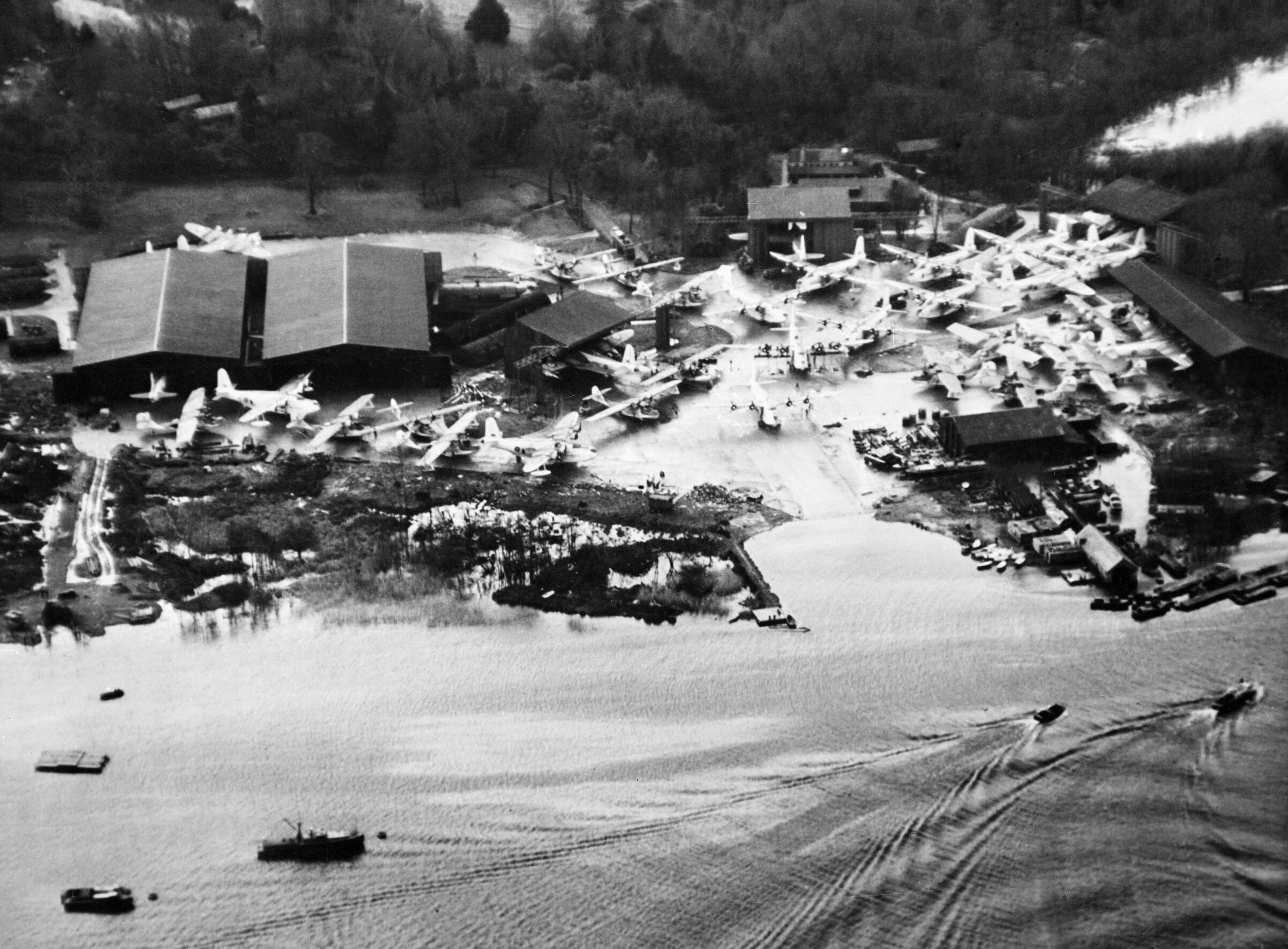
Which flying boats rescued the crew of the Kensington Court in 1939?
They were two RAF Sunderland flying boats: according to uboat.net, an aircraft of Squadron 228 and L5802 of Squadron 204 landed on the water next to the… more…
Military aviation
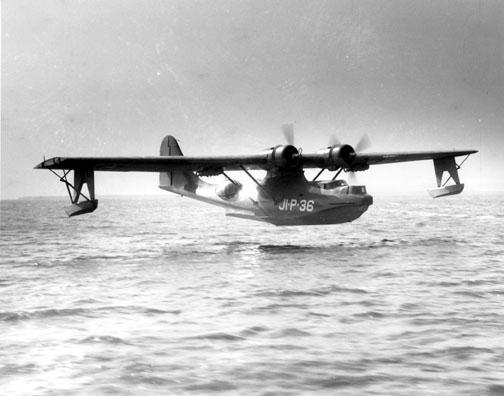
How long did Catalina convoy escort flights to the USSR last?
Many of the Catalina flights protecting convoys to the Soviet Union lasted between 15 and 20 hours and ended at Gryaznaya Bay (Murmansk) or at Arkhangelsk… more…
Military aviation
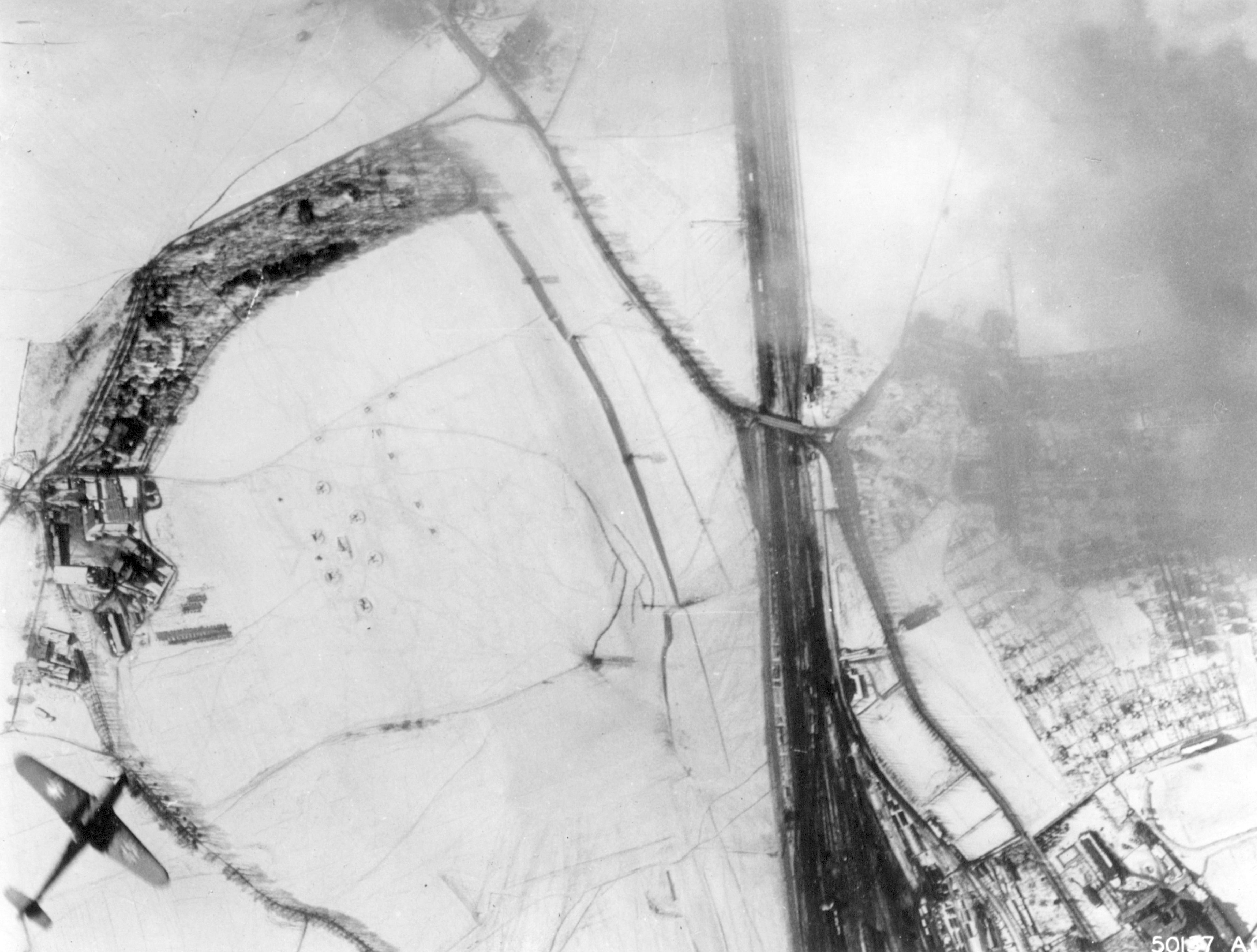
How many aircraft did the Axis lose in Crusader?
Around 332 aircraft destroyed and around 228 abandoned in the operation's tally, which took place between 18 November and 30 December 1941. According to their… more…
Military aviation
How many victories did No. 604 Squadron, the RAF night-fighter squadron, claim?
Around 127 aerial victories over the course of the war, 41 of them since May 1944. No. 604 (County of Middlesex) Squadron RAF spent most of the Second World… more…
Military aviation
Why did the "Torch" P-40Fs carry a flag on the fuselage?
To deter Vichy French forces from shooting them down: aircraft with yellow-outlined roundels sometimes had an American flag added in front of the roundel. The… more…


