Did you know…
How long did the Israeli F-16s' flight to Osirak last?
Short answer
About three hours: the eight Israeli F-16As took off from Etzion air base and landed there again after a three-hour mission. At 80 minutes into the flight, they approached the target, and the attack on the Osirak reactor lasted less than two minutes. The distance between the Israeli bases and the reactor exceeded 1,600 km (990 mi).

Eight F-16As from Etzion
Eight Israeli F-16s carried out Operation Opera, their first use in a significant air-to-ground operation. The fighters belonged to the 117th and 110th squadrons, based at Ramat David, and took off from Etzion. Two further Fighting Falcons were held in reserve. The strike formation was assigned a formation of six F-15As to provide fighter cover. The distance between the Israeli military bases and the reactor site exceeded 1,600 km (990 mi; 860 nmi). The formation left Etzion and flew unchallenged through Jordanian and Saudi airspace.
Payload and fuel
Each F-16A carried two unguided Mark-84 2,000 lb (910 kg) delay-action bombs. In addition to internal fuel, it carried two 370-US-gallon external tanks under the wings and a 300-US-gallon tank under the fuselage. The aircraft were so heavily loaded that the external tanks ran dry in flight and were jettisoned over the Saudi desert.
Eighty minutes out and two minutes over the target
After 80 minutes in the air, the attackers approached the target and prepared to strike. The weapons were released over the target in two waves of four Falcons each. The attack lasted less than two minutes. The Iraqi Osirak nuclear reactor, under construction near Baghdad, was severely damaged. All the aircraft landed at Etzion after a three-hour mission.
More questions

Aviation history
What was the An-2 called before it became an Antonov?
SKh-1. The letters stood for Sel'sko Khozyaystvennyi — pervoy, "agricultural, the first," and corresponded to the first design from Antonov's bureau, later… more…
Aviation history
At what altitude did the weather-research An-4 biplane fly?
Up to 10,000 m: the An-4 — the design-bureau designation for the meteorological An-2ZA, intended for high-altitude weather research — could maintain power up… more…
Aviation history
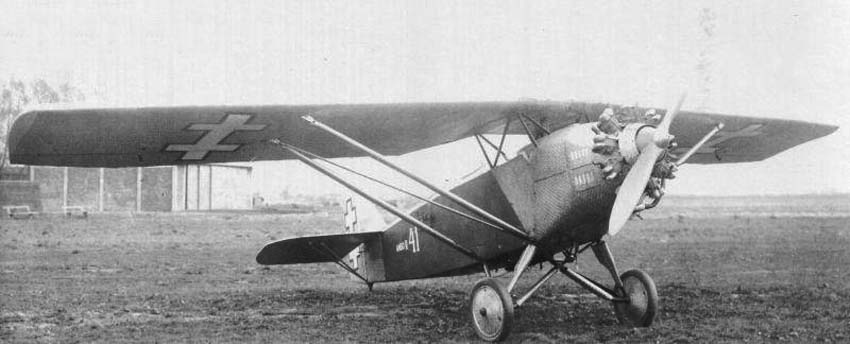
How many ANBO II and III aircraft were built?
The ANBO III was the first Lithuanian-designed aircraft built in series: two batches of four built in 1930 and 1931. The ANBO II, built in Lithuania in 1927… more…

emmett anderson (CC BY), vía commons Aviation history
How many Anderson Kingfishers were under construction around 1982?
The figure on record is from 1978, not 1982: by then 200 kit sets had been sold and 100 Kingfishers were reported under construction. The EA-1 Kingfisher is a… more…
Giorces (CC BY), vía commons Aviation history
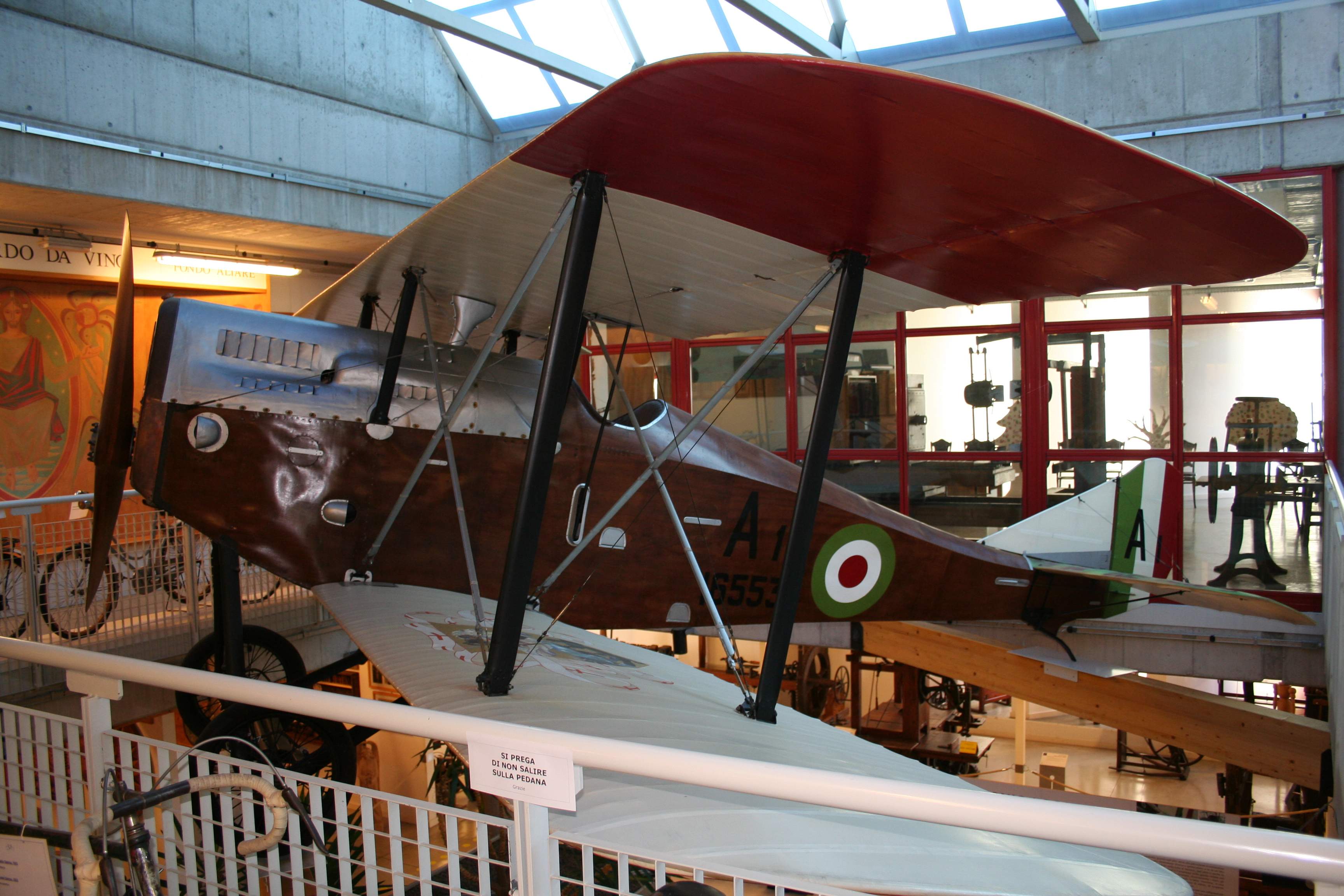
What does "Balilla" mean in the Ansaldo A.1?
"Balilla" isn't a technical designation but the nickname of the Ansaldo A.1 fighter, taken from a popular Genoese hero. The aircraft was the only… more…
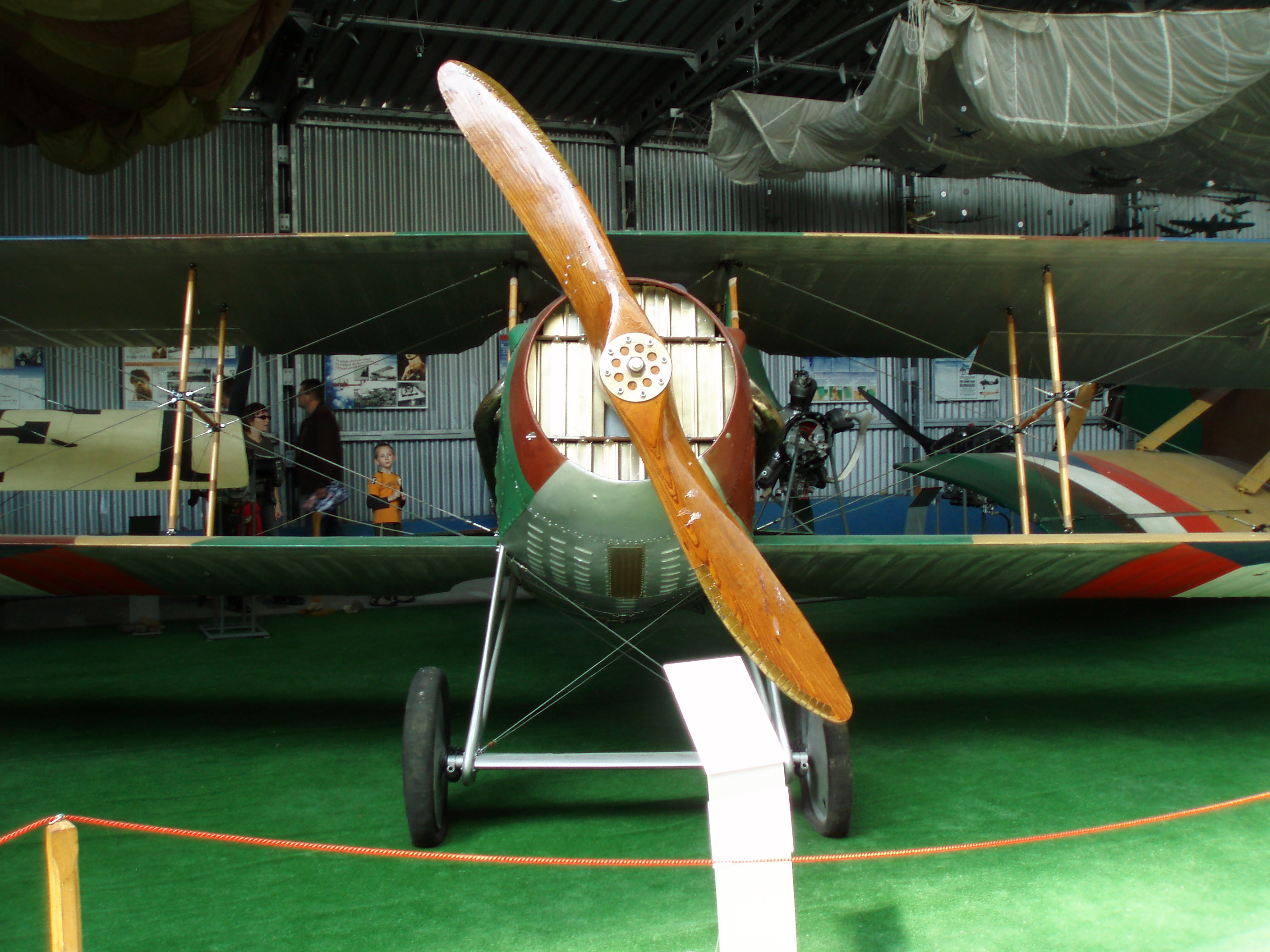
ZemplinTemplar (CC BY SA), vía commons Aviation history
Why did Italy prefer the SPAD over the Ansaldo A.1 in 1917?
In 1917 there was no clear-cut preference: the A.1 wasn't even accepted by the Corpo Aeronautico Militare until December that year, because test pilots… more…


