Did you know…
How high does the Airbus A380 fly?
Short answer
The Airbus A380 has an operating ceiling of 13,100 metres (43,000 ft) and on long-haul cruise it normally stays between 10,600 and 12,500 metres, that is between 35,000 and 41,000 ft. It climbs step by step as it burns fuel and gets lighter during the flight.

Ceiling and typical cruise
The largest passenger aircraft in service is certified up to 13,100 metres (43,000 ft), but it rarely occupies that level. On a typical transoceanic leg it enters cruise at around 10,600 metres (35,000 ft) and ends the flight around 12,200 or 12,500 metres (40,000 or 41,000 ft). The reason is weight: with full tanks, the airframe cannot sustain efficient flight at high altitude, and only once it has burned off dozens of tonnes of fuel does climbing become worthwhile.
Step climbs en route
That ascent is not continuous but happens in steps. Air traffic control assigns flight levels separated by three hundred metres (1,000 ft) according to direction of travel, within the reduced vertical separation scheme that applies above 8,800 metres. The crew requests a level change when the flight management system's calculation shows that the optimum altitude has risen, and the controller grants it if traffic allows. On heavily used corridors such as the North Atlantic or the Persian Gulf, that request can take a while to be approved.
Why it doesn't fly higher
At high altitude thin air reduces drag, which saves fuel, but it also narrows the margin between the minimum speed needed for lift and the upper limit set by compressibility. That margin, which crews jokingly call the coffin corner, shrinks as altitude increases. Combined with the pressurisation and structure required for a double-deck fuselage, this explains why the A380 does not exceed the ceiling of its competitors despite its size.
More questions
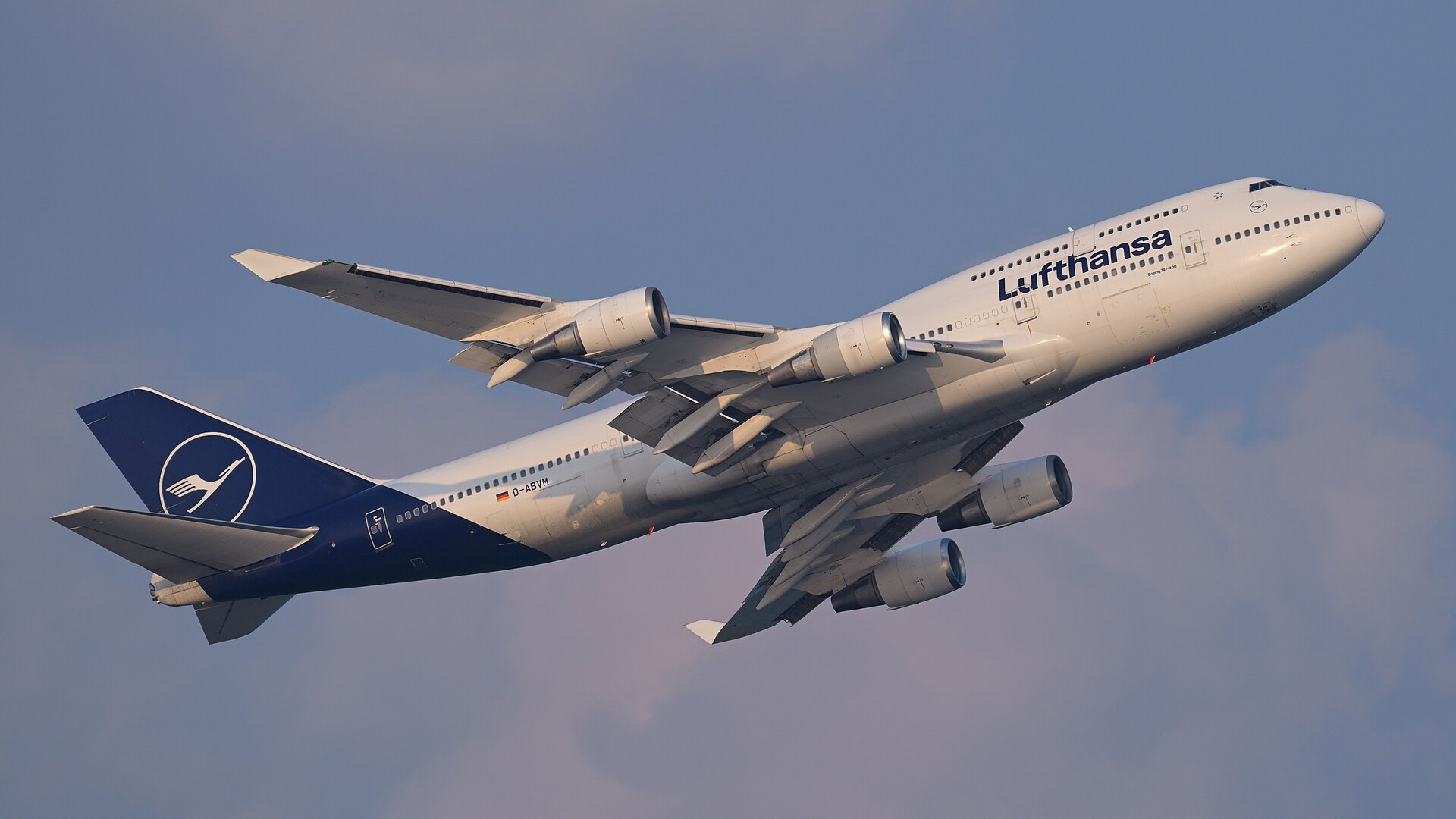
Foto: 4300streetcar (CC BY 4.0) Commercial aviation
Which 747 carried Enterprise "piggyback"?
The first Shuttle Carrier Aircraft was a Boeing 747-123 registered N905NA, originally built for American Airlines and acquired by NASA in 1974. Boeing… more…
Commercial aviation
Was there an amphibious DC-3?
Yes: the Douglas XC-47C was created by fitting Edo Model 78 floats onto a standard C-47. The single-step metal floats carried retractable wheels that also… more…
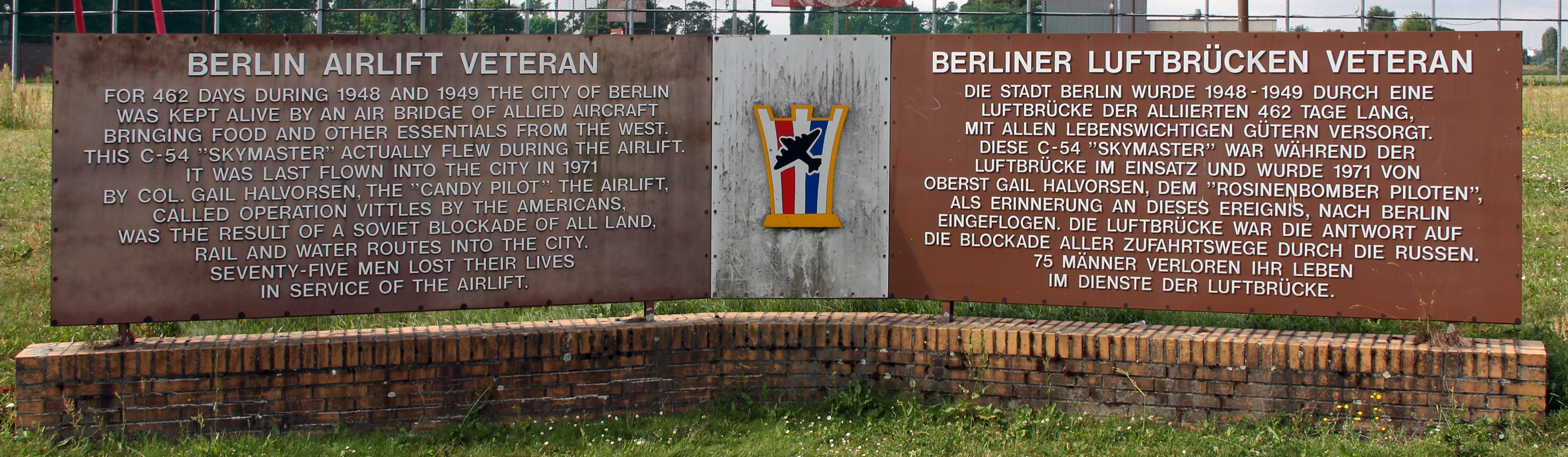
OTFW, Berlin (CC BY SA), vía commons Commercial aviation
Was a C-47 converted into a glider?
Yes: the Douglas XCG-17 was an assault glider created by converting a twin-engine C-47 Skytrain during World War II. Its engines were removed and the nacelles… more…
Commercial aviation
What did the USSR build from the DC-3?
The USSR built a version of the DC-3 under a licence granted to its government on 15 July 1936. It was designated PS-84 and, in 1942, renamed Lisunov Li-2… more…
Commercial aviation
What was "Puff, the Magic Dragon"?
It was the nickname of the Douglas AC-47 Spooky, the first in a series of fixed-wing gunships developed by the United States Air Force during the Vietnam War… more…
Commercial aviation
How did the RAF refer to the C-47?
The RAF called it Dakota: the Dakota I was the designation for 53 C-47s received under Lend-Lease. The Dakota III designated 962 C-47A Skytrains. The Dakota… more…


