Did you know…
How high did astronauts jump on the moon?
Short answer
Not very high: a few tens of centimetres at best, despite gravity being one sixth of Earth's at 1.62 m/s². A pressurised suit and a life-support backpack made bending and landing awkward, and a fall risked tearing the suit. Apollo 16's John Young managed a brief hop for the camera; Charles Duke tried harder and landed on his back.

One sixth of the gravity, none of the freedom
Lunar gravity is 1.62 m/s², a shade under a sixth of Earth's 9.80 m/s². In shirtsleeves that would translate directly: the same push from the legs that lifts you half a metre at home would carry you six times higher. Apollo crews never came close. Film from the surface shows hops of a few tens of centimetres, usually with a visible wobble on landing, and the best attempt on record stayed well below half a metre. The limit was not the Moon; it was everything the astronaut was wearing.
Why the suits kept them low
A pressurised suit resists every movement, and the joints that matter for a jump, ankles and knees and hips, were the stiffest of all. The life-support backpack put a substantial mass high on the back and shifted the centre of gravity rearwards, so a vigorous push tended to rotate the astronaut backwards rather than upwards. Landing badly risked the pressure garment and the backpack, and getting up from a fall in one sixth gravity was awkward and expensive in time and oxygen. Crews learned instead to lope, hop and shuffle, gaits chosen for stability rather than height.
The lunar olympics
Apollo 16 tried it deliberately. At the end of the last excursion John Young performed a jump salute for the camera, leaving the surface briefly with both feet; Charles Duke then attempted to go higher, lost his balance and came down on his backpack, the one piece of equipment keeping him alive. He got up unhurt, but the episode ended the improvised competition and is still cited whenever the question comes up. Nobody has yet jumped on the Moon without a suit designed, in effect, to stop them.
More questions
.jpg)
Astronauts and life in space
Why does astronauts float in space?
Because they are in free fall, not because gravity is absent. At the International Space Station's altitude of about 400 km, Earth still pulls almost as hard… more…
YSSYguy (CC BY SA), vía commons Astronauts and life in space
Why did yuri gagarin die?
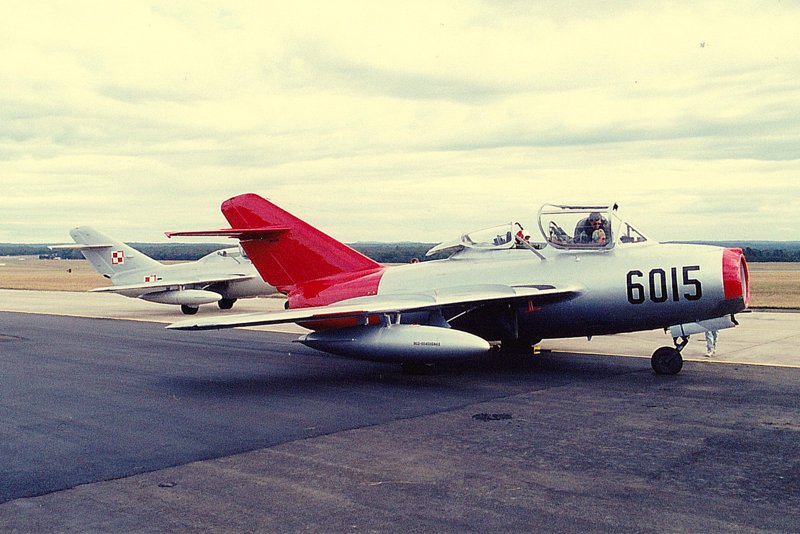
Gagarin died in an aircraft crash, not in a spacecraft. On 27 March 1968 the MiG-15UTI trainer he was flying with instructor Vladimir Seryogin went down in… more…

Astronauts and life in space
How much an astronaut is paid?
NASA's civilian astronauts are ordinary federal employees, paid on the General Schedule grade-and-step scale with no bonus per flight, per spacewalk or per… more…
.png)
Astronauts and life in space
Why is blue origin so slow?
Blue Origin was built on deliberate, owner-funded incrementalism: its motto is Gradatim Ferociter, step by step, and it spent its first two decades on… more…
Astronauts and life in space
When did astronauts last walk on the moon?
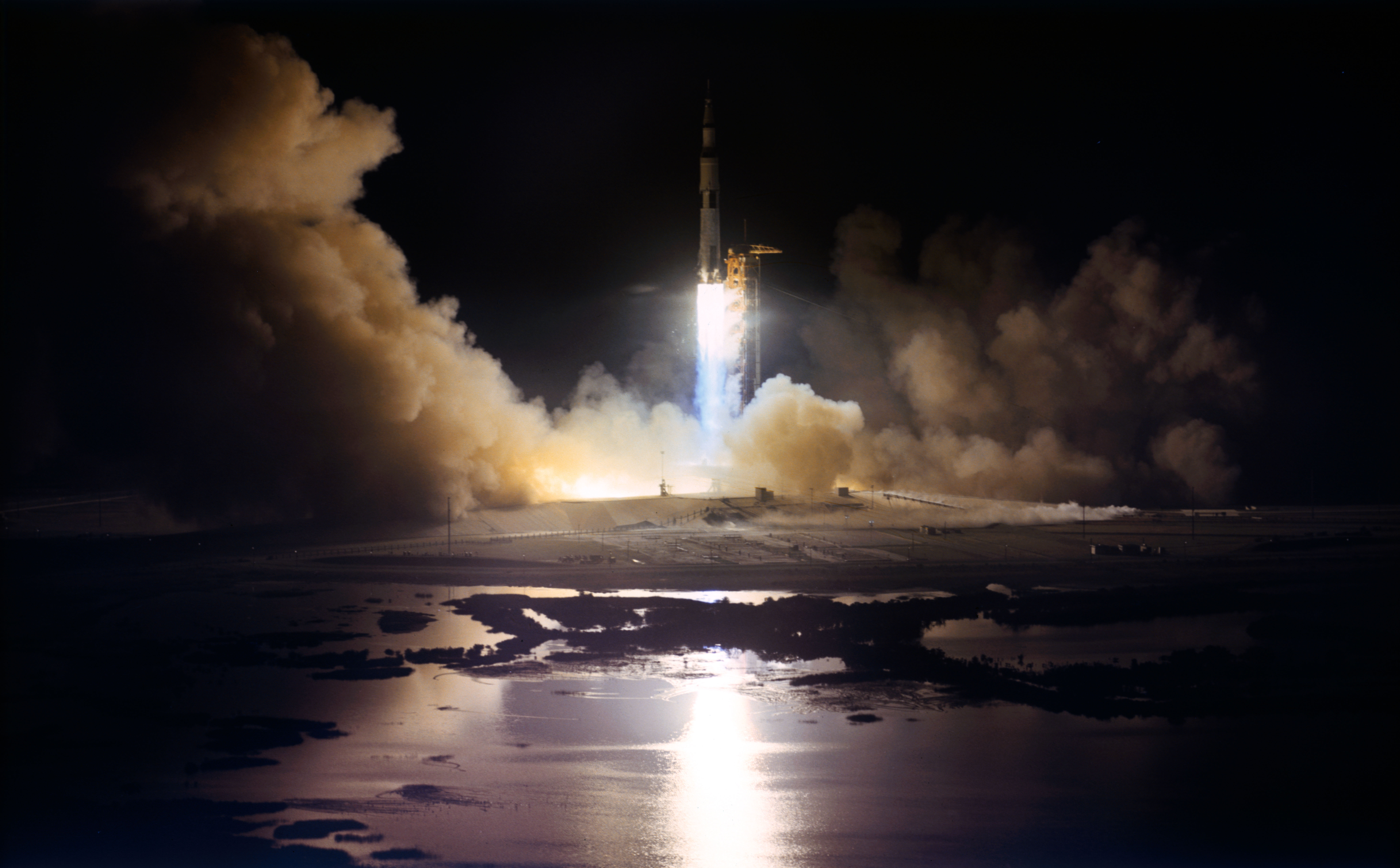
Apollo 17, in December 1972. Eugene Cernan and Harrison Schmitt landed in the Taurus-Littrow valley on 11 December 1972, worked on the surface for three days… more…
Astronauts and life in space
How high do astronauts orbit the earth?
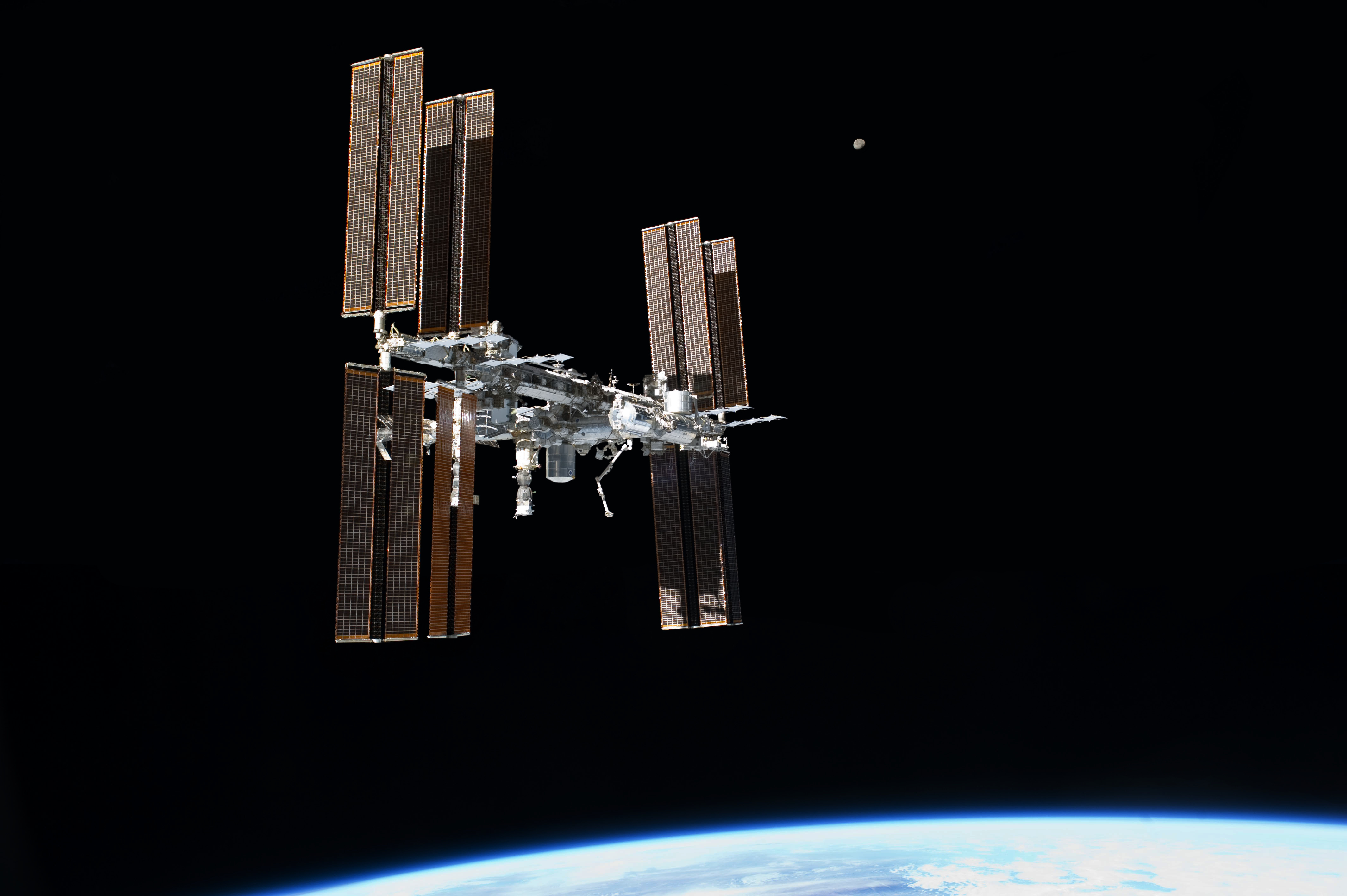
Crewed spaceflight today happens a few hundred kilometres up. The International Space Station orbits at about 400 km, lapping the planet roughly every 90… more…


