Did you know…
How fast does NASA's X-43 fly?
Short answer
The uncrewed X-43A reached Mach 9.6 on November 16, 2004—nearly ten times the speed of sound, a record still standing for an air-breathing aircraft. But it no longer flies: there were only three flights, and each unit fell into the Pacific as planned after the attempt.

The Record Flight of November 2004
The last of the three flights in the Hyper-X program reached Mach 9.6 on November 16, 2004. The X-43A was uncrewed, only a few meters long, and not reusable. The procedure was complex: a B-52B carried the assembly—made up of a Pegasus rocket booster stage and the test vehicle—to high altitude; the booster stage accelerated it to operating speed, then the X-43A separated, fired its supersonic combustion ramjet engine for a few seconds, and then, in unpowered glide flight, delivered measurement data until it hit the Pacific.
Why a Scramjet Needs to Go Fast to Work
A scramjet has no rotating compressors. Air is compressed solely by the shape of the forward fuselage and the intake, and combustion occurs in a flow that remains supersonic—in the X-43A, using hydrogen as fuel. That only works at several times the speed of sound, so the engine can't start without a carrier aircraft and a booster stage. In exchange, it doesn't need to carry oxidizer on board, making it lighter than a rocket.
Three Flights and Done
The first attempt failed in 2001, when the booster stage went out of control and had to be destroyed. In spring 2004 came the first successful powered flight, and in November the record. Since each unit could only fly once and none was recovered, the program ended there. Work on air-breathing hypersonic engines continued later with other demonstrators running on hydrocarbons instead of hydrogen, with much longer combustion but at lower speeds.
More questions
- Image pending
Records and curiosities
Which aircraft was called "perhaps the greatest failure" of Italian aviation?
The Breda Ba.88 Lince, though the usual description is more nuanced: it's cited as one of the most notable failures among operational aircraft that served in… more…
Tulumnes (CC BY SA), vía commons Records and curiosities
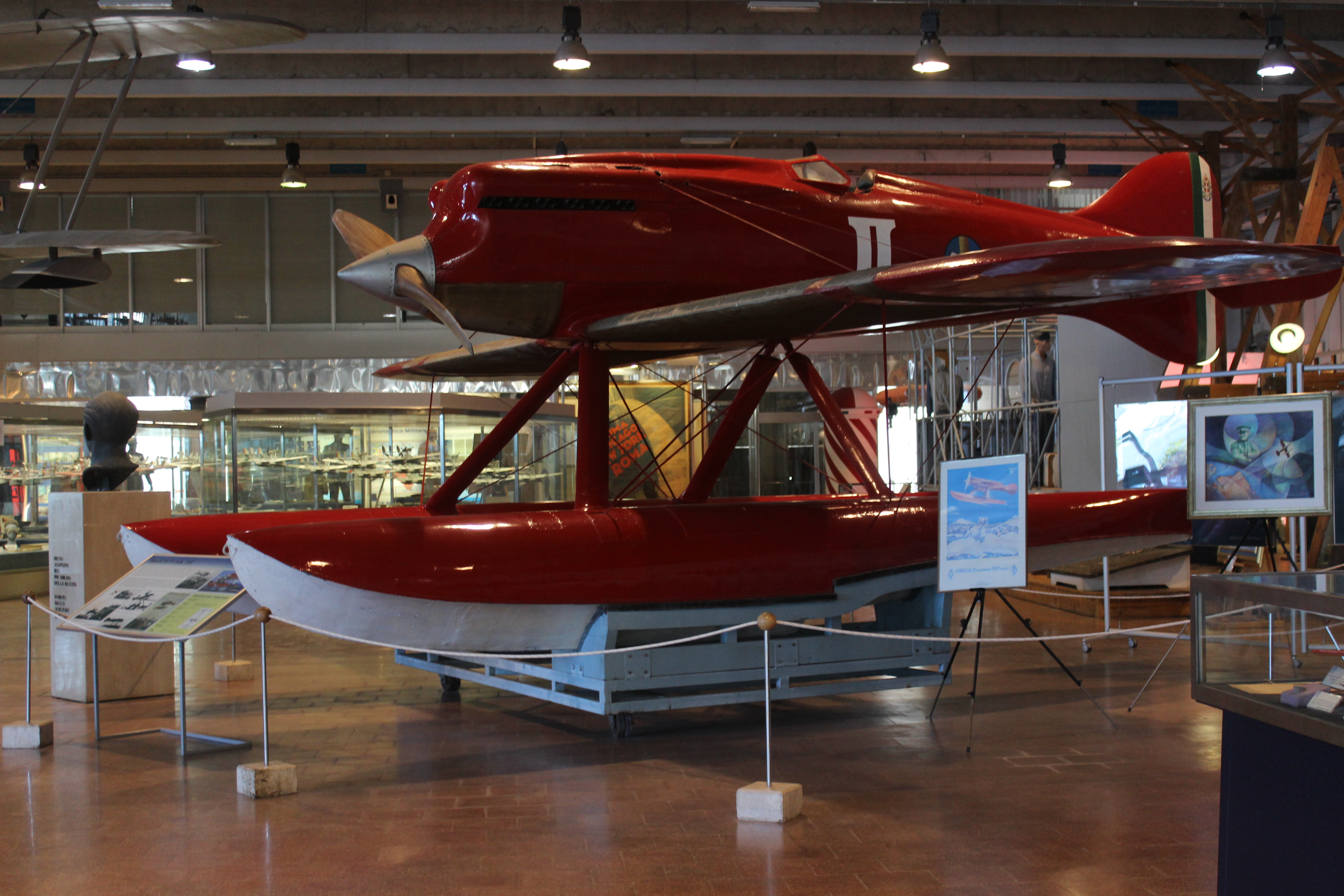
What speed record did Macchi start with?
With the M.39: its MM.76, flown by Mario de Bernardi, took first place in the Schneider Trophy at an average of 396.698 km/h (246.497 mph) and set a new world… more…
Records and curiosities
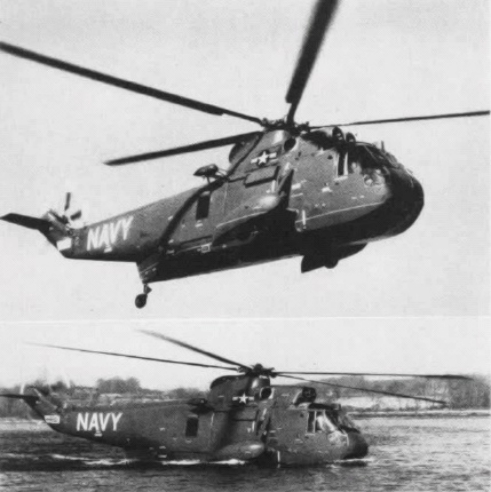
What speed record did a modified Sea King set?
It wasn't a production example but a modified US Navy HSS-2: on 5 February 1962 it set the absolute speed record for helicopters at 338.9 km/h (210.6 mph). It… more…
Records and curiosities
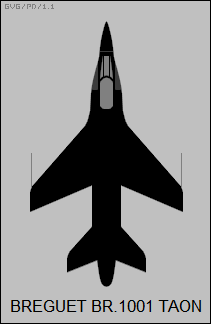
What records did the Breguet 1001 Taon break?
The Bréguet 1001 Taon broke the international 1,000 km closed-circuit speed record: on 25 April 1958 it reached 1,046.65 km/h at 7,620 m altitude. On 23 July… more…
RoyDickson (CC BY), vía commons Records and curiosities
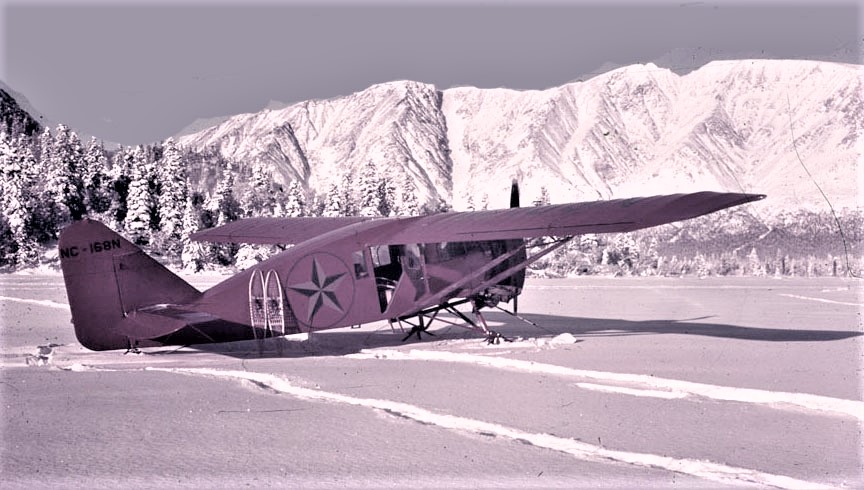
How long did a Bellanca Pacemaker fly without refueling in 1931?
84 hours and 32 minutes: on May 28, 1931, a Bellanca CH-300 with a diesel Packard DR-980 engine, flown by Walter Edwin Lees and Frederic Brossy, stayed… more…
Records and curiosities
Which aircraft broke the world absolute speed record at 448 km/h in 1924?
The Bernard SIMB V.2, a French single-seat, single-engine monoplane built in the mid-1920s. In a second attempt, on 11 December 1924, it averaged 448 km/h… more…


