Did you know…
How did the J.I strafe ground targets?
Short answer
With a pair of fixed 7.92 mm Spandau LMG 08/15 machine guns, mounted aiming downward to strafe ground targets. The fuselage sides and bottom were armored with 5 mm chrome-nickel steel plate bolted to the wooden frame. German units began receiving it in April 1918.

Two Spandaus aimed at the ground
The Albatros J.I was armed with a pair of fixed 7.92 mm (.312 in) Spandau LMG 08/15 machine guns, aimed downward precisely to strafe ground targets.
A fuselage lined with steel
Both the sides and the bottom of the fuselage were covered with 5 mm thick chrome-nickel steel plate, bolted directly onto the wooden frame. That plate armor around the crew compartment weighed 490 kg (1,080 lb) and came at a substantial cost in performance.
Adequate engine, quick replacement
The J.I was fitted with the Benz Bz.IV engine, capable of delivering up to 150 kW (200 hp); that choice of powerplant, combined with a considerably heavier fuselage, was chiefly responsible for performance that was marginal at best. During April 1918 Luftstreitkräfte units began receiving the aircraft. By June 1918 the new Albatros J.II had already begun replacing the J.I at the front.
More questions
Aviation history
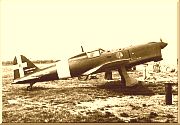
How many SAI.207s were completed out of an order for 2,000?
None: of the order for 2,000 aircraft, no production aircraft were built following the mixed results of the operational evaluation and the signing of the… more…
Aviation history
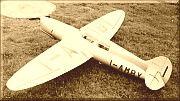
Which touring aircraft is described as "one of the most beautiful of all time"?
It is the Ambrosini S.7, the touring monoplane designed by Sergio Stefanutti. It first flew in July 1939 and was an Italian racing aircraft that flew before… more…
RuthAS (CC BY), vía commons Aviation history
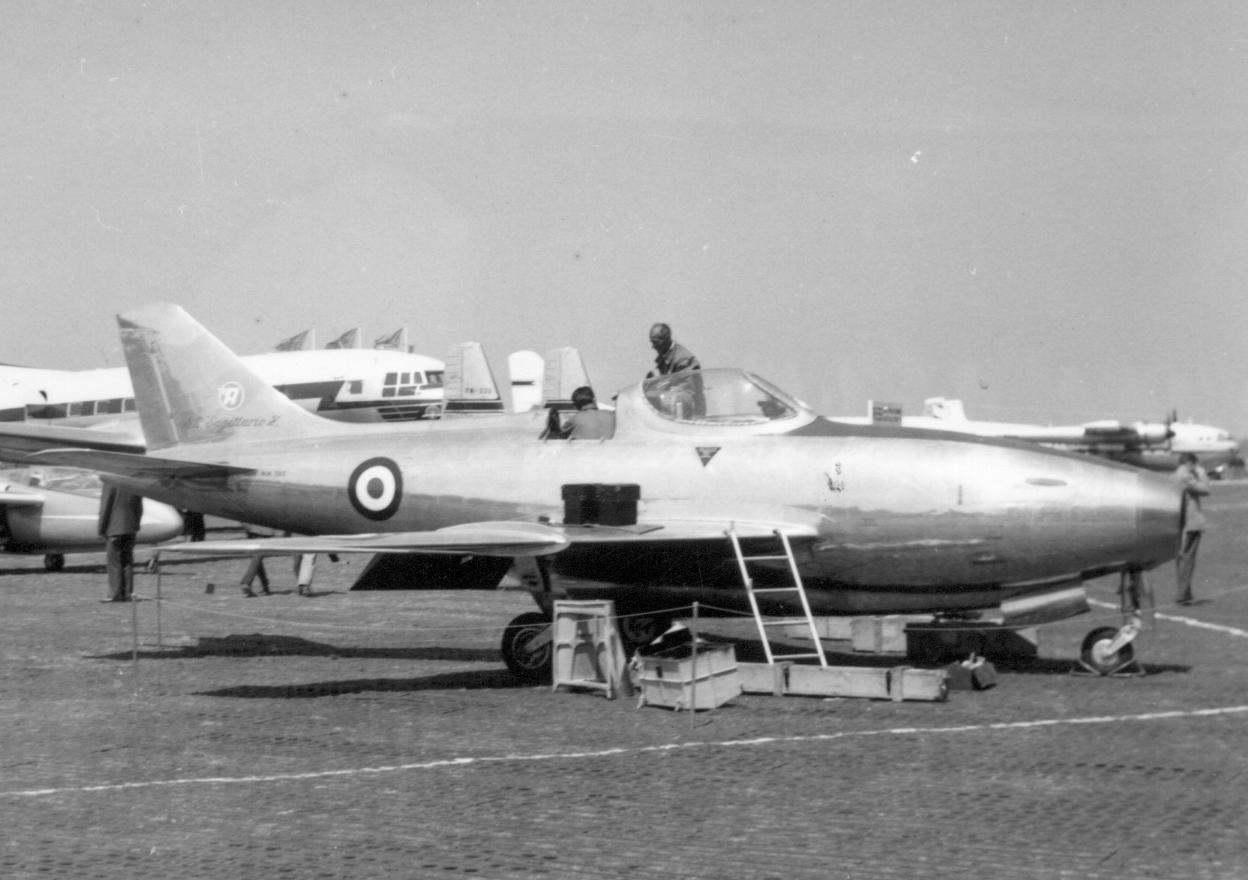
What was the first aircraft designed in Italy to exceed Mach 1.1?
The Aerfer Sagittario 2 reached Mach 1.1 —it did not exceed it— on 4 December 1956, in a dive from 13,725 m and piloted by Lieutenant Colonel Giovanni… more…
Aviation history
Which Italian canard fighter flew in 1939?
The Ambrosini SS.4, a single-seat all-metal canard-configuration fighter, which first flew on 7 March 1939. It was the first Italian canard fighter and was… more…
Aviation history
At what minimum speed was the S.S.3 canard controllable?
The SS.3 Anitra's stall speed was 34 mph (55 km/h). Its top speed, with a 16 hp (12 kW) engine, was 87 mph (140 km/h). It first flew on 2 October 1937 and was… more…
Aviation history
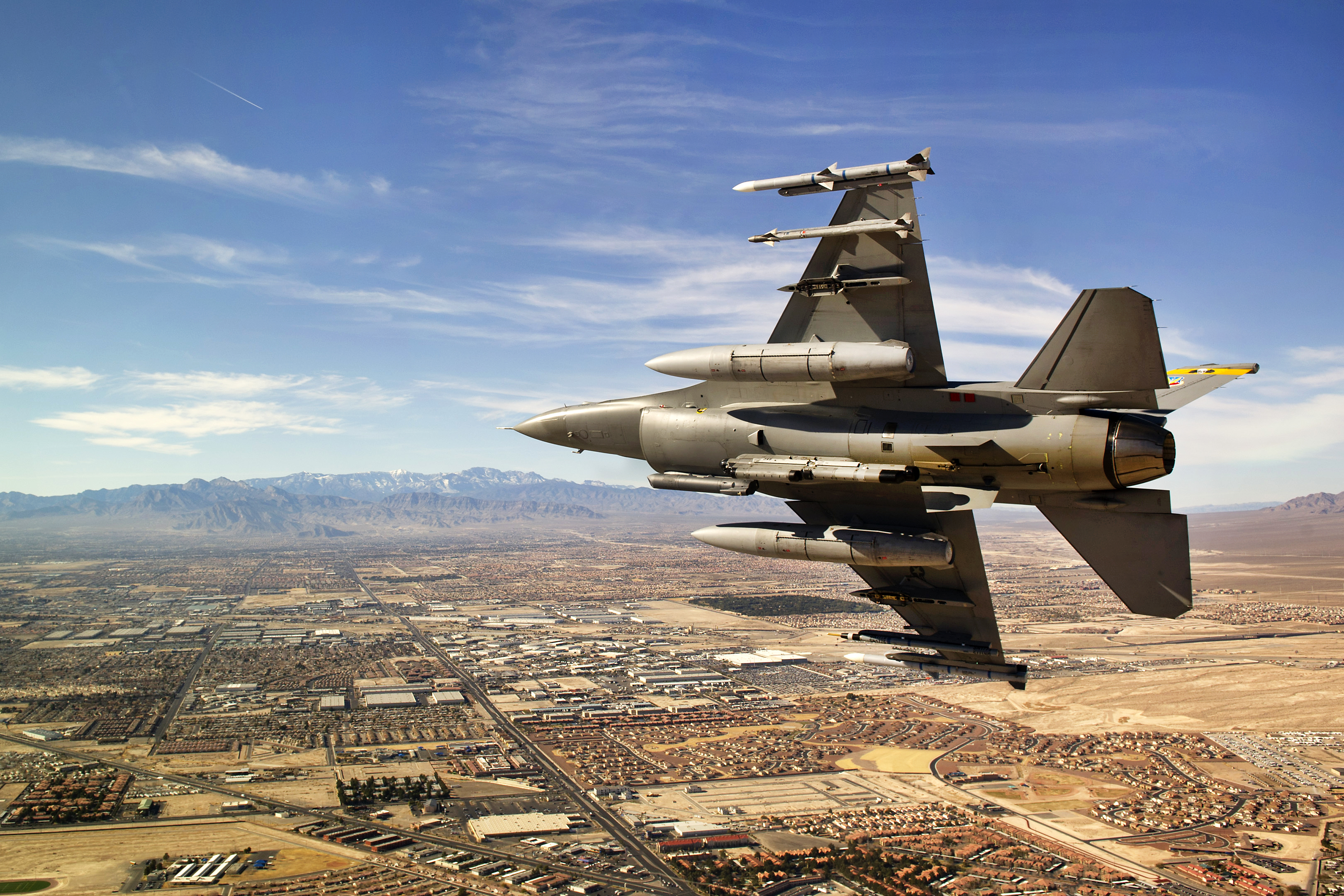
How long did the Israeli F-16s' flight to Osirak last?
About three hours: the eight Israeli F-16As took off from Etzion air base and landed there again after a three-hour mission. At 80 minutes into the flight… more…


