Did you know…
Where was the C-101 tested at low and high speed?
Short answer
The low-speed tests were done in tunnel No. 1 of the National Institute of Aerospace Technology (INTA) "Esteban Terradas," using a 1/7 scale model. The high-speed tests were done in the supersonic tunnel of the Royal Aircraft Establishment in Bedford, England.

INTA's tunnel No. 1
With the static models already finished, the C-101's wind tunnel tests were staggered across several stages. The first was carried out in tunnel No. 1 of the National Institute of Aerospace Technology (INTA) "Esteban Terradas." There the low-speed tests were completed, using a 1/7 scale model.
The Bedford supersonic tunnel
Next came the high-speed tests, carried out in the supersonic tunnel of the Royal Aircraft Establishment in Bedford, England. The sequence ended in Lille, France, where the Aviojet underwent spin behavior tests with an 1/18 scale model.
Structure, hangar and flight
In Getafe numerous structural rigidity and equipment function tests were carried out, and after the refinements and corrections resulting from that work, the same plant hosted the hangar rollout of the P1 prototype, registered XE-25-01 and painted in an orange and white scheme. The flight test phase, with vibration, flutter and spin tests, did not begin until April 17, 1978. The aircraft's design emphasized simplicity and economy, forgoing high-performance features. Measured performance turned out better than the designers had anticipated.
More questions

Colin Cooke Photo (CC BY SA), vía commons Aviation history
What was the An-26's bubble window for?
The An-26's bulged windows were observation windows, part of its military equipment alongside folding canvas seats for paratroopers, an overhead hoist and… more…
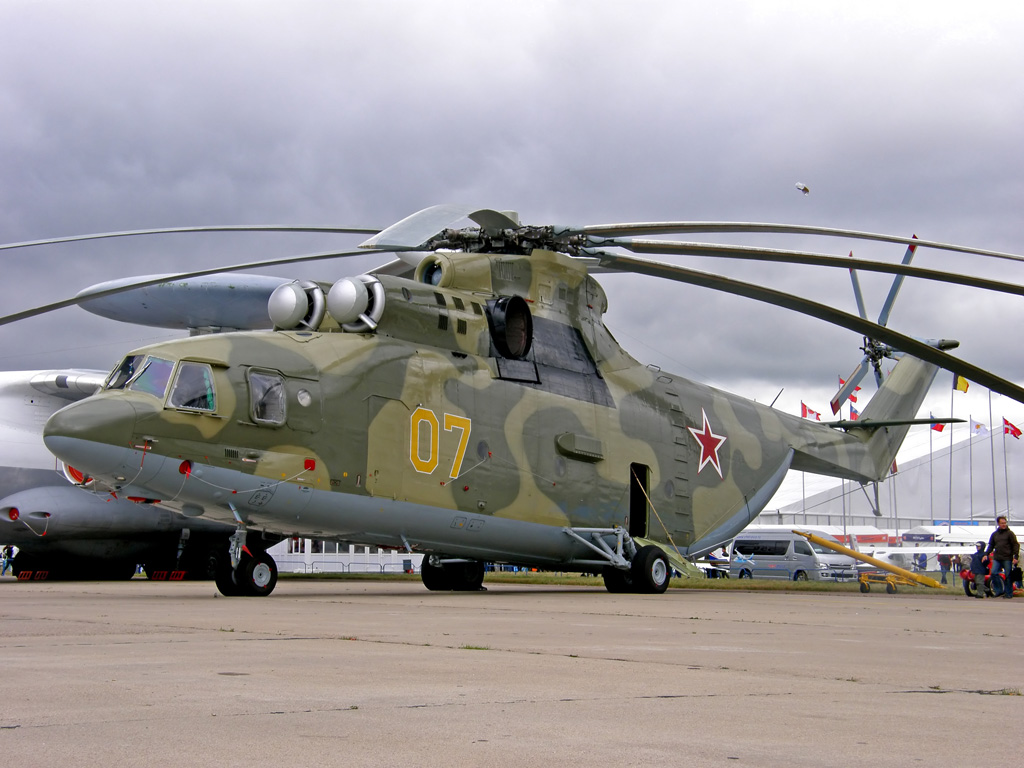
Dmitry Terekhov from Odintsovo, Russian Federation (CC BY SA), vía commons Aviation history
At what altitude could the An-32 operate?
The An-32's service ceiling is 9,500 m (31,200 ft). More striking is its hot-and-high performance: it has outstanding takeoff characteristics at temperatures… more…
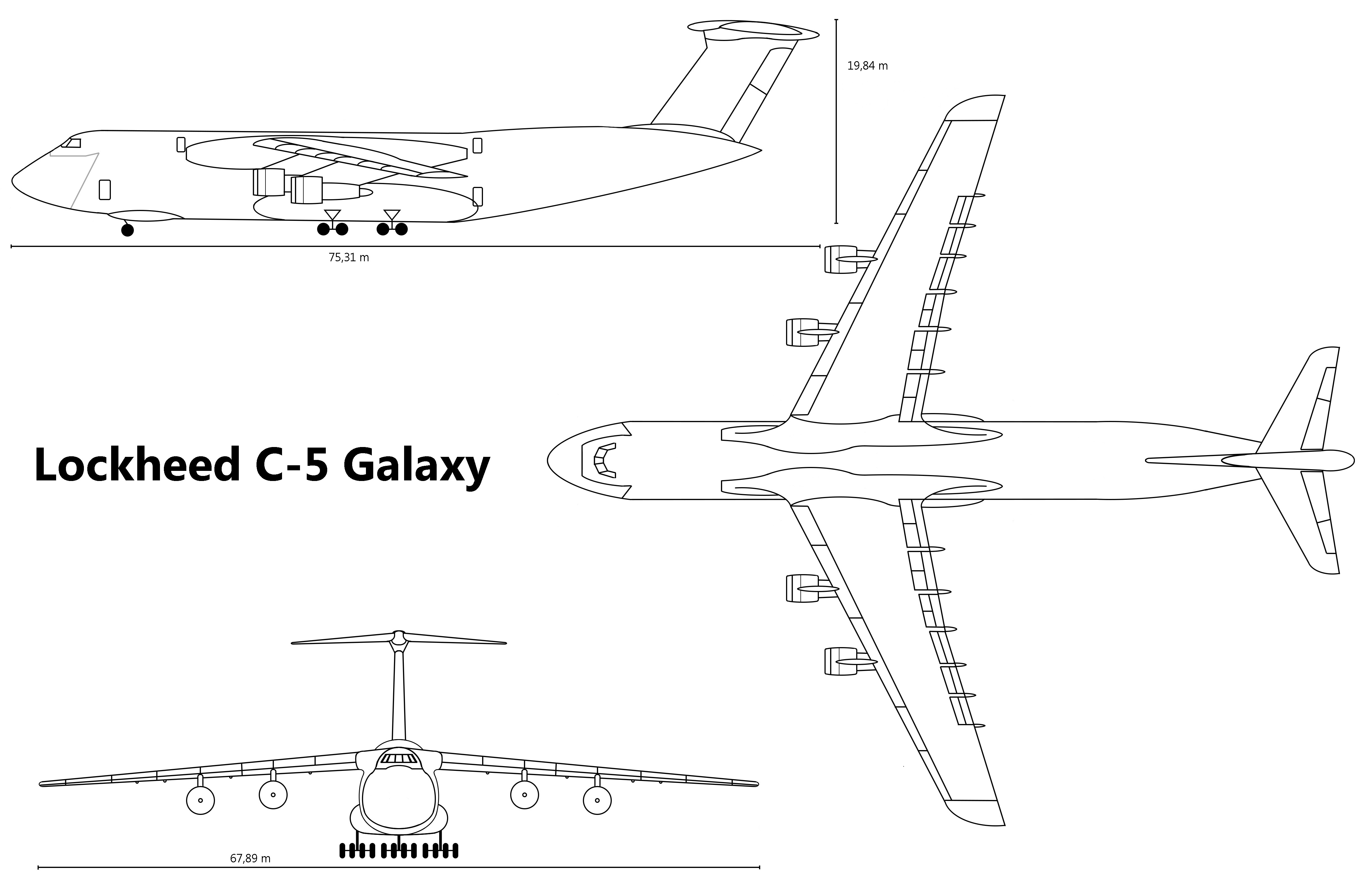
Saggittarius A (CC BY SA), vía commons Aviation history
Which Western aircraft was the An-40 compared to?
The Lockheed C-5 Galaxy. The An-124, called An-40 in the West during its development, broadly resembled the American strategic transport, though with… more…
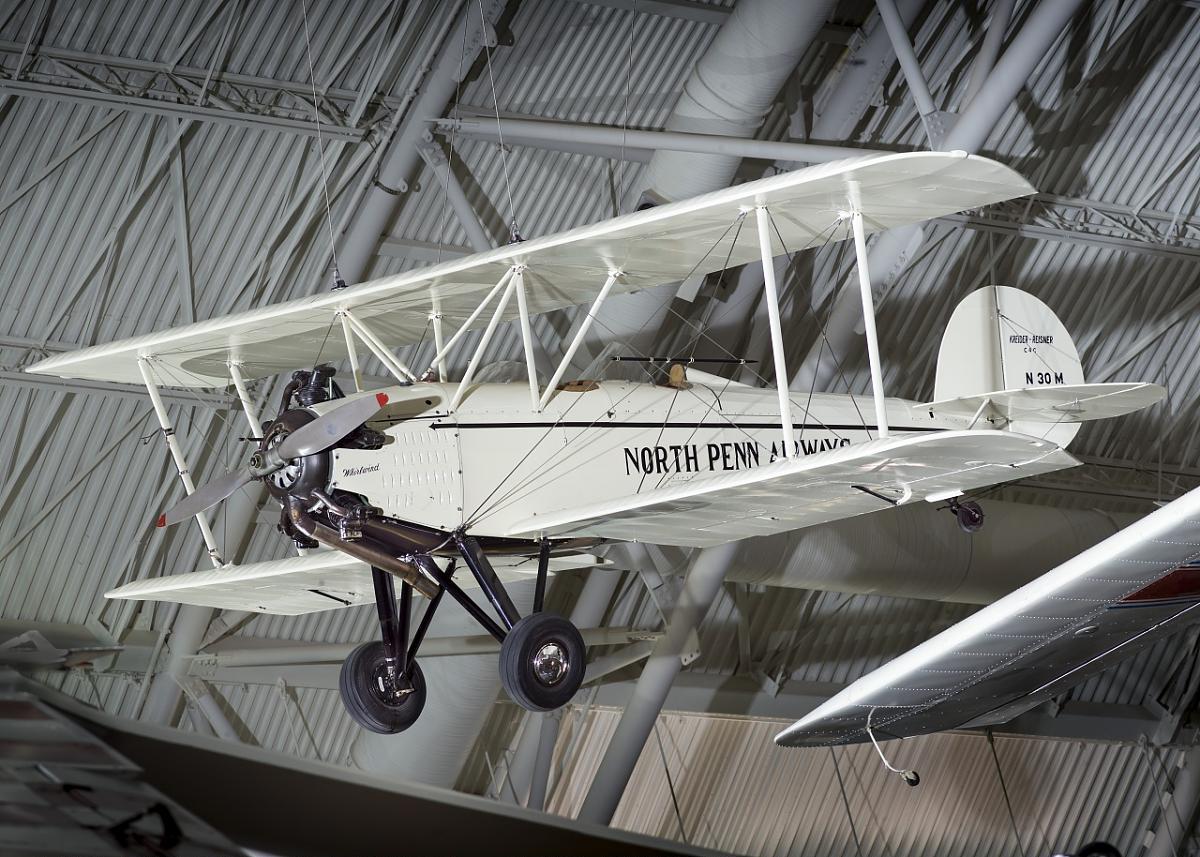
Aviation history
What is the An-72's landing gear like?
Four independent single-wheel main legs that retract inward into sizeable fairings. Combined with high-flotation tyres, that sturdy gear lets the aircraft… more…

Aviation history
Which fighter replaced the Arado Ar 65E?
The Heinkel He 51: from 1935 it replaced the Arado Ar 65 as a front-line fighter. The He 51 had been designed to replace the Ar 65 and served alongside the… more…
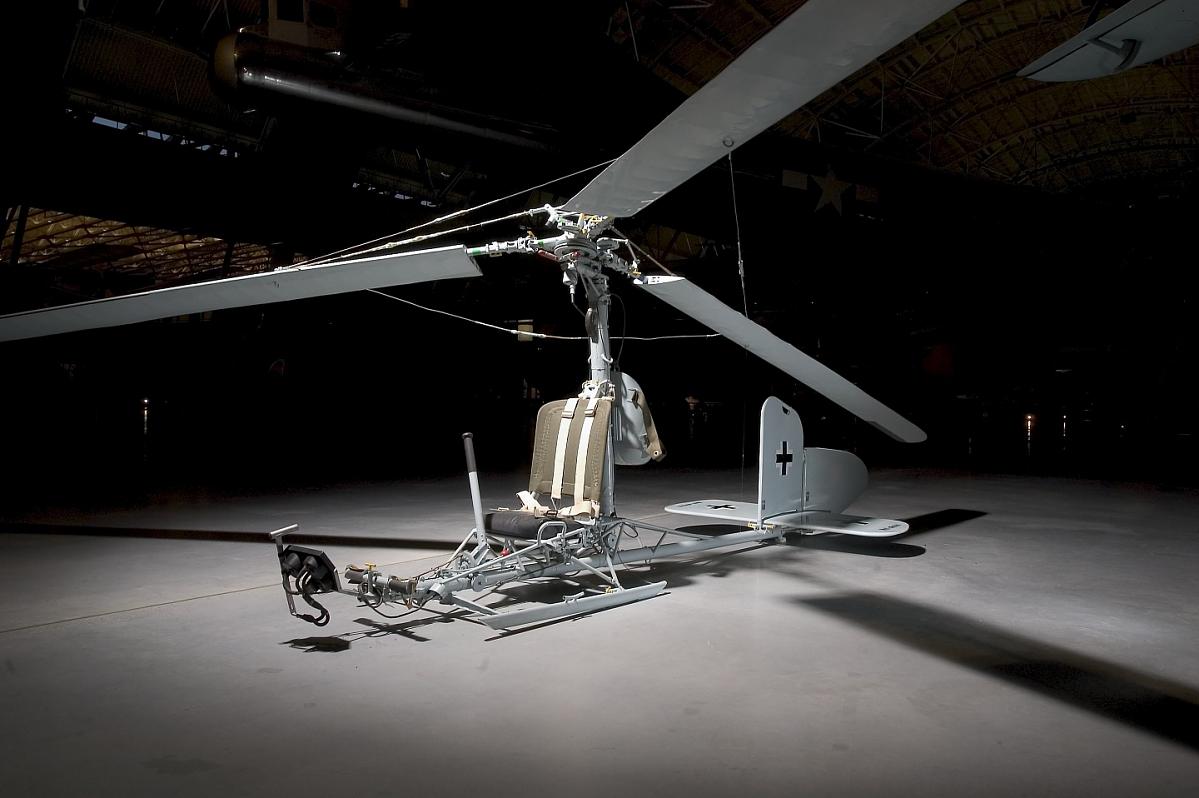
Aviation history
How many float-equipped Ar 66s were built?
Ten: ten production Ar 66B floatplanes were built, in addition to the Ar 66b prototype, the program's second prototype, completed as a floatplane. The main… more…


