Did you know…
Which fighter was the starting point for the XP-86's design?
Short answer
The FJ-1: the USAF's XP-86 ground-test prototype, origin of the F-86 Sabre, emerged as an evolution of that North American fighter. The USAAF chose one of the submitted designs and contracted three XP-86 examples, which early studies showed would match the performance of the XP-80 and XP-84.

A previous fighter as starting point
The XP-86 ground-test prototype, which would lead to the US Air Force's highly influential F-86 Sabre, was born as an evolution of the FJ-1. When the latter's design was finalized, German research into swept-wing aerodynamics was not yet available. North American Aviation reached that point after having built, during World War II, the propeller-driven P-51 Mustang, which fought against some of the first operational jet fighters.
From study to contract
The USAAF selected one of the submitted designs and awarded North American a contract to build three examples of the XP-86, standing for "experimental pursuit." Early studies revealed that the XP-86 would have the same performance as its rivals, the XP-80 and the XP-84.
The Sabre's later branches
In 1947 North American Aviation began the NA-157 design study to create a true "penetration fighter" meeting the requirements for a long-range version of its F-86A Sabre. The resulting fighter was originally designated F-86C. In December 1947 the Air Force ordered two NA-157 prototypes and, given the many changes from the F-86, redesignated it YF-93A.
More questions
L-Bit (CC BY SA), vía commons Military aviation
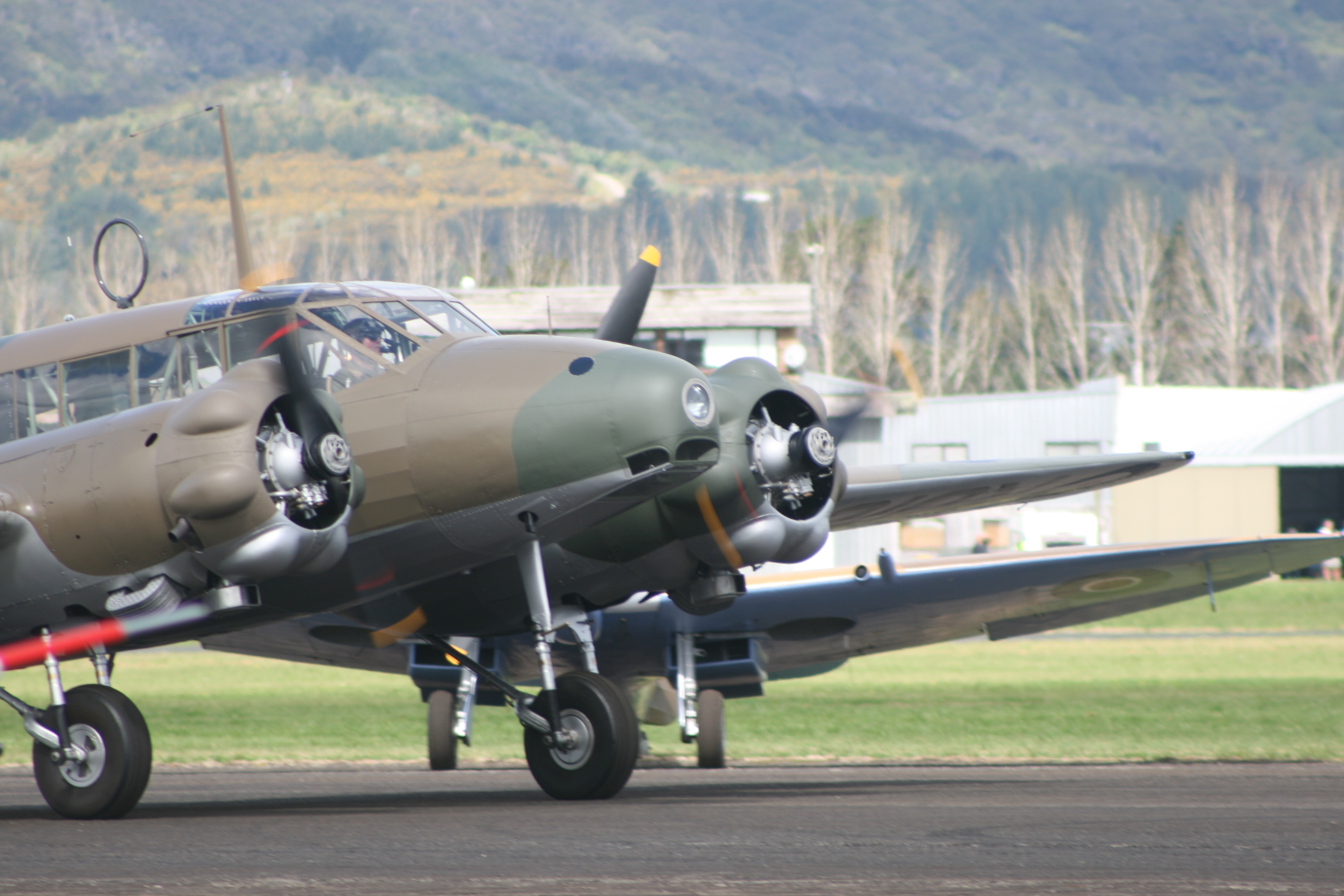
How many Anson Mk I were built?
6,688 or 6,742 Avro Anson Mk I were built, according to different sources; History of War, which gives the second figure, places 3,935 at Woodford and the… more…
Military aviation
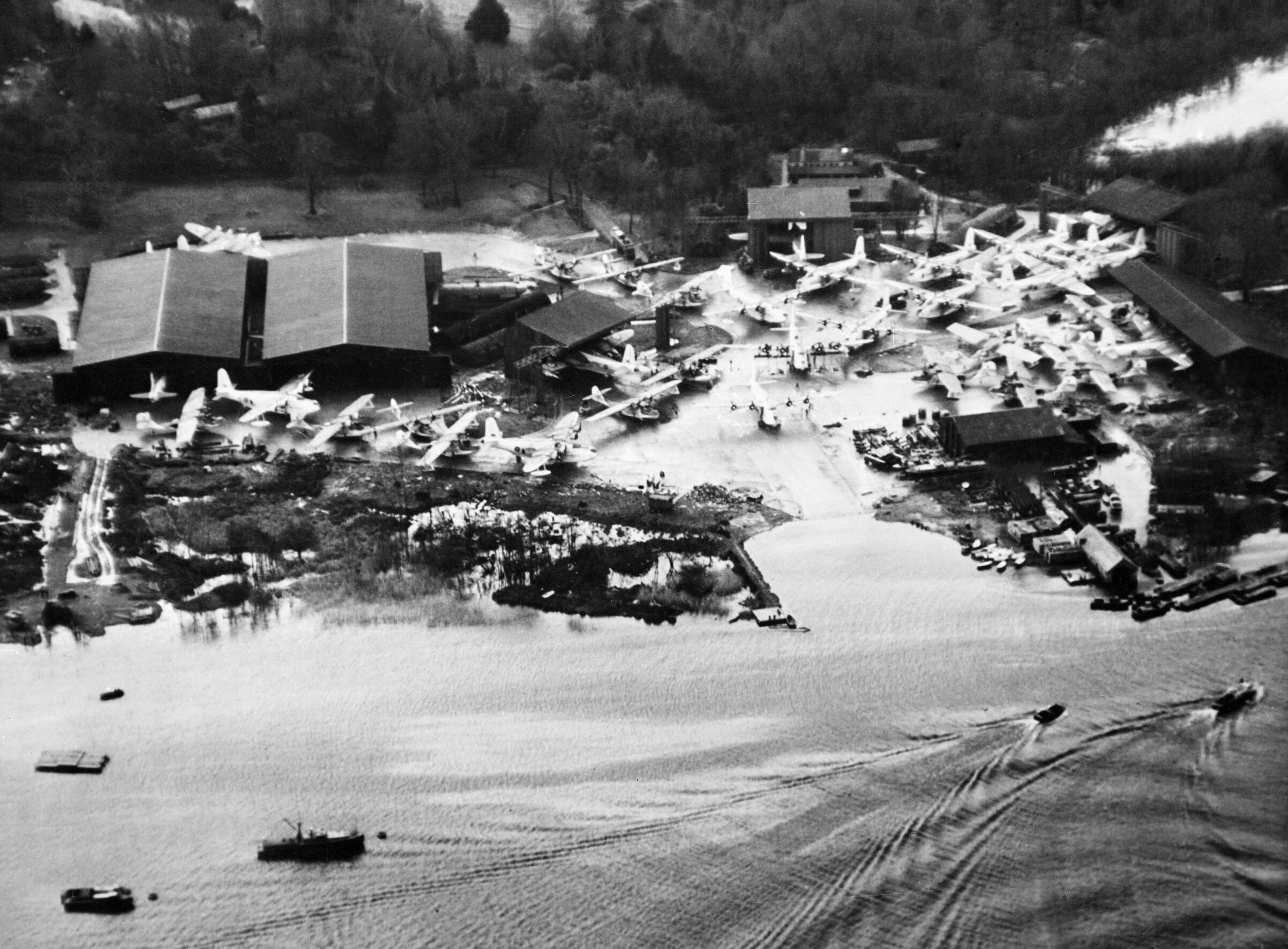
Which flying boats rescued the crew of the Kensington Court in 1939?
They were two RAF Sunderland flying boats: according to uboat.net, an aircraft of Squadron 228 and L5802 of Squadron 204 landed on the water next to the… more…
Military aviation
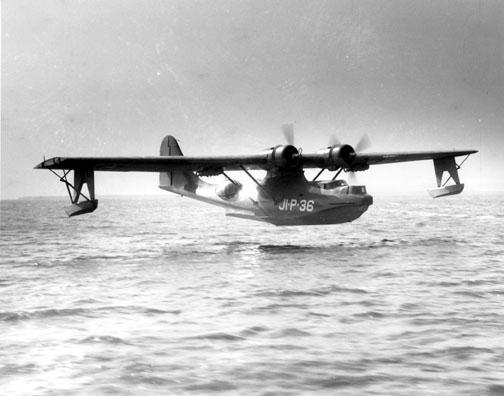
How long did Catalina convoy escort flights to the USSR last?
Many of the Catalina flights protecting convoys to the Soviet Union lasted between 15 and 20 hours and ended at Gryaznaya Bay (Murmansk) or at Arkhangelsk… more…
Military aviation
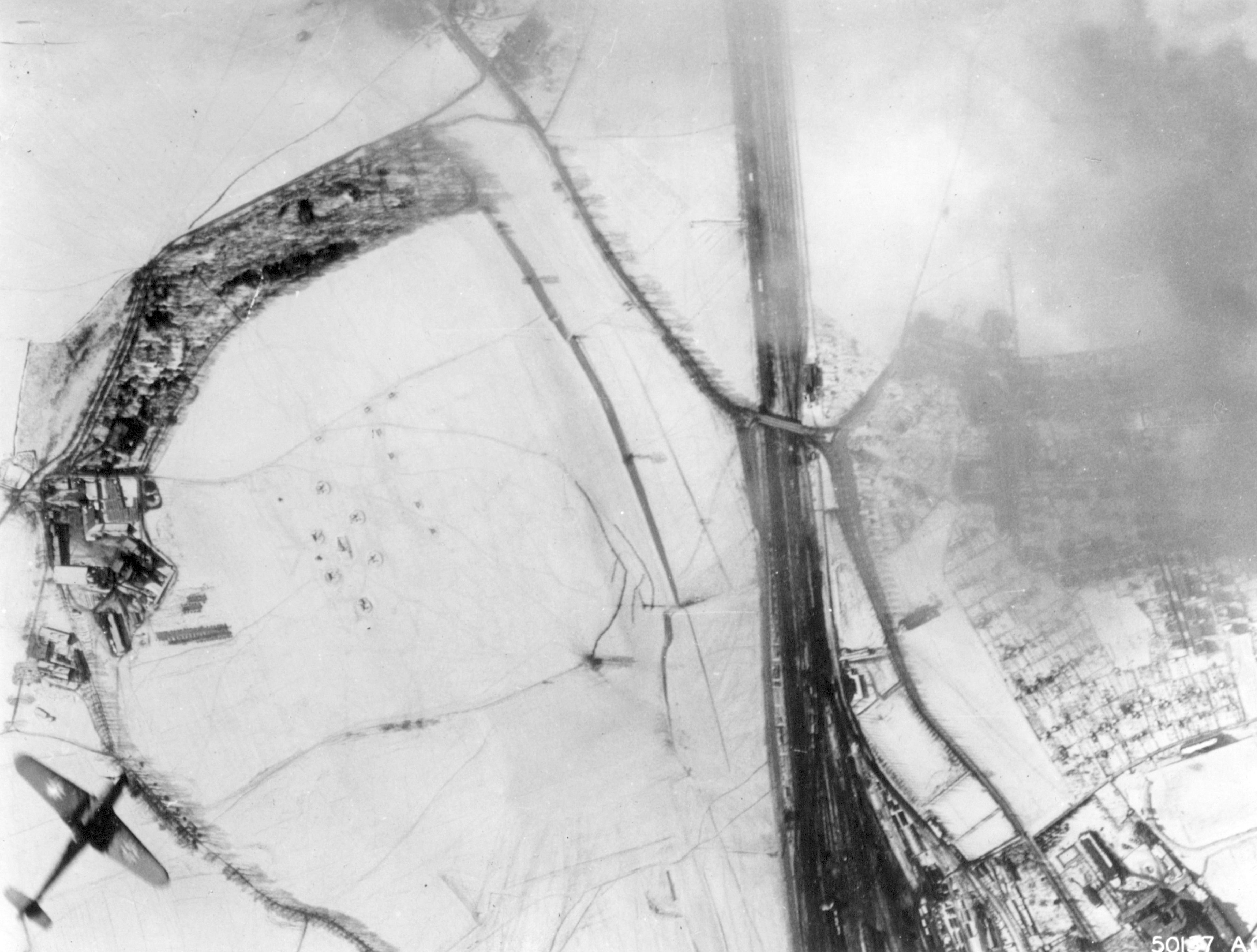
How many aircraft did the Axis lose in Crusader?
Around 332 aircraft destroyed and around 228 abandoned in the operation's tally, which took place between 18 November and 30 December 1941. According to their… more…
Military aviation
How many victories did No. 604 Squadron, the RAF night-fighter squadron, claim?
Around 127 aerial victories over the course of the war, 41 of them since May 1944. No. 604 (County of Middlesex) Squadron RAF spent most of the Second World… more…
Military aviation
Why did the "Torch" P-40Fs carry a flag on the fuselage?
To deter Vichy French forces from shooting them down: aircraft with yellow-outlined roundels sometimes had an American flag added in front of the roundel. The… more…


