Did you know…
How many KC-135s were built?
Short answer
The original production version, powered by four Pratt & Whitney J57 turbojet engines, was built in 732 examples. These tankers transferred fuel mainly through their rigid boom, which could pump out almost all the fuel carried in the internal tanks. They refueled F-105s, F-4s, and B-52s.
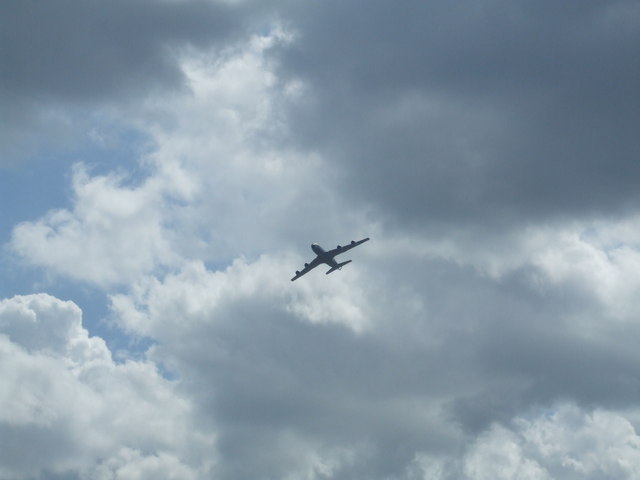
The original production version
The first production variant of the KC-135, powered by four Pratt & Whitney J57 turbojet engines, was built in 732 examples. The aircraft transfers fuel mainly through its rigid refueling boom, through which it can pump out almost all the fuel carried in its internal tanks.
The deployment over Southeast Asia
The KC-135s refueled the F-105 and F-4 fighter-bombers as well as the B-52 bombers, making it possible to reach distant bombing targets and extend fighter missions' time on station beyond their limited fuel reserves. Over the course of the war, they delivered more than 1.6 billion gallons of jet fuel to the strike aircraft, bombers, and fighters of the conflict.
More questions
Aviation history
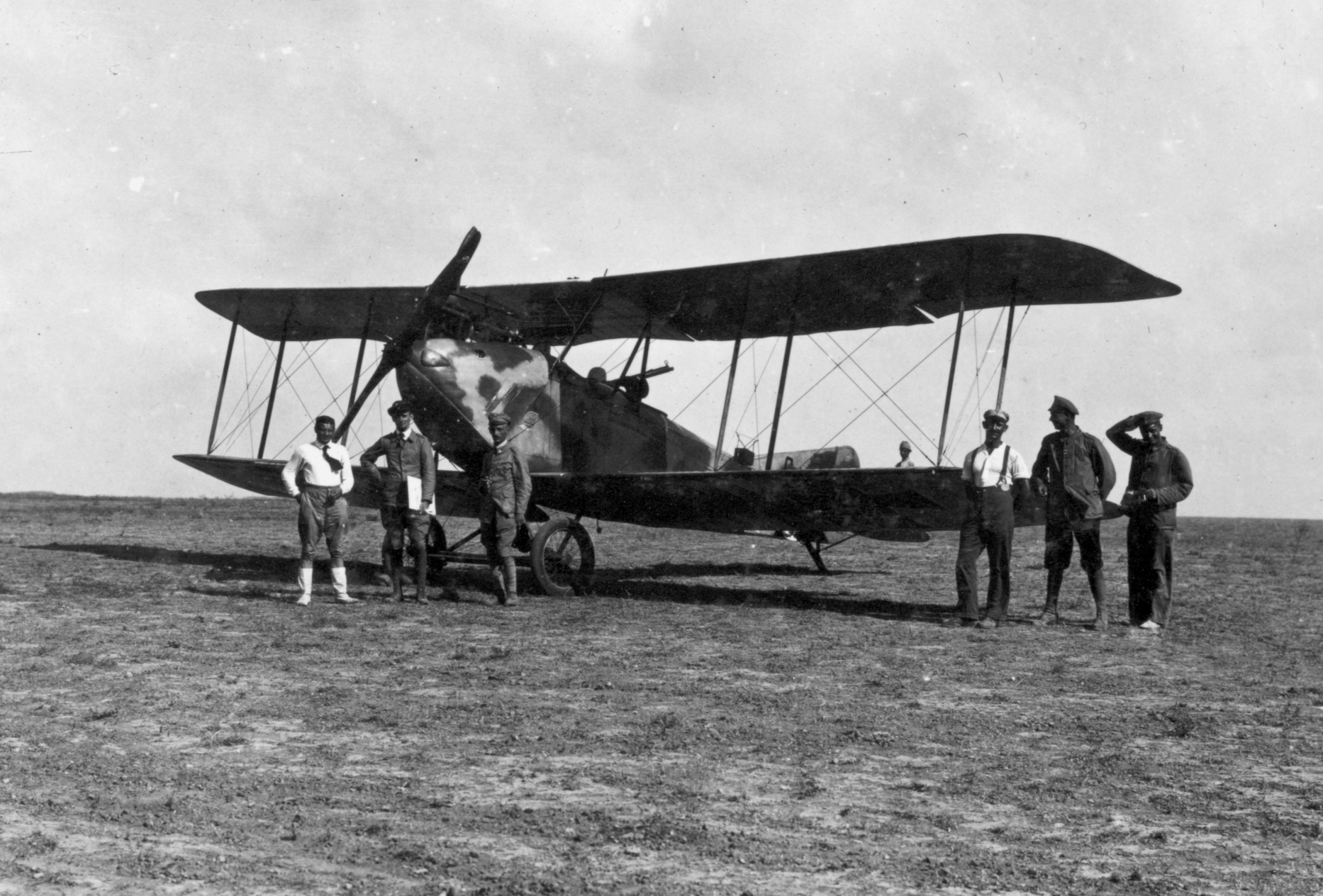
Why was the D.III's radiator moved to the right side?
The Teves und Braun radiator at the center of the upper wing scalded the pilot if punctured. From D.III number 290 onward it was moved to the right, and… more…
Aviation history
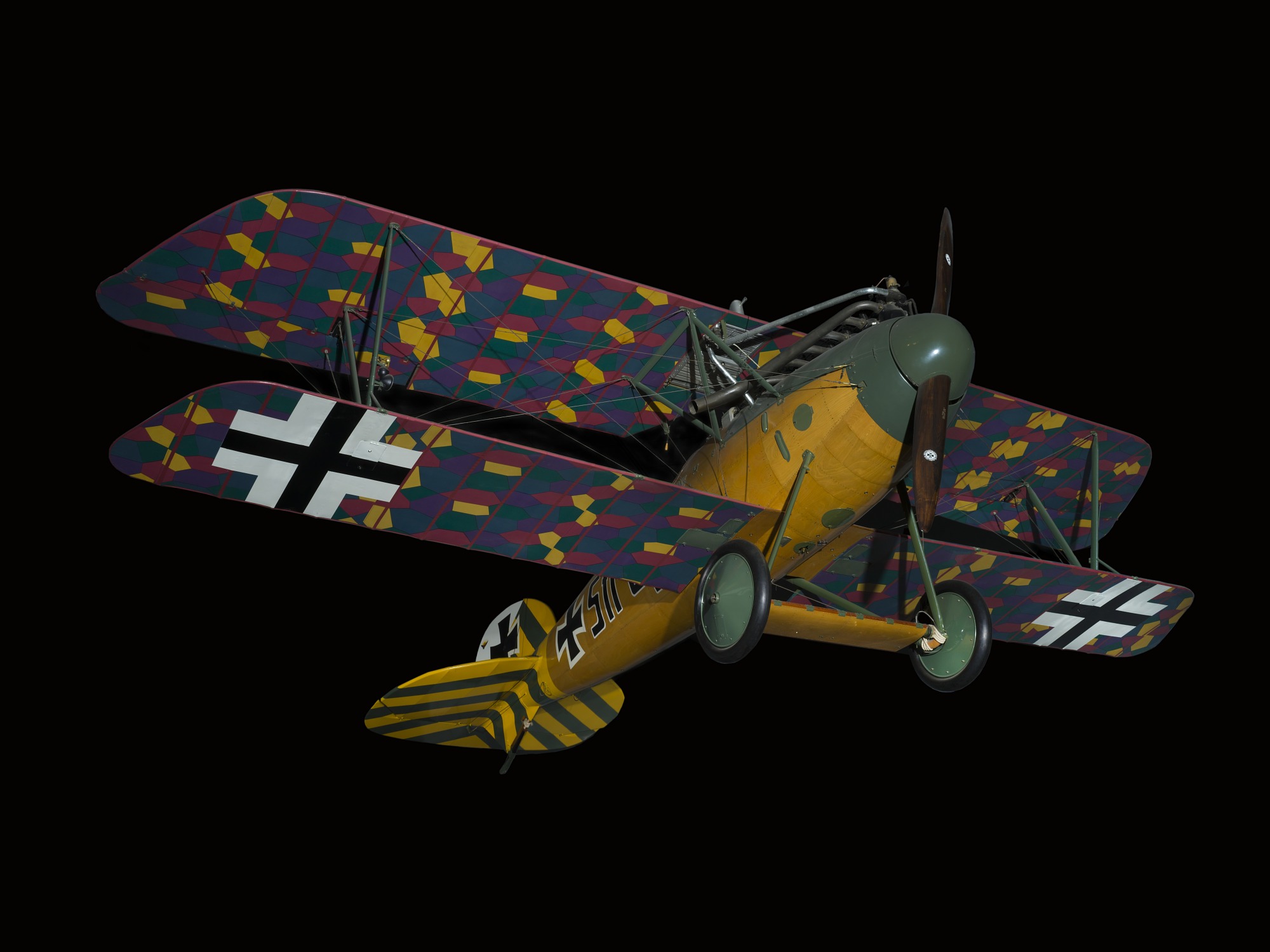
How many D.V and D.Va aircraft were there in May 1918?
In May 1918, 131 D.V and 928 D.Va remained in service on the Western Front. Total production had been much higher: around 900 D.V and 1,612 D.Va built at… more…
Aviation history
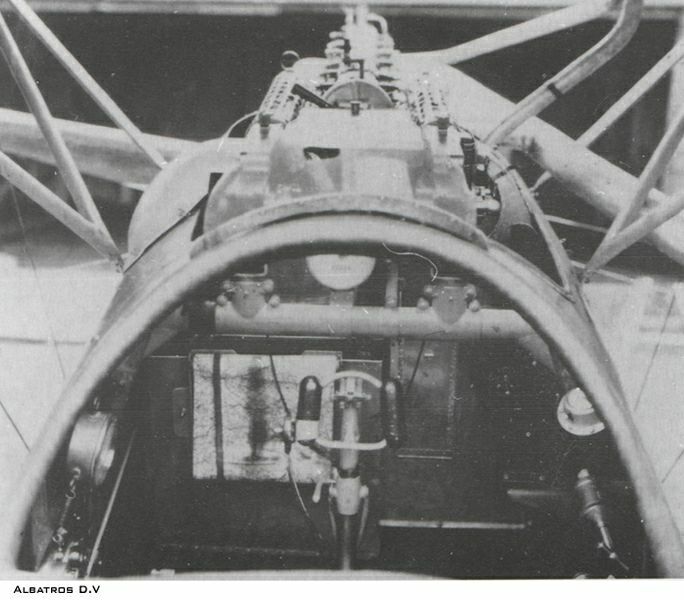
Why was the D.V's headrest removed?
Because it interfered with the pilot's field of view: early D.Vs carried a large headrest that was almost always removed in service. The model entered service… more…
Vincent Legendre (CC BY SA), vía commons Aviation history
How did the J.I strafe ground targets?
With a pair of fixed 7.92 mm Spandau LMG 08/15 machine guns, mounted aiming downward to strafe ground targets. The fuselage sides and bottom were armored with… more…
Vincent Legendre (CC BY SA), vía commons Aviation history
How heavy was the J.I's armor?
The steel plate armor around the crew compartment weighed 490 kg (1,080 lb). The fuselage sides and bottom carried 5 mm chrome-nickel steel plate bolted… more…
Aviation history
How did Hitler learn of Churchill's plan to mine the Narvik fjords?
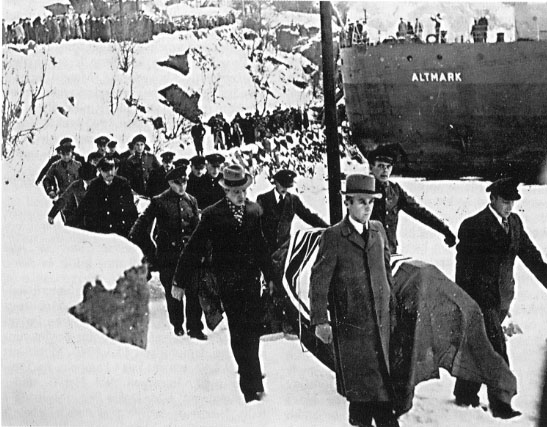
The turning point was the Altmark incident: on 16 February 1940 the destroyer HMS Cossack entered Norwegian territorial waters. Hitler read it as a clear sign… more…


